Curious about upgrading?

Wondering where to start?

Complex questions that need answers?
Is there a better structure for you?










"They managed to navigate my complex expat income and even got my Google RSU income approved as well."
"I highly recommend Alcove to anyone looking for a mortgage broker who is responsive, trustworthy, and truly cares about their clients. Thanks again to the whole team for making the process such a positive experience!"
"As founders, we're constantly jumping between things so having a partner that handled the details & made the process super clear made the buying process breezy for us. Very happy with the experience!"

“It almost felt like it was his responsibility to make it clear to me, not my responsibility to understand it.”
“I've been pretty much fully leveraged the whole time. So the sounding board on that, in terms of what was achievable, what wasn't — I think trust is just built along that.”















"Alcove has been a great partner. They look after my audience properly, keep things simple, and deliver real value. I’ve got full confidence referring clients knowing they’ll get honest, straightforward advice."

"Property is one of the biggest financial decisions people make. Alcove stood out because they take a strategic approach to lending - helping clients structure property and debt decisions in a way that genuinely supports their broader financial plans."


Adapted from audio. This article is a written adaptation of the original podcast episode. Sources and dates are shown with each figure.

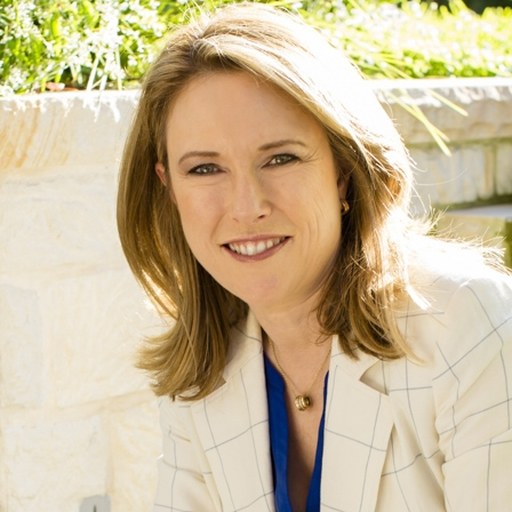
Co-host of The Elephant in the Room. Real estate agent, buyer's agent and buyer's agent mentor, co-host of Foxtel's Location, Location, Location Australia, author of Auction Ready and co-host of Your First Home Buyer Guide.

Brian Hartzer on the Bank of Mum and Dad and the Lending Gap for Over 55s
Former Westpac CEO Brian Hartzer explains why he closed reverse mortgages at three banks and why he has gone back to lending against home equity. The conversation covers the bank of mum and dad, the Wagyu and Shiraz case, and what documentation protects parents.
It's widely understood that property prices are on the rise again, even while interest rates continue to increase and borrowing capacities subsequently fall. These conditions hit first homebuyers the hardest, which is probably a major contributor to why the bank of mum and dad is the fifth largest lender in this country.
And from a societal perspective, this will continue to drive a wedge between the haves and the have-nots. For those first-home buyers fortunate enough to have parents wealthy enough to help them, great. For the rest, this divide will exacerbate generational disadvantage.
But from a business perspective, what opportunities does this offer for the development of different lending products?
Welcome to the elephant in the room. This is the podcast where we love to talk about the big things in property that never usually get talked about.
I'm Veronica Morgan, real estate agent, buyer's agent and buyer's agent mentor, co-host of Foxtel's Location, Location, Location Australia, author of Auction Ready and co-host of Your First Home Buyer Guide.
And I'm Chris Bates, mortgage broker, recently ranked number five in Australia out of over 18,000 brokers in the annual MPA Top 100 Mortgage Broker Awards. Before we get started, I need to let you know that nothing we say here can be taken as personal advice.
We always recommend you engage the services of an appropriate and experienced professional.
Today's guest has moved from a conventional banking career into the world of startups and fintech, and we're keen to understand how innovation is playing out in the lending space.
Brian Hartzer spent 15 years in senior executive roles at major banks in Australia and the UK, and these included being CEO at Westpac and Divisional Chief Executive Roles at the Royal Bank of Scotland and ANZ. And he is now the chairman of 2B, a Sydney startup company.
home equity lender for over 55s, as well as Beforepay, a fintech startup, and Rejig, an HR technology startup. And he's also a senior advisor to Quantium, which is a Sydney-based data science company and another private mortgage lender.
He's also an angel investor in and advisor to several fintech and technology startups. This is all a bit of a tongue twister, but what I'm trying to show you, he's got quite a pedigree. And we're really impressed that you decided to join us today, Brian.
And this is a great conversation, I think, very timely in terms of what's happening in the property market with affordability, et cetera, et cetera. So thanks for joining us and we're looking forward to this chat. Thanks. Thanks for having me. Nice to be here.
Brian, obviously we've met before and we've had a bit of a chat around the 2B and the story, but we've done 250 odd episodes now on this podcast and we haven't really done delve deep into the bank of mum and dad really. And it's been a huge player in the property market.
We do a lot with the sort of first home buyers and you can really see a big majority are sort of getting help from somewhere, whether it's early inheritances or gifts, et cetera. So
Just enlighten us, I guess, and our listeners on how big the bank of mum and dad is and potentially how big it could be, I guess, if they had access to more money. Yeah, well, I think it is already a very big lender.
I think you cited that at the start of the podcast, that this has become a huge feature of the property market.
And for better or worse, certainly for people who are trying to get on the property ladder, given what's happened to house prices over the last, pick a number, 10 years, 15 years, it's really difficult for people to get going if they haven't got a bit of help from the parents who've built up equity in their homes.
And there's another big demographic aspect here, which is just the aging of the baby boomers means that you've got five and a half million people who have been many of them paying mortgages. A lot of them have paid them off now.
I think our numbers are there's about 1.8 million people in that demographic who have paid off their home completely. and are now, by definition, having kids who are in that first home buyer range. And so looking to find ways to help them out.
The ones who've got lots of excess liquidity obviously are in a good position, but the ones who maybe have their assets tied up in homes or investment properties don't necessarily have the cash to help. And that's been the particular issue that we decided to try to assist them with.
Yeah, so there's a huge gap in the market, right? There's not really, which we'll talk about later, is like reverse home loans. There's not really many options for people over the age of getting close to retirement or retired, right? There's a huge gap in bank policy that exists.
Yeah, so one of the big things that's happened over the last 10 years is what I think of as over-regulation, well-intended, but a desire under the rubric of responsible lending.
The focus of banks' credit policies with the encouragement of ASIC has been to really focus on serviceability and free cash flow as a way to pay off a loan and not focusing on the asset backing that someone has.
We think in an environment where many people's primary asset is their home or the investment properties that they own, that it's not really right from a, it's certainly not economic and it doesn't make sense from a society point of view to not give people an opportunity to borrow against those properties.
And as you and I've talked about, Chris, there are lenders out there who, if you have the right connections, if you work really hard at it, will eventually find a way to to give you a solution that lets you borrow against assets, but it's difficult.
And actually the main focus for many lenders is really people who have a salaried income and can pay off the loan over the term of that loan.
And obviously if you're getting to 55, 60, 65, and you're approaching retirement, your ability to say, yes, I'm going to have this free cashflow for the next five, 10, 15 years is getting more difficult.
We think that's opened up a big gap in the market where everyone's busy fighting over upgraders and first home buyers and no one's really paying attention to a very significant portion of the population who have a lot of value in the equity in their homes.
This is actually quite interesting for a lot of reasons. One is because I just turned 55.
Welcome to the club. All of a sudden, I'm in the group. It sneaks up on you quickly. It sure does. If anyone's out there in their 20s and 30s saying, Jesus, she's old. Well, let me tell you, I used to think that only yesterday.
Now, you know, and I look at my situation now and I think to myself, if I wanted to borrow money, then the bank's not going to want to give me a 30 year mortgage. And then that makes me 85 at the end of it.
And I have to have exit strategies and all this sort of stuff.
And yet I've got a huge amount of equity, you know, and if I want to slow down and earn less and slow down a little bit and enjoy the benefit of all the hard work I've done, but also the investments that I've made over time.
then my options are actually limited in some regards if I don't want to sell something. So I guess what would be really interesting for you to run through, so it's not just helping your kids get into the property market.
I would imagine there's a lot of reasons that somebody over 55 might want to borrow without necessarily selling down an asset in order to access some funds. Can you run through some of the scenarios that you could see that you're solving here?
Yeah, that's quite right. By the way, the reason we called the business To Be is it comes from the idea of to be or not to be and the idea that if you're in this stage of life, now is the time to be.
Now is the time to be enjoying what you've built up and take advantage of that position that you've gotten yourself to.
And so the Bank of Mom and Dad opportunity with First Home Buyers was the first thing that jumped out of the research that we did as being something that really resonated with people.
But we're also seeing interest in funding holidays, readjusting investment portfolios, just having a bit of extra cash to renovate. In particular, renovation is a big one. Buying a lifestyle asset, a boat, an RV, those sorts of things.
And also to an extent looking at diversifying their investments. So perhaps they want to have a bit more money in their super rather than just in tied up in property. If they have a view on where the markets are going there. Those are the main ones.
I might think of one or two others as we go. So would somebody borrow potentially if they're looking at a sort of a shorter runway in terms of their earning capacity? Would they borrow enough to then include a buffer?
Would that be something that would be envisaged there so that they don't have to really worry about the earnings, particularly if they're borrowing to invest? Say they're borrowing to put more money in their super for argument's sake. Is that something that's possible in terms of the solutions that you're offering?
Yeah, so the way it works for us is you're borrowing purely based on the asset value and your credit history. And you can borrow an amount that's linked to your age and the value of your property.
So essentially, the loan to value ratio that you can draw down on depends on how old you are. So for us, at 55, you can borrow 15%. of the value of your property up to 35% if you're 75. So it increases 1% a year.
And we don't mind what people use the money for. We do ask and we describe it as any legitimate purpose. So if you told us you were going to gamble it, we'd probably say no. But as long as it's a reasonable use, it does give you access to that money.
And our loan is structured as a five-year loan with the option of capitalizing interest.
So if someone is looking to buy an asset or lend money to their kids, they have the ability to draw down on that equity, choose to capitalize interest, and then pay it all back at the end of five years when perhaps at that time they're planning to downsize or sell an asset, or maybe their kids are going to pay them back by refinancing, those sorts of things.
Yeah, and I mean, see, to talk, Brian, about like, there's not many options, right? Because I think you were working at Westpac when you shut down reverse mortgages, right? Like it wasn't a big profit making exercise for the risk versus the reward, I guess, in the banks.
And so it's a real gap in the marketplace. People think obviously there's access to reverse mortgages really easy, but it just doesn't. It's not really like that's how it works in Australia. Yeah. No, that's right. Actually, the reverse mortgage industry in Australia has shrunk quite dramatically.
And as you say, there is a certain irony in this, which is it was my decision to shut reverse mortgages down at Westpac, at ANZ, and at RBS when I was in the UK.
And the reason that I did that was not because I didn't believe in the product or believe in the demand.
But because from the perspective of a large branded bank, the compliance and PR and legal challenges around traditional reverse mortgages just became more trouble than they were worth in simple terms.
And there were just examples where, with all good intentions, people had done a reverse mortgage, and then 10, 15 years later, the customer has become infirm, and typically it was the kids would come along and say, wait a minute, you've taken advantage of my parents.
And even though it was all legitimate at the time, it just became a bit of a nightmare. And banks, large banks have to focus their exercises. They're all going through simplification and the like.
And so we made that decision, but it bothered me at the time because I thought this is actually a societal need.
And it was one of the reasons why we went back to it after I left Westpac and thinking, hang on, I know there is this gap in the market there to go after.
I think the other thing to say about, and as a consequence of that, there are only probably five or six providers who reverse mortgages left in Australia, of which technically we are one, although our product works a bit differently than most reverse mortgages.
The other subtlety is most reverse mortgage players are, we talk about it internally as people who need the money as opposed to people who want the money.
And so it's people who only own their home, don't have a lot of other assets, and therefore their only way to stay in their home is to get a reverse mortgage. We're targeting a more affluent segment of customers who actually do have other assets.
They could sell those assets, but they don't want to. They are more sophisticated. They're looking for a solution that provides them some liquidity for a period of time. You can almost think of it as a bit of a bridging loan towards some other thing that they're planning to do in the future.
So a couple of questions. Can you just briefly explain how reverse mortgage works? And then I'm curious to know what the sort of, you know, what's the difference in interest rates for argument's sake?
You know, like obviously there's more risk, I guess, potentially to you guys than, you know, in the typical banking model perhaps. So it'd be interesting to know, I guess, how you price that. But yeah, how does, do you want to explain?
It's a long time since I've spoken to anybody about a reverse mortgage, so I can't remember. Yeah, sure. So a reverse mortgage, essentially, it's a first mortgage. So there's a first mortgage, first lien on a property.
And in a typical reverse mortgage, an amount is advanced either as a lump sum or as you can think of it kind of as an annuity of an amount being advanced every month or the like.
And the balance, the interest is capitalized so that the amount of the loan rises over time as a function of that interest.
And typically, there's an agreement that the loan is payable when you sell the property or go into permanent care for an elderly person. And at that point in time, the property is sold, the loan is repaid, and the remaining equity goes to the client.
So that's the typical solution. It's typically been for people who are, as I say, only owning their home, don't have cash flow, need some extra support there. Is there usually a difference in interest rates? Would they be at commercial rates?
Yeah, they're typically a couple of percentage points higher than a mortgage rate. So our rate at the moment, I think, is a variable rate is 8.2%, which is obviously a couple of percentage points above a typical mortgage rate.
Part of the reason for that is that there's a bit of extra risk because you're not doing the serviceability calculation, but in particular, the ability to capitalize interest means that the people who are funding the loan are deferring that payment for a longer period of time, and that obviously brings with it certain risks.
There's also more compliance and conduct work that you need to do for a reverse mortgage than for a conventional mortgage to make sure that you're not lending to people who are vulnerable or are
You know, you got to be aware of, we spent a lot of time looking at issues like elder abuse, all those sorts of things that you need to watch out for. And so that makes the process of approving one of these loans a lot more costly.
But the flip side is the availability and the ability to rely purely on the asset value.
Right. You see, you know, back in your bank days, CEO, you know, talking to APRA, talking to the institution, I guess, and the thoughts around responsible lending. Do you see the banks doing a reverse and going back into reverse mortgages?
Like, you know, there is a margin, let's say it's 2% or 3% because of competition. But, you know, if there was a relaxment to responsible lending and you could lend on assets rather than income, do you see that
Is something that they're willing to do or is it really that door's not going to be open for a long time based on your discussions you've had? I think that door's closed for a fairly long time.
And now it may be that some of the banks from an institutional point of view through their securitization programs may provide some funding to that sector. But there's just been so much challenge around the consistency of compliance for these sort of products.
The experience of the Royal Commission has scarred the banks pretty significantly. The regulators are very concerned about anything that could lead to reputational risk for the bank.
And one of the consequences, one of the technical subtleties here is that for a bank, these are considered non-standard mortgages, and so they have a higher capital requirement. relative to a traditional mortgage.
And so ultimately, the logical funders of these loans are more like pension funds and insurance companies than banks because the capital treatment is a bit different.
So I personally think between the compliance team, the credit risk team, the PR and media team, the government affairs team, the strategy teams within the big banks, there are a whole lot of antibodies that would fight a suggestion of getting back into reverse mortgages.
I think they generally view it as a lot of potential downside for not a lot of upside. And so that's been part of our thinking around this is that realistically there is a gap in the market, which by the way, they acknowledge.
I mean, I've still got friends at a number of the big banks and they say, yeah, this is a great idea and we'll never do it.
Which it was pretty encouraging to us when we were setting up the business. Well, I mean, another big lender is probably going to be the super funds, right? Like you can see that they're now moving more and more into residential with build to rent projects, et cetera.
Do you see that a long-term annual set sort of annuity stream is good for super funds, right? That aligns to their members. Do you see them becoming big players in some type of lending? I do. I do. I think that certainly this is a product that would suit them.
When I talked about pension funds and like, that's what I had in mind as well. I think the difficulty is you still have to get the whole compliance conduct piece of this right, making sure that you're handling these customers in the right way.
And that's not something that a big institutional fund manager necessarily knows how to do. But I think in the back end, in terms of providing the funding for these things, I think that is definitely a logical element. The other thing I've seen with super funds is they actually tend to be quite conservative.
So they don't tend to want to get into new things. So I think this is a category that will develop over the next five years and become more legitimized. And then gradually as the volume grows, you'll see more people looking at it as a logical place to invest their money.
Yeah, you can see that a lot at the moment with the, there's a bit of index hugging conversation happening within the industry super fund world where, you know, you're getting Goliath funds that are all basically investing the same. So everyone's becoming the same, right?
And, you know, new ideas is everyone's scared of making those because they don't want to fall away from the index, right? So, and then lose their customers, which is not great for innovation. What about sort of the,
You know, one of the things we see is brokers, clients come to us with help from bank of mum and dad, and it's all a bit like opaque. You know, everyone's, no one's really telling, is it a loan? Is it a gift? Do I have to pay the money back?
Because everyone's very concerned about, you know, how that would affect bank lending. And absolutely it can do if it's a formal agreement, et cetera. But everyone's very also concerned around de facto risk and marriage risk, et cetera.
And so, you know, what's your sort of take on that and why your product really matters? you know, elevates that conversation into a better way to protect the parents really, um, and the kids, um, because it's all documented and it's very clear. Yeah. You're making my pitch for me, which is great.
Thank you. Um, yeah, I mean, you have to be really careful when you enter into a bank and mom and dad, uh, situation. And that's one of the things we've tried to do. The to be website has quite a lot of educational material on it to help people think these issues through. Um,
So, different lenders treat these things slightly differently. We have found some ways, so at a high level, our recommendation, and I'm not going to, I wouldn't call it advice because we don't give advice and people should seek independent advice when they're doing these things, but
But our recommendation generally is that you should structure this as a loan because I know you guys have this concept of the Dumbo. The Dumbo situation here is where well-intended parents give their money to their child who's, say, married to somebody else and helps them buy their first property.
And then a year later, The partner leaves and runs away. And because you don't have any clawback on that, the relationship breaks down and they've lost half the equity in the home, even though the parents have essentially provided all of that.
So our view is that you should find a way to structure this as a loan.
And there are a couple of ways you can do that where you can have effectively a zero interest rate, but make that interest rate variable in the event that the relationship breaks up or the loan is callable in the event that the relationship breaks up.
So that you don't actually have a cash flow impact for the borrower who's getting the mortgage. And the advantage of this, obviously, is that the first home buyer can come to the table with a 20% deposit and get a competitive no LMI interest rate home loan from you guys.
And then...
But because you've got this ultimate security, the parents have an ability to protect themselves. We also see that there's some advantages in this. You talked about risk as well. The standard way people have often tried to solve this problem is obviously through a guarantee.
And I know there's a variety of different parental guarantee products out there. But at the end of the day, a parental guarantee means that I'm in a three-way relationship between my kids, the parent, and the bank.
And we've got a situation where if the child falls over on their mortgage obligations, all of a sudden the bank is looking at the parent for that support.
And our experience in the research told us that that creates an uncomfortable psychological dynamic within the family where you have the parent's house is sort of at risk as a consequence of the child's behavior.
And so our view is that part of why we structure it the way we do is our relationship is purely with the parents. We give them recommendations and education about how they ought to think about it, but our view is it's your money and we're looking to you.
And then it's up to the parents effectively how they deal with their kids. And so you don't have the bank looking to the parents and this kind of subtle dynamic that...
goes on there where the parents are wondering asking the kids all the time how you going with your mortgage and how you going you know and all that be it you know it's i mean i don't know if you've ever lent you any money to your to your siblings or um or family members but you know it it does create some interesting dynamics if you're not careful so um we think that's another advantage of this approach
I've got another podcast, Your First Homebuyer Guide, and we interviewed a lawyer that specializes in these agreements, family agreements, Barry Frake, his name is. I'll put the link in the show notes if anyone wants to listen to it. And he talked about having the parents as a mortgagee.
And so, but he did also say that some banks don't like having another mortgagee on the title. They wouldn't. It just makes it more complicated. Yeah. Yeah. So, I guess it is complicated is the first thing. And secondly, getting good advice around this. And so-
That sounds quite interesting. So you mentioned earlier that a typical loan would be, say, a five-year loan to one of the to-be customers.
How does that work in terms of, you know, is it, like you said, sometimes the interest can be capitalized? Is there a higher risk interest rate as a consequence of being a different type of product? How does it sort of work in a, I guess, a nuts and bolts sort of sense? Sure.
So it's actually a really simple product. Think of it as a five-year interest-only loan with the option to capitalize interest. That's what it is. And it's secured by a first mortgage on the person's house. So you have to own a house outright in order to be able to do it.
At this stage, yes. So we started with a simple thing. Over time, we hope to introduce second mortgages and other sorts of things. But right now, that's the product. It's really quite simple.
Uh, and so we give people an, a discount on the interest rate, 25 basis points off if they pay interest as they go. Um, but they can choose to capitalize the interest and pay it all off at the end if that, if that suits them. And that's basically how it works.
And then at the end, so we go through, it's a very simple online application process, takes about 20 minutes. And then we conduct a video call with the customer to assess suitability, make sure they understand the product, understand what they want to do with it.
We talk to them about how are they planning to pay that back, and we ask them to have two different ways that they're thinking about paying it back. As long as that all stacks up, then we approve the loan pretty quickly, and we can settle the loans within 24, 48 hours.
So it's really quite a slick process that takes advantage of technology to help us do what we need to do. So it works really quite well. And then the question people always ask is, well, what happens at the end?
And depending on the situation, what we've seen is a lot of people are planning to sell an investment property as a way to do it. In certain circumstances, we can choose to extend the term of the loan if the customer asks for that.
If they have done a bank of mom and dad type situation, and as long as you've had reasonable growth in property prices, the math of it is that the children can actually refinance their home in five years and pay the parents back.
And so that's a really neat wheeze, if you like, where you've got parents who are sitting in a house that's quite valuable, their kids want to get on the property ladder. you take a 2B loan, the kids have the deposit, they can then buy a house.
Five years time, they refinance, pay the parents back. The parents have actually had no cash flow impact because they've capitalized the interest. And the growth in the value of the home means that they can pay the parents back and they now own
a big stake in a home, thanks to their parents' help, the parents haven't actually had to put out any cash. So it's a pretty neat little strategy. It's assuming that the purchase from the children actually does go up in value. Yeah, of course, of course.
And that obviously is a huge issue, right? You know, a lot of first home buyers, a lot of parents don't even know what's a good asset, et cetera. Brian and I have spoke a different time regarding that risk. And that's one of the things we are very apprehensive in doing guarantor loans.
There's lots of different reasons, but part of it's that, you know, the clients aren't showing any real great savings ability. They've just lived their life. And now all of a sudden they want to use their parents' equity to buy a house. So they haven't got that.
And then also they're wanting to buy a poor asset, whether it's the investment or a or a high density apartment, et cetera. And we're like, well, you're actually punting your parents' money here, not your own. And then you've got brothers and sister issues. You've got, you know, even just the relationship dynamic.
One family's providing the guarantor, one's not. The other parents feel a bit like they're not part of it. So it can get really complex, the guarantor thing.
And so a straight line loan, and the problem is parents sometimes struggle to get that, whether they've got to sell money out of their super fund, it's not a good time, or they've got to sell a property, and that they just have really cashed
time tight they don't want to lose 50 grand or 100 grand right they they but potentially accessing it so there's definitely a sort of a market fit uh brian i would love to sort of you know banks will come out just take the conversation in a different direction a little bit banks have come out with pretty good week right um some massive profits profits are up massively um
You know, for lots of different reasons. What's your sort of take on the current banking, the banks, how they're performing and sort of some of the headwinds, I guess, they've got coming in the years to come and how they're positioned? Yeah, so there's a couple of things there.
I think one is certainly rising interest rates have been helpful to banks' margins. But having said that, these margins are still a lot lower than what they were some time ago. And if you were to look at bank stock prices over the last few years, they're mostly down. They're not really...
So to say that they had big record profits, well, that's true, but that's coming off a period of declining profit that's now starting to turn around and stabilize. So I... I just think I look at it in a, I guess, a longer term perspective.
If I look at the net interest margins of these banks, which is typically something that you focus on, those margins are running at about 1.7, 1.8% on their assets.
that's probably 10% lower than they were a couple of years ago. So the margins are being squeezed. They have had, as I say, a bit of a benefit in being able to reprice their loans without having to reprice their deposits. And so that's allowed them some relief.
But I think we're going to see more and more pressure on deposit margins. And so I don't think they're feeling...
overly optimistic and they've also had to endure a huge amount of extra cost in resolving old regulatory issues in the um you think about the ones that have had wealth businesses that have that have had to do all that kind of disaggregation of their businesses they've had huge restructuring costs they've had all the pressures of covid they've had rising inflation on their supply costs
So I think they are doing better, but it would be probably pushing it a bit hard to say that it's all happy days. What we're seeing at the moment is a bit of a financially driven improvement because of the interest rate phenomenon.
and because tightening of the capital markets has meant that the banks that have big deposit bases are advantaged when it comes to lending. I mean, sure, you guys are seeing this with the non-bank sector obviously has been having trouble getting funding, and that's put a real squeeze on their margins.
So that's helped the big banks with their market share. But I think of that as a financial cycle-driven improvement As opposed to a fundamental competitive strategy driven improvement.
And that side of things is more challenged because there's a lot of new competition out there still. People's behavior is changing as a function of technology. Their expectations from their providers are rising in terms of how good the service is going to be.
the banks have been simplifying their businesses so they're not exposed necessarily to the growth that could come from say the wealth sector or the aging baby boomers or some of these other things because they've shed a lot of those businesses so you know yes it's an improvement but it's i view it as kind of a cyclical improvement and i think the jury is still out on the on the more structural strategic improvement and whether they'll be able to do that
So, I mean, absolutely. That's sort of, as my take as well is that, you know, you're right. They've been able to take advantage of deposit holders to, you know, take, lend it out in lending. But what's your sort of, what do you think is driving this net interest margin down? Obviously it's competition.
Do you think that allotted to that to do with the broker success story in terms of, you know, brokers, I guess, driving clients to the best deal rather than the consumer, you know, playing on their apathy and just they're having a Dolomites account, et cetera?
I'm on a personal mission to help more people make better property decisions. And you can find out all about what I'm working on at veronicamorgan.com.au.
And there you'll find resources for first home buyers, details about my buyer's agent mentoring program, access to suburb help for investors, or if you're looking to buy your dream home or an investment property in Sydney's inner west, eastern suburbs, or lower North Shore, you can connect with my team at Good Deeds Property Buyers.
If you're thinking about buying your first home, upgrading to a new one or purchasing an investment property anywhere in Australia, we would love to carefully guide you through this journey and importantly, get the finance right. Please reach out via our website, wealthfull.com.au.
Don't forget that you can download our free full or forecaster report. Which experts can you trust to get it right?
I think brokers have certainly played an important role in price discovery through this period. But I think it's just competition. Think of it as we've had a period where a lot of money was pumped into the economy, both globally and domestically.
That money ends up in people's deposit accounts, whether it's consumers or small businesses. That puts pressure on banks to lend it out because banks only make money when they lend, not when they take deposits. And so, therefore, you've had excess money in the system competing to try to write good loans.
You've had players like Macquarie in particular saying, hey, this is actually a business we can compete in. We don't have to have a big branch network to...
to play a role uh ing is another example of that you've had some of these more monoline players for the last few years have been able to grow quite quite aggressively because of of relatively cheap funding that was available that's driven prices down um and uh and there's a lot of pressure it's a bit of a
long-winded answer, but big banks are very much compared by the stock market against each other. And the two things that the market looks at is margins and market share and mortgages.
And so there's almost a slightly irrational focus among the banks on their mortgage market share and making sure that they're not being seen to lose out compared to their competitors. And so
that's created a supply dynamic that has really seen those margins collapse. So the interesting thing will be to see what happens to prime mortgage margins from here.
Yeah, so interesting. It doesn't need to be new players, right? The banks are all cannibalizing each other, right, needing each other's loan books and compete. So there's not just two players, right? There's four players competing against each other. I'd say there's at least five because I'd stick Macquarie in there, absolutely.
And then everyone's worried about the clients leaving and they're worried about the new business. And so that's really pushed. I mean, interestingly, I've seen a lot of banks, even CBA, have come out in the last 24 hours and said, we're not going to do cashbacks.
Do you think that the banks are, they've been basically writing loans under the cost of capital? I mean, that's what they've sort of been putting out in the media. You feel like that game can't, it's not sustainable, right?
Because you're just going to continue to eat into your future profits and it's not going to be good for your share price. Yeah, I mean, I hate to sound like an old guy in all this, but I've seen these cycles in the way.
The focus on the share price for the banks means that they're very attuned to the narrative that's coming out of the equity analysts. And they tend to be quite cyclical in what they're worried about. They tend to get a bee in their bonnet about what's really important.
And then that tends to drive activity. So for the last couple of years, there's been a real focus on who's winning and who's losing in terms of market share. And what the analysts are trying to do is say, of the four banks, which one should I invest in?
I need to invest in some. So am I going to go for NAB now or is Westpac advantage or is it CBA? Okay.
And so for the last couple of years, they've been looking at market share movements and who they think is going to win in the market share side to drive where they invest. Now they're starting to say, well, actually, this is a bit silly. Who's going to have the margin?
And so now the narrative is probably cyclically shifting back a bit to who's managing their margins well.
um and and you saw i mean it's really interesting there was coverage of the westpac result that came out yesterday in in today's paper that was uh giving them great kudos for saying we're not going to be trying to win market share we're going to stay in the market but we're going to manage our margins well and suddenly everyone's saying yay hooray that's terrific well
A couple of years ago, they're getting beaten up over their market shares going down. So I just think the narrative seems to come and go, and that tends to drive the dynamic on pricing. And so I think that CBA announcement was certainly a telling one, given their importance in the market.
And it'll be interesting to see if the others take that as a sign that maybe it's time to focus a bit more on margin rather than market share. Yeah, Macquarie have been very against it, you know, even pricing existing customers. Westpac, as an example, though, have been pricing their existing customers.
Same with NAB, very, very competitively. So, you know, if they've been existing customers and asking for a better deal, they've been offering them great rates, you know, so they don't leave. What's your sort of thoughts on this? There's a lot of talk about the fixed rate cliff, right?
What's your thoughts behind the scenes at a bank, you know, been running the show and
What's your thoughts about how a bank will do everything it can to keep people in their homes and it's not in their interest to sort of, you know, take homes off people, I guess, even if they, do you think that there's a bigger picture at play where APRA will work with the banks to, if anyone does get into, you know, mortgage stress, higher interest rates over the next couple of years, that they'll be able to do things that they typically wouldn't have been able to do in other, you know, cycles?
Yeah, so I think there's two different issues at play there.
I think from a credit risk perspective about the issue of people literally not being able to pay their mortgage, certainly in my time, we have long had the view that the last thing we ever want to do is throw somebody out of their house because it's just bad for everybody, including the banks.
So as a general statement, if someone is trying to do the right thing and is in a temporarily difficult situation, the bank will work with the customer to try to resolve that.
And the advice that I would certainly suggest that you should give to your listeners and anyone you come across is, if you are having trouble, that you really should call the bank because they have programs typically to try to help people through these difficult times.
But I think the other issue around this one is I was chatting with the head of mortgages at one of the big banks just the other day, and I asked him about this.
And he was completely relaxed about it because, and that didn't surprise me from what I knew, which was that actually for the last few years, the banks have been building up pretty significant buffers in the way that they assess credit.
So you had assumed before you gave someone a loan that they could absorb a pretty significant increase in the interest rate that they were paying, even with the fixed rate. So you weren't lending on the basis of the previous fixed rate in terms of determining their borrowing capacity.
You were lending on the basis that that rate was actually a couple hundred to 300 basis points higher. And so a lot of what we're seeing now says customers actually still have that buffer to be able to pay it.
The other thing is that people have built up quite significant savings over the last few years. So those savings tend to also be associated with people who've got mortgages. So there will be exceptions and there will be smaller segments of people who run into difficulty.
But my assessment is that the ones who genuinely struggle get into difficulty will be a pretty small percentage and the banks will generally want to help them out. The bigger issue is more for the economy that what this issue does is it squeezes out spending in other parts of the economy.
And an interesting thing to point out is that is actually the point of what the Reserve Bank is doing. They are trying to slow inflation. They don't have a lot of levers. The best lever they have is to actually squeeze people's spending by lifting what they have to spend on their mortgage, ironically.
Yeah, it's interesting you say that because going into the 20th recent boom, you're right. I mean, we could still borrow at seven, eight times income potentially, most around that six to seven. But if you went back to 2014, it could have been 10 or 12 times depending on the calculator, right?
So it's lucky we didn't go into the higher interest rate environment if we had that run up in lending up to 2014, 2015. If it was still on those massive multiples, we would have even bigger price gains, but people wouldn't have been able to cope.
Perhaps those people might be the ones that might be most at risk then, the people that borrowed back then. You know, no one's talking about them and they might have more equity, but... Yeah, most of those people have paid down quite a lot of their loans by now, is my experience.
But yeah, I agree with you on that, Chris. I think the regulator deserves credit in terms of pushing the banks to be more conservative on that. And the banks themselves, I would think, there's a perception that banks are kind of cowboys and want to just lend irresponsibly. They don't.
I mean, what you have is a...
genuine constructive discussion between the banks and the regulators as to what is the right point what's too conservative and hurts customer service and and the economy versus um what's uh overly liberal and and gets people into trouble everyone actually has this my experience is people have the same objectives around that it's just a debate about where to draw that line
I mean, you are Mr. Wagyu, I guess. You were the guy that... We covered this quite a lot in this podcast. It was probably my number one news story back in 2018 that I was watching like a hawk, you know, and waiting for everything I could hear in the media.
Could you give us a bit of an understanding for our listeners of, you know, the fight between Westpac and ASIC back in 2018 and what happened behind closed doors and, you know, why that was such a big moment for...
For the property market and lending in general, it was a huge case that rightly got a lot of media. Yeah.
So in simple terms, there was a debate about how much detail the bank needed to go into in analyzing a customer's expenses before making a loan and determining that that loan was responsible or suitable for the customer.
Westpac had taken the view that by relying on benchmarks around what customers spent on different categories, depending on who that customer was, their age and stage and the rest of it, that that was, in fact, not only sufficient, but a better way of determining how much a customer could afford to spend on the mortgage.
ASIC's view was, no, no, no, the customer has given you their bank statements. You must go through them in detail. And if they spent however much money on holidays, that's what you need to build into the thing. So our view was in simple, normal human terms, well, hang on.
Fine, I might have spent that money on a holiday and whatever. I've gone to Noosa last year. But if I've now bought a house, I will adjust my expenses so that I can make my mortgage payment. That is both just sensible and it's also what experience told us.
And but ASIC took a very firm view and effectively sued us and said, no, no, no, you're lending irresponsibly because you're not analyzing people's expenses properly. And our view and my view was, I'm sorry, I just don't agree with that.
And so we we fought the case in court. It was very painful because we went through a period for a couple of years there where where the market was concluding that somehow Westpac's mortgage book was very risky and that we were being irresponsible, we were very confident that that was not true.
But as one of my colleagues used to say, when you're explaining, you're losing. So it was a very difficult time for us in terms of that perception. But ultimately, we won the case.
And the reason you referred to Wagyu, the reason it's called the Wagyu and Shiraz case is that the judge in his judgment on this said, I might eat the finest Wagyu and drink the finest Shiraz every night, but when I take out a mortgage, I can get along on much simpler fare, I think was his line.
And that's...
effectively what rising interest rates is meant to do to us as well, you know, cut back on our Wagyu and Shiraz and, you know, it's like the case in point, current environment.
But why do you think that was such a big, why do you think that was so important though, Brian? Because a lot of people, like, if that went the other way, which, you know, and ASIC won, which I'm not sure what their chances were anyway, but
That's what really was causing the 2018, 2019 repricing to the property market. And when your case was solved, plus the election, plus rate cuts, plus APRA cutting, there was a multiple of positive things. But that was such an important case.
Why do you think it was so important for just the whole Australian economy, really? Yeah. Well, I think it would have led to an excess of... It was already leading. You would have seen this.
It was already leading to an excess of conservatism in bank lending policies where the mindset... And this has been, frankly, a broad issue for banks over the last 10 years, that the mindset stopped being, I'm going to make a commercial judgment about risk and return and what's appropriate. And it started being...
What's the regular regulator going to do to me and how do I protect myself against accusation of of violating the regulation and so the mindset became all about how do I make sure that I'm being conservative enough that I don't get in trouble with the regulator because if I do if the regulator decides I've done the wrong thing regardless of whether I have or not.
I'm going to have a PR issue because the regulator feels they need to say everything publicly. I'm going to have the stock market get worried that I've got a problem. I might get fined and so on.
And so it has led to this real conservatism, gun shyness, whatever you want to call it.
But in particular, and I think where in addition to reducing the amount of credit that was available, it also made the process of getting credit incredibly difficult because the banks had all these lawyers looking at the regulations. And one of the things I like to point out about banking is that
Banking, ultimately, most people would agree is about judgment, that I assess someone based on character. I assess them based on their balance sheet. I assess them on these things and cash flow and so on, and then I make a judgment.
But actually, regulators tend to look at things through the eyes of a lawyer, and lawyers don't generally do judgment. Lawyers do black and white. Lawyers do rules. And so what we've had is the imposition of,
of a tremendous amount of very prescriptive rules about what banks need to do, what's okay, what's not okay.
The consequence of that then manifests in long application forms, things timing out and needing to be redone, all these things that make the process of getting a mortgage much more difficult.
Now, ironically, it's probably been a good thing for the brokerage industry because brokers are the ones who can then say to their customers, look, this is going to be really hard, but I'll sort it out for you.
So I actually think some of this has been good for the brokerage industry because it's recreated a reason for brokers to play a role in these conversations. But I'm not sure it's the most productive and efficient way to get credit to the economy in terms of where it ought to go.
Yeah, I mean, if it didn't, if it went back down the looking at expenses, you know, everyone will be very conservative around their spending, right? The economy, just day-to-day spending. If I have to go borrow money, if they're going to look at my bank statements, I'm going to have to be really tight.
And so if we went to that world, even borrowing money will be really difficult because if they are overspending, they won't be able to borrow what they were planning to spend. So it was such a key, even the property market pricing, it's properties priced on how much access to credit there is, right?
And so... As access to credit got really tight, less buyers, property gets repriced down. So it was such a key case to be a part of, I'm sure. And I'm glad you guys got the win. Yeah, thank you.
Not only that, but I mean, because all of that activity, you know, with the tightening up of lending, particularly to investors as well, and also the Banking Royal Commission. That all created, effectively, the longest downturn we've had in property prices since we've been tracking prices, right?
So look at CoreLogic came out with those lovely charts that show the length and the depth of any of our downturns, and that is by far the longest and most protracted.
And I think the deepest, actually, the last time I looked at – I think we've just pipped – we've just had one of the shortest ones – but steepest, shortest but steepest. I don't think we quite got that far.
But that was a two-year downturn as a consequence of this, I guess, would you say it was a structural change to the way that banks went about lending money and obviously had a real impact in terms of constricting access to credit.
Yes, it was absolutely a structural change, and it has profoundly changed the way banks think about credit and what they can provide. And not necessarily all bad, by the way.
I mean, I think that I have a lot of sympathy with the Reserve Bank in wanting to be careful about asset bubbles getting out of control, because they can do, and that can end up being quite painful. But...
If I step back from that, why do property prices continue to rise and be so resilient in Australia? Well, a big part of it is because we have a supply deficit. We've got, I think the figures are bouncing back to something north of 250 or 300,000 net immigration over the next 12 months.
We aren't building that much housing. And so you have all sorts of things that restrict the ability of the supply of housing to grow to meet the demand. And that pushes prices up.
And so when you do have a structural impost, like making it much more complex and difficult to get credit and restricting the number of people who are able to get credit.
That limits, therefore, the ability to not only buy properties but build properties and to address the supply side of this. On the flip side, it also protects the market as well. I mean, you look at the US and the subprime lending situations like the antithesis of that. Yeah.
Yeah. And so I don't think we should always be cheerleaders on just one side of this. We want steady growth in value that's driven by a nice balance between growing supply and growing demand. And we don't want that to get too out of kilter either way.
So, I mean, you've got some friends at the RBA as well, which will just finally, before we wrap you up with Dumbo, what's your sort of take on, you know, their experience over the last few years and, you know, the stories pre-rate increases, what they've had to deal with in the last 12 months and, you know, how they're going to potentially play, you know, the rate pausing or rate cuts.
Like, you know, what sort of insights into their mind, I guess, that you got from working with them, I guess?
I guess there's two things I would observe. One is that they are not afraid, and this is fundamentally a good thing, they're not afraid to do what they think is right for the long-term health of the economy.
And they are concerned about inflation getting out of control and wanting to make sure that that doesn't happen. And They've shown themselves prepared to lift rates to try to deal with that.
And I just, again, go back to the thing I said earlier about the fact that, unfortunately, they have pretty limited tools to do that, which is why they have to focus on mortgage rates, even though what they're really trying to do is tamp down spending in other parts of the economy.
But they're doing what they think is right. The second thing I would say, though, if I had a criticism, it's that they can be a bit on the academic side. The Reserve Bank is full of some exceptionally bright people, and they know they're exceptionally bright.
And sometimes exceptionally bright people focus very much on data and facts, but maybe don't necessarily appreciate the nuances of psychology and how the market works and how consumers think. And that can cause them to overshoot one way or another.
And so I guess that would be my observation is that they probably waited too long to raise interest rates. And then my worry is that there's always a danger that they go too far. Too far or hold them up for too high, for too long.
I'm not too worried about where they're at at the moment. I mean, I think they're predominantly doing a pretty reasonable job in terms of how they're playing the situation right now. But I think you could argue that if they had intervened a bit earlier, we might not be quite in this situation.
But then again, they're not alone. I mean, reserve banks around the world have had this issue. Yeah, I mean, we could see in 2021, right, the prices of properties were going absolutely bananas, not just in our capital cities, our regions, et cetera.
And that's why APRA stepped in and increased the assessment rate, right? But ultimately, that was, you know, there was signs of inflation around the world in January, right? And they didn't lift rates to what was in May.
And, you know, that's potentially when you could have really argued they potentially should have came in a bit earlier, I think. What's your Dumbo for us, Brian? Have you got a tale you can share with us that hopefully will be a bit humorous? Yeah.
Well, I don't know how it's, it's, um, only humorous when you, um, think about how, uh, well, that's not really very humorous, I have to say, but it's, it's again, just, um, some friends of mine who, um, helped their, um, their kids by their first.
house and um they gave their daughter effectively the down payment didn't document it um and nine months later um the uh the husband ran off with his wife's best friend um and then um went into a a very difficult um
legal thing where he insisted that he needed half the value of the house as part of going away and by the way he didn't work as well as she was kind of supporting the whole thing but he got half the house and you know it's just so avoidable and really unfortunate I hate avoidable stories
And especially ones that aren't funny. Yeah, that's true. Like you say, it is avoidable, but we all have great hopes when we make these commitments.
And it's fundamentally one of the things that we talk about this podcast a lot is getting the right advice from the right people at the right time and making decisions with your eyes open.
And that is one of those classics, just to not just trust that things are going to be fine, but to get good advice, like you mentioned earlier on about getting that advice. If you're going to go and lend your kids money or give your kids money or whatever.
Well, Brian, thank you so much for- That's a pleasure. I've enjoyed it. Yeah, it's been a great chat and very informative and I hope our listeners have enjoyed it as well.
So do I. Thank you very much. Thank you, Brian. Thank you for sharing the insights around the Royal Commission, the whole Wagyu case. It's very enlightening. That's a pleasure. I appreciate to hear your thoughts. Thanks for coming on. That's great.
And if your listeners could check out 2b.com.au, there's a lot of good information there for them. Yeah, absolutely. With your bank of mum and dad, you're thinking about borrowing money. I think... Our advice to our clients is really having those real round-the-table conversations.
Not only thanking them for the money, making sure you've got all the brothers and sisters on board. How are you going to get rid of this loan? What are you going to commit to? How are you going to keep the parents informed? Have some really deep conversations. Document it all.
2B's got lots of great resources there. Because it's too late two or three years down the line and things aren't working out. Like you say, the relationship's breaking down. If that wasn't discussed, people start drawing lines in the sand. And yeah, I think it's a really good advice to be getting that advice.
We'll include the link in the show notes, Brian. And as I mentioned earlier, I'll also put the link in for that Your First Homebuyer Guide episode as well. Because I think we've got a download in there that's all the things you should talk about.
But it sounds like there's great resources on your website, which I might... check out for your first homebuy guide as well. It could be another conversation. You can also go to the website and find out what your house is worth, which is quite cool. Oh, no, that's one of my bugbears, AVMs.
Press a button. Oh, no.
Awesome. Thank you, Brian. Thanks for coming on. All right, guys. Take care.
If you have a question that you'd like us to answer in an upcoming Q&A episode, you can send us a voicemail or written question via the website, theelephantintheroom.com.au, or you can email us directly at questions at theelephantintheroom.com.au.
If you like what you're hearing, please share this episode with others you feel would benefit. And while you're at it, why not leave us an iTunes review? Five stars would be great.
I know that sounds a bit cringy, but we have it on good authority that every review helps make it easier for other people to find out about us and hear what our amazing guests have to say.
Key takeaways
- About 1.8 million Australians in the baby boomer demographic have paid off their home outright while having children in the first home buyer bracket, on Hartzer's figures.
- He closed reverse mortgages at Westpac, ANZ and RBS because the compliance, PR and legal load outweighed the return, and says only five or six providers are left in Australia.
- Borrowing against home equity in his current product is set by age: 15% of value at 55, rising 1% a year to 35% at 75.
- The loan runs five years, interest only, at a variable 8.2% at the time of recording, with 25 basis points off for paying interest as you go.
- His recommendation, which he separates from advice, is that parents document family help as a loan rather than a gift, with terms that change if the relationship breaks down.
- Westpac's win in the Wagyu and Shiraz case, he argues, stopped bank credit policy tipping into an even deeper conservatism.
Why Has the Bank of Mum and Dad Become a Major Lender?
The claim that framed the episode: the bank of mum and dad is now the country's fifth largest lender. Chris Bates said most first home buyers he sees get help from somewhere, an early inheritance or a gift.
Brian Hartzer put demographics behind the figure. The ageing of the baby boomers moves about five and a half million people through that stage of life, and on his numbers roughly 1.8 million have paid off their home completely while having children in the first home buyer bracket. Parents with spare liquidity can help. Those whose wealth sits in a house or investment property often cannot.
He traced the squeeze to what he called well intended over-regulation. Under responsible lending, and with encouragement from ASIC, bank credit policy came to focus on serviceability and free cash flow rather than the asset a borrower already owns. At 55, 60 or 65, promising another decade of free cash flow gets harder.
What Happened to Reverse Mortgages in Australia?
He said it was his own decision to shut reverse mortgages down at Westpac, ANZ and the Royal Bank of Scotland, not because he doubted the product or the demand.
From the perspective of a large branded bank, the compliance and PR and legal challenges around traditional reverse mortgages just became more trouble than they were worth in simple terms.
Brian Hartzer, 11:04
The pattern he described: a loan written with good intentions, a customer who becomes infirm years later, and children arriving to say their parents were taken advantage of. The industry has since shrunk to five or six providers, and he does not expect the majors back: these count as non-standard mortgages carrying a higher capital requirement, the Royal Commission scarred the sector, and regulators are alert to reputational risk.
Between the compliance team, the credit risk team, the PR and media team, the government affairs team, the strategy teams within the big banks, there are a whole lot of antibodies that would fight a suggestion of getting back into reverse mortgages.
Brian Hartzer, 17:10
How Much Can You Borrow Against Your Home After 55?
Hartzer described the product he now chairs as deliberately simple. Borrowing is assessed on asset value and credit history rather than serviceability, and the amount available is set by age.
| Age of Owner | Share of Property Value Available |
|---|---|
| 55 | 15% |
| 60 | 20% |
| 65 | 25% |
| 70 | 30% |
| 75 | 35% |
As described at 9:19: 15% at 55, increasing 1% a year to 35% at 75. Intermediate rows follow that stated formula. Figures as stated on air.
The rate sits above a standard mortgage. There is no serviceability calculation, capitalised interest defers repayment for whoever funds the loan, and the conduct work around vulnerability and elder abuse makes each approval costlier. Updated: the cash rate behind that pricing was 4.10 per cent when this aired and is 4.35 per cent as at 12 August 2026 (RBA).
| Element | As Described on Air |
|---|---|
| Term | Five year interest only loan |
| Variable rate at recording | 8.2% |
| Discount for paying interest as you go | 25 basis points |
| Security | First mortgage on a home owned outright |
| Application | About 20 minutes online, then a video call on suitability |
| Settlement | Within 24 to 48 hours |
Drawn from 9:53, 14:38, 24:44, 25:10 and 25:41. Figures are quoted as stated on air.
Applicants nominate two ways they intend to repay: selling an investment property, downsizing, or the children refinancing at the five year mark, which only works if what they bought has risen in value.
Should Family Help Be a Loan or a Gift?
Bates said the money arriving from parents is usually opaque. Nobody wants to say whether it is a loan or a gift, because a formal agreement affects bank lending and because the family is worried about de facto and marriage risk. Hartzer's recommendation, which he distinguished from advice, was to document it as a loan.
There are a couple of ways you can do that where you can have effectively a zero interest rate, but make that interest rate variable in the event that the relationship breaks up, or the loan is callable in the event that the relationship breaks up.
Brian Hartzer, 21:20
He contrasted that with a parental guarantee, which puts bank, parent and child into a three way relationship. If the child misses payments the bank looks to the parent, and his research found that leaves the parents' house feeling exposed to the child's behaviour.
Hartzer's Dumbo made the point plainly. Friends gave their daughter the deposit, did not document it, and nine months later the husband left, claimed half the house and got it.
What Was the Wagyu and Shiraz Case?
Bates asked about the 2018 fight between Westpac and ASIC. The argument was how far a bank must go into a customer's expenses before deciding a loan is suitable. Westpac relied on spending benchmarks by customer type and age; ASIC argued the bank statements had to be worked through in detail. Westpac won, and the case is named for the judge's remark about the finest Wagyu and Shiraz giving way to simpler fare once there is a mortgage.
He argued the other outcome would have pushed banks into an excess of conservatism, guarding against a regulator's accusation rather than judging risk commercially. Veronica Morgan linked that tightening, alongside the Banking Royal Commission, to what she called the longest and most protracted downturn CoreLogic has on record. Reading a market that swings on sentiment is its own skill, and another episode covers how underquoting and auction day tactics distort the price signals buyers rely on.
On why prices keep rising anyway, he pointed to supply: net immigration heading back north of 250,000 to 300,000 over the following twelve months, with construction not keeping pace. Updated: net overseas migration was 301,000 in the year to 31 December 2025, down 29,500 on the year before (ABS, National, State and Territory Population, released 18 June 2026). Restricting credit also restricts the capacity to build.
Is Family Help a Loan or a Gift?
This episode shows how much rides on documenting parental help before the purchase rather than after it. How family money is structured changes what a first home buyer loan will support, and the Alcove team can work through it with you.
First Home Buyer Mortgage BrokerSources referenced: The Elephant in the Room Property Podcast, episode 285, "Are Rising Property Prices Creating a Lost Generation of Homeowners?", released 2023-06-18. Host: Chris Bates (Alcove). Guest: Brian Hartzer, chairman of 2B and former Westpac CEO. Figures are quoted as stated on air. Figures marked as updated were re-checked on 10 September 2026.
Press play on these