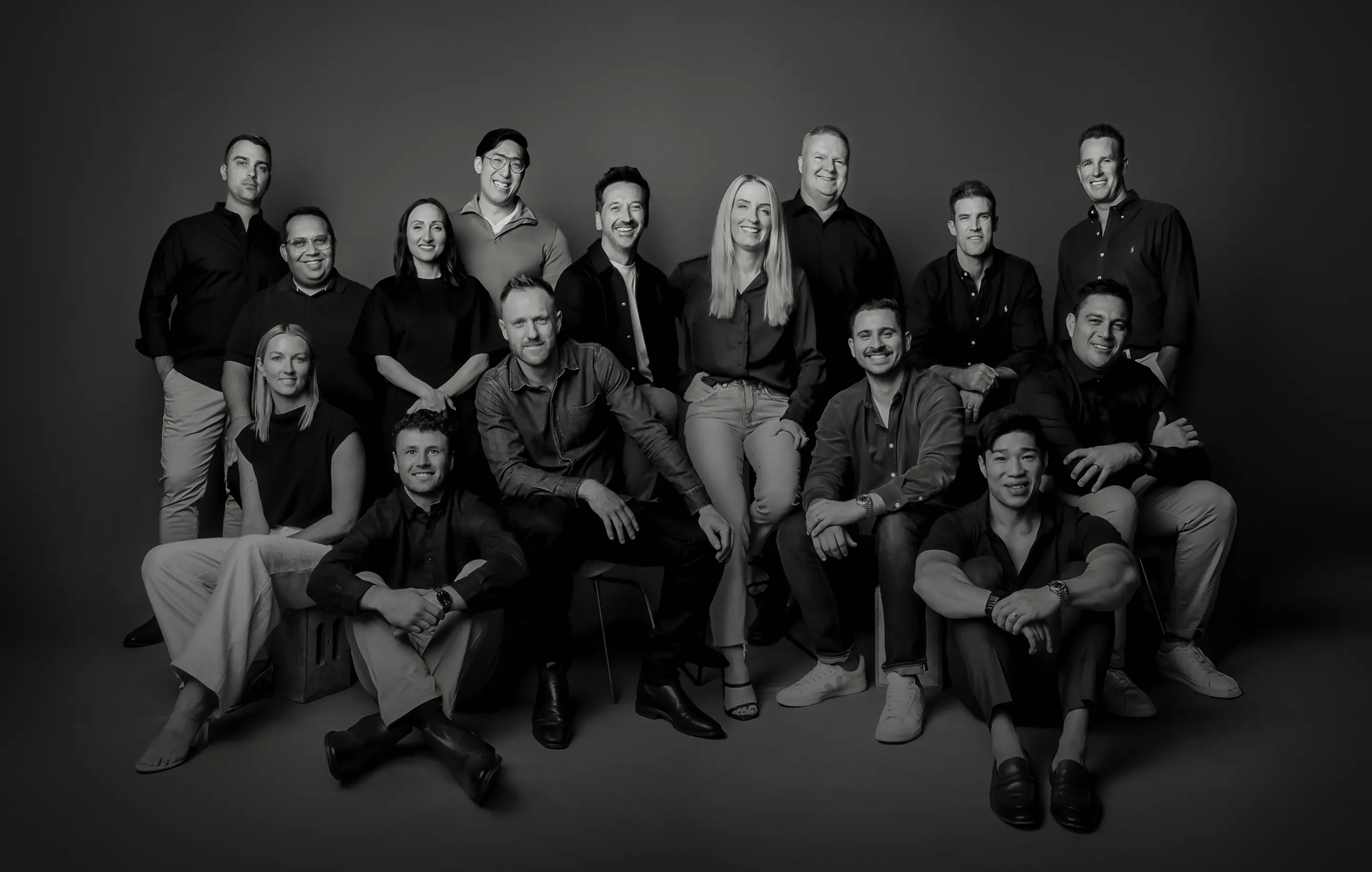
Veronica MorganIn this episode, we're talking with Thomas McGlynn from Breswick Whitney, and we're going to explore real estate from the perspective of the agent and auctioneer. How is it that underquoting is so widespread, even though there are laws that make it illegal?
What tactics do auctioneers use to get more money out of buyers than they thought that they would part with? And will it ever be possible for the general public to view real estate agents as honest and ethical? Welcome to the elephant in the room.
This is the podcast where we love to talk about the big things in property that never usually get talked about. I'm Veronica Morgan, real estate agent, buyer's agent and buyer's agent mentor, co-host of Foxtel's Location, Location, Location Australia, author of Auction Ready and co-host of Your First Home Buyer Guide.
And I'm Chris Bates, mortgage broker, recently ranked number five in Australia out of over 18,000 brokers in the annual MPA Top 100 Mortgage Broker Awards. Before we get started, I need to let you know that nothing we say here can be taken as personal advice.
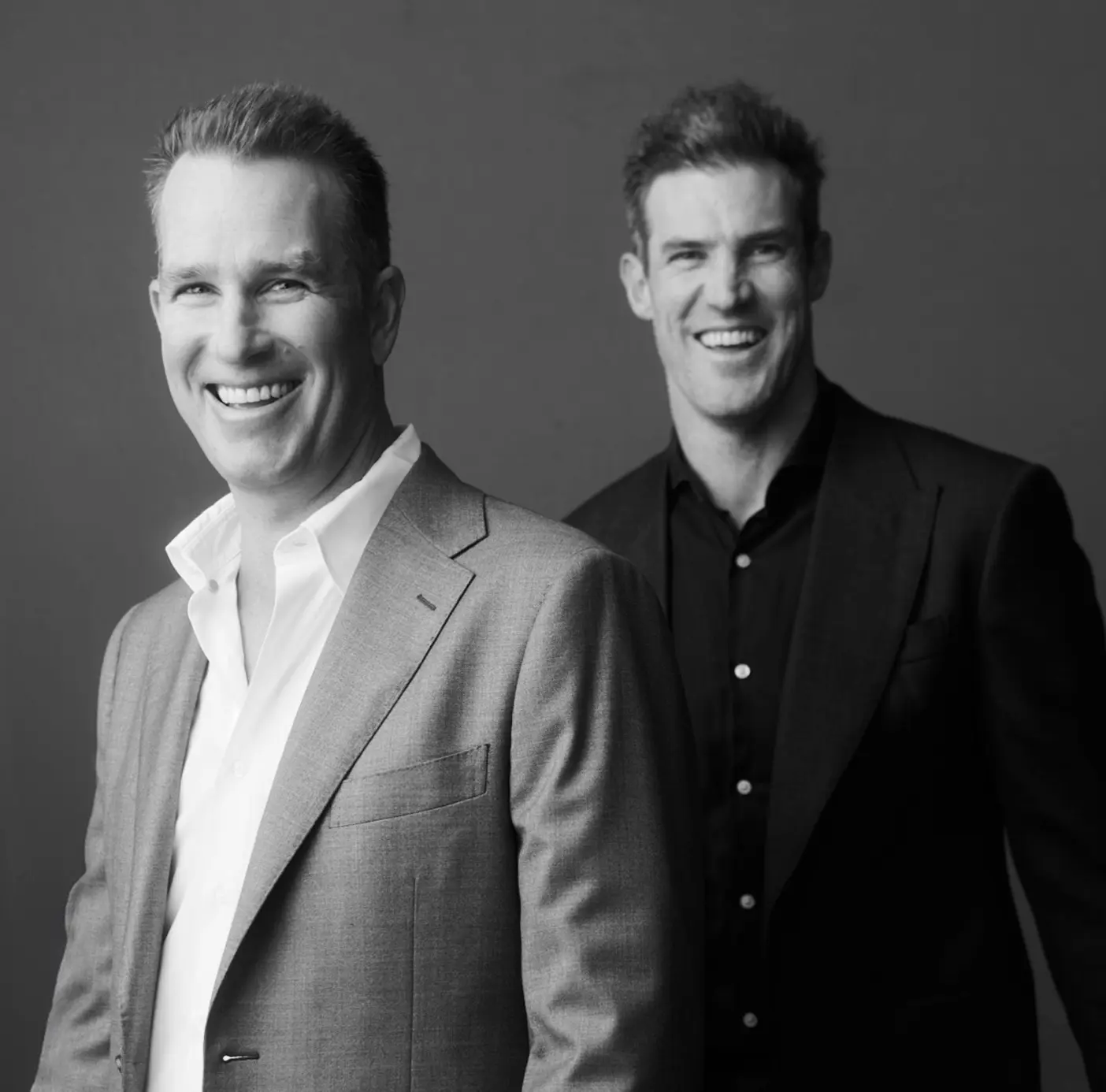
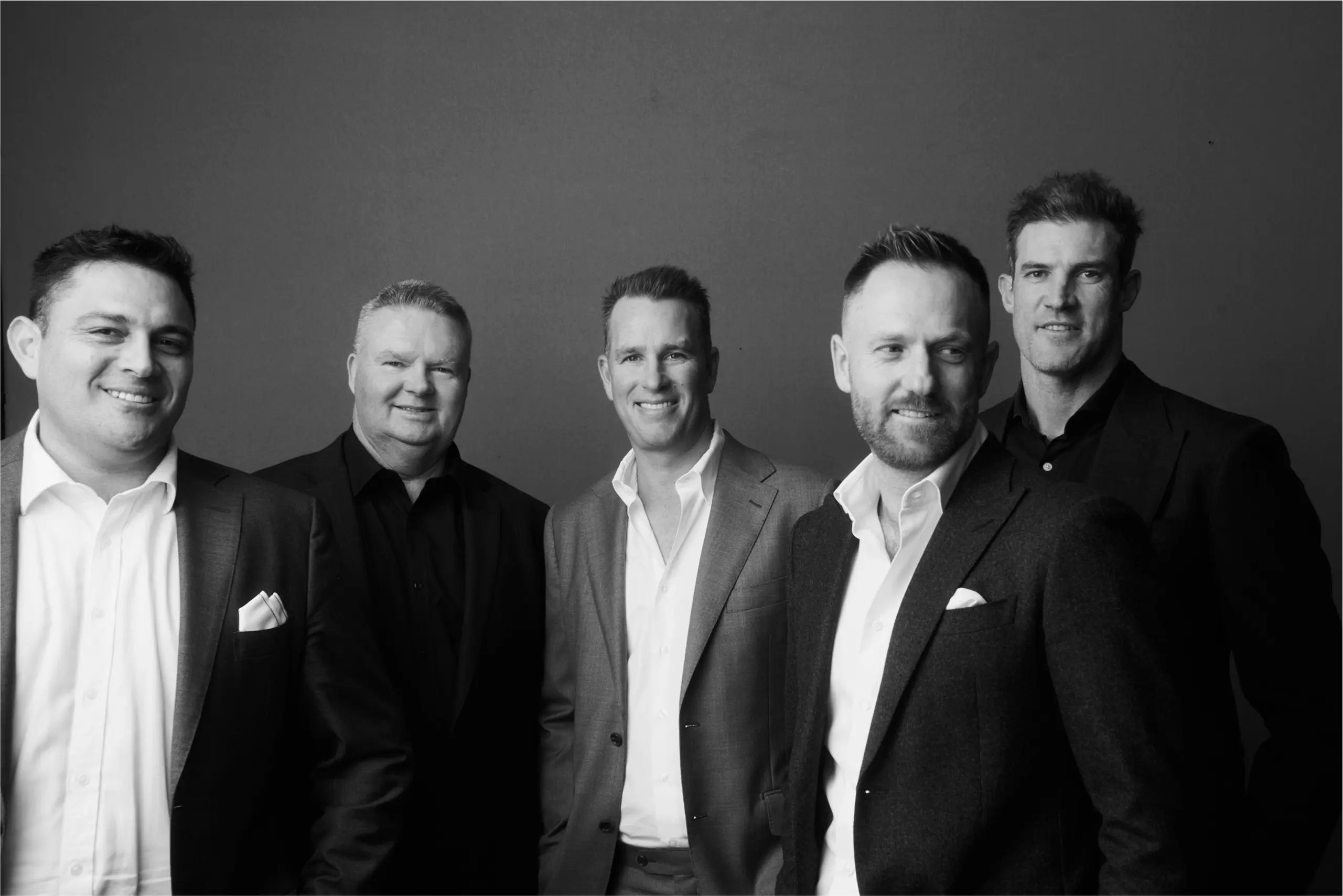
We always recommend you engage the services of an appropriate and experienced professional. Our guest today is Thomas McGlynn, CEO of Sydney-based property group, Breswick Whitney. And in some quarters, Thomas is regarded as the voice of Sydney property.
He is an authority on not only present and emerging market trends, but regularly draws on his robust auctioneering insights to communicate the conditions that are affecting the cold face of the Sydney property industry to help educate, inform state and national audiences. Now,
I enjoy sort of jousting with Thomas sometimes across the auction room and really appreciate you joining us today because I know that you are up for a robust discussion and I think this one will be one. So over to you.
Chris BatesThanks for having me.
Thanks for having me. Welcome.
Thomas, it's good to finally meet. I've seen your name around the traps and, you know, Breslin probably do the best marketing in real estate, I have to say. So hats off for your work there. But I mean, I always like to, everyone's got different views in the property market, right?
And because we all come from different perspectives, different histories, we see different things. The auctioneer's one is always an interesting one to get insights into. What do you think you see that others don't by, you know, being an auctioneer for so long?
I think the biggest thing, if you're looking at What happens in the market is that generally the way that things are reported, they're 30 to 60 days behind.
And I think that when you're at auctions every single day, well, not every single day, but most days during the week, you actually get a really good insight into buyer behavior, seller behavior, agent behavior.
And I think that being at the coalface does help you understand the way the market's shifting and moving. And I always say to our team, there's a difference between product knowledge and market knowledge. Product knowledge is understanding the architecture, understanding the benefits of a property, the limitations.
But market knowledge is being at the coalface and understanding what buyers are actually doing and what sellers are doing as well. So I think that that does give me a really good understanding. It also, for just from a Breswick Whitney point of view, I think it really allows me to
help educate our agents on what they're doing really well and what they're not doing well and you know not everyone's perfect and i think you know we're always looking to educate improve so that also helps me from a business point of view yeah because on that you know auction day you can see whether the seller's really prepared for the sale and how prepared are those buyers and you know have they done the legwork to get it ready and what could they have possibly done i mean what are the
You know, as a broker, we see it similar. We probably see it a little bit earlier in the buyer journey, like people when they're getting in the preparation stage, you know, I'm thinking about a rental or an upgrade or, you know.
But what are the things where you're tracking, you know, obviously bidders or bidder numbers is one, but what are some of the other things that you personally really like to see to give you that real sense on the direction or the confidence in the market?
It changes and ebbs and flows at different points of the market. People once looked at contracts that were downloaded or requested, but then we make all of our documentation freely available on our website. So we get lots of contract downloads. So I don't know if that's a real indicator, but it is one.
I think it's like a mixture of things. I think the amount of people that are walking through properties is really important. I also think the amount of properties that are passed in on a vendor bid or a real bid, because that's one thing that people don't see.
They look at clearance rates and they think that's the barometer of whether or not there's success in the market. But sometimes, and Veronica would know this, she might be the highest bidder at auction and it passes in because the seller wants too much. And they want above the market.
And that gets reported as a failed auction. But in actual fact, there was a willing buyer willing to buy that. And that shows that it's actually a good market.
So I tend to, when I'm thinking about, when I'm talking, say, with the media around what the market is doing, I like to look at how many things are being passed in on a vendor.
or genuine bid. I think that is really interesting. And I also think the number of registrations is less important than the number of active registrations. I think that's really important. Yeah.
Veronica MorganYou don't publish that data regularly, though, do you? I'm sure you're tracking it. Coolies do. I mean, they don't actually publish the active registrants. They do publish how many registered. They publish how many bids. Right.
And that more granular data is much more interesting than pure auction clearance rates. And I 100% agree with you.
And I say this in every little market video I do, that the clearance rate isn't just the barometer of buyer interest, it's actually the barometer of how willing the vendors are to meet the market. And that can sometimes be, you know, the market's running ahead of itself.
It's like, you know, it's too hot and owners are actually overly greedy. And that's when things can start to turn as well. So it is interesting digging a bit deeper there.
You know, let's talk about underquoting for a minute because I know that agents are in a rock and a hard place when it comes to underquoting because whenever any agent, one agent in a marketplace goes low on a particular property, then...
you are forced as a selling agent, you're forced to look at how you're guiding whatever property you've got that competes with that other property and having a really hard conversation with your owner about where you're going to guide it because you know you're going to ruin a campaign if you continue to do whatever you were doing.
So I fully understand and appreciate the challenge that agents have with underquoting. But what are your thoughts on this? Because And I will say this upfront that you guys actually have a reputation in many quarters as being chronic underquoters, right?
But I could also look at that and say, well, your guys are actually really switched on in terms of what actually brings more buyers through the tour. And you're looking after your vendors' interests. So there's two ways to look at this.
So tell me, I guess, what does Thomas McGlynn think about all of that?
Chris BatesWell, I guess the first thing is we're the only company that I think more than 90% of all of our properties have an advertised published price guide. So I know for a fact that our agents have a conversation about price with our owners.
And the unfortunate part of that is that sometimes also the changes in the market make it difficult to be able to land on exactly where that is.
And sometimes by the time that you found out that it may have been too high or you may have gone in a bit too conservative, You know, they've already had 30 or 40 people through the door and that competitive process starts.
Or you may have had, like I was in our Hudders Hill team this morning and someone thought that they, I thought, look, we've priced this in a way that I think that we're going to see a lot of interest and all of a sudden it's three people through.
So I think that for me, the one thing that I would like to see is, and I know you've been quite vocal on this, I do think there probably needs to be some changes in a legislation point of view.
I think that Victoria do a better job with regards to the fact that everyone has to state what price is on their agency agreement.
And I do think there could be other things that could be done. The challenge is that real estate doesn't come with a recommended retail price and sometimes it is easier to understand where it should be and other times it can be quite difficult.
The big thing that I don't like is the no price auctions because no one's had a conversation about price, not the seller, not with the
So a seller goes into the situation wanting a huge price and the buyers go into it wanting to buy it for a really low price. And that, I think, is where we get a lot of damage with consumers.
Yeah, because you create excess demand because they're believing they're going to have more and more opportunity and they get blown out. They're just going to waste their time on costs and pursuing properties of rabbits they're never, ever going to catch.
And then they get disgruntled because they've just lost six months going in circles.
Yeah, so the process, and you see it a lot, Veronica, in terms of you're out there a lot and
We, contrary to obviously what you just said, we probably as a business spend more money as an independent business than anyone else on compliance, on leadership, around making sure that our comparables are right, ensuring that we're getting things right.
And we attempt to rectify things pretty quickly, but it can be quite an emotional period, both the buyers and sellers, and there's black and white and there's gray. And sometimes it's difficult for agents because you're managing gray with owners and buyers too.
And what I want Our buyers who engage with Breswick, we need to know is that we have had an upfront conversation about price with Kona. We haven't shied away from it. And that's something we really try to do.
But I certainly think, Brian and Guy, I do think that there are some changes that are needed in actual fact.
We welcome some of those changes that are potentially being tabled that should come in. We actually really welcome them. We would love to come to the table and discuss things that we see that could be done. Yeah.
Well, I mean, it's just a lot of work that you guys waste, right? Sure. You know, if I'm a buyer that thinks I'm going to have a crack at this, you in your head go, you're not, but I wouldn't mind you rocking up to the auction to give a bit of social proof.
It's a lot of work that you've got to potentially answer their calls and, you know, is it that some of the benefit? Yeah.
Well, I personally, if I go to an auction and it's something of ours and I feel that there's someone, and this is something, and again, I take the feedback on and I take it directly.
I always say to our agents that if you know someone is categorically not going to be a chance, like you categorically know, You need to speak to them before the option and let them know, just want to double check, are you able to extend to maybe a number here?
If not, if you're still thinking that number, I just don't want you to go through everything. Now, at that point, they go, no, we'd still like to come. Yeah, okay, well, that's your decision.
But if you actually have said that, now, I am not a big fan and... This happens a lot, and when I go to our meetings, I will say to our team, having 10 or more registrations, I personally don't.
Veronica MorganI don't like it either as a buyer.
Chris BatesYes, but the reason why I don't like it is that there's probably a good couple of those people there that we could have had a different conversation. Now, the reason why that conversation doesn't happen is fear.
Fear that you say something to someone, they don't come, the other buyers don't come, and then the owner hears that you've said to someone, I don't think you should come, there might be interest above that. And then all of a sudden, you know, I've seen it happen. Owners get very frustrated with agents.
And also sometimes things end up selling for less than the agent thought and a buyer might get upset.
So I think that's the thing with this whole situation is that it's not black and white and it is, and I'm not sure exactly why, what piece of legislation could be changed to make it black and white.
But I still think there are things that could change that make it probably better than what it is right now. The big thing is you do not want it to be what happens in Queensland, where the agents say to buyers, I am not permitted to tell you any sort of price under law.
And I've worked in Queensland in a past life of mine in leadership positions, auctioneering it. that actually creates a lot more confusion than what we have right now.
Veronica MorganI 100% agree on that one. And I will say, interestingly enough, though, brands get these sort of perceptions around them. I had somebody, I'm not sure if it was this podcast or actually your first homebuyer guide,
And we had a guest on, it must have been your first time by the way, who was telling a story and they said, oh, it was a Ray White agent, they always under quote. And it might've been Ray White, it might've been Randall Horne, whatever it was, they picked a franchise, right?
They said, they always under quote. And I went, well, that's interesting that your perception is that that brand always under quotes because that brand is consisting of a bunch of independently owned businesses that all operate quite differently. And so, but the perception in the buyer's mind is such, and same with Bressie Whitney.
I will say though, and this is just from anybody who's out there dealing with agents and not having a buyer's agent who's experienced dealing with the agents, that not all agents follow the same procedure or process when they're actually marketing a property. And
And usually with a Brescia Whitney agent, they might start quoting it low, but they will then start ratcheting up the buyers and ratcheting up those conversations around price. And I've experienced that and I've seen that in action. So that is a different way of going about it.
And it does mean that the guide is adjusted throughout the campaign. And that is actually part of the intention that's built into the law as well. I know that some agents out there will actively avoid having to adjust their guides. I'll discourage offers. I'll do all sorts of things to change that.
So it is a messy system, and I think that there's far too much flexibility within it as well as not being adequate.
So if we can stick on the auctioneering thing just for a bit, because I do want to talk about things like agent databases and sort of what's going on, I guess, in the minds of agents when they're out there pitching for business, et cetera, et cetera.
But how do, what are some of the tactics that auctioneers use to get more money out of buyers than the buyer thought they would part with? I mean, I've got a bit of a theory on that.
Well, I know that buyers go to an auction, like you said earlier, that the owner wants more usually than it's technically worth and the buyer wants to pay less than it's technically worth. So you've got that going on.
But I do know and I watch people and I watch auctioneers extract money from people when they're saying no, when they're just exhibiting every bit of body language that they've actually over, they've gone over what their limit was.
And I watch with wonder as I see some auctioneers can extract more money with them. Tell me, what is the secret of a masterful auctioneer in this? What are you doing?
Chris BatesLook, I would like to think that I've taken a different route than some of the other auctioneers, particularly in Sydney, where I try and build a relationship and a rapport with people.
And it's like, we've had some good spas before, Veronica, but I've, you know, especially when you have your, you know, your really interesting bid numbers and situations.
And I've tried to see that as a challenge to go, I need to be better because, you know, that's something you're trying to be better and do what your job is. That means I need to be better. That's not your fault that you're doing what's right for your clients.
And I personally have always felt that
if you are kind and you're polite and you try and do the right thing by people, then you're more likely to get more money. That's always been my philosophy. And I try and instill that into our team, not only just auctioneering. And so generally it's worked.
I had an auction in Hunters Hill on Saturday where I had a conversation with the buyer prior to. They tried to open at a fairly low level and rather than me make them feel bad,
I had a public conversation with them, but it was an eye-to-eye conversation with them that was actually just quite constructive. And I asked them if they'd consider a different approach rather than saying, no, you must do this, and then ignoring them.
Veronica MorganDid you use that language, Thomas? Did you just say, I'm just wondering, would you consider a different approach here?
Chris Bateswell i actually did i said would you consider a different approach because we both know the properties work a lot more than that and you know i feel that you want to buy the property and i i would like to think that you could reconsider it and i said i'm going to give you a few moments and then i came back and they they they started at a much higher level now um
you know, again, that's come, that's come from a point of view where I've been faced with some situations previously where, um, I've been asked in a situation to not back certain offers by the agent at fairly substantial properties.
And I had to learn to do things like that in a way where I can still kill people with kindness and have strict rhythm. And, um,
I think that's my philosophy. Others have different things that they think work, but I think if you're looking to influence people, you're going to influence in a much greater way if you come in it from the right place.
Thomas, you would have seen thousands of options, right? And, you know, you see all sorts of... And you see over a long time as well, right? It's not just, you know, in the last 12 months. I mean, Roderick's probably going to like the question, but what's your thoughts on buyer's agents?
And, you know, in the last few years in particular, it's been a...
a turbo charge at the numbers um and you know with that um a new breed of buyers in the industry and how do you feel like they're they're going as an industry and um how do you feel like that how they're performing for their clients um obviously there's always going to be goods and bad ones but just generally observations well i think in the early stages i think that was
You had people that really wanted to be buyer's agents and came at it from a angle that was super genuine.
And I think that buyer's agents are going through the same thing that real estate agents have been through, which is all of a sudden it's just opened up and there's a lot of people trying to do it.
And what happens when a lot of people try and do it, it means that standards probably go down a little bit. And I would say that there are some buyer's agents that are very, very good and that have a really deep understanding of driving a great outcome for their client.
And there's others that they want an outcome, but it's potentially not the best outcome for the client. I personally also believe that there's a big place for buyer's agents. I think not everyone has the ability to understand market knowledge like I talked about earlier and a good buyer's agent understands.
They would also probably have been at other auctions before. They know the current active buyers that are in the market. They know where they've seen them bid up to before. They can give good advice on bidding strategies. They can give really good advice on
properties that probably look you're going to pay you might pay overs for this but in five years time you're going to be very happy that you did um so i do think there's a really important place for buyers agents but i really think it's it's important for them to think about what they're doing for their clients and are they genuinely you know doing the right thing for them yeah or are they just interested in a deal
We've done 350-odd episodes. We don't like to make it too topical about now, but there's different times in markets. They go through different cycles.
How would you describe in your mind the market we're in now in terms of the phases that you go through in your mind and how you think about markets?
I think between now and the end of the year, we're in a marketplace that people are going to be very happy that they bought at the end of 2025. Because what we've seen is that interest rates, we're currently in the top end of this interest rate cycle.
And I think everyone will agree that next year is not when, but it's not does it, but it's when they start coming down. And Veronica will know this from being out on the ground that
As soon as interest rates start coming down, buyers and people in general just feel this sense of positivity and they'll start spending. And what I've seen is that people still have money. It's just people have not wanted to part with it based upon sentiment.
And so much of Sydney is on sentiment, unlike other places across Australia. It is largely driven on sentiment. You've got generational wealth in Sydney.
And you've got a transference of wealth that has started occurring, I would say, five years ago and is still happening. And so it's really interesting when I speak to economists and I say, do the numbers on how many people have a mortgage less than 30% of the value of the asset?
And you know, in Sydney in particular, in some of the salubrious suburbs, like the eastern suburbs, the inner west, long offshore, it's a high proportion of property owners that have little to no mortgage.
So a lot of the time they are, it is driven on sentiment.
So in terms of where we are right now, from what I'm seeing with some of the, sure there's some runaway sales that are occurring that I think are out of line, but by and large, the clearance rates were very low in Sydney on Saturday.
Our clearance rates are really strong, but overall it was quite low.
And I think that there are, we're in a pocket right now Where I think people who buy now will come out of it pretty good in the back end of 2025. What do you think, Riker?
Veronica MorganYeah. Interestingly enough, actually, because I track domains clearance rates and you've got to pick your, you know, whichever your data is. And I did it, what, 20 years ago. So I'll be using data domain. And so that was 67% last week.
which is in the normal range and balanced market range, but sort of higher than it has been for most of the year. It's been sort of sitting around about that 63, 66 for most of the year. And so I've just, it's been a most normal year for me.
It's like, you know, really good properties, very competitive still. Your ordinary properties takes a bit longer to sell. That's just the normal, you know, coming into spring. So we're recording this sort of midway through October, probably go to air maybe early November. Things could have changed by then, as you know.
So when stocks start swelling the market, there has been a lot of stock coming on the last few weeks and it's starting to not sell all of it. So therefore, the total stock numbers or total listings are actually swelling a bit. And so, yeah, that does bring opportunity for buyers. And I will...
Probably die one day still saying this thing and still not being listened to, which is spring is a great time to buy property in Sydney's most years and into the next year when February comes and there's low stock.
There's lots of more buyers and fresh energised buyers and clearance rates go back over 70%. People will be thinking, oh, God, I missed my opportunity. And I'll say it again at the end of 2025, no doubt, and so on. So I agree with you.
And I think, though, that there are some different conditions that everyone's expecting interest rates to fall.
You know, things can happen that mean they don't. But, you know, the odds are that they will, in which case, yes, that's going to swing sentiment. You're absolutely right. I agree that that is what drives the inner Sydney market anyway. Certainly outside that 10K radius, things may be a bit different.
Can we talk about agent databases?
Because you talked earlier about at auctions, you know, when you've got – I know as a buyer's agent when you're a local specialist, another reason why I always recommend people if they're going to use a buyer's agent, does use a local specialist, you get to know the agents, how the agents work and operate.
They all operate differently. You get to know the auctioneers and, again, how they operate. But you also do go to auctions and see a few familiar faces and you get a bit of intel sometimes from the agents as to what did that person bid on and all the rest of it.
But the agents themselves, you guys, technology has just gone ahead leaps and bounds since when I was a sales agent. Actually, when I first started, we literally had two laptops in the whole office shed. That's really showing my age. But now, everyone's got everything on an app on their phone, basically.
You've got an incredible dossier of information on buyers. You know, when they download things or make inquiries or bid or make offers or whatever, I mean, you get to share that.
I know that some agencies will, you have siloed databases, the individual agents will work their own and they don't share it with the greater business, but yours is one that very much has an open database.
I'd love to hear from you, I guess, the pros and cons of these, but also how do you manage an open database within privacy legislation? Because there's so much intel now that you guys have on these buyers.
If they just thought for a moment, they'd probably realize how much Intel you've got, but you do have an incredible amount of Intel.
Chris BatesYeah. I think for us, it was a strategic decision to sell within a condensed area. And we're a little bit different in terms of we only have one ownership group, one entity. We're not broken up of all different ones. So
And that makes it a lot easier with regards to your data and data collection and everything. And the policies you have, you don't have to have all these different policies. So we made a decision on that because it is important.
I think that because we work such a close geographical area, so that 10 kilometre radius of the CBD, We tend to follow the migration of buyers, not just within the localised areas, but across the areas. So that could be east to inner west, inner west to longshore, backwards and forwards inner city.
I think at the moment we have about 11% to 15% total market share within a 10-kilometer radius of this DBD, which might seem low, but it's actually quite a lot. And in certain parts of the market, we're anywhere from 20% to 40% market share.
Now, that tends to mean that we know most of, if not all of the active buyers in it. So when you think about that, to provide value to them, they need to be informed regularly with active things coming to them.
And if you don't have an open database, it's very difficult to do that. Very difficult.
And so the other thing to consider is I firmly believe that a high performing real estate agent is transparent, which is not something that often people associate with high performance.
Veronica MorganI'm on a personal mission to help more people make better property decisions. And you can find out all about what I'm working on at veronicamorgan.com.au. There you will find resources for first home buyers, details about my buyer's agent mentoring program, information about my newest project, Preferrental,
proactive property management in sydney or if you're looking to buy your dream home or investment property in sydney's inner west eastern suburbs or lower north shore you can connect with my team at good deeds property buyers and if you'd like a 30 discount plus free postage my book auction ready how to buy property at auction even though you're scared shitless and yes i'm a potty mouth use the code elephant at the checkout
Chris BatesIf you're looking to buy your first home, thinking of upgrading to a new home or purchasing an investment property anywhere in Australia, we would love to carefully guide you through this journey and importantly, get the finance right. Please reach out to myself and the team at flingroup.au.
The reason why I say transparency is key, because if you have transparency, it's a lot easier to move with speed to deliver information to
And so that means that we have one system that checks people into open for inspection. So that simple one strategy means that you can be a buyer that goes through one open for inspection in Balmain and then go through one open for inspection in Paddington that same day.
And you give your mobile number over and you're greeted by your first name and what you've seen that day by the agent. You don't have to go through the whole But I've already given my number. I've already given my name. I mean, you know everyone, Veronica, so it's okay for you.
But the people that haven't been out there, and that then means we're able to have an understanding of what their budgets are. So they don't need to be asked 10 times by 10 different agents in the same organization. The information's there.
We already know the information and we can start off conversations a lot more smoother by saying, look, last time you engaged with us, I can see that you had a budget up to 2.2. Has that changed? Oh yes, that has changed. We've now got a budget up to three. Okay, perfect.
We can now show you different property. So that's why we think it's important. Managing it is like It's sort of like culture and organization, which it is culture, but you've got to work at it constantly and you have to talk about it constantly.
And that's something that we really strive on behaviors within the database and things that you're doing.
And we call out good behavior and we call out bad behavior. So that's something that happens actually regularly. So that's how we try and maneuver with it. But it does work. It is important. That's why so many people say they like receiving information from us because it's relevant.
And it feels like our agents...
know um and understand the the um the things that people have already said to others before it's because we we simply just make a note of the information when we speak to people gee i was going to ask you a question around um you know obviously domains and real estate um
They get paid on listings that are agents, you know, mortgage brokers through transactions, the whole, you know, food chain, I guess, in the property world. But transaction numbers are dropping as a percentage, right? Our turnover rate is dropping, you know, and how are you as a business sort of
Yeah, I mean, people absolutely got aspirations. I'm in this home, I'm on this street that's got buses driving past and it's dark and cold and I'd love to upgrade. But ultimately, the ability for them to do so is actually getting harder and harder, right?
The gaps between the good and the poor properties and the charges with borrowing capacity. So how is the business in a lower...
turnover rate world um you're chasing the right listings and and how do you manage that as a business where yeah okay you got 100 potential sellers but how do you dig a bit deeper to go well let's let's let's cut this up and these are really the people that are likely to sell in the next five years well
Yeah. You simply have to have, in a lower transactional market, you have to have a bigger market share, which means you need to invest in one-on-one coaching development with your people. You have to really invest in culture. You have to invest in good digital strategies. Yeah.
And you have to have a clear point of difference. I mean, that's why, like for us, for example, we want to be, we set out to say we want to be Sydney's leading property group.
Um, and part of that also is we want to be the leading digital destination for real estate within a 10 kilometer radius of the CBD. Now that doesn't mean we want to be like everyone else, but we want people to engage with us long, long beyond, um,
When they bought or sold, we want them to engage with us through the just everyday life. So that's why you'll see a lot of the things we do aren't just transactional things. We try to be your own. You know, the ego of wanting to put all of your results up in light.
We like to report information more than results. And it's why you won't see our Instagram full of real estate agents high-fiving at awards nights and all those different sorts of things. Not that that's anything wrong with that. It's just not us.
And we want people to come to breastfeedwiki.com.au and get things there that they wouldn't get on the major portals. Yeah, okay.
All these different sorts of things. People actually do go to bw.com.au to look at property before they go to domain. And that's proven because sometimes our properties get more views on our own website in the first two to three weeks than what they get on a major audit.
Veronica MorganThat's really interesting.
Chris BatesYeah. Yes. Now, that's a major point of difference for us.
And you can only do that if you have a collective real estate team working together across different areas, sharing information, being transparent with one another about new listings coming on, about buyers that have missed out on other properties and, hey, we've really got to help this person.
Let's share their details so we can find them something rather than just hold on to them. Yeah.
So real estate businesses in general are going to have to get better at their points of difference in a lower transactional market because you cannot now go to a client and say, list with us, but then say exactly the same thing that everyone else is saying.
And the only difference is the colors in your logo or your branding. So that's like a podcast in itself, if you want to go down those. Yeah, yeah, yeah.
In actual fact, because I know a lot of consumers might listen to this podcast, our strategy of saying that's who and what we want to be provides, I believe, a huge amount of value to the consumer, namely the buyer. Because this whole process starts with buyers.
And that's lost on some real estate agents sometimes, you know, the notion of how all the listings hold the market. Well, that works maybe for a little bit until you've won everyone. And the buyers who bought that one are then going to list with you. Right.
So that's something that we feel does create a big point of difference. And I do think that agents do impact the market a lot with regards to the way the market's operated. Because if you've got a bunch of agents that don't know what they're doing, that slows the market. Oh, 100%.
But if you've got educated agents, like I often say that the main reason why an auction doesn't sell is not a buyer, not a seller, it's the agent. Yeah. Yeah.
Veronica MorganOh, yeah, I'm absolutely with you on that. And it's interesting these talk about high performers are transparent because that's something that's a challenge in the real estate world. It's a challenge for lots of reasons. One, you know, from my point of view, one is that not everyone is necessarily honest, even the vendor.
or potential vendor isn't necessarily honest, you know, they'll say, oh, I want you to tell me the truth, what's my property worth for argument's sake? And, but they don't really want to hear the truth, you know, you want the truth, you can't handle the truth. There's a lot of that going on, right?
So it is a struggle, I think, for, I mean, it's a lot easier for me on the buying side of the equation, put it that way. to lean into that transparency than it, than it was, but it's a long time ago for me anyway, when I was in sales.
So what does it really take for an agent to get to the top of their game and just stay on top? And, and is it changing? Because typically the, some of the people that are at the top are like, they're like machines. They're not like human beings.
You know, and I sort of look at these personalities, you know, with interest. But what do you think? And is that changing?
Chris BatesWell, it depends on what your top is, isn't it?
Veronica MorganWell, yeah, good distinction there.
Chris BatesYou know what I mean? And I think that's really important to understand if you're an agent. And then once you can understand that, you can then start putting the things into place that are going to help you
And not get you to a point where you get to the top and then you burn all of your relationships, you burn yourself.
And a lot of the time, there's many examples of this happening where agents become a shell of themselves based upon just not treating themselves in the right way, both mentally, physically, all those different sorts of things.
So I think that the agents that want to hold the greatest market share, if we want to go there and sell a lot of real estate, have to be able to now transition to becoming leaders.
And that's something that generally sales agents, there's not that many that make the leap from being someone who's got a lot of talent and a lot of potential into them being a great leader and an agent at the same time.
But that's changing because the best agents that are able to still deliver great outcomes for both their buyers and their sellers, and not just great outcomes, great experiences, they have to have people around them.
The speed and the expectation from clients now is far greater than what it's ever been. The process is not that different in terms of what you classify being A-grade versus C-grade. But the speed in which you've got to deliver that is a lot bigger.
And you need a team around you to do that. But to do that, you need to be able to then be basically an entrepreneur. So you need to know how to hire the right people, onboard the right people, treat them well, educate them, lead them, all those sorts of things.
And I think that's really important because I think a lot of agents get to a certain point, they burn out, they crumble, and they're going to rebuild their career again. And I don't think that's I don't think that's productive. I also think that
more and more people are understanding that the personal mental toll it does take dealing with a quite emotional transaction. And I think this happens for the best buyers agents too, not real estate agents.
Dealing with at the height of someone's, you know, when people have got anxiety, stress, they're extremely emotional, you take it all in. Unless you holistically are looking after yourself, it bottles inside. And if you don't have an outlet for it, It can turn quite toxic.
And most real estate people, their outlet then becomes drinking, drugs, bad addictions, all those different sort of stuff. Some real estate agents, it's most people. Yeah. So unless you've got something healthy that you're doing, I think that it can get quite toxic.
I think that there are things now that are non-negotiable. Like if you don't have a good attitude, you don't treat people with respect, you don't have good ethics and basically just do all the things that generally you should be taught when you're going into kindergarten. Yeah.
I do think you get found out pretty quickly. Now, sure, there's a bunch of people that are still not great, that they're still in the industry, and that's not great. But by and large, a community, and let's not forget we're part of these communities, a pretty essential part.
We like providing and facilitating shelter. So people get chewed up and spat out pretty quickly. Right. So, I think that's really important.
And I think it's something that I think different people now realizing that they're having to be different people and they're having to go out and seek different levels of coaching to be a better real estate agent. It's not just about the transaction anymore.
Yeah. I mean, we can see that absolutely, the broking world. I mean, and it's a journey I've had to go on, if I'm honest. Soul broker with a small team, then you had to keep going.
It was like, I've got more and more time with my team and making sure I hire the right team. And that's a journey I absolutely have to go on. And I think with the real estate, is that something that Bresnik are looking at?
Have they actually got all those, like you say, kindergarten standards? But ultimately, they're going to grow into someone that is going to be a leader because if not, their competitors are going to do that, right?
And if you haven't got more and more people who are wanting to work for you and help you with the client experience, you might be equal today. But the one who actually makes that leap to that leader is the one that actually consistently takes that next step. Is that right?
You know, I can see it in the broking world when I look around, you know, brokers that were similar before that didn't want to grow the team. Oh, more people, more problems. And they're sort of stuck on the tools and you're like burnout, mental health, health all starts to kick in.
And so they inevitably have to go on that. Does that somehow Bresic do that in terms of the way they're looking for agents?
Yeah. And I've made a conscious effort to build a leadership team that has people within it, that that's their job, their main job. used to clear the runway for those agents and help them with their team and support them. Different ones need different support.
And so I've always said, and I think, Veronica, you might have heard me at a conference or two before talk about this. If you're a business owner and you recognize that your people have these challenges, some will learn and they'll do it themselves. And some just don't have that in them.
That doesn't mean they can't still be great if you give them the right support. And if you can't personally do it as a business owner, you need to employ someone that's job is to
I was actually at a, um, awards high five. They wouldn't have actually lost. Uh, there was a, uh, last week and, I was chatting to an agent who was there.
Um, who was, you know, not the one, all the top dogs, um, but was working for one of the top dogs in, in Sydney. And, um, You know, I think the undercurrent tone of that conversation was still concerning. There was a, I'll just sell real estate at all costs.
You know, I'm here to make money. You know, and I think that, how do you feel like that is still prevalent in the industry where... And to be honest, it was like workaholic and really narcissistic conversation. And that's obviously coming from their leader.
But they're also encouraged to hire that person because That guy would have been a good worker. He would have been peddling the pavement, been sold the dream, and is working for the top agents. How do you feel about that? Because they're brewing...
They have got a team, but they're brewing the wrong team of the next generation of age and is a carbon copy of what got them to the top. How does the real estate world digest that?
I hate hearing that. Deals at all costs. Yeah. I just think there's so much. There's just like... And I think in any industry, there's always going to be people that have that philosophy, which is that always be closing philosophy that they just absolutely love and they try well for it.
I think a bit of what's got to do with ego and immaturity. Yeah. I know for myself, I really try on anyone that I speak to and that's why I've taken upon myself to do a lot more speaking engagements and be involved in industry things to try and say, look,
You have to at least come from a point of view of wanting to improve the way people think about our industry.
And I often say to our team, the right thing is never the wrong thing. And a lot of it comes down to leadership.
I always say leadership is our biggest solution and our biggest problem or challenge because with lack of leadership and people calling out things, people just keep going on the same journey. I mean, I don't like hearing that. That's not great at all because you're dealing with it. lives.
And a lot of people are making these decisions. I read something the other day that there's a big portion of the population that are currently spending everything they earn on their mortgage.
So you're dealing with people's livelihoods. And I think that's lost on some people. And sometimes, I'm not sure if it was an eastern suburbs agent that you met who said that, but sometimes I think in certain pockets of Sydney, it's a bit of a bubble and people forget that.
And, you know, I'm lucky because I've worked in most of the markets across Australia and I've personally experienced situations where I've had to ask people whether they need to sell because if they need to sell, we're going to have to sell at a price that's half of what they paid. Right.
And I don't think a lot of agents in Sydney would know what to do.
Veronica MorganNo. It's interesting. I was at a conference in September and I met a fellow there. He was an agent.
I won't say where, but it was a well-known area where there's huge supply of units and a massive proportion of those units sold at a loss on resale. And I said to him, I said, oh, and he told me where he worked. And I said, oh. It must be tough.
And he goes, no, I'm having my best year ever. And I went, oh, wow. So things have turned around, you know. People are starting to make money now. He went, no, they're still selling at a loss, but I'm just having a great year. And I just thought there was like –
At first, I thought he was sort of joking because he had zero empathy. And maybe in such tough conditions, you need someone with zero empathy to actually push these transactions through. But it was just interesting how he's having a great year.
every single one of his clients will be having a shit year or the and they're probably out of luck to shit 10 years to get them to this point where they're you know finally going to realize the loss so yeah there is the sydney property market is is unique and there's no doubt about it i operate in that and i'm reminded constantly because of first home buyer guide that you know and and and also because i i run a mentoring program for new buyers agents and they do operate in different markets and
And we also get reminded by the viewers. So the viewers and the listeners to this podcast, you say, can you stop doing Sydney-centric episodes? And we haven't done one for a long time, guys. There's lots of other locations that we've talked about. But Thomas, this has really been an interesting chat.
And I knew that you'd sort of wouldn't, you know, you wouldn't sort of have your barriers up and you wouldn't be scared to talk about, you know, what's right and wrong about the industry. So I appreciate that. Did you come armed with a property Dumbo for us?
Chris BatesWell, I think this is like something for everyone to think about in terms of when is the right time to buy and time in market. You know, it's so funny that generally the people that are closest to the market actually make the poorest decisions about buying and then selling.
I remember I got some advice to buy a property –
It would have been 2009 in Malara. And at the time, I was like, what, $600,000 for a two-bedroom apartment? And I was living in Queensland at the time. And back then, $600,000 would buy you a workers' cottage and you farm.
And I said, no, I'm not doing that. And there was someone I really admire who gave me that advice. And literally within six or seven years, that was worth 1.2 million. And I was only a young guy at that particular point. So that would have made a huge difference in my life.
I think for anyone listening, it's sort of, I think, you know, that's been my biggest problem is I think sometimes by this period that we're in right now, everyone that's in real estate always says when the next dip happens, I'm loading up. And then they never do.
And then they're like saying the same things that I just said, oh, I could have bought and that there is now worth this.
And the one thing is, I think it doesn't matter where you are in Australia, like even places like Brisbane, Perth, they're still relatively cheap for how much people value property in this country.
And I think that, I think, you know, if you're thinking about buying, that would be a big one.
And the other thing just to what you were just saying then, Chris, I think that for me, biggest mistake, and it's not just that I've made, but that I see a lot of people making is they have such a short-term mindset with regards to their career in real estate in particular.
And the best agents that are doing it over a long period of time and don't go through these ups and downs, they treat the long game so – they treat it with so much respect.
And for anyone that's starting out, whether or not I could be in the industry in any aspect of it, think about what people are going to be saying about you in 10 years' time. I think that's really important. Yeah. So that's it.
Yeah, no, I love that. I love that last one as well. Thank you, Tom. It's been, it's a good chat. We actually had Shannon on, would have been episode three or something. So say good day for us. We look a little bit different to then, but yeah, thanks and great work at Brassic.
And yeah, thanks for coming on. Yeah, gold. Thanks, guys. If you have a question that you'd like us to answer in an upcoming Q&A episode, you can send us a voicemail or written question via the website, theelephantintheroom.com.au, or you can email us directly at questions at theelephantintheroom.com.au.
If you like what you're hearing, please share this episode with others you feel would benefit. And while you're at it, why not leave us an iTunes review? Five stars would be great.
I know that sounds a bit cringy but we have it on good authority that every review helps make it easier for other people to find out about us and hear what our amazing guests have to say.