Curious about upgrading?

Wondering where to start?

Complex questions that need answers?
Is there a better structure for you?










"They managed to navigate my complex expat income and even got my Google RSU income approved as well."
"I highly recommend Alcove to anyone looking for a mortgage broker who is responsive, trustworthy, and truly cares about their clients. Thanks again to the whole team for making the process such a positive experience!"
"As founders, we're constantly jumping between things so having a partner that handled the details & made the process super clear made the buying process breezy for us. Very happy with the experience!"

“It almost felt like it was his responsibility to make it clear to me, not my responsibility to understand it.”
“I've been pretty much fully leveraged the whole time. So the sounding board on that, in terms of what was achievable, what wasn't — I think trust is just built along that.”















"Alcove has been a great partner. They look after my audience properly, keep things simple, and deliver real value. I’ve got full confidence referring clients knowing they’ll get honest, straightforward advice."

"Property is one of the biggest financial decisions people make. Alcove stood out because they take a strategic approach to lending - helping clients structure property and debt decisions in a way that genuinely supports their broader financial plans."


Adapted from audio. This article is a written adaptation of the original podcast episode. Sources and dates are shown with each figure.

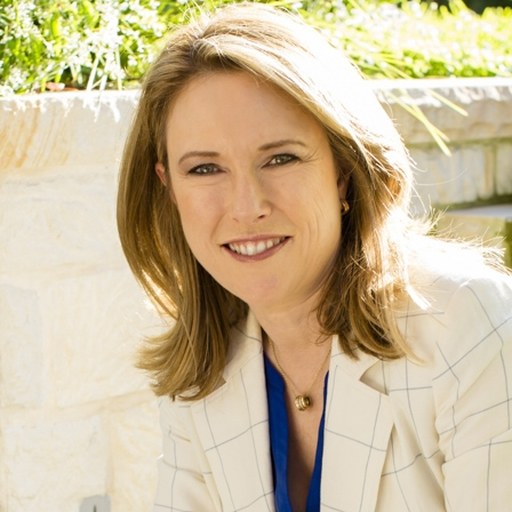
Co-host of The Elephant in the Room. Real estate agent, buyer's agent and buyer's agent mentor, co-host of Foxtel's Location, Location, Location Australia, author of Auction Ready and co-host of Your First Home Buyer Guide.

Terry Condon On Using Money As A Tool, Not A Scoreboard
Terry Condon argues that time, not money, is the resource most people mismanage. He walks Chris Bates and Veronica Morgan through monthly money mapping, why he calls net worth a dirty metric, and a family syndicate that sold the wrong property.
Two people graduate from uni on the same day with the same degree. They both get a similar job in their chosen field.
Now fast forward 10, 20, 30 years, one feels more in control of her life, let's call her Jane, and the other feels like they're still on a treadmill, let's call her Kim. Why the difference? How can we be more like Jane? Welcome to The Elephant in the Room.
This is the podcast where we love to talk about the big things in property that never usually get talked about. I'm Veronica Morgan, real estate agent, buyer's agent, co-host of Foxtel's Location, Location, Location Australia, and author of Auction Ready.
And I'm Chris Bates, mortgage broker. Before we get started, I need to let you know that nothing we say on here can be taken as personal advice. We always recommend you engage the services of a professional.
Don't forget that you can access the transcript for this episode on the website as well as download our free full or forecast report, Which Experts Can You Trust to Get It Right?
Today we want to challenge the notion that success can be measured by zeros in your bank account, or how many properties you own for that matter. That's not to say that money isn't important, but how do we use it as a tool rather than view it as an end in itself?
How can we take control? To explore this topic, we're joined by Terry Condon, Chief Education Officer at Cashflow Co, a money mentorship program and co-host of the Passive Income Project podcast.
He is driven by the idea that financial intelligence and emotional intelligence can enable most Aussies to build a rich life, and we're keen to learn more about what he means by this. Thanks for joining us today, Terry.
Hey, thank you for having me. It's a pleasure to be here. Gary, so good to have you on, mate. I, you know, ex-financial advice. I just love this whole challenging what finance really means and what you, you know, what are you trying to achieve in life and how much does money matter?
But why do you feel that managing money day to day is just so important to, I guess, overall happiness and well-being?
Well, it's one of your three key resources. You've got time, talent, and money. And if you don't know how to allocate your resources effectively, it's very hard to get what you want. Very difficult.
And it's just one of those areas that, for me, no one ever really taught me how to allocate money yet. No one ever taught me how important that would be for being able to make the most of the limited time that I have.
That's kind of the main premise of our whole thing is, like, your time is way more valuable than your money. You never get your time back, but your money, most people make money every month. It comes in every month, you know.
So you've got to learn the game of money to get more out of your time because you don't have that much of it.
It's funny, I was just listening to my daughter this morning on the beach, you know, she was playing with seaweed and we were just sort of, you know, running around on this seaweed, right?
And I just had this, it was this sort of thing like in two or three months we're going to have a second baby, right? And then that moment where it was just her and I on the beach playing is sort of gone, right? And it's gone forever.
And so, and I can't go back to her at that age being a toddler running on seaweed, you know what I mean? And so...
that's so important at that time, you're sort of present or able to spend that time because if I had to rush off to work or, you know, had to do a commute, et cetera, I wouldn't have been able to take you down to the beach.
And so it's so important that, you know, you're trying to, I agree as well, you're using money to create something, right? And whether that's time or whether it's experiences, et cetera, yeah, you can't get these times back. How do you sort of think that people should approach managing money at the start though?
Like, Do you start at your goals or do you start at just getting the fundamentals right? What do you, what's your philosophy?
Yeah, like, I guess our thesis is it's very difficult to make sound financial decisions unless you're very clear on what you want and what that life looks like, what it feels like, what it smells like, what it tastes like.
Because in the absence of that clarity, what you'll tend to default to is what society tells you, which is you just should get more. You just need more, just more, just work harder, do more and keep going. And you're in the grind.
And then it's very hard for you to actually have those moments that you talked about. And I think what a lot of us don't realise is that windows like that, windows like that moment you talked about there, Chris, they are closing on us every day.
And if you're not really intentional with how you spend your money, it's very hard for you to make the most of those windows. And you'll look back and you'll live a life of regret.
And when you look at all the research...
the biggest thing when people talk about on their deathbed the biggest regrets were the things they didn't get to do or didn't try to do and if money is not enabling you to do or have or go after those things that you really want then it's not even it doesn't matter how much you have money has controlled you you haven't really controlled it we know heaps of people that have heaps of money that aren't controlling their money they're controlled by it so for us it's um what are you doing with it how are you using it how is money moving through your life and focusing on how you spend
is the way to actually maximise and optimise your money.
It's one of the risks of getting a mortgage, though, isn't it? Because, you know, in olden days, when I was an employee, I remember some bosses saying to me, we want all of our employees to have a mortgage so that they're trash, you know, they're on the treadmill. And yet... Yeah.
We need a home. We need a house. And then there's the aspirational side of that. And you think, okay, well, if I'm doing well, I want all the trappings of that. I actually want to show that I'm doing well. So it's very complicated, isn't it?
Yeah. So we've got, I guess, like just guideposts or rules or sort of rules of thumb. And for us, we just kind of use these as ways to think about, well, how do you allocate your time?
How do you allocate your money to be able to get the most out of that time you've got here? And it's basically just these kind of more of this, less of that type rules. So the first one for us is control of time versus accumulation of money.
And that is not to say that you don't want to accumulate money, but it's just to put money in its place. Because we like, what I said before, you can always make more money, you can never get back your time.
So you need to make sure that you're using money in a way that allows you to optimise, maximise the time that you do have. The second one is memorable experiences over meaningless possessions. And so when I say that, what I mean is
an experience that you have, a memory that you create, like that moment on the beach that you had, Chris, that's going to appreciate over time. If you call back that memory and you remember it, you're going to remember it more funnily every time you remember it.
So there's actually a dividend that comes from that memory. And the sooner you have some of these memories, the better. So it's not always the case that you should always wait for what you want. Sometimes these windows are closing, and if you don't make the most of these windows now,
then it doesn't matter. So sometimes it's a wiser move in our eyes to spend money now on things that you can't get back later than to always be putting off and delaying gratification in pursuit of this. You know, that whole sort of number, I hit my number and then everything changes.
Like that to us, that's just... Nobody's controlling their money that way. They're being controlled by it. So, you know, it's not to say that you shouldn't buy things or anything like that. That's ridiculous as well.
It's just really trying to, I guess, reset the gauges around how you decide because those choices, they are how you create your life. If you think and you look at your life right now, it's the accumulation. It's the result of the accumulation of choices you've made up until this point.
So if you're not deliberate about these choices, it's very hard for you to create that life.
I bet. It's going to sound quite morbid, but I think I've mentioned to you, Veronica, I've got a countdown clock on my laptop, right? And it opens up Google Chrome. And I set it up, you know, almost three years ago and I had over 18,000 days on it.
And literally this week, it clocked under 17,000 days. And this is like assuming, you know, life expectancy in the 80s. And, you know, just yesterday, I was sort of thinking about this, right? And I was just thinking, you know, that's 5% of my life, etc., on this park bench with my daughter again.
And there was a memory of this guy, right? And, you know, some Jack, let's call it. And he died at 60. And I'm just thinking like, well, that's assuming I've got 70,000 if I went to 80, but you just never know when that day is. And this is where this whole
delay of savers can potentially get themselves into this problem, right? They don't go and experience experience. They don't go on holidays. They potentially don't, you know, go and spend money because they're just sort of trying to accumulate and they're just getting security and then they're so hesitant on investing, et cetera.
You know, there's that problem versus the people who just go and spend money today. So how do you get that sort of balance between, you know, spending in line with your values, right?
But making sure you're not shooting your future self and creating problems down the line where, you know, you potentially, if you haven't got money, you haven't got security, if you get unhealthy or family tragedy or all these sort of things can happen that can completely derail you.
So where do you get that balance?
Yeah, that's a great question. And maybe we can come back to those other two rules later. But the way we do that is we teach people what we call, it's our method of, we call it money mapping.
So every month we get people to sit down and really intentionally decide what they want their money to do for them that month. And that's all in reference to what they said they really wanted. So we're working backwards and reverse engineering the way they manage their money to what they want.
And I guess this is where my background comes in. I'm a coach. I spent the first 10 years of my professional career in elite sport. So...
You know, working with athletes, you really do get to understand the power of goal setting and really understanding how belief and compounding behaviours actually is what creates results.
And so I guess that's what our angle is, is how do we help people compound their decisions, their small behaviours to get those bigger results over time. And part of that is every month making those really intentional decisions, doing it in a way that's not time intensive, takes about 15 minutes.
But by spending that 15 minutes, you don't have to worry for the rest of the month about what's going on with your money. You already know. You already made those decisions. So now you can live your life. You don't have to incessantly be stressing about, where's my money going?
That's the sentiment we hear all the time from people. I just don't know where my money's going. I'm working so hard, but I don't know where my money's gone.
I don't know what's happening with it, and I just feel stressed, and I can't get rid of this stress, and I'm struggling to sleep at night.
So it's making those really intentional decisions. But then the other part or the other side of the coin is then also getting feedback. So what actually happened? What was your intention? And then what was the result?
Because it's actually, it's the gap between those two that you course correct for over time in reference to your goal. That actually is what gets you what you want. Because you are smart. Like people are really smart. Our brains are problem solving machines.
As soon as you see a problem, you're going to try to solve it, right? So as soon as you start to shine a light on what you're actually doing with your money and whether that lines up with what you care about, We don't tell anyone anything. We just show them the results.
We just hold a mirror back up to them and say, this is what you said you wanted. This is what you said you were going to do this month. This is what you actually did. How does that line up with what you said you wanted?
And in actual fact, a lot of the times we're saying to people, we need you to spend a bit more money on the now because we know that if you don't, you're going to fall off this bandwagon in three or four months.
And so there's a question we ask at the end of every month for our members, and that is alignment versus fulfilment. So how aligned was your spending towards your longer-term vision for your life, but how fulfilled were you with your money right now?
Because we need you to spend in line with your values right now, because otherwise, there's going to be this sort of trade-off in your mind where your mind starts to say, what am I giving up this time for now for a future that's fundamentally uncertain? It doesn't make any sense.
So if you're not enjoying yourself on the way, you're not going to get there unless you are the most dogmatic, obsessive person in the world. That, you know, it was publicized, you know, just that nothing else matters, you know.
And I think too many of us sort of lionize and sort of look up to those people. But really, a lot of them, they get to their number and then they go into therapy because they know that what they gave up wasn't worth it. They realize that.
Sounds a bit like a sort of a fitness program slash diet, you know, having a food diary and allowing yourself little indulgences so that you don't actually completely fall off the wagon.
But on your website, you say that you studied those that you consider to be both well-off and well-regarded to codify your philosophy. You know, I'm keen to understand what your yardsticks or how you've actually measured those two things. And what do you see as those two things?
Yeah, well, the main one was what happens at the end of your life. So when you get to the end or when you get to a place or a time where, you know, you're kind of 60 plus, you know, are you looking back on your life?
Are you sort of, do you have choices available to you now that, um...
that you're proud of and do you have those memories? But also have you created, I guess, like a legacy of memories for yourself, for your loved ones and even for others that you can be proud of?
So there are people, just like there are a couple of local business owners down here that became sort of mentors of ours. There are things that we learnt from them about the way they sort of...
Yeah, the way they built their life, the way they spent their time along the way. And they don't do everything right, but, you know, when you look at, like, a number of different people, and some of these people we've never met, some of these people we've read about.
So these are our kind of mentors at a distance, if you like. So guys like, really, really appreciate what Ray Dalio's put out there in terms of his thinking around how to build companies and how to spend your time and your life. Really like some of what Peter Thiel puts out there.
I'm trying to think of some others. Howard Marks is another one. These guys are all kind of money type people, but they've got more to say than just... you know, money, if that makes sense. They kind of think a bit bigger than money.
And so we kind of look at those people and also people just, like I said before, local sort of people that we know in our lives, people that we look up to and respect just for who they've become along the way.
So it's not so much what you have, it's who you are and how you take that with you, you know, later on. So you don't live with regret at, you know, when you're older, basically. That's how I measure it.
So when you first shine that mirror into someone's life, I guess, they've come to you and they don't know where all their money's going, just earning this great money, it's all going, et cetera. What are some of the common problems you think that the 21st century has created, right?
cashless society, the afterpays, the credit addiction. What are some of the other sort of problems where you can really just easily get, make easy fixes to their sort of way they're managing money and then you can start to really look like they can achieve these goals? Because it's all about confidence, right?
If they don't feel like they can ever achieve anything, then they won't ever strive for anything. So what are some of the problems you initially see?
Yeah, so the big one that we see is, I think Veronica alluded to it before, but I I guess tying that number to your self-worth or where you're at, you don't get to use money effectively.
And this is where I sat for a number of years, where the number in my bank account told me something about, you know, how safe I was or how important I was and where I was at, you know, in terms of, you know, where I think I should be at.
And that number, like, I was just obsessively saving, just saving, saving more money and thinking that, you know, when I get to a certain place, then all these things are going to change. And it's the same mistake. It's this whole, like...
Um, success will get you happiness and actually it's happiness that will give you success. Get into a place where you're happy right now. Yeah. Helps you think a lot clearer about money because otherwise what, what a lot of people tend to do is they rely on, they lean on their feeling about money.
And let me tell you, a lot of people's feeling about money is not a safe one. It's a feeling that money is scarce. Money is something that's unreliable and it's hard to get it. It's hard to keep it. All those feelings have absolutely no bearing in reality because money is an idea.
Like the Australian government makes money with a stroke of a keypad. It's just an idea. But like we said before, money is, it's almost like we've got it backwards. We act like money is scarce and time is abundant, but actually it's the other way around. It's time that's scarce and money is abundant.
And so if you don't figure that part out, and the way you do that is exactly what I said before, get more intentional about how you're spending your money. Look at actually what you're doing with it, whether it aligns with your values.
It sounds like the be, do, have model. Have you heard of that?
Yeah.
Are you familiar with that? Yes. Yeah. So is that something that you or do you want to explain or do you want me to explain? I'm going to try to remember it exactly.
But it's like most of us think when we have what we aspire to that we'll be the person that we want.
And then we'll do the things that we want to do as opposed to deciding who we want to be and then acting as if effectively, you know, acting as a person that we want to be. And then we do those things and then fundamentally they lead to having.
And, you know, so it's a real it's flipping that really, really common approach to life on its head. So it sounds very much like that's what you're proposing. Yeah.
Absolutely, yeah. And that's 100% right. And that's the big secret, I guess, to how to make this stuff stick.
So we've had guys taught them this stuff and years later, they're still coming back to us saying, I mean, just last week, we got a family up in Sydney and they've always wanted to kind of get their property and sort of, establish themselves up there.
And we taught them our methods and the system, the way we're doing these things with money mapping. And he sent me a text last week and said, yeah, we've been doing this religiously since that time. We've actually enjoyed ourselves the whole way.
And we just bought a property in DY, something we've always wanted to do. And the big thing here, particularly with couples, is you need to create an identity. The identity first, because the identity is what informs your actions. So there's a lot here around habit formation.
And, you know, when it comes to habit formation, it's the accumulated evidence that you are the kind of person that does the kind of things that gets those results.
And so if you don't have a roadmap that helps you shift that identity in a really deliberate, systematic kind of layered way, it's very hard for you to become that person. So yes, you may dogmatically and sort of obsessively say for six months,
But that doesn't guarantee that you're going to become that person because it's all about willpower and your willpower is a muscle and it runs out. So you don't want to rely on willpower.
What you want to rely on is automating the right behaviors and making them simpler over time so that it just becomes the way you do things, not like something you have to do.
And that's sort of at the core of why, you know, these people that win money, win lotto, end up spending it all because they fundamentally aren't in their own identity a wealthy person or they aren't, you know, isn't it?
And so they behave like they really are as opposed to sort of resetting who they really are. So it's scary, isn't it?
Absolutely. And I think there's two parts to that, right? There's, yes, they don't have the identity. The second part of it is they don't feel worthy of the money. They don't feel like it's theirs. They feel like they got it for free. And so, you know, they use it that way.
They don't respect money. And because it's not respected, it's not used. The money then uses them.
How do you relate this into, you know, you said in terms of did you get fulfillment, let's say, from your spending? How do you sort of create fulfillment, though, through your mortgage repayment? You know, ultimately, this is a conversation I... have with people.
And, um, you know, I, I've, you know, when we go on holidays, right, I think experiences from traveling is without doubt the most memorable, right? I, I, that's it for me. Life is, if I couldn't go overseas again, I would be absolutely devastated.
I think, you know, that's what gives me the biggest fulfillment, right? Whereas Africa or India or these, you know, and, uh, And it's not where you spend the most money. It's just those real gritty experiences.
But I also feel like the house and the home, the sanctuary and, you know, the family connection and the experiences within the home in terms of what you do as a family are so valuable as well. And so how do you sort of get people's head around taking on a big mortgage?
Not so much so they can just live in this area and say, I live in this postcode sort of, but...
the value and actually the experience of the home and taking on a lot of debt, you know, having those conversations and making sure whether they're upgrading, you know, if they're going to go and take on a lot more debt, the experience they're going to get from that or the value from that.
So how do you have those difficult conversations when someone's, I guess, apprehensive on sort of taking on a big debt?
Yeah, I guess we just go right back to the start and say, what was it, you know, in terms of that experience you're trying to create and how does this marry up? And sometimes... it means it actually doesn't.
And other times it means it does and we need to change A, B and C to make that actually happen. And so I think
And these are really, you're right, these are really tough conversations and ultimately people have to decide for themselves, but really just trying to bring them back to that kind of North Star that they created at the start and see how this aligns and whether the changes that are required are worth it for them, because there is a price to pay and it's quite a hefty price.
And so you've got to ask yourself, is this price worth it? Is the value of this purchase worth that price?
Yeah. It's also not just on a money side. Like we're seeing lots of people having to compromise location and they're having to go. And it's also questioning how much does that home mean to you, right?
Like we've got people leaving their friends, their family, this community, creating big commutes, moving to an area they don't know anybody just to own a house. And, you know, just have a backyard.
And, you know, sometimes people don't really think that through enough or they should be right and the house matters too much. And so it can go both ways, right?
Like what is, you know, if you haven't thought about what you really want from that house and that community, yeah, it can all backfire on you as well.
Yeah. This is what I love about. you guys as a property podcast and the way you talk about it, you talk very honestly about those decisions. I think it's so much easier for you to keep selling that dream and have people keep buying into that dream.
And that's what I really appreciate about this conversation, the conversations you've been having for the last couple of years is you're really talking openly about that.
And I think that is critical because it's not in someone's best interest a lot of the time to buy into that Australian dream if it costs them all those things. that actually do matter to them.
And so having that conversation, really, yeah, it's just, it's very, it's almost like this kind of outer, there's like this battle between status and wealth, right? You could be wealthier sometimes by not making that decision because you can have all those other things that really matter to you.
But in terms of, you know, the story you're trying to tell the world, the image you're trying to create, Yes, go and live 60k away and you're going to be able to tell that story. Is the story worth it?
And do you need to actually make the decision to know that or can you just go back and be honest with yourself about what really matters to you?
Yeah, they're not easy conversations, but I guess, you know, our job is to really just hold that mirror back up to someone and say, this is who you are. This is what you care about. These are your values. How does this marry up with these values? And people, you know,
People don't do that for themselves and that's the role that we play.
So I know in my business, we deal with a lot of couples and half of what we do is property therapy. We call it property therapy. It's a bit of a half joke, but it's sort of half serious, right?
And we get our clients to fill in wish lists for the property itself separately. And we've been doing that for years. And the reason, a couple of reasons, one is that... both need to be heard and each will have their own sort of unique take on certain things.
But also what we realise is that the longer people actually slog this out and fight over it, and quite often this can go for years, where if they're not in agreement and in alignment, It's like the Venn diagram, right? That overlapping bit in the middle gets smaller and smaller.
But what we often find when we get them separately to write down their wish lists, when you put them back over each other, the overlapping part is actually usually quite big. And the bits that are different are small, but they have focused all their attention on the bits that are different.
And so that's a real problem with a property search. And I would imagine it's a bit the same with money and your attitude towards money and your goals and dreams and your beliefs now about money, your beliefs in the future about money.
You know, all of that would have to be teased out and brought out. But it's not something that we typically want to talk about in this country, is it?
Yeah, well, it's interesting. I feel like the...
younger generations are more and more open to it um it's definitely a conversation that uh you know our my generation it seems like more and more people particularly really forward focused really conscious sort of couples that you know they've come together for a reason and they don't want to just sort of survive and get through their life they're trying to trying to get the most out of it trying to squeeze every little bit of juice out of it they're willing to have this conversation if it helps them um along that way
Um, but, but you're a hundred percent right. Like there are, there are some very distinct differences at times and it's very easy to kind of focus on that. But, um, and I like your idea too around having people like create separate lists and bring them together.
But one thing we've found that always overlaps and no one ever disagrees on is what it all means. So you can talk about, you can talk about, I want this kind of house. I want that. I want to travel this far. You can talk about all these kind of material world things.
But then when you ask this next question, everyone always agrees on, Basically, the answers to this question. So you ask this question, what would that do for you? If you're able to live this life, what would that do for you? And usually the things that have come up will be, I'm really satisfied.
I'm content. I'm proud of what we've been able to accomplish. And they're going to be talking more about an emotional experience thereafter because money is not the thing we want. It's the things that money can do for us that we want. And usually it's the state change that we're looking after.
And we find that couples never disagree on any of those things at the state change. And so when we talk about a North Star, that's always what we're referring back to.
The material world stuff can and will change because it's a result of your values and your life changes and your values change as a result of your life changes. So we find that people come into our program, they set all these goals, and sometimes they're really materialistic goals.
And that's not right or wrong, but they change over time. There's a lady on our podcast, Gab, one of our first members, and she came in. She wanted a Porsche Cayenne. And then after about six months, she said, oh, I'll downgrade that to an Audi this. And then she downgraded to something else.
And then she just wasn't funding the goal. And she was like, I haven't funded that for two years. And we're like, what does that tell you, Gab? Do you actually care about that thing? She's like, no, I need to change the goal. I'm like, good.
So I guess the point that I'm making is like alignment's always there, but you need to get below the surface level of thinking. You need to actually understand the emotional experience those people are after because when people do get together, they are in agreement and alignment totally on that emotional experience.
And people need to understand that there are a myriad of ways to be able to accomplish and achieve that experience. And so much of it is available to them way sooner than they think. If the goal is always like this far off thing they've got to fund for the next 15 years,
there's so much of that's available to them right now. Just the way you're using your money. If you're really intentional about how you're spending it now, you can get all that.
And are you finding that through your experiences where one couple's more keen to engage and then maybe they've got a bit more willpower, let's say, to push on through. The other one starts to self-sabotage a little bit, not in maybe a conscious way, but just unconsciously.
And then they start to fall off the program and then you sort of Got to get them reignited. It definitely happens with a property search, right? Someone will do the searching and, you know, and they're on their domain pressing refresh.
The other one's taking, you know, they sort of like, you know, you do the washing. I'll do the cleaning sort of thing. You're doing the searching. I'm sort of, I'll manage the money or something, right? Yeah, yeah.
And it's that willpower, friends, and then they start battling on properties and then they give up, for example. How do you sort of manage that, you know, getting them really, you know, both motivated on the same journey?
Yeah, that's a great question too. This is where I think that's probably two parts to this question and all the answer to this question. I think a big part of it is having that initial conversation around, you know,
You know, you've got to get people to connect emotionally with the goal first, the bigger picture. Like, is this whole thing worth it for you? So there's kind of two parts to goals that people need.
They need something that pulls them toward it, and they need something that pushes them away from it towards the thing they want, if you know what I mean. So this is where the away from part of goal setting really matters.
And so really when we're starting to do this stuff and talk about clarity, the first part of our program,
We hit both those sides. So we really articulate and design, what does this look like for you guys? But also, what are you running from? And most people can't consciously articulate this for themselves. They need it facilitated. And so we're asking them questions like, well, how committed are you to do this?
Because there is a price for this. You want all that. You're also going to have to pay the price to do it. There's going to be decisions you have to make. Sometimes you're going to have to make trade-offs. You're going to have to make them together. Are you willing to do that?
And people will say, yes, if you just ask them that question. And they'll lie to themselves. But you really need to help people understand what it is they're both running or what they don't want. Yeah.
And, yeah, it's quite critical to have them actually pull out those language patterns that are happening subconsciously and then play it back to them so that when they're getting in through the process and you start to see them dip off, you say, hey, this is what this is about.
You said that your window was closing. You feel like your time was running out and you're not making the most of the situation you're in right now. This is how we get through that. So let's get through it. That's just keeping people honest.
It's very interesting. Money therapy is what you're doing. In a way, we do property therapy. But people come along with baggage. And when you say, what are you running from? I guess I would suggest that we all grew up in a...
in an environment, whether it be a family or otherwise, and we learn things unconsciously and often have these beliefs that we go through lives, often completely unchallenged. And I guess this is, when you say you throw up a mirror, I mean, this is really about...
You've got to be able to challenge those deep-set beliefs and even see them and recognise them first to see if they're standing in your way or not.
And let's face it, you know, we have these unconscious beliefs, all of us do, and whether they're examined or not, and they frame the way we approach things.
So how do you get people to start to uncover that stuff, the baggage effectively that's got to be, they've got to climb all over that before they can start really. Yeah.
Yeah, so like one thing we've found is like how you feel about money dictates what you do with it. And so you've got to change the way that you feel about it first.
And that's why we focus so much attention on helping you collect the evidence that you can make good decisions with money. That's why we focus your attention and train you in the practice of money mapping because every month you're making those conscious decisions. You're taking...
the feeling of money from the limbic part of your brain into the thinking part of your brain. And you need accumulated evidence that that can be the case. And you need a number of examples or experiences that you can sort of look to and say, last month, we had a conversation about money.
Most of it went well. Some of it didn't go well. And then the next month, we had a good conversation about money. Actually, we managed it quite well together. And then the next month, we have an even better conversation about money. And so you keep doing that.
It's actually acting your way into a new way of thinking, not thinking your way into a new way of acting. So... Like, you need to be able to expose yourself to this in a safe way, and that's where tools really help.
So we don't just say, go out for dinner and talk about money. That's never going to work. You need to give someone a tool that facilitates the conversation and a way to think through it together. That is not one person's way or the other's. Yeah. It sort of sits in the middle.
So that's, you know, we talk about money mapping. We don't just say, this is how you do it. We give you the tool that runs you through it. So you don't have to debate how it's done. You just work through it together and it facilitates the conversation.
And what we find is after sort of three, six, nine months, the person who you kind of talked about before, Chris, the person who wasn't into it is now starting to see progress. And progress is the number one motivator.
And so we've got couples that come in, there's always the person who's more engaged and the person who drags the other person in. If we do a good job in that goal setting part of it, we can get both people kind of excited.
We drag people through by sort of coming back to the things they're running away from. But the sooner we can get wins on the board for these people, the faster they kind of go, hang on, this is actually good. This is really getting us what we want.
And the person who was kind of holding back Often becomes the person who's really driving the process. And I know that sounds bizarre, but it is the case of behavior change. When you can keep collecting that evidence, you've got that progress, you know that you're making gains.
And we're just kind of playing it back to people saying, you guys were here, you're now here. And so we're reviewing this all the time. And that's the gap that most people don't have. That is set and forget prescription systems. They do that for you. You just...
You kind of set your prescriptions and then you just hope that things are kind of working out. You're not managing your money. You've outsourced the management of your money to a prescription and that doesn't change your feeling about it. You're always going to feel like you don't have enough.
Yeah, what I like about this is it's kind of – Veronica's question is so true because it's all around your money story, right? And your story doesn't have to stay that. You can change your story if you start to do what you're talking about, Terry, and set great goals, really understand.
You do need to deal with these sort of beliefs you've got, right? Like what was your – How did your mom and dad deal with money? How did your grandparents deal with money? How were you made to feel about money? How did you act when you had money?
And all these sort of things. I think it's really powerful for people to start to dig up and think, well, is that really serving my interest, right? Holding onto these behaviors or what they did People obviously do the opposite.
You know, if they had lots of money, they want to spend it, you know, or they had none, they want to keep it, et cetera. And so, but you're right. I think you're totally right with managing money.
I think people just think, oh, well, if I put a system in place and that'll do it. But you're not changing that behaviors. You're not changing those beliefs. You're not rewriting your money story. And I think that's the problem with, you know, things like the barefoot, right? Right. You know, they've been great.
He sold a million books, but it's all about selling the system rather than selling, you know, the goal setting, really understanding what you really want out of life and changing your money story.
And so is that the most powerful thing about what you think you're doing is constantly changing and updating people's money story?
Yeah, it is. It's the compounding behavior that sort of sets the stage for compounding in money, basically. Because you've got to get the first thing right to be able to make the second thing work. Because, you know, there's no informational advantage now when it comes to money. It's all behavioral advantage.
And you guys know this. Are you able to stick to your plan to be long enough for compounding to take effect? So, if you're not managing the first part of that equation, then who cares about the second part? You're always going to be zigging and zagging.
You'll just be like a yo-yo dieter looking for the next big thing. You'll never be able to get and sort of make the most of your efforts. And people like this are working really hard. They're just not seeing any rewards for it. And so, they start to tell themselves these other stories like...
You know, this whole thing's a scam. And I'm just not a money person. Yeah. And that's because they don't have the evidence that I'm talking about. So you really do have to be systematic and deliberate about how you collect that evidence. And if you're not, it gets really tough.
There's also structures you can put in place. Like I guess effectively a mortgage is a way to manage your money because it's – as long as you choose a good asset, you know. So – and this is the problem. People are just getting – buying their first home and that's the goal.
And it's like – but it has to be beyond that. You have to have – lift your eyes and look way beyond the first property down the horizon, which is what, you know, we're really focused on in your –
your first home buyer guide is getting it right so that you do have a horizon as opposed to your first rung on the ladder is not much higher than the bottom, the ground, and that's it. You can't get to the next one. But also, you know, this idea around you have to –
Like in shares, for instance, the share market, there's been studies about people who check their balance every day are more likely to tinker with it and stuff it up, you know, as opposed to just sit and forget and maybe review every six months or so in terms of the strategy.
But get your fingers out of the pot, you know, like... Stop triggering or giving yourself information that's likely to trigger you to make reactive decisions. And, you know, there have been studies that people that check, you know, less often actually make more money. Yes.
I love it. And you see all the stuff from Vanguard where it's like people's investments are the same investments in their super, which they're apathetic and they don't think about at all, versus outside of super, the same investments and the differences over time. Yeah. It's just like chalk and cheese. It's amazing.
So, no, you're right. Are you talking about there that with super you don't think it's your money and so therefore you're more apathetic with it and less active? And is that good active or bad active? Because often active investors can actually do more damage than good, right? Yeah.
That's right, yeah. So it's the same investment, but they keep playing with it outside of super because they see it as their thing. Whereas inside super, and this is more in America than the States, but like in that retirement account, they just forget about it and do better. So it's hilarious.
It's not just the urgency for people to take action. How do you sort of create that? I mean, they obviously come to you and they're already at that sort of wanting to take action.
But, you know, I feel like a lot of people just, you know, they delay their decisions because they feel like they've always got time up their sleeve.
And, you know, one of the things I used to do when I was a planner, I used to say, okay, so you're 40, you're going to, you know, want to retire at 60. Okay, well, you've got 240 pay slips to go because it's monthly. And they go, oh, actually...
Every month I'm wasting the opportunity. So how, what are some of the ways you really kind of create urgency in the people actually, you know, make sure they do what they want to do in the timeframe that they want to do it rather than, you know, half us doing it?
Yeah, that's a good question. And to be honest, we don't. So the people that come to us are already people that have come to that conclusion for themselves. We're just trying to harness their energy as opposed to create it.
But having said that, there are people that are sort of like on the fence. And it's exactly like what you've said. You just need to surface the costs of inaction. And you can do that a number of different ways.
And so I guess the podcast is a good... That's probably our mechanism for that, is just continually kind of talking about the cost of inaction and educating people to get to that place. That's really the biggest thing. Because unless and until you come to that realisation for yourself...
You're not going to do what's required. So we would rather harness that energy that's coming to us than try to create it because we just know the people that are our success stories are the ones that are like, this has clicked for me. It's now the right time.
And this is going to be a project in our life for the next three to six months. We're going to get on top of this. We're going to nail it. And we're going to commit to that process.
If you like what you're hearing here, please share this episode with others you feel would benefit. And while you're at it, why not leave us an iTunes review? Five stars, please. Every review helps make it easier for other people to find us and hear what our amazing guests have to say.
We love hearing your questions and we're planning more listener Q&A episodes. Please send your questions in. You can send them via the website, which is theelephantintheroom.com.au or directly via email to questions at theelephantintheroom.com.au. I am.
I know a lot of people that might be thinking, who haven't necessarily made good decisions younger, and maybe sort of at that point where they're thinking, I want to make sure I've got a little bit more under my belt before I actually go and get help, you know, because I'm embarrassed.
I'm shamed because I haven't done that, or I didn't work it out, or I didn't realize, or, you know, I got bad advice and I bought a brand new, something brand new that lost me money, or, you know, I'm way behind the eight ball.
And that's pretty horrible too, because that once again feeds into money beliefs.
You know, do you have people coming to you that have actually, that's been an issue for them and they finally give up and they say, right, I'm never going to get there on my own anyway, so let's just get stuck into it?
Yeah, I think that's such an important, like just that point that you made there in terms of what's going on, the dialogue in people's minds. Obviously, Ryan's my business partner and he's more the technical guy. He was my financial advisor.
We decided to team up and create this business more around the behavior and making sure that people have put all this stuff into place for themselves. And I know for myself, I had in my head a number that I thought was rich.
And then when I got to rich, then I was going to go get help with my money. And when I understood the cost of that thinking...
That's a classic, isn't it? It's like, I need help with my money if I've got enough of it. But how the hell are you going to get enough of it?
It's so backwards, right? I'm like, what the hell? So, like, imagine if, I always say this, like, imagine if Michael Jordan thought that way, where he's like, you know what? I want to become the greatest basketball player of all time.
So, I'm going to practice, prepare and play alone until I become the greatest. Then everyone's going to look at how great I am and I'll be the best. No, he didn't do that. He worked with experts to become the best. He didn't become the best and then work with experts.
And so when I realized what the mistake was, I did. I slapped myself. I was like, this is ridiculous. And you know what it is? It's putting status before success. I'm putting what other people will think of me before what I actually want. I'm actually prioritizing the illusion.
or the image I'm trying to create over what I actually want. And that is always going to keep you hamstrung. And I'm saying that with someone who's had that same sickness.
Yeah. Terry, do you consider yourself as part of the FIRE movement or do you see yourself different to that?
Yeah, it's an interesting one. We're sort of... We're associated, but I wouldn't... There's a lot we agree with and there's a lot we disagree with, honestly. Yeah, we... Like, we think that being more and, like, taking control of your money and sort of taking responsibility is fantastic.
And really trying to focus on using money as a way to become more self-reliant, fantastic. The way that's done... Some of that we really don't agree with. The way people kind of obsess around net worth, for example. I really think that hurts a lot of people.
Net worth is such a dirty metric for me. We know a lot of people with a lot of net worth that aren't freer from their money. They're living harder lives because of it. They're living more stressful lives because of it. There are better metrics than net worth.
So, you know, I would say, yeah, just associate it, but we don't see ourselves as... Um, like, I don't think we're, I think a lot of these people are just like, they're making their lives smaller. Um, and it's, it's, it's almost like it's a fixed mindset.
Like how I am is how I'm always going to be and I can't grow. And so what I'm going to do is try to just squeeze more blood out of this stone, make my life smaller and smaller and smaller until I hit my number and then I'll be happy.
We really don't agree with that because it's trading today's time for tomorrow's money. And tomorrow's money is not worth what today's money is because you can do a lot more with your money now than you can do in 50 years, right?
Like you can ski the black run 10 times, 12 times, 15 times in a day right now when you're 30. When you're 60, you'd be lucky to do it once.
But you're going to have to pay the same money to do it, aren't you? Yeah. So your money can buy you a lot more now. So, like, let's just put things in their place, basically. Like, let's use money. Let's not be used by it.
So I think there's so much that it gets right. But people, when you get obsessive, when you get dogmatic and you get sort of,
Well, you stop thinking. You just stop thinking. You just start following these rules and you're not thinking for yourself. And I guess that's where we depart a little bit.
Isn't that what people want, though?
They just, you know, I've got to, I don't know, as COVID gets longer in the tooth, as I get longer in the tooth, as I observe more and more people, it does appear to me that a majority of people do prefer to be spoon-fed than actually think for themselves.
And it's funny, I'm actually doing this sort of UNSW, University of New South Wales short course on leadership at the moment, and it's It's actually going into a lot of philosophy and also a lot of behavioral science. Great.
Interestingly enough, because, of course, the premise of this podcast is that our emotional, you know, the elephant is the metaphor for our emotional mind and it drives more of our decisions than our rational mind, et cetera, et cetera.
I never understood that. I love that.
Yeah, and so one of, and so our very first episode, for anyone who hasn't gone back to the first episode and listened to our interview with Simon Russell, he's a behavioural scientist, and he went off to an auction and saw all these behavioural biases being played out, right?
And that was so interesting, you know, and it sort of set us on this whole path. And so we're really interested in how we're being influenced in ways that we are unaware of, you know.
And for those of us who want to rise to the challenge and be more aware and actually be more mindful and more purposeful, that's great. But, you know, spruikers thrive because people like being spoon-fed, you know, not because they want to make good decisions.
And so one of the lectures in this short course I'm doing was this psychology professor who
who was talking about he doesn't subscribe, it's a bit of a movement that doesn't subscribe to this idea of all these cognitive biases, that they're basically saying, no, humans are adaptive creatures and we don't need to succumb to this. And I'm like, but hang on a minute.
That's if we choose to, potentially we could be, but most of us are almost willfully not choosing. We're actually deciding not to choose. And this is becoming more and more evident, you know, in our politics and everything. So... I don't know why I started down this path.
No, it's right, though. It's right, though. Like when things are uncertain, people cling to certainty. So if you give them like a prescription, they'll be like, yes, thank God. I can stop thinking now. I don't have to think for myself, you know.
And so what I find funny, like coming back to that fire question, like it's another rat race. You just got into a different rat race. It's just another one. So it's sort of like along the way, it's the same thinking mistake.
We did interview Firebug Matt a few weeks back. Yeah, he's awesome.
I love Matt.
It was a delightful interview. Really, really enjoyed talking to him. But part of me is underneath wondering how many absolute zealots are in there that would be a nightmare to deal with. Yeah.
Yeah, well, I think a lot of people cling to Matt's story. But, you know, the more you talk to Matt, and we've had him on as well, and he's an awesome guy, and he has been very intentional with his decisions.
And so I think it's a lot about the way people interpret it and whether they just follow. And that's really not what he's... It's not what he's really desired to create. He has no, he's not invested in any outcome. So that's what I really like about him.
He's like, I'm just on my journey. I've made mistakes. Here are a couple of these mistakes. But people just, they want to cling to kind of a set. Yeah, exactly. Yeah.
And let's face it, religion is a way to control people and it's a man-made construct, everybody. There ain't no God.
Yeah. Yeah, I think that one of the challenges I see with it is that it's all about sort of creating this sort of passive income and this solution. If I have this sort of financial security, I'm going to be happy.
And a lot of people who are younger, right, they're in their sort of 20s, et cetera, and they're not focusing on investing in those things you speak about, you know, the experiences, getting your time, your relationships, all these other facets. They're focused so much on that number.
And, you know, forgetting about today and just focusing so much on tomorrow. And that's, I think, what the FIRE community always encourages, right? It's always encouraging around don't spend, save, invest. Don't spend, save, invest. And, you know, your podcast is called...
The Passive Income Project, which I really recommend all our listeners go listen to. I think it's a very sort of, you know, thought through sort of trading change podcast, which I think is important.
But why did you call it the Passive Income Project when, you know, it is sort of linked to that sort of fire movement? Is there a reason why you think that's important?
Yeah, that's a good question, to be honest. We were just thinking about, at the time... what is it that people want and what will they be searching for? So I guess we kind of, we just thought, well, that's what people want. But what do they need?
We'll give them what they need, if that makes sense. So I don't know, like it wasn't very, it wasn't a super, like we were just kind of starting, we were just kind of figuring it out and thinking through what our hooks are.
Like if I was to name it again today, I'd probably name it differently. But having said that, So many people come across our podcast because they search for passive income and then it helps them along the way.
It's a good point, right? Like you say, you're coming for, and this is what Veronica was talking about with the spruikers, right? And a lot of people in finance do this. They say, oh, you only need $100,000 a year to retire, right? That's the hook.
Because everyone's got that random number in their head. It's like how much you need to retire, a million dollars. well, how do you live your life? And it's all these other questions, right? Do you even need 100? Do you need 150? Can you survive on 50, et cetera?
But then when they get there, they go, you actually know what? What I really want to live is a fulfilling life. And, you know, maybe that's, I don't need a passive income. Maybe I can pursue a better career, et cetera. And you start opening up all these other doors.
And so I think you're right, actually. It gets people in and then you can start to direct them into what they really want in life. Maybe it isn't a passive income. It's, you know, meaningful experiences, et cetera. Mm-hmm. Yeah, that's right.
Sorry, it's funny. It's just that when I saw the name of it, I was like, oh, no.
Yeah, yeah, yeah. No, there's a bit of that. Like, yeah, I don't know. Like, if we would name it the same now, but like having, like I said, there are a subset of people that come through, they search for it, and then they are explorers, and they do sort of dig into it.
They do start to think for themselves. And then those people, they'll come through to us, we'll do work with them, and we'll make great change. Um, so there's part of me that kind of thinks exactly what you think now, Veronica, which is like, oh, have a look at this name.
It's a real mercenary name. Um, but, um, hey, it also helps us reach people.
The same as positive cashflow, right? Properties, you know, like people want to buy positive cashflow is because they don't want to work hard and actually don't, they just want to, as long as it's positive, that's all that matters. Right. And, um, It's because I want the property to make my life easier.
Well, it's not going to do that unless it grows long term for you, you know. So it's like the property is a solution to make my life easier. Well, no, not now. In the future, yes. And it's another thing what spruikers play on, right?
It's the positive, you know, same as a passive income. It's sort of that positive cash flow.
Yeah, they say, you know, for the price of a cup of coffee a day, you too can be a property investor. And it's not costing you anything. What do you mean it's not costing me anything? How are you measuring cost? Yeah, yeah, yeah.
How I got into real estate, I'm not sure I've ever told this story on the podcast before, but I was in, you know, I had a varied career doing a number of different things and I
I'd had a failed business and I needed to find a job where I could actually earn some good money and pay off my business debts, right? So I had been interested in property for a long time and I started sort of just putting the feelers out and looking around and I came across...
There's an agency in Balmain who I didn't work for, but they were advertising for staff that didn't have a real estate background. They specifically wanted people that did not have a real estate background. I thought, well, this is interesting. So I called up and I got some information.
They pointed me to this website. I think it was called ethicsinrealestate.com.au. And it's the Genman system, right? And we have reached out to interview Neil Genman and still like to do so. And I started reading this manifesto and ethics and real estate, absolutely, that's what I subscribe to.
That's what I want to be part of. You bet, you got me, sign me up, you know, whatever. start reading this manifesto. And I sort of got about, I don't know, about halfway through it. And it was all about how bad auctions were and how, you know, just the whole Gemma thesis there.
And about, yeah, about halfway, two-thirds of the way through, I suddenly started thinking, if I'm a salesperson... I need to have more than one string to my bow. I need to actually be able to recommend a solution that is appropriate in every circumstance.
You know, this is me with no real estate experience at the time, but I did have sales experience. And I thought, I'm going to be pretty limited if I can only recommend one thing.
Likewise, I wouldn't want to go to work for an agency that only Tom was allowed to sell auctions for everybody. You know, it's like it's, you know, what if you've only got a hammer, everything looks like a nail? Is that the...
And so I actually cancelled my interview and didn't go forward with it, went looking for another agency and the rest is history. But it was, that got me in, the whole idea of ethics in real estate. And I actually thought that wasn't ethical to only offer one solution.
Like, you know, and it's sort of damning the entire industry to say everyone's a crook, you know. And it taps into certainly a lot of beliefs people still hold about real estate agents for good reason. Yeah. But yeah, so there you go. So I guess I'm an example of... Yeah.
Yeah, well, you think like you've got different levels of awareness, right? And I was just thinking back to like what my level of awareness was at the start and how educated I was and what I didn't know. And everyone understands passive income or at least the concept of it.
So it's kind of just... Sounds good. Yeah. Sounds great. But also when I got educated and just really understanding investing in the markets and that kind of thing, I was like, yeah, so... actually you invest for income because it's income you live off. Um, income is what's going to power your life.
And so, um, yeah, I just, yeah, it's, it is, it's just, you've got to, I guess, give people what they want, where they're at, where they're at, meet them where they're at.
Yeah. Have you got a property Dumbo for us, Terry?
Yes. So you guys might be able to help me here. So, um,
Is there a personal story behind this?
It could be a personal story. Yeah, it's in my property education. I don't know if it will fit, though, so I'll just tell you.
Any Dumbo's a good Dumbo, mate.
Yeah, so I think...
My brothers and I, we had like a self-managed group of fun and we, no, was it that? No, we had two things. We had like a syndicate and we bought a property in Newman, WA.
Oh, ancient human.
At the height of their minds.
Oh, no.
And this was like walking into the casino, putting it all on black. It went on black and we were like, how fucking good are we?
So this thing was cash flowing large. And so we took that and then we were like, okay, cool. Let's get some blue chip property in Melbourne. And we did an okay job of that, I would say.
Not great, but like we bought a land block and a house in Footscray in quite a good spot. And this is like one of the biggest regrets. Huge block, could have been subdivided, probably could have put two, maybe even three properties on it.
Big block, just like one of the ones that you would knock down. Now, this is probably the start of my real education, I would say. And then the other one, so my brother, he was a mortgage broker and he kind of had this other one that was off the plan.
And I was like, all right, so it's got a view of the city or whatever. And that was in Kensington. That's the depth of my thinking.
And this is what's interesting is like when you have multiple people involved in the decision how your kind of things change. And I guess that's the lesson here. But we had those two properties.
As in you had them, you bought them or you had them as options to purchase?
No, we bought them. Right, okay. So we had the one in Newman and then we're like we're property investing geniuses. Yeah.
We're going to take this genius and we're going to apply it elsewhere. So we bought this place in Footscray. Which sounds like a pretty good one, right? Mate, this was a ripper.
But there's a rick coming. I can hear it. There's a huge rick coming.
This was a ripper.
Then we had this place in Kensington, and this thing turned out to be a dog because it was off the plan. There's a glut of those apartments, and it was right near some of those commissioned flats as well. It's just a shocking decision.
Anyway, so Newman starts to go off a cliff, and we go from accepting $1,500 a week in rent or somewhere around that for a three-bedroom weatherboard property. And we go from that to literally $350 a week. Wow. Yeah.
And so this thing- That's your income from it. What about the value of it?
Yeah. So that's coming too. And so then we're like, oh, okay. So we've got to free up some cash or whatever. We're going to sell one of these properties. Which one do you reckon we sell?
I know, you sold Footscray. The golden goose, the one that could have done the job.
Yeah, yeah, yeah. And having said this, I was vehemently opposed to selling Footscray, but I was also outvoted. And so my mortgage broker brother, who was a real estate expert, said, we'll keep Kensington. So Kensington proceeded to lose. I purposely have not done the math on this. Yeah.
But if I did, he would say, oh, it stayed the same. It didn't stay the same. If we account for inflation, we lost a shitload of money.
And so, yeah, so the Dumbo.
How's your relationship with your brother, by the way?
That's fine. It's fine. It's fine. We were, and this was probably, you know, what was good about this was we didn't, when we put this syndicate in, it was mainly, it was my brothers and my dad and we put it, we had a trust together.
And my dad was a lot more exposed than we were. So it was kind of my first foray into property. I put in an amount of money where I lost it. I was like, okay, I know who I am now with regards to real estate. I know who I'm not. And yeah,
It allowed me to get an education. I also knew that, like, when you're tied up, and I guess that's a big lesson, when you tie up your decisions with others, you really have to make sure that you are aligned in every aspect along the way. Yeah.
Because what happened after that is we went into property development, we made actually quite good money. And, you know, obviously we were further inside and we were, you know, we had those contacts and we probably, we made... probably the majority of that money back quite quickly.
But I also recognize we took on quite a big amount of risk when we did that as I was getting educated. And I sort of realized like, hang on, like, okay, we've managed to kind of come out even here. I'm going to step out of this game.
And because I know now who I am and who I'm not with regards to this and particularly where we're exposed. So that second time we did it, we were doing it through Super. And I'm like, this is not what Super's for. Yeah.
So, yeah, so the Dumbo there is, you know, going in with a bunch of different people with different ideas, different objectives, and then sort of, you know, assuming that your big cash-flowing property in a speculative area is going to be like that forever and then making decisions based off that.
That's a big Dumbo. Yeah. That's complete. Yeah.
I think that's the best one we've had because you got something of everything in that. So many lessons that you've just stepped out in that example.
I mean, that would be a good end to the story though. I mean, you did say that you sort of made it back with the development, et cetera, but a lot of people don't get that opportunity. No, they don't.
And maybe it wasn't, there was three Dumbo, they're right potentially, you know, you sold your quality one, which we see all the time. You know, people selling out of a quality asset because they want to pay off their home loan or they, you know, want to spend, or they're worried about something, right?
Mining towns, we've seen that. I remember a client, you know, all the way back in 2012, 13, they had a place in Port Edland and had another one somewhere on the, like near Broome somewhere.
That one had smashed it. They bought it, like, really early in the mining boom and it had gone up a lot. And even if it did fall, it was going off such a low base that... And that was funding their other decision.
And they bought at the top of the market, one up in Port Hedland.
And they were coming to me and they'd already sort of bought it and I was like, they want to finance it. I was like, I think this is a really horrible decision. I can see this going really bad. And they defied us and they said, no, we're committed to this.
We'll pay off the mortgage within three years or something. That's how much this positive cash flow was. A year later, the thing had dropped 80%. It wiped out all their gains. It wiped out all their gains in the other property. The husband was in a mining job.
He was actually in the mines but working in the wharfs.
There was a relationship breakdown. It was all sorts of really bad things happened. And it was like that one decision, like cascade events. And there's no chance to bring all that back. Right. And so that's why one of the things I'm passionate about making good decisions is because I've seen these decisions.
That's in 2013. Imagine all the other ones I've seen over the last eight years. Same as you, Monica.
Yeah.
And we just see the way things go wrong and we could see what's the car that's going to hit people, I guess, in the future. Yeah.
So what do you think, a question back for you there, Chris, why do you think people don't listen to you? Like that guy, why is he not listening?
I think I've got better at educating and explaining because our confidence has got better. You know, I think honestly back then I didn't know what I knew today. And so I couldn't give them that clarity and certainty and present it in a way that makes it really easy for people to understand.
And now when clients come to us and I can see something's, You know, and sometimes they'll still go and do it. We've had a couple of clients recently do things that, you know, they're going to want to learn those lessons themselves, right? But a lot of the time is they will.
They will listen and, you know, they'll hear it and they'll go away. They might not want to hear it first. Something is like an uncomfortable thing at first. They're heading in the wrong direction. We're not validating. We're just really giving you the information and then a week later, etc.,
The client a few weeks ago in Melbourne, maybe she's listening, et cetera, they came to us and they were going to buy a property and now they know it was a really bad property. It was a really tough phone call. They were absolutely in love, desperate, in the market for months.
It was on an alleyway. It was a two bed that couldn't convert to a three. It was like...
And the agent was telling me I had to buy Veronica. It was like all this pressure. I said, look, my bet is this will go to auction. I might not even cancel the auction. And this will sit on the market. And you could get this for much cheaper than what you pay.
And even then, I wouldn't buy it. We went through a half an hour conversation. Well, you've bought it at a better price, et cetera. and they didn't buy it. Now, they're still unbought. They're still in the market, but we stopped them in that decision. I do think it's just an experience thing.
I think you get better at these in a way of articulating it. Some people want to learn those mistakes, and unfortunately, you've just got to sort of...
I don't know, I just let them on their journey sometimes, which is frustrating because it's so hard as a business when you can see that's going to happen, but you just got to let people do it sometimes.
And it is the way, like the best education you'll get is learning lessons. But the hard thing with property is that leverage just compound, like it just amplifies everything. And I think a lot of people don't understand that risk, you know, they're just like, isn't this what we do? Just what you do.
Yeah, yeah.
We definitely do. You know, a girl a couple of years ago, you know, I spent so much time educating her on, you know, the market. We were so close to buying a little apartment. She was single and it was like a little apartment in Randwick, missed out.
And then a friend was off the plan, you know, worked at a developer and she ended up buying off the plan in sort of Alexandria. I said, I really don't think you should do this. I don't think it's going to work out well for you.
And we lost her from a finance point of view. She also had like, it was the start of COVID and she got cut back her hours and she had to settle and it all went really messy. And... The other thing is we don't tie ourselves to the outcome of us as a business.
Yeah. You know, if we lose them, I'd much rather lose them than not, like, given that information.
Yeah, that's probably why you're going to be around another 10 years where a lot of other mortgage brokers won't because you're playing that long game. Because, like, you know that in the short term that's going to hurt you, but in the long term, your reputation is going to only enhance. Yeah. Yeah.
Do you know, it's funny, we did an episode on wishful thinking, I'll pop the link in the show notes, ages ago, because I do think that a lot of what drives a lot of people's decisions is wishful thinking over, so it's over fact and real understanding of risk.
And I think also the Australian psyche of you can't lose in property, it's a belief that pervades despite all the evidence to the contrary.
And then I have had people say to me, you're just negative.
No, I'm educated.
Well, you know, yes, I am about, yeah, about things that I think are pretty negative, you know. And I also, you know, I'm also a massive glass half full person, but I'm not an idiot. And I think that's the difference.
You can be positive and an idiot or you can be positive and a pragmatic realist. And I think you have to understand and be prepared to recognise that there's massive risks you're about to take and you can't eliminate all of those risks. And this is the other flip side.
We've got people that are so risk averse to do nothing. That's a danger too. But certainly, you know, eyes wide open is our motto. And it is heartbreaking though, you know, We've lost clients or potential clients too because our values are very clear. We absolutely wear them on our sleeve.
It's out there for anyone who talks to us to understand that we will advise you not to buy something if you really do believe it's not going to help you. And if you don't want to hear that, that's okay because...
There are so many buyers agents out there will take your money and tell you what you want to hear.
Well, yeah, like that, if for anyone who's got half a brain, that should instill a whole lot of trust. When the person who would make money from your decision is telling you not to make the decision, that should prove to you that person's got your best interest at heart. You think so.
It's not worth, it's not you go and find someone who will confirm your already emotional decision.
But people do.
I mean, I actually had someone that paid for a strategy session with me and I sat there with her and her husband before lockdown and I've probably told this story on the podcast before and I kept hearing her justifications and he had this sort of like dog-like eyes like pleading with me, please stop it.
And she was like fully, fully hellbent on making crazy decisions. And I said, okay, okay, we're at a crossroads here.
I can, you're paying me for my time right now, and I can tell you, okay, what you want to do, great idea, pat you on the back and off you go and do it anyway if that's what you want, right?
I'm just letting you know, that's what you want to tell you, I'll tell you, right? But if you want me to give you my advice because of what I really think is going on and what I think the risks are, then that's what you're really paying me for.
But if you don't want to listen to that, I'm okay. I'll give you what you want. You just tell me. Do you want what you need or do you want what you want?
And you could see in her face, she was like, I just want you to tell me what I want to hear. You could see that her face said that. Her words said, oh, no, I really want to know really what you think. And the husband's going, please, please tell us what you think.
Anyway, they didn't buy that particular property, but they did go off and buy another one with the help of a buyer's agent, a different buyer's agent. And when I discovered ages afterwards what they bought, it was ridiculous because it was in the same suburb. I didn't realise they bought this.
This is an off-market sale. And it came under to my attention when we were doing pricing research on another property. And I looked at the sale price of this particular property, went, that must, and we couldn't find any evidence of, you know, recent photos or anything like that.
I said, it must have been completely renovated since the last time it sold, because there's no way in a million years that that was in that same condition that could have sold anywhere near that price. That's just nuts.
And so I found the agent who'd sold it and I called him and I said, so that property, just wanted to check with you. Do you have any photos or anything? We're trying to price something else. I see the price. It must have been renovated. What degree? How good was it?
What was the floor plan? Blah, blah, blah. And he went, no, it was exactly the same. I went, what do you mean it was exactly the same? No, he said, I know. He said, I cannot believe it. I'm still dining out on this one. And he said, guess who bought it?
Because he knew that particular buyer. Guess who bought it with the help of a buyer's agent. I'm like, you're joking. You know, there was a million dollars over I reckon she paid. A million dollars. Like basically 25% or it was a third over what she should have paid.
And it was just like, well, the owner just said, I'm not selling unless I get this price. And the owner had their lucky day. That was that lottery win for them.
Oh, that makes me a little bit sick.
Oh, yeah, but that was willful. That was absolutely, I don't care. I want to do what I want to do. And that's okay. That's her money. I pity her husband. You know, that's her choice. Some people want to do that. But she paid a buyer's agent to help.
That's what makes me laugh is that you didn't actually need a buyer's agent to help you.
Yeah, you could have just made that horrible decision yourself.
Thank you so much for having a good chat today, Terry. Thanks for the great dumbo as well. And so much people can learn, I think, just really understanding how people, what money means to them, right? Like, what does it really mean? What are you trying to achieve? Getting deep on these things.
It's a good journey to go on. So thanks for having me on, Terry.
No, thank you. It was a really good conversation and I really enjoyed it.
Thanks, Geri. If you're looking to buy your dream home or an investment property in Sydney's inner west, eastern suburbs or north shore, my team and I can help you buy without regrets. Reach out via my website, gooddeeds.com.au.
If you're looking to buy your first home, thinking of upgrading into a new one or purchasing an investment property anywhere in Australia, my team would love to carefully guide you on this journey. And most importantly, get the finance right. reach out via our website, wealthful.com.au. Thanks for joining us.
We'd love to see you again.
And remember, don't be a dumbo.
Key takeaways
- Condon ranks time, talent and money as the three key resources, and says money is the only one you can make more of.
- Money mapping is a monthly sit down of about fifteen minutes, followed by a review of intention against what actually happened.
- Members answer one question each month: alignment with the long term vision versus fulfilment right now.
- He argues identity comes before behaviour, because willpower is a muscle that runs out and automated habits do not.
- He calls net worth a dirty metric, and says shrinking your life to hit a number trades today's time for tomorrow's money.
- His property Dumbo: a family syndicate bought in Newman at the mining peak, then sold the subdividable Footscray block and kept the off the plan apartment.
Why Is Time Scarcer Than Money?
Terry Condon ranks his resources as time, talent and money. Money is the one you can replace, and most people make more every month. Time never comes back. Nobody ever taught him how to allocate money, he said, or how much that mattered for making the most of his time.
That framing produced guideposts he calls more of this, less of that rules. The first is control of time over accumulation of money, which he said is not an argument against saving but for putting money in its place. The second is memorable experiences over meaningless possessions, because a memory pays a dividend every time you recall it.
Chris Bates brought the same idea down to a countdown clock on his laptop, ticked from over 18,000 days to under 17,000. Condon's version is that windows close every day, and the regrets people report near the end of life are about what they did not do.
We act like money is scarce and time is abundant, but actually it's the other way around. It's time that's scarce and money is abundant.
Terry Condon, 15:54
How Does Money Mapping Work?
The method Condon described is money mapping. Every month, members decide what they want their money to do for them, working backwards from what they said they wanted out of life. It takes about fifteen minutes, he said, and the point is to stop the low grade worry that fills the other thirty days.
The other half is feedback. What was the intention, and what actually happened? Condon argued that the gap between the two is what people course correct against. His team does not lecture; they show the result and ask how it lines up with what the person said they wanted.
Every month ends with one question: alignment versus fulfilment. How aligned was the spending with the longer term vision, and how fulfilled did the money make them feel now? Often, he said, people need to spend a bit more on the present, or they abandon the exercise.
Why Does Identity Come Before Behaviour?
Veronica Morgan raised the be, do, have model, where people assume that having what they aspire to will make them who they want to be. Condon agreed with reversing it: identity comes first, because identity informs action, and habit formation is the slow accumulation of evidence that you are that kind of person.
Willpower, he said, is a muscle that runs out, so the aim is to automate the right behaviours until they stop feeling like a task. Morgan connected that to lottery winners who spend the lot. Condon added a second reason: they do not feel worthy of it, so they do not respect it.
It's actually acting your way into a new way of thinking, not thinking your way into a new way of acting.
Terry Condon, 31:43
For couples, he said a tool has to sit in the middle of the conversation, because telling two people to talk about money over dinner defaults to one partner's way. He described the reluctant partner often becoming the one driving it, because progress is the strongest motivator.
Is Net Worth a Bad Measure of Success?
Asked where he sits on the FIRE movement, Condon said he agrees with much of it, particularly using money to become more self reliant. What he disagrees with is the obsession with a single number.
Net worth is such a dirty metric for me. We know a lot of people with a lot of net worth that aren't freer from their money.
Terry Condon, 42:55
His objection is that shrinking a life to hit a number trades today's time for tomorrow's money, and tomorrow's money buys less. His example was skiing: at thirty you can ski the black run a dozen times in a day, at sixty you would be lucky to manage it once, and the ticket costs the same. He described his own version: a number in his head that counted as rich, at which point he would get help. That, he said, is status before success.
What Went Wrong With the Family Property Syndicate?
Condon's property Dumbo involved his brothers and his father in a syndicate held through a trust, with his father more exposed than the rest. They bought in Newman, Western Australia, at the height of the mining boom. He described it as walking into a casino and putting it all on black. For a while, black came up.
They took that confidence to Melbourne: a house on a big Footscray block that could have been subdivided, and an off the plan Kensington apartment with a city view, which he says was the depth of his thinking. When the Newman rent collapsed and cash was needed, the vote went against him and Footscray was sold.
His lesson was about alignment rather than suburbs: when you tie your decisions to other people, you have to be aligned in every aspect along the way. Decisions like that also lean on whoever is selling to you, and coach Tanja Lee draws the line between transactional and relational agents. Bates matched Condon's story with a client who bought in Port Hedland at the top of the market against his warning, and lost 80 per cent within a year.
| Property | What Was Bought | What Happened |
|---|---|---|
| Newman, WA | Three bedroom weatherboard, bought at the height of the mining boom | Rent fell from around $1,500 a week to $350 a week |
| Footscray, VIC | House on a big block that could have been subdivided | Sold to free up cash, over Condon's objection |
| Kensington, VIC | Off the plan apartment with a city view | Kept; a glut of similar apartments, and he has not done the maths |
As described from 55:26 to 58:51. Figures as stated on air.
Buying Your First Home Without Losing the Rest of Your Life?
This episode is about deciding what the money is for before the mortgage decides for you. If a first purchase is on your horizon, Alcove can talk through how a first home buyer loan fits the life you actually want to be living.
First Home Buyer Mortgage BrokerSources referenced: The Elephant in the Room, episode 197, "Terry Condon | Challenging Notions About Money, Property & Success", released 2021-10-10. Host: Chris Bates (Alcove). Guest: Terry Condon, Chief Education Officer at Cashflow Co. Figures are quoted as stated on air and have not been re-checked against current data.
Press play on these