Curious about upgrading?

Wondering where to start?

Complex questions that need answers?
Is there a better structure for you?










"They managed to navigate my complex expat income and even got my Google RSU income approved as well."
"I highly recommend Alcove to anyone looking for a mortgage broker who is responsive, trustworthy, and truly cares about their clients. Thanks again to the whole team for making the process such a positive experience!"
"As founders, we're constantly jumping between things so having a partner that handled the details & made the process super clear made the buying process breezy for us. Very happy with the experience!"







.png)







"Alcove has been a great partner. They look after my audience properly, keep things simple, and deliver real value. I’ve got full confidence referring clients knowing they’ll get honest, straightforward advice."

"Property is one of the biggest financial decisions people make. Alcove stood out because they take a strategic approach to lending - helping clients structure property and debt decisions in a way that genuinely supports their broader financial plans."


Adapted from audio. This article is a written adaptation of the original podcast episode. Sources and dates are shown with each figure.

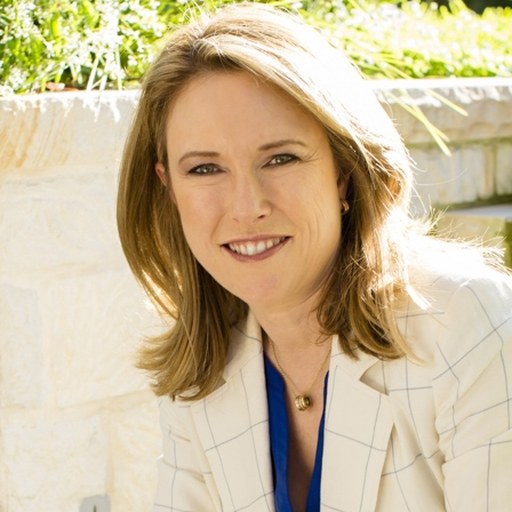
Co-host of The Elephant in the Room. Real estate agent, buyer's agent and buyer's agent mentor, co-host of Foxtel's Location, Location, Location Australia, author of Auction Ready and co-host of Your First Home Buyer Guide.

Mitch Hiam On Why Retirement Living Needs Planning Long Before Retirement
Most people do not choose when they leave the family home. Mitch Hiam explains the wait times, the new support at home rules and the retirement village contracts that shape the decision.
In this episode, we explore the financial realities that sit underneath retirement living decisions, the ones most people don't confront until they're forced to.
We look at why so many Australians stay in the family home for far longer than planned, how rising maintenance costs and care needs quietly change the math, and why doing nothing is often the most expensive option.
This conversation today will tackle the questions many retired homeowners and their families are already asking, but rarely get clear answers to. Welcome to the elephant in the room. This is the podcast where we love to talk about the big things in property that never usually get talked about.
I'm Veronica Morgan, real estate agent, buyer's agent and buyer's agent mentor, co-host of Foxtel's Location, Location, Location Australia, author of Auction Ready and co-host of Your First Home Buyer Guide.
Hi, I'm Chris Bates, ex-financial planner and mortgage broker, currently ranked number three in the annual MPA Top 100 Mortgage Broker Awards. Before we get started, everything we talk about today is not personal advice, and we recommend you engage the services of a licensed and experienced professional.
Our guest today is Mitch Heim, Chief Operations Officer of Balance Financial Group, whose work focuses on helping people navigate the financial side of retirement and aged care.
With experience across pensions, home care, downsizing, retirement villages and intergenerational arrangements, Mitch helps unpack how recent policy changes and funding structures are influencing real world property decisions and what people need to understand more before making irreversible choices. Mitch, this is going to be a very important discussion.
We are so glad that you're joining us today. Welcome.
Thank you for having me. I'm looking forward to it. I'm excited.
Mitch, there's so many ways we could start this conversation. I think what are just some of the real challenges you see when the parent or the surviving spouse of your mum or your dad's still here? It's so much to deal technically and emotionally for them as well to actually make this happen.
How do you guys play a role there?
Yeah, definitely. So we get people coming to us at all different aspects of their life where usually we deal with the kids when potentially their care is at a stage where they're not able to look after themselves anymore.
But a lot of people come to us earlier on in the piece when they're still quite healthy. but they're trying to plan for the future. You know, they're in two story houses or their partner has passed, the house is too big.
You know, their kids have moved away and they're looking at moving closer to the kids. So we see all different ranges. And for us, it's about looking at the options that they have available to them. And so if they are looking at smaller homes, it's comparing the options for them.
If it's looking at retirement village, which is completely different to downsizing into a smaller home, or even sometimes they're looking at doing renovations in their current home so they can live there as long as possible.
And I think to be brutally honest, what most people want to do is stay in their homes for as long as possible. No one wants to move into residential aged care.
And unfortunately, the biggest issue with residential aged care or nursing homes is 77% of the people moving into residential aged care or nursing homes. It's not by choice. It's because they've had a fall, a medical incident, a stroke.
And so they don't really have that choice and they don't have the right supports in place to help them stay at home for as long as possible.
It seems to be that most people assume that they'll just work it out later when it comes to retirement living. And I guess that's risky from a financial perspective, but also I guess you've got a lack of choice. 77% are moving in sort of under duress.
That means that they've left it to a point where they don't have the luxury of time. And I guess time equals choice, doesn't it, when it comes to these decisions. Is that a fair statement?
Yeah, definitely. And one of the biggest things that I do is I go out and do a lot of presentations for retirement villages and probus groups, just trying to get as much information out there as possible. So people understand the current processes of the systems.
Like at the moment, one of the biggest things that the government has changed recently was the legislation for residential aged care, but also for home care. And so people think, oh, I can just apply for home care when I need it. But currently the wait times are astronomical.
So, people wait until they've had an incident. They go to hospital and they say, I'd like to apply for home care. And they said, that's okay. There's a three-month wait. And then you've got a further 12 to 18-month wait to receive funding. And people say, oh, wow, long time.
So, your option then is, do I pay privately or do I go into residential aged care? Or does the family come and help out, you know, move mom and dad into your home? So it just depends on the situation. And they're all the things that we try to speak to people about.
If we can try and get enough information out as possible so people can stay home. And my biggest thing I tell retirees is apply early. As soon as you start to see that your care needs are declining, start applying.
Yes, you don't need it right now, but you may need it in the future. And we have so many people think, oh, actually, I might start doing that now. But I think with that generation, they're very tough and very stubborn.
And so they don't need help, you know, but at some stage, everyone will need help. And it's about having it available if you need it.
We'll be talking about the sandwich generation. That is sort of people who have got elderly parents, in fact, very elderly parents, usually 80s and more. Also, we've got kids that are dependent on us still. That's why they call us the sandwich generation.
And if I had to think that all of a sudden I'd be required to also care for my elderly parents, Parents, while I'm still caring for my kids, I'll be thinking, mum, dad, go and start applying. There's a 12 to 18 month waiting list up with a three month application process.
You know what I mean? We're almost two years. I want you applying now. I know you don't need it. And so I guess the pressure needs to come from those that might actually be forced to deal with the consequences. So that's really stark.
I know it's probably a completely inappropriate comparison, but it reminds me of when I was about to give birth and I knew that I wanted an epidural. And it's like, don't leave it too late because then you might not be able to have one.
So I went into the hospital going, I'm having one. So just send the anaesthetist my way. So it's a little bit that same sort of approach. I think, you know, I'm going to need help. So let's just get in before I need it.
Yeah. And we have so many people come to us and say, I wish I'd known about you sooner, or I wish I'd known about this. And I think that's the biggest thing we try and do. Yes, we're a financial company, but I see us more of a helping company.
Even though we are there for the finances, it's about trying to give as much information as possible. And unfortunately, I don't think the government does a great job at advising what people have access to and, you know. processes that are available to people.
So if we can kind of get out there and give that, then at least people know when it comes to that stage, or if they have a friend or a loved one who is going through that, at least they know who to turn to or where to start the process.
I think that's the big thing.
You mentioned at the start, everyone wants to stay at their home. 77% of people in aged care, retirement villages, wasn't the choice. It was due to a lot of different reasons. Even most of those don't want to be there. They want to be back in their old homes.
with home care and people wanting to do it anyway and the system structured that way from you know tax-free growth on their home and you can get the pension all that sort of stuff like if you had to extrapolate out the next 20 years which i think that part of the population's got a lot of people aging and the way that even with home care like is that really the future like everyone's
really just going to stay in their homes. And by doing so, then those properties will basically never come on the market, for example, because they will just never sell because they'll just stay there.
Look, I think how I see the market changing, if anything, is I think people will start to look at downsizing into smaller properties. So yeah, look, you've got some people that, if you look around, most new builds are two-story. Right. When you get to an age, some people can't go upstairs anymore.
So I, or the, you know, the big five bedroom homes, the kids have all left. I only need a two bedroom now, you know, my partner's passed or whatever it may be. I think people will be going into smaller.
So I think people getting into smaller homes or retirement villages, that's the alternative because it's It's not residential aged care. You still have independence in a retirement village. But when it's speaking to a home care company, the biggest service that they said most people use is for gardening and maintenance.
Now, in most metro areas, the gardening backyards are getting smaller and smaller. So hopefully it won't be too bad for those people. But a lot of our older generation now, they're on six, 800,000 square meter blocks.
And now under the new change for home care as of the 1st of November, it's now called support at home is the home care system. Look, there are some benefits to it and there are some bad, not bad sides, but things that they have to improve.
Can we talk through what has changed?
Yeah, so what's happened previously, home care was always income tested and there were long wait lists for home care. As I stated, it's almost two years at the moment and the government has kind of stepped in and said, we want to make a change. We need this to be better.
They have now made support at home. I'll still call it home care, but under the new home care system, it is now means tested. So they're assessing assets and income. But previously under the old home care system, the biggest thing was you were given a package of X amount of dollars.
There were four different packages and the top one was, I think it's about 62,000. Level four was about $62,000 worth of funding a year to use on whatever you wanted. The biggest issue that we had was-
Now, the biggest thing with the home care, the level four package, which was the biggest one, is you could use the funding on whatever you wanted. And so a lot of people either didn't use the package or would try and save it up for certain items.
You know, they needed an electric wheelchair or they wanted to do a ramp into the home. They would have to save their money.
So this is why the wait time blew out for home care because you've got all these people that either say, oh, no, I don't need it or my son's helping me pay for things.
So now the government has kind of stepped in and said, well, what we're going to do now is we've now got eight levels of funding with the maximum being $78,000 a year, but they've broken it up into quarterly budgets.
And so if you don't use your quarterly budget, you can only transfer $1,000 or 10% of that quarterly budget to the next one. So what this means is if you don't use it, you've lost it for that quarter, but it's now just not sitting there.
Someone else can now get access to that home care package and the funding. And so the goal for the government, they say they want the wait time to reduce from that 12 to 18 months down to three by November, 2027. But let's see what happens.
So that is how they've changed the eight packages that they've got. But what they've done now is they've broken home care up into three different categories of services. So they've got allied health, which is for if you need any help with nursing, physiotherapy, speech pathology, that is one aspect.
Then you have two other categories. One is independent and the other one is everyday services. So independent is for assistance with, like for a carer. If you need help getting ready in the morning, in consonants, et cetera.
And then your final category of services is for things like meals, gardening, maintenance, trips to the shop. And so what the government have introduced is under the allied health category, any Australian, whether you're a full pensioner, part pensioner or a self-funded retiree, You do not contribute a cent.
So the government is covering all the care costs of things. But for all the non-medical costs, allied health costs, you now have to pay a contribution and it is dependent on your means test.
Right. So before you potentially could have had your house maintained and garden done and all the rest of it at no cost to you. Now, if you have access to funding, you now have to contribute or co-contribute to those non-clinical services, right?
Even as a full pensioner.
And this is- So that's going to change things, isn't it?
Definitely. And this is where I think, because look, this is how I think it's going to come, what it's going to come down to. As a full pensioner, look, they might be asset rich because they bought in an area when Sydney prices were very, very low.
The property has grown massively and they're just living off a pension. They don't have anything else apart from the property. So now they're living off $1,178 a fortnight off the full pension.
They only have, after their groceries and their insurance and everything else, they've now got to decide whether I pay 17.5% of the cost for gardening or mowing, or do I potentially look at spending my money on something else I need, food or something like that.
And I think potentially those people in large gardens or big properties, it's either going to be, what's more important, is it my safety or the funding, the money that they have to spend, I guess.
I mean, it will put financial pressure on them to sell the home.
So before, like you were saying that, you know, you could be asset rich, cash poor, but basically if you're on your own home and you're just on the pension and you live fairly frugally, you know, you can just stay there for as long as your health keeps up, right? And your mobility, right?
But if...
you now, you realize that you can't keep on top of what is required to keep that house and the garden or the grounds in a presentable form, under control is probably, you know, particularly gardens, then that could well then start to put the idea of selling and downsizing or perhaps moving into retirement living earlier.
I mean, maybe that's the whole point of the government's change.
Well, the biggest thing is what they're trying to do is like in some areas of Australia for residential aged care for nursing homes, there is no vacancies. If you head up into Southeast Queensland, there is a big wait list, massive.
And so even in parts of New South Wales and even other states as well, There's just a backlog. There's so many people in hospital and not enough beds. So they need more to be built. Yes, there are homes building, but they can't build quick enough.
And so the purpose of, I guess, home care was to try and make sure people could stay at home longer. Is it going to be in their current homes they're in now? Maybe not. It's a difficult one.
And so I think, look, the government looking after the medical aspect side of things, I think is fantastic. But the non-medical, that's where people are going to have to decide, what do I do? And even people have started to find little cheats around the system.
So like self-funded retirees, instead of using the home care package for the independents, services, they've just been going private. So it's a little bit cheaper. And paying privately for it. So there's little loopholes that we've seen people start to find. And I think the government's going to make changes.
But even under the independence category, there's things like, as I said, it's for things like helping you get ready in the morning and showering.
And I know David Pocock, the old wallaby, he's down in Canberra and he's working very hard on it to make sure that the rights of Australians can still get showered for nothing. They don't have to pay a contribution towards that. So I still think there's a work... They're still working on it.
It's not 100% perfect, but I think hopefully, I think it will be for the better, but I think it is going to kind of force people to look at alternative options if they can't afford to pay for these maintenance and renovations or, you know, for gardening and upkeep in their current homes.
I'm curious to know whether you've seen a sort of a change in people coming to your business for assistance in the wake of these changes. It's funny because over the years, I've been now in real estate for 26 years. I started off as a sales agent.
We quite often would sell deceased estates and I was often horrified
at the state of repair that elderly people have been living with, like dangerous stairs and like, you know, God, I mean, back in the day, you'd have the old hot water heater that's sort of in the bathroom above the bath, you know, like really primitive in many cases. And
you see these beneficiaries come out of the woodwork and it's like, wow, where were you when the old person was still alive and they needed some help around this house because the house has been falling down around their ears.
So it seemed to be, and that's, we're talking about 20 years ago now, right?
But even when, you know, I look at my grandmother and also my own parents as they've got older and they, you know, the things that they used to be really house proud about, they stopped worrying about, their eyesight start going, you know, they get cataracts and all the rest, they don't see things, they don't, you know, like...
Some people are quite happy to sort of live in this decay, this slow decaying environment. Other people are like, no, I don't want to. I really want to get into a newer, cleaner, easier environment where I'm not burdened by this responsibility to maintain a property.
Are you seeing that people are starting to come to you and saying, I can't do it anymore or is it not making any difference yet? I don't know. What's the feeling in the ground from you?
It's always been the same way. It hasn't changed since the new legislation has come in because I think the biggest thing for the legislation, especially for home care aspects of things, was people were just rushing to try and get the home care package previously and people are still awaiting the home care packages.
Look, a lot of people have family to assist. And as I mentioned before, with residential aged care, it's usually the kids that say, you know, mum's not coping anymore. Dad's not coping.
To be brutally honest, our busiest time of the year is Easter and Christmas because they go to pick up mum and dad to bring them to their house for Christmas. They walk inside and they say, oh, there's dishes out. Mum was never like that. What's going on? They notice there's a big change.
But look, aged care is further down the track. Aged care on the average age at the moment is 83 for a male and 85 for a female.
And so it's a fair way down the track, but in regards to the maintenance of their current homes and where they're living as they're getting older, I think touching on the maintenance bit that you said, there was a bit of research that we did in regards to maintenance within a home across Australia is most people spend roughly between one to 4% on maintenance of their property each year.
1% is for people that have houses less than 10 years old. And if you've got houses over 30 years old, it's about 4% per year. And so that's an extra cost.
And as you said, as you get older, it's so hard to, like some of those old seventies bathrooms, they've got step-in baths or step-in showers. It's not suitable anymore. And this is where people's care needs start to decline massively because they're not showering, they're getting sick. There's all these aspects of things.
Or people aren't visiting. So going back to what I said before with that older generation, they're really proud. They're too proud to ask for help, to be brutally honest. So we only get the people who are preemptive and they're saying, look, the house is too big at the moment.
I don't want to, like, I want to move. I want to look at something else. So we're looking at a smaller property. Look, and the conversations I have with people in regards, because they come to us and they say, should I go a retirement village or smaller home?
And I said, it's all up to you. And I push people away from a retirement village if A, you're within a
couple of years of needing residential aged care because there's a cost to move into a retirement village and if you're a recluse and like to stick to yourself there's no point paying for a retirement village because you're paying a fee for being in a community so if you're not going to interact with it it's not worth it you may as well find a smaller property where your maintenance is lower
you know, it's accessible for yourself. So you can stay there as long as possible. You can still get your home care. Now with a retirement village or they have different names like over 55s, independent living units, retirement villages, they're still independent. You can still get home care within there.
You don't have to do any maintenance because the village does it. And that's where we really have those conversations for those people who are proactive and starting to look as that's some of the comparisons we're looking at is, okay, well, your maintenance on your current home, it's 30 plus years old.
On a million dollar house, you're paying $40,000 a year just on upkeep and maintenance.
Or it's declining because they're not paying that money.
Exactly. And so potentially it's looking at, okay, what's going to be better for me? And look, everyone's goals and outcomes are going to be different. And so we're just trying to help find the best outcome for those individuals.
Mitch, from my understanding, you know, on the home care is that, you know, aged care is really expensive, right? And it's full, there's not enough work, there's all of the aged care sort of Royal Commission from my understanding.
And so the government doesn't really want that because it costs them a lot of money And so hence why we've got these home care packages, but they realized that maybe it was too broad. So then they've dialed it back just to health.
And yeah, maybe they're not doing the general, a lot of personal care and then maintenance and cleaning and stuff around the house, but it's all your health is fine. Then that means that then they'll probably still want to stay there, right? Because...
That's what they ultimately want to do if they can afford to stay there, right? So they either get their kids to help. The kids might have to contribute. They'll use all their savings.
But then the government's then got this reverse mortgage scheme that they say, hey, oh, this is your final option is just access this home equity scheme, which is very attractive because this will allow you to stay in the home. Is that your view on what they're really trying to do?
Because putting them down the aged care isn't really a cheaper option for them on their sort of financials.
No. And so look, some of the full pensioners will be able to apply for a hardship, but there's certain criteria. So you have to have under certain amount of assets or income.
And so some of those full pensioners will be fine because they can apply for hardship or they might need assistance to apply for hardship. And there's, you know, organizations like OPN and a few others out there that can assist. But
That's where with the retirement villages, this is where I think the retirement villages will really start to push and become a lot more popular is, as I mentioned before, there was the three categories, your clinical, your independence and your everyday.
Most of the services under everyday, under home care, is what a retirement village provides to you. They have a bus that takes you to the shop. They do your maintenance. If anything breaks, they come and fix it.
So a lot of those things that you pay for, and that's where I think potentially people will go the retirement village option. But I understand what you're saying in regards to the, will it push them towards residential aged care?
I don't think so because look, to be brutally honest, a lot of people didn't use, not a lot of people, a lot of people did use home care previously. Now that there was a big push and there was going to be a big change, a lot of people wanted to apply for it.
Yeah. Is it perfect? No. But yeah, people are going to really have to look at what options are available under those contributions categories. And I think that's where a lot of like retirement village companies are now going to start implementing, well, how about we offer food?
Because they have affiliations with aged care companies, you know, like Uniting, Anglicare, they have retirement villages and aged care. So they'll say, how about we organize meals? So now if someone's in our village, we've got all their maintenance covered, we've got all their
you know, all the shopping when they go to the shops. But now if they need meals, we'll cook for them and we'll do it for like $5 a meal. So now it's cheaper than going through the home care package.
So I think it's going to change the retirement village and potentially the home care side of things as well. Currently, we're in a limbo stage of support at home as well.
Because it was introduced on the 1st of November, the government is letting every home care provider charge whatever they want for different services. But as of the 1st of November this year, there will now be price caps.
So everyone should be charging the exact same amount for the exact same service, where previously you could have different companies charging different amounts for gardening, mowing, whatever it may be. So I think it's slowly going to be a work in progress, but yeah, we're starting to see...
Yeah, I think people know that they don't want to go into aged care. And so, yeah, moving in with kids. The other thing that is becoming a lot more popular potentially now is the kids are talking to the parents and saying, what about if you move in with me?
And there's a popular topic over the last couple of years. It's called a granny flat agreement or a granny flat right, where it allows the parent to gift property or proceeds of sale to the children without affecting pensions.
So they can sell the home and gift some or if not all of the proceeds to the children. They can transfer the ownership of their current home to the children. they can sell their current home, the parent, and purchase a property in their children's name.
But in return, the children is giving them a right to occupy in either the child's property or the property that's being bought. And it can't be foreseen that people need residential aged care in the next five years.
But we're starting to see people start looking at what alternatives that they have earlier in the piece. I think that's the biggest change we're starting to see is people looking at, do I stay it? Do we look at moving in with my daughter, giving her funds?
Now for a granny flat right or agreement, you actually don't have to build a granny flat. A lot of people think, oh, I have to build a granny flat in the back of my home. You don't. You can actually have a spare room for them in your home.
It's in return, you just have to give them the right to occupy. So I think that could potentially be an option and certain ethnic groups obviously do that really well already. We're a multicultural country and it's fantastic.
And we see that with a lot of diverse backgrounds where they take care of their parents first, they bring them into the house or they put them first.
So potentially, maybe we might see a bit of change in regards to that and bring them into the home, but they're also getting a financial benefit as well. So they've now got no debt potentially. Yeah.
So for listeners that are sort of interested in this topic and you haven't listened to last week's episode, we interviewed a lawyer and we talked quite a bit about the granny flat phenomenon, if you want to call it that, and certainly the legal aspects of retirement living decisions, particularly for the sandwich generation who are actively trying to help the parents out under these sorts of arrangements.
I'm curious though, Mitch, how should retirees be thinking, and actually their kids as well now, you know, now you're bringing that in, be thinking around the financial trade-offs between downsizing retirement villages, staying put with care, maybe amalgamating resources and living with family.
But also in mind, and maybe I'm entering it, it's another question, but anyway, I've heard the term inheritance impatience.
I don't know if I heard that term from you when we were talking last year or if I heard it from somebody else, because you've got the parents' decision making, which may or may not be impacted by cognitive function as they get older.
But you've also got a generation that stand to benefit financially from the decisions that are made now. And they may not necessarily be always in the best interest of the parents. You know what I mean? There's a bit of a conflict inherent there. Can we talk to some of that?
Yeah, we see that all the time. When we sit down with someone in the first 10 seconds, you can see if they're in it for their best interest or for their parents' best interest. And with the downsizing aspect of things, as I said, when we're dealing with the individuals, they're looking at themselves.
They're like, look, we're selling our property. We're going to have X amount left over. So we're looking at the retirement village. What are the different options in the retirement village? Can you help compare the different contracts? Because there's different ownerships, there's different room prices.
They're all going to affect them, their pension, their tax, or a bunch of different things that it can affect. So when we speak to them, the parents per se, they're just worried about themselves. sometimes we're getting people start to say, well, we've got this money left over.
We want to start looking at helping the kids and everyone's different. And this is where obviously we can't do a blanket approach for everyone. We really need to understand what they're trying to do.
Some people who are self-funded retirees and have enough money to live off, they're like, well, I've got this spare money. Can I gift it to my kids? Can I do this to help out while I'm still alive? Why don't I help them?
Why do they have to wait till I die before I help them? But we also need to discuss with them, well, these are what your costs are gonna be if you need residential aged care in the future. So make sure you just don't give it all away.
Or if you give your money to your kids and they run off, then what are you gonna do? You're stuck. Make sure you can still get some assistance. But yeah, we do find, look, I think we worked out the numbers.
It's like close to 77% of the people when they're placing their loved one into residential aged care or they're at that stage, most of them say, look, it's mum's money, it's dad's money. If we get less, fine. We just want them to have the best life possible.
The other 30% are like, well, look, I'd like to try and keep as much inheritance as possible. And to be brutally honest, you'd be out of your right mind if you didn't try and reduce costs with anything in life, really.
So if you can try and help reduce costs, because that will then keep more of an inheritance. But unfortunately, moving forward, everything is means tested. Residential aged care, home care. So there is going to be out-of-pocket expenses, one way or another. So it's about looking at how much is it going to cost?
What can I do to prepare for it? Some people want to try and give away all their assets before they get to a certain age. So they're assessed as having nothing. And I said, that's good in some aspects, but it's very hard to find homes as someone as a supported resident.
So they don't have any assets or assets less than $63,000. And so, or you might not get the nicest home. So it depends on the individual, but yeah, we're really saying that people want to have that conversation and prepare for that future.
That's probably the biggest thing we're seeing over the last year is saying, well, look, I think the kids are getting involved early and noticing signs and saying, what should we do? Like, how can we plan for the future?
And the best thing that we can currently do at the moment is saying, start with home care. That's your number one ticket to try and stay out of aged care for as long as possible. Then we can discuss retirement villages, downsizing, you know, what's mom's situation? What does she want to do?
What does that mom and dad want to do? And then it kind of just leads from there. What options we have available.
I'm on a personal mission to help more people make better property decisions. You know, most people don't realise that they can cost themselves hundreds of thousands of dollars over the medium to long term when they make property decisions without all of the information that they need.
And what I do is help people with tricky real estate problems, which often masquerade as simple questions like, should I sell my investment property because the interest repayments are hurting? Or should I buy before I sell? Or the other way around.
You can connect with me and access all of the tools that I've created to help you make better property decisions at veronicamorgan.com.au. And there you will find resources for first home buyers, details about my buyer's agent mentoring program.
You can connect with my Sydney based property management and buyer's agency teams, Australia wide vendor advocacy, or ask me for introduction to the small group of buyer's agents that I would personally recommend across the country. That's veronicamorgan.com.au.
If you're considering a property move such as buying your first home, upgrading, renovating or investing, the team here at Alcove would love to help you think through your decision and get the finance right. Please go to alcove.com.au to reach out.
Mitch, what do you think the age is though where it starts to get a bit hard? Like, so for example, is it, you know, there's like a window, right? When you sort of feel fit and healthy, you feel adventurous, you're willing to try, you know, try new things and make new friendships.
And then there's a point where that sort of does decline, and then all of a sudden, the chance of wanting to just stay in that home for the rest of your life obviously increases a lot, right?
And so there's this window of downsizing, and then there's a point where just downsizing just feels like too much. And I feel like particularly in this place like Sydney, where the grandparents, where the 70, 80-year-old, for example, now lives, might be a completely different part of Sydney.
The kids live, and then definitely even the grandkids. You know, their friends and networks and all that sort of stuff around this sort of pocket. They know the street. They know it feels so safe. So like staying at home is obviously a real preference for them.
Moving in with the kids takes them away from all their networks often. And potentially, which kids do you move into? You don't want to burden them.
We're just trying to think like it's often, you know, if you miss that window and then a lot of those downsizes do miss the window because they've got kids coming there and those kids haven't bought a property.
So they want to hold on to their home for as long as possible because the kids are in apartments. So it's kind of like all the factors sort of force people just to sort of stay. Do you agree with that?
Yeah, to an extent. I think we're seeing a lot more people. Five years ago when I was doing retirement village presentations for open days, it was an older generation. I think it's also an education piece where people don't understand the difference between a retirement village versus aged care.
Like I speak to people and they say, oh, I'm ready for a retirement village now. And I said, oh, so you're still independent? And they're like, oh, no, I need this amount of help. So people don't understand the difference. And I think it comes back to knowing what they have access to.
But I did an open day at Bellrose on the northern beaches, and the sales guy said the best thing, and I totally agree with it, is a lot of people wait until it's probably too late.
And he said, if you're starting to look at retirement villages early, and you'd be surprised, there are so many people out there that are looking at retirement villages. And he says, move while you still can so you can enjoy the retirement village.
You know, they've got tennis courts, they've got bowling greens, they've got darts nights, they have indoor bowls. They had, when I was there, there was an origin night for rugby league. They've got the men's clubs, females clubs, swimming pools.
And so they're like moving while you can still access it, while you're still nimble. But when you were just asking that question, the first thing that came to mind was I did an open day for another company down in Padstow and they This lady was there.
She had lived in Padstow her whole life. I think it was 50, 60 years. Her daughter was with her and mum had said herself, I just can't cope in the home anymore. My husband had passed. It was a big 800 square meter block.
She was like, I have to get someone in to mow it and do all this stuff. I just can't keep up with it. I love gardening, but I just can't bend down. I can't do these things anymore.
I think people are now starting to get to a realization and they're having friends move into different villages and they're like, oh, my friend's over there. But this lady loved going to the church.
She had been going to the church for 30 plus years in Padstow and she wanted to make sure she was still somewhere close enough. So she still had her friends. She could still go to church every Sunday.
So I think it's a mix of both where people are starting to realize themselves, but the kids are also being a lot more proactive and starting to take the next step. and prepare for what people should be doing. And there's so many different options now.
Obviously, in Sydney, most of the people have houses, that older generation. So selling and downsizing into an apartment or a smaller property, they're still going to have a little bit of money left over. And the retirement village, there are so many different villages with different prices and options available.
And there is a lot of vacancies in retirement village spaces. So I think that's... Could be a lot. Yeah, well, look, in some pockets, there is full. Some people want to look for rental options. There's not a lot of rental options.
But if you're doing the purchase option of buying into the village to an extent where you're paying an ingoing contribution, there is a lot of places because there are so many. I do so many open days because they're just trying to sell.
Right, so the new, the open days are for new facilities or they're for facilities that have, like existing facilities?
Yeah, yeah, both.
So, so like- So what's, because that's not what we keep hearing. We keep hearing there's a shortage of spaces, but again, you mentioned that there's a, terminology, there's confusion as to what term refers to what type of care or what type of residence.
And so it's the aged care where they're high dependency, that's a shortage, that big wait list. So you're saying the independent living at the other end of the spectrum, it's actually, there's opportunity to buy.
Yeah, they're building heaps. Like even in the inner west in New South Wales, they're building – there's two different villages that are being built, high-rises and multiple. I was just doing a sales one just before Christmas down in the Sutherland area. They've got a brand new one where they've been building for –
long, long time and they're on their last little building and they're doing their own little community. It sounds like what they're doing down there is fantastic. That's an Anglicare one.
But yeah, a lot of places, because they're just trying to sell because I think there's a, not a bugaboo, but I think people just aren't educated on what a retirement village is or they think, oh no, once I go in there, I'm moving out of my home.
But there's so many people that I definitely believe they're stubborn where they just don't want to move. And I use this example, we have a family friend Her father, he's now passed, but he lived up on the Central Coast in New South Wales.
And the daughter lived in Sydney and said, Dad, come down. Mum's passed. He was sitting in his own filth. He wasn't just coping by himself. She couldn't take him into the home because her home was full. She had her kid and her grandkid there. And she said... You know, you need care.
You can't cope by yourself. And he goes, I will die before I go into residential aged care. He went into residential aged care just on respite. They had to kind of trick him and say, look, it's respite first. If you don't like it, you can go home.
They went to visit him after a couple of days and they said, oh, where's dad? And they said, oh, he's in out in the lounge room doing something. And they went out there and he goes, hey, dad, I'm here to see you. And he goes, go away. I'm busy.
He had made so many new friends. He was loving life. But to be really honest, even the presentations I do for probus groups, I show them pictures of retirement villages now and residential aged care homes.
And the looks on people's faces go, oh, because even 20 years ago, my grandmother went into a home and she was in a shared room. It was like an old hospital. Now they are better than hotels, honestly. What you get within the homes and they're fantastic.
Look, they're not for everyone and you don't want to go into residential aged care, but even the retirement villages, they are just unbelievable. The amount of support you can get, the community in there, it's fantastic. But is it for everyone? No.
Yeah, and I love that earlier on you used a distinction around the type of person that would benefit from going into a retirement village versus those that don't.
You know, my parents moved into one a couple of years, a few years back, and mum's not highly sociable, but my dad died six months after they moved in. And Even though she's not highly sociable, she's enjoyed having all of those, you know, even just coffee on the terrace.
She talks about going and having coffee on the terrace and she enjoys the small touch that she does have. It sort of surprised me really, and I think probably surprised her.
But you know, it's interesting because after dad died and they've got, you know, people there, they check on the residents, it's independent living, but they noticed she wasn't cleaning the place, you know, she'd just sort of given up.
And so they stepped in and said that basically that she has to have it cleaned, but you know, and then they got her, they got her access to home care so that she's now got someone goes here once a fortnight and cleans the place for her.
But again, if she was living in her own home, she would not have known. Like, I mean, they used to get my brother to come up. He lives down in the Southern Highlands and he used to come up to mow the lawns, you know, down to the Sutherland Shire.
And, you know, I'm sure he'd really rather not be doing that huge trick just to mow their lawns. But, you know, potentially they could have got help while they were still in the house. And I think there's a lot that people don't know what potentially they could get access to.
But, you know, I think the retirement village does, or the retirement living does offer more than a lot of people probably would realise. But I'm curious though, if we can sort of touch on the different structures of buying into these things.
Now, I know even within the same villages, you have options quite often. So if we can sort of just cover some broad brushstrokes around that, because also I look at it too as a property person.
Forgetting what we're talking about, you know, in terms of inheritance impatience and elderly abuse, which we didn't use that term in this episode, but it's out there. Forgetting that for a moment, from a pure property perspective, I look at someone sells an asset that they might have held for 30, 40 years.
They then go and buy, it might have been a good asset as well, which has had incredible capital growth and they've got all that tax free.
They go then and invest in an asset that's not technically a good asset because they're going to give away a huge amount of equity, but also the right to capital growth. And there's implications for that, obviously, down the track.
But the lifestyle and the simplicity of having someone there to care for you and to keep an eye on you and support you and saying all those facilities are available for you in-house. There's a lot to be said for that.
So if you can sort of just take us through that sort of in a broad brushstroke and idea of what are you forgoing and what are the entry and exit costs here?
Yeah, definitely. So in retirement villages or independent living or over 55s, every different company has different contracts based different structures.
And this is why we always suggest to people, you know, when you go compare, if you go on to look at a village, compare the different room prices, compare the different villages, because it's all going to affect you differently, whether it's tax, whether it's pension, whether it's capital growth, it's all going to affect you in different ways.
And so the simplest way to explain it in retirement villages is there's usually three costs. There's an ingoing cost, which you pay to the retirement village when you enter. There is an ongoing.
And what could that be? Would that be $100,000, $5,000, half a million?
Yeah. Some of your older villages, you can get in for $300,000. Even in other states, I've seen, yeah, $250,000. So yeah, it depends where you are. A lot of your older ones are going to be $300,000, $400,000, $500,000. That's high? Yeah.
That's low on the low end.
Low. Yeah.
And then some of your brand new builds that you're getting, you're looking at, I was at one the other day that was six mil.
Yeah. I looked at one actually, two and a half. So three, um, yeah.
So this was in, um, on the North shore, views of the harbor, views of skyline of the city, six mil.
Fair enough. That's cheap. Yeah.
I'll buy three.
But if you've just sold a house, it might be worth 15 mil or 10 mil or something. I mean, in that demographic, potentially.
Yeah. It depends where you are. I've got a gentleman at the moment. He's by himself. Unfortunately, he's getting older. He doesn't have any family. His care needs are getting higher. And he says, look, I don't want to bring someone into my home to care for me. I'd rather go into a nice home.
He's in the city. I think his property's you know, four, five, $6 million. I think it's closer to six. And he's just like, I want an aged care home because I need the care. His disease that he's got is going to get worse and worse.
So he's like, I'll stay in my home for the time being, but I want the nicest home. I want views. And I was like, sure, we'll look at that. We can do that. But yeah, with the retirement village, and this is the thing, they've made a lot of changes.
The retirement village, there was always a When you used to buy into the village to an extent for the entry contribution, you'd pay for the entry contribution. The industry average for many, many years used to be that whatever you buy in for, there would be a 30% deferred management fee.
So whatever you bought in at your exit price, you'd lose 30%. And I think the best thing that retirement villages have done, have introduced over the last five years is offering different options. So now you can have a 10% deferred management fee.
So you can pay more upfront so you get more back when you leave. So you can try and keep your pension or reduce tax. There's different things you can do. Everyone's situation is going to be different.
And the example we use when we do open days and explain this to people, we say it's, you know, when looking at a retirement village, if you've got a retirement village that can offer you gas, different contract options with the different deferred management fees.
It's kind of like going shopping for a pair of shoes and you go looking for a pair of shoes and if they only offer one size or one color, if it's not your color, you're not going to buy it. So these companies that are now offering multiple
options, exit options, it's really going to benefit more people. Previously, it was a one size fits all. Now you can find the best option for yourself. There is even some companies that allow you to say, well, look, we'll give you back 5%, but you pay a bigger fee upfront.
And so we're really starting to see that. So in regards to the cost, you've got your entry contribution, the exit fees, your deferred management fee, and then you have an ongoing or a recurrent charge. And average of a recurrent charge at the moment is about a thousand bucks a month.
And so that covers your water, council rates, building insurance, staffing of the whole facility, the amenities, so your pool, your tennis courts and everything it has, village operations, so your maintenance, your gardening, the upkeep of the general area.
And so that's where I was mentioning before with the home care aspect of things, a lot of those stuff is within that last category of home care. And so they're your three big costs, your ingoing, your ongoing, and then your outgoing is that deferred management fee.
If I can just run a couple of scenarios past you.
Say for argument's sake, it's a million dollar apartment and you've got the option of going in paying a million dollars and say with a 10% deferred management fee and then maybe $800,000 with a, I don't know, 30% deferred management, $500,000 with a 50%.
Is that the way it sort of works, that type of scenario?
So most of the time they'll only show you the 30% option. Now, look, it can change. Look, there are some companies that charge 35. You just got to find what their model is. So most companies will just advertise their price based on the 30% model.
And then once you sit down and look at the two bedroom, the one bedroom, whatever it is, they say, well, actually, if you want the 10% option, you will now pay 1.25 instead of 1 million.
And so what scenarios would be better to go and, you know, get the 10% deferred option versus the 30% or a higher deferred? You know, like what type of scenarios are we talking about?
I mean, assuming you can afford to choose, because I guess some people would go in there and go, well, I can't afford, you know, the 30% even, like I'm going to go much higher, like, you know what I mean? So what sort of things should people be considering?
Yeah, definitely. So to be really honest, what happens is, especially in Sydney, like let's look at the Hills area as an example. So in the Western part, Northwest of Sydney, some of the retirement villages start at 500,000 as a 30% model.
500, 600, there are some new builds, but let's look at the older ones. We have a lot of people that are selling their homes in the Hills for 1.5%.
you know, sometimes $2 million. So a lot of people go into the village and they think, oh, I'm going to take the cheapest one. They think I'm going to take a one bedroom because that's all I need and it's going to cost me $500,000.
And then we had a chat to them and say, well, how about we look at spending more? And they said, why? And I said, well, let's look at the examples. So if you've sold for $1.5 million and you're a single person, previously you were getting the full pension.
If you now buy a $500,000 unit, you've now lost your pension. So maybe it actually might be worthwhile to spend a little bit more to try and get your pension back. And they go, oh, actually, I didn't think about that.
So instead of looking at the 30% option, let's look at the 10, or why don't we look at a two bedroom or a three bedroom? So now you can have one night with the girls when they come over, they don't have to drive. You can have the grandkids over, whatever it may be.
That's one aspect. The other aspect is, Because home care is means tested moving forward, and residential aged care is means tested, the more you have in the bank, because your house is not counted towards that means test, it's everything outside of that. So potentially, if you're a couple,
Depending on how much you have in the way of assets outside of the house, it might reduce the fees for hubby when he needs to move into aged care. And so these are the conversations we're really having.
And I think the biggest conversation we have with a lot of people is hubby needs to move into care. And now wife is going, wife says, I can't stay at home by myself and I want to be quite close to him, but I'm not ready for aged care.
So let's find a retirement village. So we're getting that a bit as well too at the moment.
Here's the thing too that I hear from a lot of people is that they want to buy into a retirement village that also has an aged care facility.
But if there's a shortage of spaces in the aged care facility, what are the guarantees that if one of them needs higher care, they're going to be able to go into that particular facility? Do they get preferential treatment?
Yeah, good question. Yeah, look, in some areas, like there's a home on the Northern Beaches has a retirement village and aged care. And everyone just wants to be in the retirement village for whatever reason. And the aged care is always full.
The main reason it is always full is because they prefer the retirement village residents first. So especially if it's within the same company, so like a Uniting, an Anglicare, you know, whoever it may be, if you're in the retirement village, you'll take preference over the general public. And so...
Because that'd be pretty bad, wouldn't it? You know, you're both buying to a retirement village thinking that that's just what's going to happen. That's where you're going to go if you need. And then it's like, oh, no, you can't. You've got to go randomly. And that'd be pretty traumatic, I would imagine.
Yeah. And that's the thing, because if you're in a retirement, and I know a lot of home care and retirement village companies are getting a lot better. where they're talking to each other now.
Because like a lot of your companies, like Uniting and Angle Cares, they've got the Holy Trinity, they've got your home care, they've got the retirement village, they've got the aged care.
So while the people are in the retirement village, they can start having the question, like they can see if people are starting to decline to start prepare for that next stage. The only time that it might not work out perfectly is if, you know, unfortunately in aged care, you're waiting for death.
That's the game. And so if no one's dying, then, you know, you're waiting. And so potentially if sometimes people have to find a home elsewhere for the time being until a bed becomes available in their preferred home, that does happen.
Well, they're in hospital for that time.
Yes.
Doesn't seem like the right episode to ask for a property dumbo, just being real. But if you've got a, you know, maybe a lighter hearted one that's not too offensive.
Or it could be an example of a mistake somebody's made that they could avoid and would, you know.
Do you know what? I thought about this because I've listened before and I I thought of different ones and I thought I'd make it specific to, I guess, the elderly who we're talking about, right?
Is because I was trying to write down some different ones because I was like, it's not a dumb move by them, I guess. It's just because they're just uneducated. They're not sure.
And so if people are downsizing, it's making sure that if you are moving to a smaller home, check for the silly little things around the home that, you know, that there's no step-ins to the showers and baths.
And, you know, accessibility-wise, we see so many people where they, as I mentioned before, they want to move into, they want to stay out of aged care, but they move into a home where, you know, there's stairs or, you know, it's preparing for the future. You know what lies ahead.
But I think that's the biggest thing is just making sure you stay away from stairs and steps into showers and baths. But if you are looking at a retirement village, it's not a Dumbo thing, but compare your options.
Speak to someone, compare all your options because there are so many different contract options out there. There are so many different options within the retirement village space. Compare the options because it's going to affect you financially. It's going to affect
for the tax or pensions or income, it's going to affect one way or another. So at least if you compare all your options, you can find you make the best financial decision when moving into a retirement village, if you choose that.
I think I'd sort of add to that too, because a lot of people that we speak to, because we do quite a lot of vendor advocacy, particularly for people who are moving into retirement living.
And so what that is, is that we help them coordinate the sale of their home and facilitate that and be their guide through that whole process, because it's a very traumatic time. And often they have not sold a property for decades. Sometimes they're
grown up kids live in different city as well and they're like we can't help you know because we're just not there so so that's where we step in and really able to step through and just and look after their best interests but what happens is that then then under this really stressful time frame
to get things done. And yes, the retirement villages usually give them a fair amount of time, but that never feels long enough for somebody who has been in the home for decades.
And so, you know, I think too, it's also be thinking when you're out there comparing, when you get offered a place, it's quick and you have to make a decision quickly because even though some of these retirement villages are talking about they're building new ones and so they have lots of rooms available, lots of apartments available,
Quite often people in established areas will be looking at a particular retirement village and it won't have plenty available. They do have to go on a waiting list for the one that they want to come available. And when it does come available, there's a lot of pressure to take it and to jump.
And so that then puts more pressure on the sale of their property as well. And it really turns the dial up on what is a very stressful time. So I guess, you know, even with our business, we love it when people engage us when they're in that process or they engage with us.
I don't have to engage us at that point, but they engage with us at the time that they're starting to look at retirement villages because you really have to plan the whole thing out. And you have to get yourself primed, ready to go.
So then you go, bang, you press the button and it feels a lot less stressful. So I would add that in as well. I think while you're comparing, think about how you're going to fund it, how you're going to get there.
And perhaps get some financial advice too, just to work through those scenarios and those options. So-
No, I agree. It's funny. I'll just give you a quick, when I was studying, we did a case study in Florida, obviously big retirement area. And they were struggling with sales at the time. A lot of the retirement villages or whatever they call the names over there, similar retirement village.
They just couldn't get people to purchase and they tried different things and they just couldn't get people just to say yes. And then one of the companies said, we will give you a year's worth of a cage and
So you can move all your stuff into the cage and you've got a year to slowly go through it. Their sales went through the roof because people didn't want to go through and declutter and do all of that. They wanted their time to go through it.
So by paying, they said, we'll pay for a year's worth of the cage fees for you and just went up. But in Retirement Village, they do have the cooling off.
It's only for a short period and you really need to make sure you've got all your ducks in a row, as you said, ready to go. You know what you're going to pay for because the point of a retirement village is for a long time. You want 10 plus years out of it.
Residential aged care is only two and a half years most of the time. Resident retirement village, you want for a long time. You want to enjoy it and stay there for as long as possible and stay out of aged care. That's the goal.
Brilliant. Mitch, that's been such a fascinating chat. We really appreciate your time and your expertise today. We haven't had enough conversations around this. There's two in a row. We're obviously going to have to have more. It's becoming more of an issue. So I think it's really valuable.
And Intel and advice, not advice, you weren't giving advice, insights that you're giving today. Thank you very much.
It's much information. No, thank you for having me. Hopefully someone was able to learn something, take something away from this. But if you ever want me to come back, more than happy to.
If you have a question that you'd like us to answer in an upcoming Q&A episode, you can send us a voicemail or written question via the website, theelephantintheroom.com.au, or you can email us directly at questions at theelephantintheroom.com.au. If you like what you're hearing, please share this episode with others you feel would benefit.
And while you're at it, why not leave us an iTunes review? Five stars would be great. I know that sounds a bit cringy, but we have it on good authority that every review helps make it easier for other people to find out about us and hear what our amazing guests have to say.
Key takeaways
- 77 per cent of moves into residential aged care follow a fall, a medical incident or a stroke rather than a decision.
- Home care runs to a three month assessment wait plus a further 12 to 18 months for funding, which is why Hiam talks about applying early.
- Support at home replaced four package levels with eight, lifting the top level to $78,000 a year but capping what carries over each quarter.
- Clinical and allied health care carries no contribution, while everyday services such as gardening are now means tested, at 17.5 per cent for a full pensioner.
- Maintenance runs about one per cent of value on a home under 10 years old and about four per cent on one over 30.
- Retirement villages carry three costs: an ingoing contribution, a recurrent charge of about $1,000 a month, and a deferred management fee on exit.
Why Are Aged Care Moves Unplanned?
Mitch Hiam, Chief Operations Officer of Balance Financial Group, sees families at both ends: people planning while still healthy, and adult children calling because a parent is no longer coping. His starting point was blunt. Most people do not choose the moment they leave home.
He said 77 per cent of moves into residential aged care follow a fall, a medical incident or a stroke rather than a choice. By then the supports that might have kept someone home were never put in place.
Waiting lists make that worse. Hiam described a three month wait to be assessed for home care, then a further 12 to 18 months before funding arrives. Someone applying from a hospital bed is close to two years out. The message he gives retirees is to apply early, while the need is still hypothetical.
The biggest issue with residential aged care or nursing homes is 77 per cent of the people moving in, it is not by choice. It is because they have had a fall, a medical incident, a stroke.
Mitch Hiam, 3:02
What Changed Under Support at Home?
Home care became support at home from 1 November. The old system was income tested and built around four package levels, with level four worth roughly $62,000 a year, spendable on whatever the recipient wanted. Hiam said people banked the funding for a wheelchair or a ramp, or did not use it at all, which is part of why the queue blew out.
The new structure has eight funding levels topping out at $78,000 a year, split into quarterly budgets. Only $1,000 or 10 per cent of an unused quarter carries forward, so the rest returns to the pool for someone else. The stated government goal is to cut the wait from 12 to 18 months down to three by November 2027.
The other change is means testing on assets as well as income, and a split into three service categories. Clinical and allied health care is fully covered for every Australian. Everything non clinical now carries a contribution.
| Service category | What it covers | Who contributes |
|---|---|---|
| Clinical and allied health | Nursing, physiotherapy, speech pathology | No contribution from any Australian, full pensioner to self funded retiree |
| Independence | Help getting ready in the morning, showering, continence support | Contribution set by the means test |
| Everyday services | Meals, gardening, maintenance, trips to the shops | Contribution set by the means test, described as 17.5% for a full pensioner |
As described at 10:49 to 12:34. Figures are quoted as stated on air.
How Much Does Staying Home Cost?
A full single pension is $1,178 a fortnight, and a full pensioner now weighs 17.5 per cent of the cost of gardening or mowing against groceries and insurance.
Research his firm did put annual maintenance at one to four per cent of property value, one per cent for homes under 10 years old and about four per cent for homes over 30. On a million dollar house in that older bracket, that is $40,000 a year. Veronica Morgan's response was that the house simply declines instead, because the money is not spent.
The housing stock works against them too. Hiam pointed to 1970s bathrooms with step in baths, and to stairs in two storey homes. When showering gets hard, he said, care needs decline quickly and people get sick. Fixing that means hiring a builder at exactly the age when nobody wants the disruption.
It will put financial pressure on them to sell the home.
Veronica Morgan, 13:02
What Does a Retirement Village Cost?
Retirement villages, over 55s and independent living units are the same category, and Hiam was clear they are not aged care. Residents stay independent, can still receive home care in the village, and the village does the maintenance. What differs is the contract.
He described three costs: an ingoing contribution on entry, a recurrent charge of about $1,000 a month, and a deferred management fee on exit. The industry average deferred management fee was 30 per cent of the entry price for many years. Villages now offer alternatives, including 10 per cent models where more is paid upfront, and one giving back 5 per cent for a larger entry fee.
Which option suits depends on what else it touches. He described people who sell in the Hills for $1.5 million, buy a $500,000 unit and lose the full pension, where spending more might have kept it. Home care and aged care are both means tested on assets outside the family home, so the same logic runs in reverse for a couple where one partner will need care.
| Cost | What it covers | Amount discussed on air |
|---|---|---|
| Ingoing contribution | Paid to the village on entry | $250,000 to $500,000 at older villages, up to $6 million for a new north shore build |
| Recurrent charge | Water, council rates, building insurance, staffing, amenities, gardening and maintenance | About $1,000 a month |
| Deferred management fee | Deducted from the exit price | 30% industry average, 10% option offered |
| Same unit, two contracts | Price moves with the exit fee chosen | $1 million at 30%, $1.25 million at 10% |
As described at 41:34 to 46:09. Figures are quoted as stated on air.
When Should You Move Into a Village?
Hiam's own filter on villages is not financial. He steers people away if they are within a couple of years of needing aged care, because moving costs money, or if they are a recluse, since the fee buys a community they will not use.
Granny flat rights came up as a growing alternative. A parent gifts a home or sale proceeds to a child without affecting the pension, in return for a right to occupy. No granny flat has to be built; a spare room qualifies. Aged care cannot be foreseen within five years.
Then there is what Morgan called inheritance impatience. Hiam said most families placing a parent say it is mum's or dad's money and want the best life for them, while a smaller group want to preserve the estate. Villages also move fast when a unit comes up, which pressures a house sale that may be the first in decades and priced off headlines rather than the underlying data a chief economist actually watches.
The sales guy said the best thing, and I totally agree with it, is a lot of people wait until it is probably too late.
Mitch Hiam, 32:50
Is the Next Move A Downsize or A Renovation?
Retirement living decisions sit on top of a property decision, and the sale of the family home rarely lands on the same day as the next place. The team at Alcove can walk through whether a bridging loan makes that overlap workable, or whether waiting out the sale is the better order.
Mortgage Broker for UpgradersSources referenced: The Elephant in the Room Property Podcast, episode 423, "Why Retirement Living Needs Planning Before Retirement Age", released 2026-02-08. Host: Chris Bates (Alcove). Guest: Mitch Hiam, Chief Operations Officer, Balance Financial Group. Figures are quoted as stated on air and have not been re-checked against current data.
Press play on these