Curious about upgrading?

Wondering where to start?

Complex questions that need answers?
Is there a better structure for you?










"They managed to navigate my complex expat income and even got my Google RSU income approved as well."
"I highly recommend Alcove to anyone looking for a mortgage broker who is responsive, trustworthy, and truly cares about their clients. Thanks again to the whole team for making the process such a positive experience!"
"As founders, we're constantly jumping between things so having a partner that handled the details & made the process super clear made the buying process breezy for us. Very happy with the experience!"

“It almost felt like it was his responsibility to make it clear to me, not my responsibility to understand it.”
“I've been pretty much fully leveraged the whole time. So the sounding board on that, in terms of what was achievable, what wasn't — I think trust is just built along that.”















"Alcove has been a great partner. They look after my audience properly, keep things simple, and deliver real value. I’ve got full confidence referring clients knowing they’ll get honest, straightforward advice."

"Property is one of the biggest financial decisions people make. Alcove stood out because they take a strategic approach to lending - helping clients structure property and debt decisions in a way that genuinely supports their broader financial plans."


Adapted from audio. This article is a written adaptation of the original podcast episode. Sources and dates are shown with each figure.

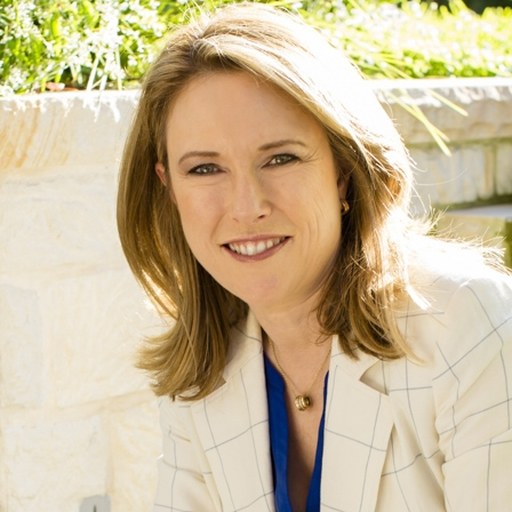
Co-host of The Elephant in the Room. Real estate agent, buyer's agent and buyer's agent mentor, co-host of Foxtel's Location, Location, Location Australia, author of Auction Ready and co-host of Your First Home Buyer Guide.

Owen Rask on Gearing, Super and Where Advice Is Heading
Owen Rask, founder of the Rask Group, joins Veronica Morgan and Chris Bates to talk about using equity and leverage to build wealth beyond the family home. The conversation covers self-managed super funds, fractional platforms, thematic ETFs, what AI could do to the cost of advice, and how to check that a financial professional is real.
In this episode, we're talking with Owen Raskovich from The Rask Group, and we're going to explore how we can use our equity in property to grow wealth in other ways.
We'll be covering the use of debt to invest ETFs, SMSFs, investment scams, and what the future looks like for those giving advice in this space. Welcome to the elephant in the room. This is a podcast where we love to talk about the big things in property that never usually get talked about.
I'm Veronica Morgan, real estate agent, buyer's agent and buyer's agent mentor, co-host of Foxtel's Location, Location, Location Australia, author of Auction Ready and co-host of Your First Home Buyer Guide.
And I'm Chris Bates, Mortgage Broker, recently ranked number five in Australia out of over 18,000 brokers in the annual MPA Top 100 Mortgage Broker Awards. Before we get started, I need to let you know that nothing we say here can be taken as personal advice.
We always recommend you engage the services of an appropriate and experienced professional. Our guest today is Owen Raskiewicz, the founder of the Rask Group, the chief investment officer of Rask Invest. He's also co-founded and is a partner at Inflection, the business accelerator.
Now, Owen holds master's degrees in financial planning and in applied finance. and a bachelor's degree in technology. And he co-hosts a number of podcasts, including one with Chris, and live shows. He's got lots and lots of listeners. And also he has enrolled now 30,000 Australians into free online finance courses.
And he's on a mission to get to 100,000 before 2027. So welcome back, Owen. It's been a few years, I should say, since we've had you on The Elephant. Good to see you.
So good to see you. Always good to chat. Owen, obviously we know each other really well, mate, and appreciate you coming on.
But before we sort of get into a lot of the wealth building around property and how to grow wealth, what's your take on the financial literacy in Australia and how it's changing over time and where we are in that journey?
Yeah, sure. Good question. A lot of the studies show that Australians are not very literate when it comes to money and investing, generally speaking. I think most people kind of assume that. But I think it's improving.
I think that a lot of the data that we see seems to suggest that more people are engaging with finances. And a good example, like a good litmus test is how many people read the Barefoot Investor book quite a few years ago. I think it's over 2 million copies sold.
And this is obviously an extreme example, but the proliferation of things like this podcast, some good books, some of the tools that we might even talk about today, I think have brought down the barriers, at least to the masses, which
Go back 30 years, only X, Y, and Z type people could get access to experts and it was really expensive. I think now the doors have opened and we're seeing this kind of deluge of information and a lot of people are receptive of that. And that's why podcasts such as yours exist.
Do you think there's a little bit of the knowledge and taking action are different things though? And a little bit of knowledge is a little bit dangerous. And I guess a lot of people pry on that type of people when they're at that start of the journey.
So people are trying to get better with their finances. They're a great target.
absolutely like you know enough to be dangerous a lot of the times too right um that i'd say um whether you're in property you know the share market business doesn't really matter but um i think what we have started to see at least in our community is people have a better understanding of kind of like the big rocks that go into building up financial kind of wealth strategy which are things like a focus on fees a focus on transparency
One of the big ones that we try and get across is how to check if a financial advisor is actually a financial advisor and like using the Money Smart website or using the ASIC.gov.au website. And that sort of thing is starting to change.
I know we'll talk about scams and whatever, but I think that's one of the things. I think another thing that's probably made things a bit easier is the tools and technology are there now for a lot of DIYs. So people through the podcast, through the blogs and whatever,
can also have very similar tools to what the experts used to have. So I think that's improved. And I think if you are the type of person that is worried about it, it's just to remember that it's your money and to ask the questions.
If you don't feel comfortable, at the end of the day, it's not your advisor's money. It's not the person on social media's money. It's your money. And that's the most important thing is just making sure that you can sleep at night. Like we have a lot of people in our community now
I don't think I've spoken to either of you about this, but we have people who invest with us and a lot of them have self-managed super funds and we don't set them up.
So we don't have a view on whether they're right or wrong for people, but people choose them to invest in property or to invest in shares. And typically they're set up by an accountant and a financial advisor, often in tandem.
And the reason that they come to us is actually because they kind of divorce their financial planner or they divorce their accountant. And then they're like, what do I do with this thing? It says self-managed on the tin, but I can't self-manage it. So what do I do?
So then they come to us. But that's an example of how maybe when people go into things, they don't fully understand what they're getting sold. And if they just ask more questions or they did more scenarios in their head, like if they're not here anymore, can I do this myself?
If not, then maybe it's not a good idea.
I wanted to talk about a few things, a few investment options that people have at their disposal, but definitely we want to talk about SMSFs because I've really noticed myself that there's this investing in property in SMSFs. I can't even say it fast anymore.
It seems to be on the rise again, sort of went on the nose. I think St. George was the last of the big banks, you know, St. George is part of Westpac, the last of the big banks to stop investing to self-managed super funds.
And that seemed to sort of coincide with a bit of a, you know, being on the nose or getting a bit out of favor. But I've really seen a lot more and I've seen a lot more in the property spruiker space selling off the plan to SMSFs.
You know, buddying up with accountants and offering the whole package. And so, what are your thoughts about buying property in super and also, I guess, this renewed fad, I guess?
Well, I mean, one of the things that I would advocate for in anyone's situation is just to be diversified. And so, that means, you know, a lot of people that might be with CBUS, for example, as a super fund, come from the construction sector.
In that instance, you have a super fund that's designed for people in the construction sector. They also draw a lot of their wage from the construction sector and they probably have most of their wealth in their property, their home or whatever.
You get a triple threat there in terms of you've got all the stars aligned and you're actually focused on that. I just really encourage people to be mindful of diversifying your wealth.
There's an old saying, an economics professor told me, sorry, Associate Professor Sam Wiley, he said that you should be really narrow in your career and really diversified with your money. And I think that's a really interesting way to look at it.
And you're right, there are 600,000 SMSFs in Australia now, billions upon billions upon billions of dollars. One of the reasons that people used to use them a lot was to set up what's called a bear trust. And I don't want to go too into it, but it's called a limited recall sparring arrangement.
which basically means that you can use your own super to buy a property. And there are certain instances where that probably is really effective. For example, business owners can own the office that they might lease back from the super fund or something along those lines.
And there are a lot of rules around that, which people get wrong all the time. So,
I would say that on the whole, as long as you're getting balanced advice, so say for example, a common mistake that I see and you alluded to it, which is that a lot of people go to the one-stop shop and the accountant knows their financial advisor who knows this person, who knows that person.
That's probably a mistake that a lot of people make. They kind of set themselves up. So the simple thing to do would be to have an accountant who's not related in any way to your financial advisor.
And that way you can go to each of them and bounce the ideas up and say, hey, my financial advisor said this.
And if you get the hesitation from your accountant that says, oh, maybe get a second opinion on that, that should be enough for you to then go, I'll go and get that second opinion.
Oh, Veronica has hit on a really good point here that I've actually noticed as well. So it's funny that you've seen this as well, Veronica. We've seen this really, I thought the writing was on the wall and, you know, SMSS were actually borrowing and the SMSS was going to go.
Well, it's a parliamentary inquiry sort of said that was the best advice, right? We saw people butchering their super funds and blowing their super funds up. And we thought maybe they'd let it stay for people in commercial, but they would ban it on residential. And, um,
I guess I was a bit ignorant, to be honest, thinking that that would happen just with how much conflicted interests are in the property market. That hasn't happened.
And if anything, what we're seeing, particularly in the last two or three years, is more and more lenders have said, hang on a sec, what are our niches that we can do? because the big banks don't play in this, is SMSF.
A lot of private funders go, well, I can play in this space. I charge a little bit more because, and it's actually lower risk in fairness, to be honest, because LBRs are quite conservative and, you know, and so they, yeah, it's definitely exploded. And I actually reckon coming from your world,
bronica more than any world where this is getting perpetuated from i think brokers are uh can talk about it absolutely but the demand's not there from customer customers really come to them say hey i want to do this um brokers probably don't usually go there that much i mean there would be some brokers there would they would try to get their resi lending and then say actually you know what why don't you leverage your super fund as well it's very dangerous to do that but um
I reckon it's coming from the buyer's agency world. The buyer's agency world's looking at going, hang on a sec, borrowing capacities are really tight. I believe in a quantity over quality strategy. I'm just going to buy as many as I can. And hey, hang on a sec, who cares about diversification?
You've got that money in Superfund. Go speak to your broker and we can buy another one. And it's going to grow so-and-so in the next couple of years. Yeah. We've absolutely seen the shift in terms of our clients.
That's a really long answer to that because before it would be, you know, clients were very hesitant in doing so, but they're almost coming now and say, hey, I've got this property that I want to buy myself. Can you make it happen? And so they've already engaged clients
the buyer's agent who's already got the property lined up and then they say, hey, can you make this work? It's a real shift. Have you sort of seen that as well? Obviously, maybe not in the REBA community, but just through the socials and through in your world, Veronica? Yeah.
Look, there's a fine line between some buyer's agents and spruiking, and they sort of pick a weak spot, I guess, and that is people who fundamentally can't afford to invest in property but want to. And a lot of people don't actually see their superannuation balance as their money.
They sort of see it as because they can't touch it, you know, until they're...
Over 60, they don't see it as theirs, and so they see it as something that they – it's the only way they can access it and actually achieve two aims in their minds, which is, you know, invest in property and –
and not miss out, you know, not miss out on this, this secret thing that everybody in Australia wants the bandwagon that everybody wants to be on. And it's, it's, it is a bit of a shame because it really is, it's designed the way it's pitched.
And some people have come to us that have already been sold this, gone down this path, and then we've got to unravel it for them, you know, because they, it's a dud asset or at the end of the day, you know, like one woman said to me, I, they've just, you know, I, I didn't realize I had to use all the cash in my super.
to buy this property. So she went in there thinking they didn't give her proper advice. They didn't even give her, she had zero accounting. I would say, I mean, if they were reported, I would like to think that they were stitched up this lot, arrested.
I mean, it was absolutely diabolical, but she was not given any of this advice. She was not explained about non-recourse loans. She was not explained.
about how you need to then have an investment strategy that has to be balanced and how can you do that when you just basically tip all of your cash into the property. None of that was explained to her and it's brand new. So she's got all this depreciation at 15% tax.
So it's horrific and she's not the only one. It's just a recent conversation with her. So, yeah, it is on the rise and it's interesting that you think it might be derived driven by the property specialists.
So Owen, what do you think people need to be thinking about before they set up an SMSF?
Well, I think it's, I would actually push back a little bit on the just property. I think there's a lot of online platforms now, like a lot of brokerage platforms and share market platforms and these types of things, even crypto we saw a few years ago.
They would basically create their platforms and then have a plugin with a third party website that does the SMSF administration and you could kind of set it up in the flick of a button.
And so when the Product Commission came out, Productivity Commission, Chris, you might remember they said that the minimum balance of this self-managed super fund should be a million bucks. And then the industry pushed back and lobbied against it. They got it down to 500 grand.
And then there are other reports that came out that basically said, well, maybe you only need 200 to make it viable. And so they just kept on like, obviously the lobby groups that are conflicted in this way were happy to keep wrestling that number lower.
And so now you see a lot of, it's actually quite interesting. The latest numbers that I had showed that it was actually women between 35 and 45, which were the biggest demographic opening SNSFs and establishing SNSFs. And that demographic is driven by this kind of tech enabled SMSF community.
So I would just say, like, I don't have an SMSF and I'm in finance, right? I could probably administer it myself. I could probably do all that sort of stuff myself, but I don't use it.
I might in the future, but for the most part, like an industry fund and you can do your own picking and choosing of your own strategy inside the portal. That's for majority of Australians. That's foreign. Yeah.
Now, obviously, there are benefits if you're in a family unit and you've got a few members of the family. That makes a lot of sense to have an SMSF because it's actually cheaper and you have more control.
One thing that I would always caution, and you asked me about transferring it, no matter what you do with your Subaru, it doesn't matter what you're doing, is just check your insurance because a lot of people...
aren't aware that they don't have income protection if they leave the super fund or they might miss out on their life insurance. And the key thing with this is a lot of people think, oh, you know, I'll just get the next insurance if I switch from CBUS to Host Plus or whatever.
But when you get your insurance, if you have anything that's out of the ordinary, you might not be covered forever when you leave. That's something which people miss all the time.
For example, let's say you go through your super fund, you get a little bit more insurance to protect your family, and you're with Aussie Super or something. They'll get you to fill out a medical questionnaire.
Let's say you let it go three or four years, and then you switch super funds, and you think, I'll just get it over. They're offering me the same rate at Host Plus, I'll just go and get that there. Well, no.
If you've got a medical condition that's appeared between you originally filling out that form and now, You have to disclose that at the new fund. And so if you've already switched, you would have lost cover for that potential medical condition when you left.
And so a lot of people don't think about that sort of stuff. But as you get older, these are things that really matter. So switching super funds, establishing SMSF, it's not as straightforward as people would think.
And it's just one of those areas which we don't want to mess around with too much, in my opinion.
So, I mean, with my super fund, like my accountant is switched up, switched on and this sort of stuff. And so I know, yeah, and he keeps me compliant as well. Right.
Um, but where do people go for good advice on how to get, how to get the most out of the super in terms of knowing the rules and at certain, I know there's, there's, I mean, if I start talking about the terminology, I sort of this vague understanding of it. Um, but.
I get it all wrong. I sound a bit weird. You know, the preservation, was it the... The preservation, yeah. Yeah, preservation. You've got to start actually drawing down at a certain age. You've got, you know, there's all these sort of different things that you need to do.
And obviously, if you're compliant, I mean, you have to do it to remain compliant at the right times. Where do people generally go to get that advice?
So typically the accountant audits the fund effectively. So they are the one that at the end of the year goes, yep, this is in compliance, issue a statement, Bob's your uncle. Now a financial advisor is the one that typically helps you day to day with the investment strategy.
You can go through your account and they can organize for someone to help you set that up. And it can just be a document, a pretty quick and easy document, costs a few hundred bucks. But for most people who are in a self-managed super fund, they do have an advisor that helps them.
And those advisors have to be specialists. So they can't just be any old financial advisor. They have an SMSF accreditation and they can help. And as you guys would appreciate more than me, is most financial advisors aren't skilled with property.
So that's a very, very fair assumption to make is that they have enough stuff going on in their world that they don't actually understand property that well.
So they might be able to caution you on some of the risks and what have you, but that's not the person that you'd want to go to for if you're going to go and buy an individual asset.
Don't go to your financial advisor, speak to a buyer's agent or someone like that that is experienced and qualified. And the second thing is, just go and get that second opinion. The accountant is the most trusted financial professional in Australia. Even like Chris's team at Flint, right? If you get...
They're going to be able to sense check. If someone says something wild, they'll tell you that doesn't seem right. Go back and check with X, Y, and Z, because that's what I would say is just leverage those professionals around you and just pick up on those subtle cues that they're giving to you.
Yeah.
What do you think, Owen? There's so much, you know, yes, I mean, super is kind of, people get excited by SMSF because they think, hang on a sec, I don't love super. I hate my funds. The funds have probably been performing really well, actually.
The fees are actually probably not as expensive as you think they are because they've come down a lot through competition and a lot of the retail banks getting out of super and industry funds winning and the banks that having to reprice them really cheap and, you know, et cetera.
Um, and I'm just going down every year. So the fees are pretty good. Their performance is probably pretty good now, right? Like, you know, super smooth performing really strongly. And,
You know, and I think when people look at their super, as long as they haven't done any stupid things like putting it to cash or they put in some really conservative fund, you know, the super thing performed quite well.
And I think what sometimes people do is they just assume because early days they had no money in it and they also thought that it was never growing. But over time, every year it compounds, right? Yeah.
And so I feel like when people, a lot of people make that switch to an SSF is that they're holding on to how they used to think about it because it's just grown really slowly. I need to leverage this because it's never going to grow.
But realistically, people should just look at it and start compounding on it and go, this is actually growing quite fast now. Do I really need to start to leverage this? And I think that's where people... They go with this idea that they have to invest it.
They have to do a better return than just leaving it in the markets when the markets themselves will actually do a good job for them, particularly if they're contributing as much as they can over the next, between now and retirement.
You don't need to then go and throw all these other ideas in there when it could have just got a really good performance by itself as long as you managed it okay.
Well, Chris, you're the expert that speaks to this, but I think it just comes down to that key phrase, which is leverage. How you gear your financial life is what we call gearing, but basically using loans or some type of way to get leverage on your investment outcome. It doesn't have to come.
If you come to my world, It doesn't have to come through a loan. You can get that in so many other ways, like through derivatives or different types of exotic types of investments. But for the most part, it's basically attaching a loan to whatever you've got going on.
And I think of this as like an amplifier with a guitar. If you're good at playing the guitar, you could use it and it would sound great and everyone would enjoy it and it'd be a good outcome.
But if you're a horrible guitarist like I am, don't plug it into the amplifier because it's going to be pretty disastrous. And I think that for most people, it's about having those people around you to get advice, to understand what's sensible.
I mean, from a professional side, when I was working at a managed fund research house, so my job was to research the professional property investors, like real estate investment trust managers, property managers, these types of people. And they would go and buy entire office buildings, for example.
And what we found is that through the GFC, the fund managers that survived had a gearing ratio of around about 30%, when most people would think that it was significantly higher than that. And those who did have that, yeah, some of them survived, but not most of them.
So the key thing was just making sure that... Yeah, you use gearing, but you use it where it's appropriate. You protect yourself. And personally, I find it a bit interesting that that regulation around gearing inside an SMCF wasn't controlled in a more structured way.
I kind of agree with you, Chris. And I think this isn't anyone's personal life. It's like there is a time in your life when... loans, leverage, financing, whatever you want to call it, are appropriate. And there are times when it's probably not appropriate.
And so one of the times when it's probably not as appropriate is when people have a bigger cash balance, let's say, or equity balance, like their overall worth has gone up because of compounding, because of contributions, because of whatever, and they start to deleverage.
And so this is a pretty common thing around retirement is you go from switching from more negatively geared to more positively geared, which is ironic because I remember when I came on the show years ago, I said, I'm not going to buy a property until I get one that's positively geared.
But I went and bought a negatively geared one anyway. So we're not negatively geared, but it's just I'm paying for it. So thanks to the help of Chris, by the way.
Yeah. I mean, the super conversation where we could go on there for all day, but I mean, I think a lot of people just really need to understand the concessional limit and look at the opportunity there because it is a little bit use it or lose it.
I mean, there is a bit of a catch-up thing that they've introduced in recent years. That's not 100% true, whereas it was use it or lose it. But ultimately, you can lose it if you don't do it within the catch-up years, right? Yeah.
And so what happens is what I find is that people go, oh, I've got a big mortgage. I'm young. I'm never going to retire, blah, blah, blah. I'm going to ignore my super, right? Maybe I get in a good fund.
Maybe I put in an industry fund or a low cost fund and it's a bigger fund. I haven't got in a big old expensive retail fund. So I've maybe done that a little bit of housekeeping, but they haven't looked at the opportunity.
And I think a lot of the opportunity comes from maximizing your contribution. If you can, depending on what you do for work and your income and your tax rate and all that sort of stuff. But when you come back, if you don't put more money in now,
When you get to your 40s and your 50s and you're a little bit better off financially and you've got it on top of your mortgage and you're feeling really strong, yeah, I could put more money in my super now. And you go, well, you can only put in 27 and a half.
Maybe it's more then, obviously. And you go, what? I wish I did it in my 30s. And so that would be my advice is that what often people do is they ignore the opportunity. They lose all that opportunity because they focus on other things.
They probably could have at least put more in, whether they could have got to the caps, a different thing. And then they get later in their life and they say, oh, I need to max it out.
Well, yeah, you max it out, A, when compounding is not going to help you the most, and B, when you can only put in a certain amount. So that would be my biggest tip there with super.
Yeah. Yeah, it's gone up to $30,000 as of July 1st, 2024. And that's the concessional amounts that includes whatever your employer puts in for you. So you can add to that.
And there was a change about three years ago that came in, which say, for example, you're on $100,000 and just going to use round figures. that your employer puts in 10%, so 10,000, that means there's 20 left over. And you can then make what's called a concessional contribution.
And basically the way that this works is you just BPay the money into your super fund. And then you go to the super fund and you say, hey, I need to fill out a form. That form is called a notice of intent to claim a tax deduction.
And that's a form that's standardized across all the super funds. You fill that in, you send it back to the super fund. And basically what happens behind the scenes is they register as a different type of contribution on your behalf. And then you can claim a tax deduction for that extra amount.
Now, this is where you get good advice and it can help you. But there's a lot of this literature available online. Chris, I couldn't agree with you more. This is particularly true for people that I would say are not that interested in finances.
Just knowing that one thing that we just said, if you're not interested in property, you're not interested in shares, you're not interested in that stuff, you're just happy to go to work, do something that's good for your financial self, just do that one thing and you'll probably get ahead of 80% of other people.
Yeah.
I mean, another thing is, you kindly corrected me, because I actually had no idea. I got up to 30,000, something like world, right? But it's 11.5% now, right? Yeah, it is. And so that's, and it's going up to 12. And, you know, there's been arguments you could even go up to 15, right?
Like to really protect. But it's interesting though, like they're wanting to say, hey, put more for your retirement. But then the other end, they're like, hey, if you use this too well, and you make too much money and you're super fun, and you've got too much money there to live on,
we're not going to give you this tax free haven like it was in the past.
Yeah, exactly.
There was, you know, there's a cap on it now and they're, they're really coming down harder and harder on this cap. And I was all for that, to be honest.
Um, you know, I think there's people who have taken absolutely advantage of the super system and, um, you know, for, for decades, um, you've got five and back in five, six years ago, there was five funds with more than a hundred million in super, which is no tax on growth, uh, income.
And so they've, they've really hammered that down. Um, But yeah, I think it's going to get harder and harder to put in a hell of a lot into super. So just don't miss that opportunity when you're younger would be my tip.
And then if you do come across a property advisor, don't tell them how much money you've got in super because some of them find it irresistible to be able to... Not suddenly try to lure you into property investment using that balance. But, you know, we talked about borrowing there, you know, just generally.
But, you know, there's a way of investing in property that probably doesn't require any borrowing. And that's fractional property investment. Now, again, a brick X, you know, that was around some years back and it seemed to fizzle out. But I hear that's back on the radar. Yeah.
What do you know about fractional property investment and what do you think about it, Owen?
Yeah, fractional property investing is very similar to fractional share investing in that basically you just take an asset which is lumpier, bigger, and you try and just allocate it.
A way to think about this may be something like if you use PayPal and you send money around the world. PayPal, all it does realistically is it has a database of this person transferred money here. Like Veronica just sent some money to Chris. Chris, credit, debit, whatever. And it's very much the same.
So effectively, you're putting money into PayPal and then let them deal with it. And it's the same thing with all these platforms. Like in the share market side of things, fractional investing has been around for a very long time. And nowadays, you can do fractional investing without brokerage fees.
So they're effectively, you can invest as little as you want and pay nothing to do it, effectively is what they're saying. Behind the scenes, they make money in very mysterious ways for most people, which includes not getting you a good deal on the actual investment.
So a good example of this is traditionally they might charge $2 or $3 for a trade in the US. They might give you $2 or $3 less of the actual shares that you're buying and just tell you that you got it at a lower price.
So these types of weird shenanigans that go on. But for those of us that have been around long enough, or even just students of history, there are examples of many of these platforms collapsing.
And my advice is to all of these investors that think that, oh, I'm just going to go for the lowest fee, easiest, lowest minimum one. That's a pretty... naive way to go about it, I think.
I think if you're starting out and you don't have $10,000, sure, maybe you can go and try your hand at one of these things, being mindful of the fees. But the reality is you can go and you can use the, say an ETF, which is a very sensible regulated thing.
And the minimum for that is 500 bucks.
If you go and you go with what we call a chess-sponsored broker, so that basically, I don't want to bore people with acronyms, but if you just look for an investment platform that has the three letters HIN on it, what that basically means is you're the legal owner of any of the investments that are inside that platform.
Right. So that's very unique to Australia. And basically what it means is that if that broker or that platform collapses, you own the individual thing and it's registered at the ASX level. So you can then go to another broker and say, hey, my hint is this number.
Can you go and get my shares for me? And instantly they'll appear in your account. So that's kind of circumnavigating that.
You know, I've always wondered what my HIN was, as in I know what my HIN is, but I didn't know what it was for. And so thanks, that's actually helped me.
Yeah, but that's it, right? And so you go back to, Chris, you might remember like Opus Prime or other platforms that have collapsed in the past. And it... It is an absolute dog's breakfast when you try and organize all that.
And so that extra little, people say, oh, you don't need it and blah, blah, blah, blah. But that's the reason why you have these things in place.
A lot of the platforms now try and bundle up these resi properties and they say, oh, you can invest like BrickyX, not singling them out, but they're like those types of platforms. you know, put $100 in, put $200 in, put whatever in.
We have this rule at RAS which is called the best expression principle. And basically what it means is if you're going to invest in anything, ask yourself, what am I trying to do and what is the risk return? So what am I trying to do?
If you invest in anything, you say property, what you probably want is you want growth most of the time. Some people want income, but most of the time you want some growth and you want to limit your risk.
So the best expression principle would say to us, how can I get growth and how can I limit my risk in a better way? What's the best expression of that thing? And for a lot of people, it just comes back to trading off Well, I could, yeah, sure.
I might not be investing in property, but I'm going to invest in shares or I'm going to invest in super, whatever. What's the best expression of that thing? And if a lot of people apply that rule, what they would do, in my opinion, is they wouldn't feel like they're committed to something.
They wouldn't feel like they have to do something because they've got this idea. They go, you know what? I just got an ETF. That seems easier. Or cash. This is a really good one. So we get a lot of people in our community buying single loans.
So a lot of people, when they invest in property, they invest in the actual property. But a lot of people in our community, they're sophisticated investors. What they do is they actually provide the funding for the properties. So this is called, in my fancy language, it's called private credit.
Basically what happens is if you want to fund a development project, you can go to one of these weird... investors and they'll give you some money, but what they expect is like a 10 or 12, 15% return over 12 months or whatever. So it's really high interest.
So they get the interest knowing that they're taking the risk over whatever it is that you're doing. It's kind of like a business loan.
But people come to me and they're like, oh. You know, it's offering 7%. I'm like, mate, you can get 5.5% from a term deposit. Why would you do that? You know, and what's the best expression? You're not going to get it. You don't actually get an upside in one of those investments.
There's no upside. It's only interest. So the best expression principle applies there just to a term deposit.
I'm on a personal mission to help more people make better property decisions and you can find out all about what I'm working on at veronicamorgan.com.au. There you will find resources for first home buyers, details about my buyer's agent mentoring program, information about my newest project, Preferental,
proactive property management in sydney or if you're looking to buy your dream home or investment property in sydney's inner west eastern suburbs or lower north shore you can connect with my team at good deeds property buyers and if you'd like a 30 discount plus free postage my book auction ready how to buy property at auction even though you're scared shitless and yes i'm a potty mouth use the code elephant at the checkout
If you're looking to buy your first home, thinking of upgrading to a new home or purchasing an investment property anywhere in Australia, we would love to carefully guide you through this journey and importantly, get the finance right. Please reach out to myself and the team at flintgroup.au.
And look, a lot of people, I don't think, understand risk.
You know, like particularly, like we were talking about fractional property investing, for example, they think, okay, it's low risk if I, A, if I don't have to borrow, and B, if I'm only buying a small portion, you know, as a fraction of the property. So they think, oh, that feels less risky.
I mean, a lot of people in property feel that their way of mitigating risk is to buy something cheap.
And so I think that's – I like the best expression rule in an environment with experts because you can sort of apply that expertise and the understanding of risk to that. But I think people probably do –
innately use the best expression rule in a way, but without actually fully understanding what it is that they're doing. I mean, you also talked about, I mean, look, ETFs, I mean, I've invested in ETFs, you know, I think over the years, I mean, actually my daughter's now investing in ETFs.
And over the years, there's been more and more of it. And certainly I've noticed a lot more people seem to understand what they are. But at the same time, I've seen some pretty crazy ETS, some pretty that seem risky to me because, you know, that sort of comes across as being low risk.
You're just buying a piece of the market effectively. However, they're not all like that, are they? There's some funds that are...
Not, I don't know, some index funds that I think I wouldn't touch with a barge pole, but do you see that sort of risk playing out into that space, which is typically seen as being sort of a low cost and less risky way of investing?
Oh, yeah. Finance people will always try to find something to sell you. And yeah, we see that. We call these thematic ETFs. They're typically the ones that focus on sexy stories like, oh, there's a shortage of food in the world. So someone comes out with a food-related ETF.
Or cybersecurity, CrowdStrike just went down, cybersecurity ETF.
Oh, look, people are getting older, healthcare ETF. They'll come out with one.
Now, not all of them are bad, but I think for the most part, the simple rule of thumb that you can apply is, has this ETF been around for three years? A performance chart should only ever be studied for three years because- realistically, you're not buying last year's results.
You're buying the future and the future for most investors is typically three plus years. And that's the view kind of with ETFs and people in property would say it's like seven plus years or five, maybe the lower end.
So the thing is a lot of people don't approach it that way with shares because they can sell every day if they wanted to. So they feel like they don't have to approach it like that. But ETFs are designed for long-term investing, not short-term investing. What the finance
overlords are trying to get you to do is to trade them to go in and out and so one of the things that they do is one of the things that they try and do is they use there are leveraged ETFs in particular that I don't ever talk like I don't ever want to talk about leveraged ETFs basically what we said before where the ETF itself
uses debt against the ETF and you can just buy the ETF without getting a loan yourself. And it sort of amps up the return, positive or negative.
But for anyone that's studied these things or things in general, what you will find is that if you lose money, so say you have to start with $100 and you lose 20%, you're at $80. To get back from $80 to $100 is not a 20% return. So you end up with $96. Yeah.
So, you've lost money even though the return looks the same. The leverage is more powerful on the way down, and that's called volatility decay. So, we see weird shit all the time in finance, and they try and sell you it. The most boring stuff is the best.
It's kind of like when you go to the supermarket. All the good stuff is around the outside, the things that are healthy for you, the fruit and veg. All that stuff's around the outside. You go into the middle, things get a bit weird.
So just stick around the outside, stick with the stuff that you understand, and you'll be okay. And just keep an eye on those fees.
That is so funny, the unsexy stuff. But it seems impossible to get holistic advice. It seems impossible for many people to get any advice or at least cost-effective advice. Do you think that AI is going to change that?
Oh, yeah, yeah. So, yeah, in a huge way. So, yeah, I mean, this... So, as someone who just loves technology, I think it is. I think it's... And it will be better. Chris asked me at the top of the show, will financial literacy get better?
Absolutely.
Because, like, say, for example... If you're listening to this and you came to me tomorrow, you saw me on the street, say, hey Owen, how are you going? Can you tell me what you think of Telstra shares? I would say, actually, I can't answer that unless you sit through a statement of it.
You want to get a statement of advice, you do your risk profile, do a fact find, it's $5,000 later. Right. So what AI is going to do is it's basically going to say to hell with that. That's craziness. You could just ask me questions.
And so you can go into chat GPT right now and you can say, hey, what are the top performing investments over the last 10 years? How does Telstra make its money? You know, what is the total valuation of Telstra? You know, you can answer these questions and it's basically the wild west.
Yeah, because can you trust the answers? That's the problem, isn't it? Because like, you know, I've heard many times said that AI can lie convincingly. And I've seen it myself with questions that I've put in there. I've asked for evidence.
I've been given evidence and I've gone and fact checked the evidence and found it was fabricated by the AI. So how can people, I guess, rely on it with any sense of confidence? I mean, they will use it. But is it going to help them?
So it's about knowing like what is sensible and what's not. Like, for example, someone in our community went to the new Meta AI engine, which is available inside any Facebook app. And they said, build me.
Actually, you don't have to be inside Facebook to use it. I use it a lot outside of Facebook.
There you go. I didn't know that. I'm not a prolific Facebook user, to be honest. You could just ask it, say, hey, build me a diversified portfolio, and it came out with 10 ETFs. It was pretty sensible, to be honest, for the most part.
Then on the other side, they went to ChatGBT and they said the same thing, build me a portfolio, and then you can go on and on with a different list. All of them came back with very similar results.
What was interesting is they all had this kind of academic approach because they'd all obviously scraped the same websites and been fed the same stuff. But none of those ETF portfolios are probably the best for what they were trying to do as someone who studies this stuff day in, day out.
Now, it was effectively recommending the same ETF in different forms, so it wasn't perfect, as you say, and I wouldn't trust it. We've tried to use it for a lot of different things, but it's basically two sides to an AI model, and one of those is what it's fed with.
Basically, what you feed it is what you'll get back. And so a good example of this is we've done, I think it was Kev working today. I think we've done 1600 podcasts at Rask and we got approached by a software engineer. I would have been say six to nine months ago now.
They wanted to test this idea that if they could get a transcript for every single one of our podcasts, every single transcript of all 1,600 shows, and said that to the AI, would it give the same answer that I might give or one of our hosts might give?
And they're still working on this project, but I would be willing to bet that if you fed it the right stuff, it would summarize that information in a meaningful way. And that's the difference. At the moment, they're just scraping whatever the ether throws back at them.
Yeah.
But if you feed it the right stuff, I think that's what's going to be different. And I think the move towards iOS 18 on Apple, the Apple intelligence, we've seen that. I think that will be a big step change for people. Yeah.
You can see it in the advice world, right? Absolutely. Like going down to product selection and picking the right product for people, maybe that will absolutely happen in time. But the most important part is actually how you structure things and the decisions you make.
And one of the things, not the advice world want to tell you this, is that great advice should be, what do you call those call cards, those file effects thing? There's a book that's written, there's seven things that'll get you 80, 90% of the results, right? Making sure that...
You're spending less than you earn. You're investing that in, you're paying off debt. You're investing that in funds. Structurally, there's a number of decisions. And ultimately, that's what most advice needs to be is, right, okay, so you're in this situation. Tell me your situation, right?
I could, you know, reverse engineer that by just asking you a few more questions, you know, bit by bit, and then sort of decode that to a point where it says, well, you should, A, one, make sure that your home loan's at a good rate and you structure your loan the right way, you know, et cetera.
So I can see it heading in that way. I mean, you've seen a lot of platforms try to play at this level, but... I think it's a human using the tool is a bit hard, right? You've sort of put, and what people really want is that sort of scenario analysis.
So, you know, why should I put money into my super versus pay my mortgage off and ask that question and then learn it. So I think that chat experience with advice would be, would be really powerful because advisors, to find it really hard to give this advice, right?
It's not that we're trying to say advisors don't add value. It's just that everyday Australians can't afford to pay what an advisor needs to run a profitable business. And so there's a need for this solution, but not because an advisor is not valuable to everyday Australians.
I actually take this as an interesting thing for like, we're just talking about kind of AI's impact on financial services and industry across all industries. Like when you go and see a finance person, it doesn't matter if they're in property or whatever.
I take this to mean something different for people in our world, which is that I think you just have to recognize that your role as a financial person and helping other people understand investing is actually just going to be more human.
I'll just chuck that into my spreadsheet for you and see what it says. It's going to be more like, how does this make you feel? Let's talk about this. Let's get through this. Put your mind at ease.
A good example of this is a guy called Jim Simons, who's a mathematician that used to work.
During the Cold War, he used to work for the FBI and ended up writing a public letter to the head of the FBI saying that he was a bit of a whack job and whatever, and that he lost the job. Anyway, he looked around and he thought,
What can I apply my mind to? And it's probably in the top three mathematicians of the last 50 years.
He saw that the stock market had a really interesting universe around it, which was that it's built on numbers, it's built on data, it's pretty structured data, it's X and Y, it's left and right, whatever. He created something called Renaissance Technologies, which people can go ahead and Google.
People say Warren Buffett's the best investor in the world, but Jim Simons, I think he compounded at about 38% for 30 years.
Yeah, and he retired with $20 billion not too long ago. But the basic idea was that he was, this is in the 1980s, he was looking around and he was seeing what the financial world was doing.
And he could do things like, him and his team of PhDs, they could do things like if the weather in Paris was 0.5 degrees warmer, the stock market might go up 0.1% more. So invest more on that particular day.
Until that time, no one had ever thought that something so bizarre like that could ever have an impact on the stock market. He was doing that 30, 40 years ago. This is the lesson. He was doing that 30 or 40 years ago.
If you think, if you're an investor in the stock market, that your edge and the reason that you go and do that is because you can be better than other people at picking individual stocks and trying to figure out which one's going to go up a little bit more.
That's who you're up against. And not only that, you're now up against an infinite number of AI agents around the world that are going to try and do it better than you. So what are you left with? You're left with the human side.
And for financial advisors and for mortgage brokers, buyers, agents, what you're left with is this wonderful thing where you have the tools, you know how to use them. Now, all you've got to do is help your client understand that. And I think that's really interesting.
And I think more consumers will get a sense of this next year when Apple starts to release its new devices and it starts to ask for $4,000 or $5,000 per phone.
And it says, hey, in this new iPhone, you can have someone that's got an IQ of 160 that knows you and likes you and responds to your weird quirks each and every day. And it's going to help you answer questions and it's in your pocket.
I think that's what's going to be a real game changer for people and they're going to realize where this could go in terms of being able to speak with someone that has a real breadth of knowledge.
If you can answer my emails for me, I'm signing up. Like, give me that device. You know, it is interesting. I'm using, as you're sort of talking through that, Owen, I'm using through some of the conversations that I have in my strategy sessions with people and so much of it is around
their feelings really about what's happening you know I spoke to an old client yesterday and so she's um you know she's I bought for her home 12 years she's been in this home loved it I've barely heard from her the whole time you know sort of um absolutely loved it but she's um her neighbor's
got a da approved and so she's like i don't want to live through that i'm not interested i don't like what they got approved i objected to it but i don't like it and and and i'm gonna move and so it was like okay well can we slow this down a little bit i want to really understand more about what's going on and look ultimately she she had a long a sort of a medium term plan to to relocate anyway so she's just she is going to bring that forward but it's more about well
How about we slow down? Because when you're in this sort of mad frenzy about something that you're obviously disappointed, it's loss aversion that's kicked in even before you've actually experienced a loss.
But there is a loss that you're experiencing now, and that's this loss of security, effectively, that that's going to stay the same, you know. And just being able to talk through, she came back and said, oh, thank you so much for the calm voice of reason, you know, and
We haven't actually done anything yet except have a conversation and really just walk through and pull out and tease out the things that I know emotionally she's going through. And it's quite normal to have reactions to stuff, but let's just talk through that.
And let's then talk about the actual mechanics of what happens once a DA is approved. It may not actually ever get built. It's not going to be built tomorrow, even if it is, you know, in the immediate future.
It's all that sort of stuff and that is also years and years and years of experience and it's also personal experience and it's also having dealt with other professionals in allied industries, you know, so we've got the brokers and the accountants and the financial planners and the architects and the builders and all the other people that I've dealt with over the years.
And I guess AI could fast track perhaps, but I wonder how AI would cope with actually talking somebody down from a bit of a panicked response to something like that.
There's a platform in the US called Betterment. There's another one called Wealthfront. These are the two big operating systems of how you can invest money in the US through a robo-advice type of system.
One of the things that it does, which is quite interesting, and we can't do it here because of weird financial laws, but if you log into one of those platforms, you could log in and you could go to place a trade on an investment.
So whatever the case may be, it doesn't really matter what it is. And it would tell you, based on the number of clicks and how quickly you made those clicks, it would say, based on all the information we have available, in 64.2% of the time, people who make this trade lose money.
And it can block you. You can effectively put blocking in place so it can stop what it thinks is a behavioral anomaly. But I'll give you a good example of how you could use this and how consumers could get a better outcome.
I was speaking to a financial advisor last week, works with us. He uses Microsoft Copilot to attend his meetings with an initial client when they come in. Yep.
And what then it does is he's effectively set it up so that co-pilot listens to the interview, does a transcript and summarizes the transcript and then sends it to both him and the client.
I did a similar thing. And I used to write up the advice afterwards. And now this thing, I literally, I just run through it, quickly edit it. It takes me five minutes instead of an hour.
And it's great from your perspective, because it's also a compliance thing. If they ever come back and complain in the future, you go, no, well, you said this is the transcript. And from their perspective, they get a summary like, oh, no, actually, I didn't mean that. I meant this.
And then you both meet at the same level in the same way. And I think that's kind of how this world will evolve. I think that's the kind of assistance that...
people will see in financial worlds, but also in their everyday life where those tasks are just menial and you can get back to doing more important work. Very interesting. Arwen, have you got a probably dumbo for us?
No, no, no, before you get into that though, I want to talk about scams because the reality is that in this environment where we're more and more reliant on technology and we're trusting technology more and more.
And of course, our digital environment is, we already know, rife with scams and all sorts of horrible stuff.
How can we guard against scams in this environment? Yeah, they're on the rise. We did a really fascinating podcast, or Kate did it over on Australian Finance Podcast,
um which was which was with a woman by the name of wadzi w-a-d-z-i if you just google rask wadzi it'll come up um and this was a fantastic discussion about some of the different strategies that are happening around the world through these scams scam is different to fraud by the way fraud is like straight out people take your money the scam is when you kind of fall into these things yourself and you end up sending money to something that doesn't even exist at all it's a bit weird um
But basically, the key thing is we're going to be more dependent upon technology as time goes on. And so how do you prevent and how do you understand who's who in the zoo, so to speak?
I think there are many different really good, there's a lot of free resources online for doing cybersecurity basics and these types of things. But when it comes to finance, one of the key things is never obviously take advice over WhatsApp. That would probably be my golden rule is never take advice over WhatsApp.
Don't ever do it on Telegram either or Discord. Those three things are red flags in my mind. But what I would say is that you can go and check the official registers for financial advice in particular. So there are two ways you can check. One is go to moneysmart.gov.au. That's a government website.
And basically what it does is it lists all the financial advisors. You can search by name, you can search by whatever. And the other one is the more official one, which is ugly as sin and it's a horrible user experience, but it is the official database, which is ASIC, A-S-I-C.gov.au.
And you can search something called the professional registers. And so if you were to search for my name or you were to search for Brask, which is the name of our business, that would come up in there and it would tell you if we're licensed or not.
Melissa Caddick would not have come up in there. She would not have come up in there, no. So you'd be surprised at the things that don't come up in there. Like I was up in Queensland not so long ago.
Someone handed my wife, like they were just one of these timeshare sellers trying to, you know, flog something. And he's like, oh, I'm a financial advisor. This is my ticket. And it looked legit. Like he handed us a pamphlet. He sat us down. It all looked legit. And I was just curious.
And he handed all the quote unquote official documents to us. But when I took that number, because I know what to do, I took that number that he had on this document and checked it in the ASIC website. It was fictitious. It was complete make-believe. And that's how easy it can be.
That's obviously a different type of thing, but just check those official registers is what I would say.
Absolutely, mate. I know that you've been hit with a bit of this stuff yourself as well. You know, people trying to pretend they're you and, you know, use fake accounts, which if you go on TikTok or Insta and, you know, social platforms, people very much likes it.
jump on to people with communities, people who've got trust in audiences. And so I haven't been targeted yet, so maybe I haven't got enough trust out there. I'm not as big as you yet in the audience side.
What has happened? I'm curious quickly because, you know, particularly that we create these podcasts, there's video of us, there's audio of us, it's raw material. If someone wants to create a virtual, you know, Chris or me or you, Have they created a virtual you?
Have they? So that's yes in a way, but basically what they do is they clone the brand. So they'll go in and clone all the videos, all the podcasts, and they'll make it look legit. Shit. And then they have actually attempted to scam.
And basically the key ways, again, just to know is they, it's very hard to know because meta like Facebook, Instagram, TikTok, Google, they all accept advertising from those brands.
scammers and they look legit and it's got paid advertising it looks legit but it's not us and so if even with you guys you want to have your official usernames on your website so people can verify um but the other thing is again no whatsapp no telegram no discord if anyone tries to communicate with you in a financial professional way
That is never okay. It should be on an official medium. So that would be the first thing. But yeah, we've had people, turns out we had some scammers try and replicate our brand a few times and we've had to remove ourselves from certain platforms because we just couldn't do anything about it.
But one of the things is we expected it to be Iran, Russia, some weird mainland China city. which is where we do a lot of jail blocking anyway.
But what we found was that actually one of the scammers was from the US and had about 10 or 12 different accounts set up at the same time scamming different brands. So yeah, it's not what you think and it's easier said than done. So just be very cautious.
Well, all right. Chris is going to ask you. Probably Dumbo made to finish us up today.
Yeah, I thought I could buy a positively geared residential property on a good street. And that didn't happen. But I still managed to get the good property on a good street, just not positively geared.
So you can. You just have to have a huge deposit. Yeah, and I didn't have that.
Sorry.
What about, I mean, is there any learnings you've sort of gone through that? I mean, I think you've done all right, right? But is there any things that you wound yourself back to that decision where you thought, oh, I still do this now.
I look at all, you know, and I go, oh, probably wasn't acting completely rational back then. Probably a few mistakes I made and wish I didn't do certain things, whether it was overcapitalizing on a renter or type of property we bought or, you know, maybe we're patient enough.
What sort of things did you, is there anything you can sort of self-reflect on?
Yeah, there's probably two big things. One is that, and people that don't know this, Chris is actually my mortgage broker, so he knows this better than anyone. But I basically didn't do enough research on who were the financial experts in my corner. early enough.
And so I'd already signed the, yeah, we're going to buy this property. Then I called Chris and I said, mate, turns out I've got about seven days. So I need you to help and I need it quick. That was such a stressful week for me. So that's obviously the first thing.
And now as I reflect back on it and I look forward is if we're going to do something else with our financial future in terms of our property, we do have a dream to move to
It doesn't have to, like not necessarily anything big, but maybe even five acres is big to some people. But for me growing up where I did, it's not, but five acres would be great. If I do it this time around, I'm going to use a buyer's agent. And the reason is that I...
My partner and I, we love inspecting places. We love doing this. But I think when you go and you take something meaningful like that, it's worth spending the money on. And we're looking down on the Mornington Peninsula in Victoria. And so those properties aren't always easy to find.
And when they come up, they're probably gone before they hit the market. So having expertise on your side, those would probably be my two, that's like two in one, but that's definitely something. Get onto them early and plan ahead.
And can I add in there, make sure you get somebody who's a local specialist in the area in which you want to buy. It's on the ground and lots of experience in that area.
You probably know that, Owen, but just in case anyone's thinking, oh, I'll just get anyone from Melbourne because they're like a few day trips. No, no. No.
That's great advice. That is great advice. Yeah. Yeah, if you know any good buyers, I don't know, maybe we can chat up here.
I do actually know a couple that are very familiar with the Peninsula. So when you're ready, absolutely.
Yeah, yeah, yeah. And that's the thing. So that's what I would do is get in touch with them early and, yeah, just plan ahead.
Jolly good. Thanks so much for that, Owen.
Thanks so much, Owen. Yeah, absolutely. Always enjoying the chats and, yeah, wish you all the best and we'll talk soon. Thanks, guys.
If you have a question that you'd like us to answer in an upcoming Q&A episode, you can send us a voicemail or written question via the website theelephantintheroom.com.au or you can email us directly at questions at theelephantintheroom.com.au. If you like what you're hearing, please share this episode with others you feel would benefit.
And while you're at it, why not leave us an iTunes review? Five stars would be great. I know that sounds a bit cringy but we have it on good authority that every review helps make it easier for other people to find out about us and hear what our amazing guests have to say.
Key takeaways
- Rask puts Australia's financial literacy as low but improving, crediting books, podcasts and free tools with dropping barriers that once put experts out of reach.
- He cited 600,000 SMSFs in Australia on air, a count the ATO put at 680,301 in June 2026, and traces the proposed minimum balance sliding from $1 million to $500,000 after industry lobbying, with later reports suggesting $200,000.
- He warns against the one-stop shop where the accountant and the adviser are connected, and says an unrelated accountant gives you a free sense check.
- The listed property fund managers who survived the GFC carried gearing of around 30 per cent, which he offers as a reference point for anyone amplifying returns with debt.
- His best expression principle asks what you are trying to do and what the risk and return are, which is how he dismissed a 7 per cent private credit offer against a 5.5 per cent term deposit.
- On scams, he says advice never arrives over WhatsApp, Telegram or Discord, and points to moneysmart.gov.au and the ASIC professional registers as the checks to run.
Are Australians Financially Literate?
Owen Rask, founder of the Rask Group, says the studies show Australians are not very literate about money, but that it is improving. His litmus test is the Barefoot Investor, which he puts at more than two million copies sold, alongside podcasts and free tools that dropped barriers once keeping experts out of reach.
What has changed in his own community is a focus on what he calls the big rocks: fees, transparency, and checking that a financial adviser is actually one. He points listeners at the Money Smart and ASIC websites. Chris Bates puts it to him that people starting out make attractive targets, and Rask agrees.
He describes people arriving at Rask holding a self-managed super fund they cannot run, after parting ways with the accountant who set it up. His reading is that they never understood what they were sold, and one scenario question would have caught it: if that person is not here any more, can I do this myself?
Should You Buy Property in a Self-Managed Super Fund?
Veronica Morgan raises property inside self-managed super and the spruikers selling off the plan into it with an accountant attached. Rask starts with diversification, describing a construction worker in a construction sector fund on a construction wage with most of their wealth in the family home. An associate professor once told him to be narrow in a career and diversified with money. Dr Nicola Powell reads that market through its own record, down to the asking prices vendors quietly revise mid campaign.
He put the number of SMSFs in Australia at 600,000, a figure the ATO has since taken to 680,301 in its June 2026 quarterly report. One driver was a bare trust under a limited recourse borrowing arrangement, which lets people use their own super to buy property. The mistake he sees most is the one-stop shop, where the accountant knows the adviser who knows the next person. His fix is an accountant with no relationship to the adviser, so each can sense check the other.
His caution on any super switch is insurance, because people lose income protection or life cover when they leave a fund, and a condition that appeared since the original questionnaire must be disclosed at the new one. Two settings quoted on air have moved since: compulsory super reached 12 per cent on 1 July 2025, and the general concessional cap went from $30,000 to $32,500 on 1 July 2026. On gearing, his reference point is the GFC: the listed property fund managers who survived carried gearing of around 30 per cent.
If you are a horrible guitarist like I am, do not plug it into the amplifier, because it is going to be pretty disastrous.
Owen Rask, 20:35
| Figure | As Stated In the Episode |
|---|---|
| Self-managed super funds in Australia | 600,000 |
| Minimum SMSF balance proposed, then lobbied down | $1 million, reduced to $500,000, later reports said $200,000 |
| Gearing of the property fund managers that survived the GFC | Around 30 per cent |
| Concessional contributions cap from 1 July 2024 | $30,000, including employer contributions |
| Compulsory super rate at the time of recording | 11.5 per cent, rising to 12 |
| Minimum to buy an ETF, as he described it | $500 |
Figures as stated between 7:07 and 29:00. Quoted as aired.
How Do You Pick a Fractional Platform or ETF?
On fractional property investment, Rask sees the same mechanic as fractional shares: take a lumpy asset and allocate slices of it. Zero brokerage does not mean free, and he describes platforms earning money in ways most people never see, including handing you a slightly worse price.
His structural point is ownership. A CHESS sponsored broker gives you a HIN, which makes you the legal owner of what sits in the platform, registered at ASX level, so if it collapses you take that number to another broker. Past collapses, he says, were a dog's breakfast to unwind, which is why the protection exists.
Against the low fee, low minimum instinct he sets his best expression principle: ask what you are trying to do, then what the risk and return are. It is how he dismissed a 7 per cent private credit offer when a term deposit paid 5.5 per cent with no upside either way. On ETFs, his rule of thumb is whether the fund has existed for three years.
Just stick around the outside, stick with the stuff that you understand, and you will be okay. And just keep an eye on those fees.
Owen Rask, 37:13
Will AI Make Financial Advice Cheaper?
Morgan asks whether AI will make advice affordable. Rask contrasts it with the current path of a statement of advice, a risk profile, a fact find and $5,000. Someone in his community asked Meta AI for a diversified portfolio and got ten ETFs he found reasonably sensible, though the models returned similar answers, fed the same material.
He tells the story of Jim Simons, the mathematician behind Renaissance Technologies, who he says compounded at about 38 per cent for thirty years and retired with $20 billion by finding relationships nobody thought existed. That, he says, is what anyone picking individual stocks is up against, alongside an infinite number of AI agents. What is left is the human side of the job.
For financial advisers and for mortgage brokers, buyers agents, what you are left with is this wonderful thing where you have the tools, you know how to use them. Now, all you have got to do is help your client understand that.
Owen Rask, 45:35
On scams he separates fraud, where money is simply taken, from a scam, where you send it yourself. His golden rule is that advice never arrives over WhatsApp, Telegram or Discord. He also describes a Queensland timeshare seller whose official looking licence number was fictitious, and scammers cloning the Rask brand through paid social ads.
| What You Are Faced With | What He Says To Do |
|---|---|
| Someone claims to be a licensed financial adviser | Search their name on moneysmart.gov.au |
| You have a licence number on a document handed to you | Check it against the professional registers at ASIC.gov.au |
| Financial advice arrives by WhatsApp, Telegram or Discord | Treat all three as red flags and do not act on it |
| A branded account or paid ad looks like a firm you follow | Verify the official usernames listed on that firm's own website |
| Your accountant hesitates about your adviser's suggestion | Take the cue and get the second opinion |
As described between 3:38 and 54:44. Descriptions as stated on air.
Does Your Income Refuse To Fit a Payslip?
This episode keeps returning to structure, diversification and asking the second question before you commit, and structure is where equity rich borrowers with company or trust earnings tend to stall. The Alcove team works through complex income lending with those clients every week.
Premium Mortgage ServiceSources referenced: The Elephant in the Room Property Podcast, episode 351, "Why Owen Rask Believes Equity Is the Most Overlooked Wealth-Building Tool", released 2024-09-22. Host: Chris Bates (Alcove). Guest: Owen Rask, founder of the Rask Group. Figures are quoted as stated on air. Figures marked as updated were re-checked on 2026-09-10. Updated figures: SMSF count, ATO Self-managed super fund quarterly statistical report June 2026, published 8 September 2026; super guarantee rate and general concessional contributions cap, ATO key superannuation rates and thresholds, as at 10 September 2026.
Press play on these