Curious about upgrading?
Wondering where to start?
Complex questions that need answers?
Is there a better structure for you?



"They managed to navigate my complex expat income and even got my Google RSU income approved as well."
"I highly recommend Alcove to anyone looking for a mortgage broker who is responsive, trustworthy, and truly cares about their clients. Thanks again to the whole team for making the process such a positive experience!"
"As founders, we're constantly jumping between things so having a partner that handled the details & made the process super clear made the buying process breezy for us. Very happy with the experience!"
“It almost felt like it was his responsibility to make it clear to me, not my responsibility to understand it.”
“I've been pretty much fully leveraged the whole time. So the sounding board on that, in terms of what was achievable, what wasn't — I think trust is just built along that.”






"Alcove has been a great partner. They look after my audience properly, keep things simple, and deliver real value. I’ve got full confidence referring clients knowing they’ll get honest, straightforward advice."

"Property is one of the biggest financial decisions people make. Alcove stood out because they take a strategic approach to lending - helping clients structure property and debt decisions in a way that genuinely supports their broader financial plans."

Adapted from audio. This article is a written adaptation of the original podcast episode. Sources and dates are shown with each figure.
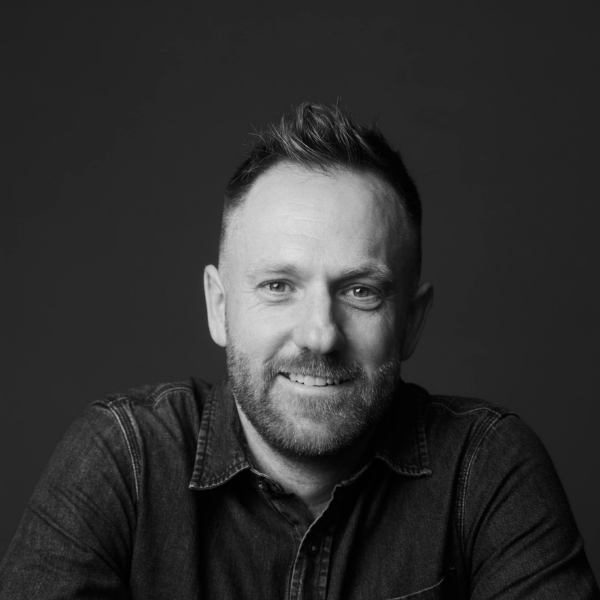
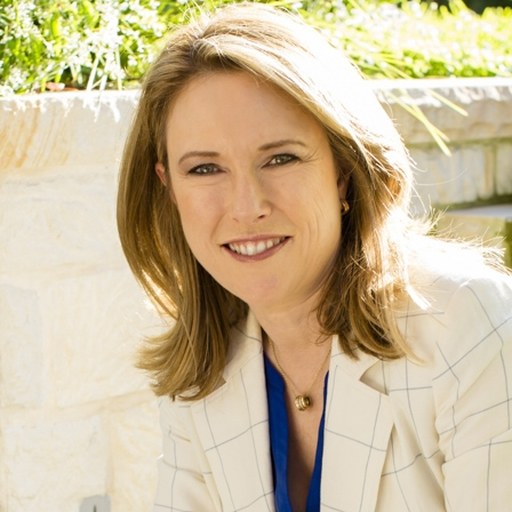
Co-host of The Elephant in the Room. Real estate agent, buyer's agent and buyer's agent mentor, co-host of Foxtel's Location, Location, Location Australia, author of Auction Ready and co-host of Your First Home Buyer Guide.

Margaret Cook on What History Says About the Brisbane Floods
Historian Margaret Cook wrote a history of Brisbane floods after 2011, when the city's surprise struck her as odder than the water itself. She traces the one in 100 misunderstanding, the money spent after the fact, and what a Queensland buyer is never told.
The devastating floods experienced along parts of the eastern seaboard in March have reminded us of the folly of man's efforts in trying to tame the environment and the futility in trying to hold nature at bay.
Regardless of whether you agree that climate change is responsible or your denier claiming that we've always had floods and why not add in droughts, bushfires and cyclones while you're at it, it's hard not to scratch our heads at the absurdity of rebuilding destroyed homes and towns located on floodplains.
Yet that's precisely what's been happening in this country for over two centuries. Granted, this is a terrible dilemma to be faced with. Scrap everything and start again, or throw money at the problem and hope it goes away. But when are we going to start to learn from the lessons of history?
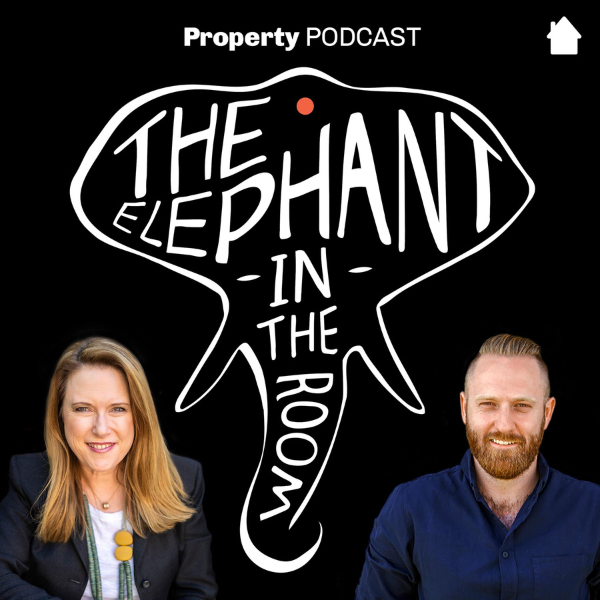
Welcome to The Elephant in the Room. This is the podcast where we love to talk about the big things in property that never usually get talked about. I'm Veronica Morgan, real estate agent, buyer's agent, co-host of Foxtel's Location, Location and Location Australia, and author of Auction Ready.
And I'm Chris Bates, mortgage broker. Before we get started, I need to let you know that nothing we say on here can be taken as personal advice. We always recommend you engage the services of a professional.
Don't forget that you can access the transcript for this episode on the website, as well as download our free full or forecast report, Which Experts Can You Trust to Get It Right?
Brisbane, our third largest city, the one with the largest population growth over the last two years, has flooded twice in the last 12 years, each time on a devastating scale. In this episode, we're taking a look at Brisbane's history. How long has the flood risk been apparent?
Were there warning signs that were ignored during colonisation? And what was the point of no return in the construction of a city on a flood plain? Dr Margaret Cook joins us today to share this story.
Margaret is a history lecturer at the University of Sunshine Coast and author of a book titled A River with a City Problem, A History of Brisbane Floods. We are looking forward to this chat today. It's quite fascinating. And Margaret, we really thank you for joining us.
I'm really looking forward to this chat too. Thank you for having me.
Margaret, so good to have you on. How I found out about you was one of our avid listeners actually sent me a message and said, you've got to interview Margaret. I'm reading her book. It's amazing. And let's just start there, to be honest.
What led you to sort of, why is this your passion, I guess? Why did you write this book? Well, I'm a historian. I've always been interested in people. That's my passion. And I always think history is a really good tool to understand people and the world we live in.
But what I looked at after the 2011 flood is I just thought, wow, this has happened before. And yet we all seemed really, really surprised. And then we had this big inquiry and they just focused on Wivenhoe Dam and all the things that possibly went wrong.
And I thought, oh, come on, there's more to this. We've flooded before. Who's written about this? And I discovered not very many people have written about it at all. And that's the story. And my antenna went up and I thought, oh, oh, here's a story that I need to tell.
So it led to a PhD and then the book.
So it's a long, long process of research. I've been reading it and I haven't got all the way through, but I have to say I was really struck while reading about the floods of 1893 in Brisbane and the parallels with the recent flooding in Lismore.
And given the devastation after not one, not two, but three floods in quick succession, I really can't believe that they rebuilt Brisbane. What do you put that down to?
A fallacy that we contain nature. We don't really understand the rhythms of nature, I don't think. We sort of thought, oh, well, we had one flood. We won't, it won't happen again in our lifetime. We'll take our chances.
I think you'll find in the property market that people have a weird perception of risk. I don't know, maybe they think they survived one flood, they'll be Superman and bulletproof next time. So I think people are potentially gamblers and take their chances.
Is that what the sort of 1 in 100 thing is? It's like the gamble, like, okay, I know if it's flooded in 2011, it's unlikely to happen to 2111, and then it happens 11 years later when it's still really, the chance is really 1% every year, right?
I mean, and it's more likely to be higher in, you know, when there's El Nino and all, I'm not saying I'm a weather expert at all, but, you know, are those 1 in 100 year floods, are they going to get adjusted to sort of, you know, new benchmarks because they're obviously not right?
Yeah, well, 1 in 100, you've got it right. It's your 1% chance every year. But, you know, in an El Nino year, we all know it rained a lot in the last few months. I mean, it's still raining. So the chances are of a flood are much, much higher, aren't they?
Because there's going to be no water being absorbed. It's all going to run off somewhere. Whereas when it's really dry, the soil and trees can absorb some water. So, yeah, they're already talking about that language being out of date.
It's also not very helpful because it gets us this crazy idea that we can sit back and relax for 99 years. And people, you laugh, but people see that and think that and they think, oh, well, done and dusted, it's all good. I've said that. No, it doesn't mean that.
I've misunderstood that. You know, I have. And I was a bit shocked when I discovered that, oh, oh, that's, yeah, the one in 100 being the probability of it happening in any year as opposed to happening in 100 years.
And it is actually reported in the media as if it's only going to happen once every 100 years as well. It is. If you live for 70 years, which most of us do now, you're probably going to see two of them. At least.
But as I showed you in 1893 and as Lismore is known to their detriment at the moment, you can get two in the one month.
In these one in 1,000 year and one in 5,000 years, are they going to sort of get recoded to sort of say, well, one in 1,000 years is actually now a new one in 100 years?
And, you know, are we starting to find that all the old metrics, have they ever changed as well? Like have they always been one in 100 years since, you know, they started doing these things? Yeah, they have changed. And they're sort of just tools to be able to compare floods.
They sort of don't really mean that much to people like us. To hydrologists, it means a lot more. They have things they call these probable maximum floods, and they're revising them up all the time. Because climate change is making a difference, it's most likely going to make those floods a lot higher.
They actually increased Wivenhoe Dam, the height of it, a while ago. And, you know, the discussion about Warragamba at the moment is about raising the floods. Well, the dam height, you should say. So I'll say that again. The Warragamba debate at the moment is about raising the height of the dam.
And that's in part in response to this idea of this possible maximum flood being higher. So they are already raising the possible heights of floods. So that terminology is becoming less relevant and less understandable.
One thing that we talk about all the time on The Elephant in the Room is human behavioural biases. You know, we talked about recency bias, so we forget about floods, we forget about bushfires, we forget about all this stuff, and then we have that fallacy of we contain nature, another bias.
Then you've got this idea that, okay, sunk cost fallacy, right? We've already sunk so much money. We've already built cities in these areas. We've already, you know, and so we just got to keep throwing more and more money at the problem because we've created too big a problem to reverse out of.
I mean, a similar thing in Noosa, you know, the Noosa Sound, you know, they're reclaiming all this land and a lot of it is around property as well, property development, let's face it, and, you know, making money for some people and then other people are suffering.
Ultimately, the property owner is the one that suffers. Yeah, well, we talk about this thing called path dependency, which is an economic theory, which is the reluctance to change. The example that they always give is the keyboard that we currently use.
If you look at your keyboard, it's the one that we used to use for a typewriter. So the little feet didn't get in the way. But we don't have little feet on our keyboard anymore, but we still have the QWERTY keyboard.
And it might not actually be the most ergonomically best way to type anymore, but we're so addicted to that keyboard, we're not going to change it.
So we keep building in Noosa or Lismore or the Northern Beaches or wherever because they're often beautiful places to live and we've always lived there and we've always done it. So there's sort of this habitual problem. There's the legacy problem that we keep doing it. But you're right.
The Lord Mayor in Brisbane has said that we're going to spend $2.5 billion damage so far. That's what the cost is, $2.5 billion. I mean, I can't even get my head around that. And that's just the most recent flood. That's the most recent flood. One flood. In Brisbane.
So we're not even talking about the fact that it went far north and now it's going far south. So we're talking billions and billions. And we spend about 93% of our money on recovery and the rest of our money on prevention.
And countries overseas actually almost reverse that or at least spend a lot more money on prevention. But we just go, oh, we better fix it. We better fix it. We'll build back and we'll fix it again next time.
Is there things they can do from a prevention point of view, though, at a city level with somewhere like Brisbane? I mean, I know, like you're saying, places like Venice and all sorts of places around the world are trying to do things for prevention.
But some places they go, well, look, we just have to move. This is just not able to, you know, and you're just displacing, you know, potentially millions of people in certain pockets around the world. Yeah. What's the sort of solution for Brisbane?
Some of your findings were, is there really prevention things that will stop most of the damage or just potentially just, you know, stop little pockets? I mean, they're moving the whole of Jakarta, aren't they? I mean, that's mind-blowing. But I'm not suggesting solutions as big as that.
But in any city that floods, you know by now we've got enough data and enough modelling and life experience to know that there are pockets that are particularly vulnerable. And they're the ones I'm talking about.
Using the stats again, the ones that flooded every time, even in a high tide with the moon, some places in Brisbane can flood. So we're not talking about these major, major floods. even the ones that can flood every second year, we can move those ones. So moving is an option.
But what the research is showing is that there's actually a lot of other things we can do. And this is where I think your podcast is so valuable because some of the things we can do, we can do on a city level, but we can actually do as individuals.
So one of the things that they're doing on a city level is fixing our drainage. Yeah. So our stormwater drains don't cope with 500 millimetres in two days, not surprisingly.
Yeah. But by putting a reverse drain on it so it seals the drain so the water goes further down into the system, it stops it spouting up and flooding a house. So if you have a whole of city drainage systems being improved, it
Many of our cities have drainage systems that were designed for about a tenth of our current population and they're not keeping up. So we are now putting in all of these dense dwellings of, you know, high rise and apartments that are still using the old plumbing. So fixing plumbing is really, really important.
Oh, my God. Yeah, I mean, it's, yeah, okay. I don't know. I think about in Sydney and the sewer system and you hear about old clay pipes that, you know, that are gradually being replaced and the rest of it.
But it's also, I guess, the, and we're talking about the sewer as opposed to stormwater, but there's a dimension of those pipes that as you've got more and more people and the greater volumes of, Stuff flows through these pipes and obviously you've got to cater for that, don't you? Oh, God, it's fascinating.
Yeah, and you're right, dimensions are word. We're still probably putting back the same size pipe too. When we're digging up the road, isn't that the opportunity to think about your drainage, your telecommunications, all the things that break down in a flood.
You've dug up the road anyway, but what we tend to do is dig up the road to fix the drainage and then two years later come back and fix the something else and dig up the same road again. So I'm talking about looking at the whole of city and when we...
Retrofitting is what we're doing. We're not going to move Brisbane or the Northern Beaches or any of these places. They're beautiful.
But what we can do is be a bit smarter when we're modernising to do it that we think about flood and fire and earthquake and all those other things that will inevitably happen.
Why is there no capacity or willingness within our governments to look at changing that ratio away from, you know, repairing and restoring to actually, like you say, retrofitting so we actually increase the capacity and decrease our risks? Yeah. What's your idea?
Why do you think we don't have that willingness? I think it's to do with our political cycles. You know, we look at elections that are in three or four years. Coming back and building a new house for someone in the same spot is a really lovely thing as a politician.
You look good, you win votes. But saying I'm going to do a 20-year plan to fix the sewerage in Sydney probably isn't very sexy for a voter. So it's much more flashy to say, oh, I'll just rebuild a suburb as it is. It's easier. It's a lot easier. It's more popular.
It's just, I think, just more palatable for it. I don't think our politicians and our planners necessarily have that long-term vision that is needed. And I don't think we have the coordination.
We used to have people like the coordinator general as an office that would work with the lands department, the water department, the roads department and coordinate all those bodies. But now they tend to be a bit more in those little silos and developers come in and build that suburb and then they disappear.
So there's no long-term thinking about some of these issues. A coordinator general? Sorry, I've never heard of that before. When did we last have one of them?
They tended to be at a state level but Queensland had one in the 30s and that's when a lot of our highways and dams and roads and so on got built because this man, as it turned out, was able to coordinate all of those departments.
They used to get into a room and work it all through together. And that doesn't happen anymore as far as I know or at least not to that level. It's like 90 years ago. It takes coordination, doesn't it?
So with the moving of people, do you think it's the insurance? Because they can still potentially get insurance.
Do you think it's going to be where they cannot get insurance at all and they basically will not facilitate and then everyone's just taking the risk and then most people will say, I'm not willing to take that risk because I have to refund the build and then people then stop buying in those areas.
Do you think that's what will cause people to potentially just move out of these? They'll be people-driven rather than government-driven? Yeah. Yep. Yep.
And so they won't be able to insure themselves against an inevitable flood. So they're seriously looking at that change because they can't really afford to stay.
But, you know, who's going to buy it? That's the problem. And so they can't really afford to sell it. People get stuck in a corner then. And I know that, look... One of my businesses is Homebuyer Academy. We have an online course for first homebuyers.
And one of the things that we teach is how to actually go and ask the questions that you should be asking before you buy a property. And particularly in Queensland, there's a very low level of vendor disclosure. Like vendors don't have to even give a zoning certificate to to a potential buyer.
Whereas in New South Wales and Victoria, for instance, it's an essential document that actually needs to be handed over. In that zoning document, which is provided by the local council, there are such things like bushfire risk, flood risk, et cetera, et cetera.
At least there, if you know it's there, if you open the contract and read it, you can find that out. Whereas in Queensland, if you don't even know that you can find that information out, you don't know to ask the question, you just... don't do it.
Then you try to insure your house and then you find you've got a $15,000 insurance bill per annum or something.
Or you can't get insurance. And that's the thing. If you can't get insurance, then the bank won't take the risk and you can't get finance. If you can't get finance, then you can't basically buy.
You know, you've only got cash buyers and cash buyers are going to be opportunistic and saying, well, I'm going to just offer really low ball offers and And, you know, it's really going to reprice those areas.
So I think it's really the insurers basically pull out of marketplaces, then buyers won't be able to buy, I guess. Yeah. And this is where I think the role of government actually is. I mean, you're quite right. In Queensland, there's no obligation whatsoever to tell you that you're in a flood zone.
So if you ask the real estate agent, did this house flood, they are obliged to say yes.
But if you don't know or think to ask that question, I found some, I honestly found a newspaper article in my research after the 1974 floods, which were the other big floods in Brisbane, where they said, oh, it's all right, we'll sell these houses to people in Sydney. They won't know.
They're still doing it.
Yeah, they're still doing it. It's not new.
Do you know, actually, there was something I noticed somewhere else, you know, in the book you talk about people in the post-war, I think it was, all that massive development that happened in Brisbane post-war and there was over 50% of people that had no idea that Brisbane even flooded.
That's more than, it was like in some areas it was two-thirds of people had no idea of the risks. It's amazing, isn't it? Yeah. And it's very quick, this cycle.
I mean, I'm older, so I've lived through now 2011 and 2022, but I went and talked to a primary, a secondary school class who might be thinking about renting in five years' time. They weren't alive in 2010, so, you know, 2011. They don't remember that flood.
So if we'd gone the longer period, people have very short memories. We'll have had a drought and a fire by the time they're actually buying a house. So they won't know to ask that question. So what I'm trying to do is get them to ask the question.
And Margaret, from your research, like the flood maps that most people use and I know Brisbane City Council offer it and, you know, there's maybe other ones that a lot of buyers agents and stuff will use up there. Yeah.
where they sort of thought the water would sort of pool and where it would flood and then where it did flood you know i was only just through media snippets i heard that it was you know a bit unexpected some pockets and it flooded you know deeper in pockets that they thought it would etc so are the flood maps that reliable in terms of when it does flood that's exactly where it does flood or are we finding that when it is these big weather events that it's actually surprising us and it's that pocket flooded and we didn't think that was and so they're updating the flood map
The flood maps are pretty good, and that is actually one massive improvement in the last 50 years. Technology has helped that a lot. So the flood maps are available online, so that's what people need to do.
I have been told people spend more time analyzing their instructions for their iPhone than they do for a phone. It's a flood map, but the maps are there and they're pretty good. But there's always a disclaimer, and that is that no two floods are the same.
And every time we build a house or we build a car park or a hard surface, that changes where the water will go.
And so what happened in this flood in Brisbane, I'll just talk about that because I'm most familiar with it, is the flood fell downstream of the dam, this time round largely, lots of rain did, and it fell into the creeks. And we've got 22 creeks in Brisbane.
And so if you get 22 creeks that are flooding that didn't flood in the last flood as much, those areas go, hey, wait a minute, we didn't flood last time. Well, they're right, they didn't. But they did flood in 1974, which people won't remember because they don't look back to that history.
So it depends where the rain falls. It depends how much you've got. Some suburbs got 1,000 millilitres in one weekend. It's just mind-blowing, isn't it? Isn't that our annual rainfall? Yeah. So, you know, as if it wasn't going to flood. But it was surprising where some of the places were.
I mean, I was surprised, especially in north Brisbane. I mean, Veronica got me onto the Four Corners climate change episode just, it was on a couple of weeks ago, and it was talking about the flood, the storm didn't have the ability to sort of move on.
It was sort of getting trapped and it was creating like a rain bomb event on a single location where usually it would sort of do that and then continue to move on. Is that sort of what we're seeing?
Is that, you know, the way that the weather system works is that it concentrates it on a certain pocket rather than spreading it across the city like it used to? Yeah, it was very strange. Like in 2011, you might remember Toowoomba had the same thing.
They talked about this, you know, rain bomb in Toowoomba and they got that tsunami of rain coming down the range. We got this same thing in 2022 and Lismore's got it as well, where the rain just does not move on.
The traditional patterns are you get a lot of rain, it moves off to the coast or might move south. But it rained, it moves on. And I was watching the rain in 22 going, it'll move on.
No, it hasn't. It will move soon. No, it hasn't. And they described it as like an overland sea where it just didn't move. And that's what's – and Lismore is just – well, not just – I shouldn't just say Lismore. It's all those northern rivers. It's all those little towns.
They're actually just as badly or worse affected. Lismore is just probably getting the media attention more. It's big enough. But all of those areas are just under this rain cloud that just won't go away, you know.
I know someone who's got a place in McLean's Ridges, which is just sort of in between Lismore and the coast, and it's ridges, it's high, right? And he showed me an aerial photo of his place, you know, pre-flood and then during flood or non-flood and during flood.
And it was like a little tiny island in the sea. And it was actually, I mean, it was mind-blowing, actually, the volume and the expanse of the water. And I know that area somewhat, you know, and I also know how high where his place is as well. That was really alarming and scary.
You know, I think also it seemed, and I look at Sydney because, of course, I live in Sydney and we've just been copping it and it's just been relentless. But we're close to the coast and it appears to be that this is more an inland phenomena. Is that fair to say? Yeah.
This one I don't know. It's really weird. And they're also saying it's been harder to predict, which is interesting because the climate is not behaving as it has in the past. And it is doing weird things that are surprising people who have been meteorologists for a long time.
So I don't know what's happening in Sydney. If I'd been asked, I wouldn't have thought it would still be raining, but luckily I'm not a weatherman. It is. We just had two lovely days and now it's back to being wet. Yeah.
So your book title, though, I think it's really an interesting one. I mean, obviously, it's a bit of a play on words, right? It's, you know, not a city with a river problem. It's a river with a city problem.
Do you think that's the crux of the issue here is that we're not sort of trying to build around nature or with nature? We're sort of hoping nature just comes in line with us? Yeah.
I mean, I was actually heard that quote during my research and I thought, ah, it was that one of those aha moments when you're researching and you just go, that's really changed my whole framing because the river was here first. It's been here for millennia.
It was, you know, humans are the new players in the situation and Brisbane City is a very, very new player. I mean, the Aboriginal people told us of
earlier floods and we ignored them um so it's not new and so it was a way of acknowledging that you know we we did exactly what you said uh the British settlers came and plonked themselves onto this environment that had been there for a long time and just sort of thought it'll be right
But, yeah, the conversation we need to have now is about how we modify our behavior to fit that.
And that could be the building materials, the building designs, where we build, and even just being a little bit more flood aware so that when the warnings come, we start packing up rather than just chill. Okay.
Climbing into your roof cavity. I just can't imagine with a can opener or something hoping that you can peel the tin back so you don't.
You mentioned earlier, Margaret, about there's things that we can do individually. Is that where you're heading when you're talking about building materials or whatever or is it actually more that as individuals we can and obviously heating warnings? But, I mean, that's still very, you know, reactive, isn't it, Lee?
What can we individually do on a more proactive basis? Well, it's interesting. I would suggest that a lot of buyers who buy their new dream home are already thinking about modernising the bathroom or the kitchen. They're usually the big ones.
So they're already allocating that money and they're already doing that planning. But it's really interesting. We've discovered that veneer, timber and chipboard are not good in floods. They soak in the water and they end up on the skip. Oh, yeah.
So if you build with a hardwood or you do metal cabinetry, you know, stainless steel cabinetry in a kitchen can look pretty schmick, but it also cleans out really, really well.
Rather than having carpet, you could have a polished concrete floor with lots of rugs, which would have the same effect as having a carpet really in terms of cushioning and softening. But then when the rain's coming, you roll up those rugs and then you can hose out the mud. and the water after.
Even little things. People have discovered that we have sills at our doorways. You know, there's that tiny little tread. That's a little dam. So if you make that flat, you can sweep out the mud.
All of my PowerPoints in my house, and I'm just looking sideways at one now, is about 20 centimetres above the ground because that's what we've always done. But is there any reason that they're not 50 centimetres above the ground?
You know, arm height. Arm height. Put the plug up higher. And if you're doing your kitchen and your bathroom anyway, you're getting the electrician in. So just say to him while he or she went to go there. Yeah.
hey, just move that one up a little bit and your air conditioning, don't put them on the ground, raise them up that little bit. Particularly your market are exactly the people to be talking to because they're probably in that renovator space anyway. They're going to be spending that money.
So just think it might be a little bit more expensive but there's been a program in Brisbane where people have done that and they're already back in their homes.
Rather than trying to reinvent the wheel, I guess, is there sort of cities around that are similar to Brisbane? Maybe, you know, Brisbane's a much smaller version of that. You mentioned Jakarta before.
But, you know, there's a lot of people around the world that I think do things smarter than we do over in this little island. And, you know, where we can sort of model Brisbane and go, look, this is what they've done. They're ahead of the game. They've found these benefits.
You know, this is how they solved the moving of people. This is how they solved... you know, releasing the dam or building another dam? I don't know.
But what are some of the things you've seen around the world through your research where, you know, Brisbane really needs to go and get on a plane and check it out? It's actually interesting.
One of the best examples of what can be done is actually in the Lockyer Valley up the road from Brisbane near Toowoomba. And, in fact, the person who moved Grantham is actually in America giving them advice on how to do it. Okay.
So, you know, we often think that we're in this little small island that doesn't have the smarts to do this stuff. We actually do. And there's places in America that have done it and there's people thinking about it for some parts in Britain and Europe. So there's all this work going on.
But we're actually not miles behind the game because no one's really playing the game. So we're in a good spot to be world leaders in this if we wanted to be.
Oh, God. And we sort of need to be, don't we? I mean, I don't know. Did you watch that Four Corners episode, Margaret? For anyone who wants to try to find it, it was in the middle of March.
And there was a riverside town in Germany. Oh, God, it was obliterated from a flood. Yeah. And it was one of those weather patterns that basically just, you know, there was this rain bomb and just rain and rain and rain.
The devastation and you've seen landslides in Japan, we see it in Italy, we see it in South America and we see it just, you know, this is just basically on the news all the time. You know, this is not, obviously, Brisbane's not unique in this, clearly.
I mean, we've populated around rivers, you know, for centuries. I think, too, what is really remarkable when reading your book, and as I said, I'm only halfway through it. I wanted to get all the way through before interviewing you.
It's really the fact that there's been very – there's always been voices that have spoken up, being the contrarians, to say, hang on a minute, hang on a minute, guys. We might be a little bit arrogant here.
Perhaps we don't know how to actually hold back walls of water, you know, and – but – Clearly they haven't gained any traction. And I guess it's a little bit, you know, I know even this podcast in a way, it's like we're the sort of dissenting voice about a number of things.
It's like, yeah, but you know, you know, that it gets in the way of progress, gets in the way of people making lots of money, gets in the way of development of population growth and all the rest of it.
But there have been those voices. I mean, you refer to them all the way through your book. I mean, what do you think is the reason why? I mean, is it purely just greed and money? Is that the reason why these voices are never heard?
Yeah, like I try really hard to show the moments of dissension where, you know, those sliding door moments are the ones in history that really intrigue me. We're at a crossroad and we can make a different decision. And Australia's in that at the moment, post-COVID. You know, there's an opportunity.
When we have these momentous events, there are those little windows of opportunity. What my research shows, those windows are very, very small. Mm-hmm. You can do it. But Australia and a lot of Western countries have this obsession with growth is good. We've had that mindset since the middle of the 20th century. Yeah.
Particularly. And greed is a big, big, big player. And we know from all the stimulus packages that every government throws at us that the solution to any economic crisis is give the tradies some more money, do a building program, give us a homeowner's grant and we'll build more houses. So...
building has always been seen as an economic tool of stimulation. I would suggest there are plenty of others that you could do, but I'm not a politician, but that's one they always come to. So I'm not saying bad growth is bad. I like living in a lovely house like everybody else.
What I am saying is if we're going to have this growth, which we seem to think is inevitable, and we have this real estate market and all the rest of it, then we just need to be more responsible about how we use that power. Build in better places, build smarter.
The slogan is build better, and it's not just trite. It's true. We can build better. We know how to build better. We just choose to build cheaply or badly or, you know, quickly. Some of these solutions are a little bit more expensive, Short term. But long term, not.
So I was about to say on that too, we've also got an issue with obviously land value, right? And in an area that does flood regularly or is known to flood, the land value in those areas is going to be less than it is in higher areas.
And, you know, whilst we do have this short memory, and I know I was talking to Meighan Wells, she's my co-partner and your first homebuyer guide,
She's a Brisbane-based buyers agent and she often talks about how hot the market really was in 2021 to the point that flood-prone properties were selling at a premium that was well in excess of really the discount that they should have because of their flood-proneness. Is that even a word?
And then, of course, a flood hits and all of a sudden their values plummet. Absolutely.
But when they plummet and when they're low, and this was referred to around Lismore too recently, is that a lot of lower income earners live and sort of less advantaged people end up living in the most vulnerable areas. So the most vulnerable people live in the most vulnerable areas.
They lose what they don't have because they didn't have much in the first place and lose everything they did have. So this is, it exacerbates this whole, you know, push to grow and push to, you know, push for the economy and all the rest of it.
And actually it in itself with these natural disasters does actually drive a bigger wedge in this, you know, gap between those who have and those who have not, you know.
And I think that this is something that as society, you know, I could go on about this forever, you know, yes, we do need to deal with it. But this isn't getting any easier when we keep rebuilding.
If you like what you're hearing here, please share this episode with others you feel would benefit. And while you're at it, why not leave us an iTunes review? Five stars, please. Every review helps make it easier for other people to find us and hear what our amazing guests have to say.
We love hearing your questions and we're planning more listener Q&A episodes. Please send your questions in. You can send them via the website, which is theelephantintheroom.com.au or directly via email to questions at theelephantintheroom.com.au.
Yeah. I mean, we touched on this a little bit before, and what we need to put into this conversation is the buyback programs. Now, we have had buyback programs before. America has good buyback programs. They did it in Christchurch after the earthquake in New Zealand.
And what you do and what is the fair way to do it is not pay them what that property is worth now because that's not fair because it's worth very little. But we know what it was worth. And, you know, if you had a futures fund –
take for example, Norway does, other countries do, it might only be small things, but if you put aside 50 million a year, you could buy, you know, 100 of those homes every single year.
And that would start actually making quite a difference quite quickly because you're right, we put the vulnerable, we put the poorer and the older and the less influential people, they're quieter, they don't have the power. People on the northern beaches will be on the phone in two minutes.
People in Brisbane who don't even speak English will, don't have that connection. So I think as a society, we have a responsibility to those people and not just say, oh, well, no one wants to live there anyway, so we'll just get back to fixing up the North Shore.
It doesn't work that way in a modern affluent society. Australia is a very rich country. We choose every day how to spend our money. And we could, for example, start moving them.
And don't kick them out necessarily, but, for example, in America what they can do is when a house goes on the market, people are naturally ready to move. So you're not tapping them on the shoulder and saying, oh, out you go.
You wait until they're ready to go and then you offer them a fair price that's actually going to let them move somewhere else. You know, when they pass away and the house is no longer in the family, that's an opportune moment for a government to step in and say,
Well, we just will not let anyone else live here.
I mean, they could use it as a real amazing test case, right? They could pick a pocket that's, you know, the easy candidate, right? The pocket that's likely always flooding. It's really been smashed into recent floods, right? And then try to give it back to the people, right?
You know, if there's a flood tax for people of city residents, that money goes into a pool, that buys the home, they change that to public space and something that, you know, Brisbane people are going to love. That increases the desirability of Brisbane.
Then people are happy with that result and they go, let's do another pocket and we create more parks and, you know, things for families and things that, you know, that are going to make the city more attractive.
And so is that sort of the start small, you know, show the benefits to society and then pick another pocket and keep on transitioning? That's exactly right because I think the thing is people can't see what change looks like. Yeah. So that's very scary. And no one likes change.
I think we're all a bit change averse. So if you see a little pocket, that's really exciting because then you can, there's a pilot project and you can roll it out and you can say, see, this really was a great idea and it would work.
And then you can say, right, from that thing, we'll build another one. And then your other point is that, you know, it could be expensive and all the rest of it. But if our... Brisbane Lord Mayor is saying that it's $2.5 billion. Yeah.
They're not getting that from the people in Rockley who flooded. Yeah. All of us will be paying more rates and all of us will be funding that recovery. So we're funding floods anyway. We tend to forget that it's not just the flood victims who are doing this cost.
In fact, they're not going to be paying for it. all that infrastructure that gets repaid, all those roads, all those services, council and state government and federal government will be paying for them anyway. So we're all paying for it.
What I'm suggesting is rather than pay for it afterwards, we could pay for it before.
It's all our mental accounting, isn't it? You talk about those sort of sliding doors and those very small windows of opportunity to change and to make those big decisions. In Christchurch, I mean, have you done any work on that and understood how they came to actually make that call?
Was it because they took advantage of just the sheer shock and that the actual timing was perfect and somebody who was brave enough to make that call did it? I think it's the bravery factor. It was so bad. I mean, whole areas were just completely flattened.
So, which, you know, 2,000 or 3,000 homes in Lismore have been declared unlivable. So, you know, we've got a similar scale here.
Yeah, it's massive. Somebody came in, the mayor, and said, right, we're just going to declare this red zone and we're going to not rebuild there. And so it was just a captain's call. It was very, very brave, I believe. So they can be made.
we make decisions about we're going to build a highway so you know thousands of homes gets resumed in that situation it's not like there aren't precedents for homes being resumed for public works every time you build a dam you you swallow somebody's town up so you know governments are actually pretty happy to take over land if it's for a coal mine or a highway or something but it but that's the growth is good thing why can't they take it
the other side of the equation. I mean, the accounting analysis is really, really good. I'm talking about moving stuff on the ledger. Yeah. Yeah. You're paying for it anyway, as you say. Yeah. So is this really just a Brisbane problem though?
I mean, even western suburbs of Sydney, around the Hawkesbury, you know, central coast, even up where me on the beaches, we had massive landslides up in my area. Yeah. you know, et cetera. So this is sort of a global problem.
But where are some of the pockets in Australia that, you know, just as big as Brisbane and, yeah, where we need to be focused on as well? Well, if we widen the conversation a little, there's lots of pockets.
I mean, if we look at Queensland's very good at flooding, as is New South Wales. They're two states that really do floods exceptionally well.
What Victoria and Western Australia do very well is fires. So you've got similar stuff there. The northern parts of Queensland and Northern Territory and Northern Western Australia do cyclones. So, you know, every area does a disaster.
The, I will use your phrase, the elephant in the room in this discussion is coastal erosion. Yes. That's something that we really haven't thought about and that's my new area of research that I'm looking at because we love living on the coast. I love living on the coast.
But as we've seen, land is not a stable base on which to build your home. And so it slides. So that's another discussion that we can have another day.
Well, I mean, it's funny because we did refer to it. Last year, I think it was, a womberall started falling into the ocean, you know. And it's like, you know, there was this, I think it was a television news article. Did you call it that? News, anyway, whatever.
And there was an older guy standing on his balcony saying that this happened in 1974 or whatever it was. This is not the first time and then everyone forgets and then the council lets people build again too close to the ocean, et cetera, et cetera, et cetera.
And I think what was interesting in your book, you talk about the actual development and the establishment of Brisbane and the The fact that they sold those riverfront lands rather than actually creating or preserving the floodplains for starters but also creating public amenity, you know, there was none of that sort of idea.
Well, I guess it was meant to be a penal colony to start with, wasn't it? So why would we not going to provide parklands and lovely avenues for the criminals and
But, you know, the decision was made, well, we're not going to preserve any of that waterfront area for reserve and likewise along oceans. So you see that, you know, where it's been sold for private property, you know, somebody somewhere has benefited from that.
You know, a lot of people have benefited from whether they've benefited from it from having the view and enjoying that rarity and that scarcity that they've had or the original land sellers, you know, they made good money on it because they're not the ones carrying the can. So...
And it is really, it's a bitter pill to swallow for anybody who's not been able to actually access that land and enjoy those views and amenities.
You know, from the public's point of view, it is a bitter pill to say, oh, I should have to compensate those rich fat cats sitting on the oceanfront property so that they don't get washed into the sea. You know, you can see why the actual debate is fraught. Oh, yeah.
I mean, you think about it, initially when some of these areas developed, that land was just parkland. It might have been a caravan park, which is actually a really good use for that land because you can move caravans. You can get a camping ground.
But, you know, a lot of our beaches used to have these really lovely wide coastal strips. Then they might have got a car park that was a little bit set back. And then some metres behind that car park were the first houses. But at some stage somebody went, ah,
look, what a waste of space is this. Get rid of those campers. No, wasted opportunity. That land's worth more. Yeah, whereas what it actually is is a buffer for the vagaries of nature. You know, those waves are going to still come. Those high tides will still come.
And, you know, the climate change modelling is that they might come more often and worse. And now we have a high-rise set of apartments in that space.
Whereas if it was a parkland with just, you know, grass, trees and a few barbecue spots as they used to be, we wouldn't be cleaning them up after.
And yeah, it's hard to be really sympathetic for some of those people who knew that risk, who built a beautiful, beautiful apartment there, who then cry for the public first to help them.
Yeah, it's interesting. CoreLogic did a report last week which sort of highlighted some climate change issues and where properties are going to be affected the most. And we're trying to get them on to sort of do an episode on it.
But do you feel like that it's going to take, you know, lots of events? You know, we saw almost a mini tsunami on the central coast, like just literally come on in and no one thought that was possible, you know, etc. So do you think that...
You know, it's not till this second flood in Brisbane that people are going to take it more serious. So that's probably, you would argue, a good thing, I guess, for the long term, that you need these sort of quick succession of events to actually create change.
Do you think that you, after this flood, that you're going to see people in Brisbane really change? Or do you think, you know, in 2030, we're going to be having this conversation again and everyone's going to be saying, don't you remember 2022? Yeah.
I think we'll be having the same conversation again, but I think there will be some change. There really is. The conversation this time is actually slightly different. I mean, we're talking about maybe movies and houses or modernising designs and so on. We didn't have that one after 2011, so that's good.
I would suggest we're in that moment now. We've had, you know, the fires. We've had, you know, we've been battled with everything in the last 18 months particularly. If you're asking is there a mood for change, I would have to think that what more could happen that would not prompt that change.
Every state has been affected now. Western Australia had fires as well. It's not just the east coast. We were really lucky in the northern part of Australia this year that we didn't get the cyclones that were forecast. There were nine forecast. So we would have had that in the mix as well.
Wow. But we've had little earthquakes. We've had everything in the last 18 months. So if that's not changing the conversation to climate change and adapting our behavior, I don't know what it's going to take. Yeah, I'm a bit, I'm hopeful, but I'm also a little bit pessimistic. I'm a bit realistic.
And so what percentage of Brisbane, though, when you look at, yeah, and the city's going to grow a lot.
You know, the reality is you've got Sydney, Melbourne that's, you know, getting not full, but, you know, to get a house or a detached house, you've got to go so much, so far from the city, right, 50, 100 k's north, south, west or whatever it might be.
And, yes, we're going to do land infield and apartments and townhouses, et cetera. But some people are going to want that, right? And they're going to potentially move state to get that, you know, piece of land. It's just in such in our psyche. I mean, so Brisbane is going to grow.
But I mean, what percentage of the city right now do you think needs to shift? You know, is it 5% of homes or 5% of the land that needs to, you know, slowly get moved? Or is it 10% or 15%? What percentage is in the wrong places at the moment?
Yeah, I actually don't know the answer to that question, so you might need to take that one out. But there are lots of areas of Brisbane that are away from the floods zones. Brisbane's a vast, sprawling city. So I'm talking about these river floods and creek floods. There's still lots of parts.
Brisbane is a hilly city. There's hilly spaces, they're often national parks and grass and parkland. So, you know, we've got to keep those as well.
But one of the things I agree, we've got this desire to have the single house on the single block and that's very deeply entrenched in Australia, but particularly southeast Queensland.
But we have to probably start thinking to change that as well or we'll just keep sprawling and then we're losing our trees and our koalas and all the rest of it. So... Again, I talked about a holistic discussion.
The other one that needs to go into this discussion is our water supply and recycling water and all those things that we don't do, that London and Singapore and half the world does, and think about designing proper modern cities.
Do we keep our dams at a level that expecting that this 1 in 100 event could happen any day, or do we keep our dams at a level that You know, it gives us lots of water in case there's the drought. You know, like it's a fine balance, right?
We want the dam full in case we go into a period of drought, but then we want it empty if there's going to be a big storm event and we're not very good at predicting these things.
Or do we just sort of let the dam fill up and then we never really try to keep it at a level that will always protect us if we get this one in a hundred event? Now, this is a brilliant question because it depends on what sort of dam it is.
So there's lots of dams that are just water supply dams and don't have any flood mitigation capacity at all. That's not what they're designed for. If we're looking at Brisbane, we've got two dams that are Somerset Dam and Wivenhoe Dam that are dual-purpose dams.
Somerset Dam was the first dual-purpose dam built in the southern hemisphere. And so in answer to your question, it's got two compartments effectively.
I describe them in my non-technical term as a filing cabinet and the bottom drawer is our water supply patch and we keep that ticking along because that provides about 90% of the water for southeast Queensland. But the flood drawer, the next one up, is left empty. Right.
So when they talk about the last flood, the dam getting to 180% and everyone's going, no, no, no, I know my maths. You can't get to 180. It's because the bottom one was 100 and the top one was 80.
And now they've emptied that 80, so it's lying there empty, ready for the next floods. But when it gets to about 70%, they start releasing it so that they can absorb the next wave of flood water that comes in, and that can cause some flooding when they release that water.
And so is it building a third dam, you know, is that a solution where you build two stopping us from floods and then one just for drinking water? Yeah. Now, dams are annoying things because they need very specific conditions. They need to go in places where the rain will fall into them.
They need special geography, topographical features. They're really, really, really expensive and difficult to build. So sometimes a little dam might do the trick, a weir or something like that, But you've got to look at, again, the whole river system, how it fits in.
So sometimes dams can be a solution, but dams can sometimes also just move the problem. So your dam downstream, it might flood upstream or something. So, again, it's the whole system.
Because that's, I mean, yeah, I mean, you refer to that actually in the book of some of those examples of where it has flooded upstream in the dam. But also what happens with the dam isn't dual purpose, you know, and it floods. Like what happens then? It just overflows and just keeps overflowing.
Yeah. Yeah, okay. That's exactly it. So Enoggera Dam in Brisbane and Worragamba just got very, very full, but Enoggera just poured over the top.
So it held it back for a while, but eventually, it's just like the bath, you keep the tap running, eventually it will overflow the bath, and that's exactly what happened. So everyone downstream of that dam just got flooded. Which they would have... They would have anyway if the dam wasn't there, right?
It just would have delayed it to a degree until the dam got to be 100% full and then they start flooding as what would have happened. What happened in 2011? Because there was a big dam issue there, right?
And then, you know, you've referred, I guess you've made mention that in the aftermath of that, there's still no real acknowledgement of, you know, mankind's...
Liability or, you know, what do we do to cause this? Yeah, well, the second part of the book does devote a fair bit of attention to this because it's a big problem is that when you build a dam, it makes people really complacent.
So you see the levee bank in Lismore, everyone, oh, it went over top the levee bank. But, you know, there was one in Queensland that the water actually went under the levee bank. So that wasn't so good. So when we build these structures, we do think, ah, good, we're floodproof. We can relax.
What happened in 2011 is they got this massive, massive inflow of water and they held it all back. But eventually they had to let it go. And the dam has to be, the water has to be released slowly.
Again, if you think about it, if you just pull the plug on it and it rushes downstream, it's going to flood everybody downstream. It's got five gates, so they opened those gates slowly. So they slowly released the water to try and minimise the damage.
The flood manual at that time stipulated when they could start releasing the water and how slowly they could do it. And they're allowed to do it over seven days. But within two days, they got the same amount of water falling into the dam. So it wasn't empty.
That second storage compartment was not empty. So then they had to speed up the releases. So then really, really did devastate downstream because so much more water had to be released. So what happened after 2011 is a whole lot of people said, ah, it was the dam's fault.
If they'd managed the dam better, that wouldn't have happened. Right. And there's a factor in managing the dams that's really, really hard. As we see, weather is unpredictable. Sometimes it hangs around. Sometimes it goes away. And if you let all that water go and we have a drought, we're in trouble. Yeah.
And also, if you focus too much on the dam, it ignores all those other problems like we've built on the floodplain, which is ultimately the problem. Whether we've got a dam or not, we're still living on flooded creeks.
And what do you think is a bigger issue though for Brisbane? I don't know the stats on this. Is it flooding or is it drought?
Like is the balance, you know, it's more likely to be flooding problems or, you know, looking back on history, is there been extensive periods where there's been water restrictions and really the dams are really low, et cetera? What did your research find? Yeah, floods are more of a problem because they are devastating.
They destroy property, and property losses is huge, whereas droughts don't destroy property, except your garden looks pretty awful. But we had the millennium drought where we were allowed to have four-minute showers. We couldn't hose. We couldn't use. We had to put away our sprinklers. We were really, really in a tough position there.
The dam got below 20%. And the bottom bit's just mud, so you can't be drinking that anyway. So we were putting, building a desalination plant and we were seriously looking at recycled water at that stage. But then it rained, so we stopped that conversation. But we will in the future get more drought.
The drying climate is happening. The predictions are that we will get more droughts. We won't get as many little floods. We'll just get these big floods.
What fun. So Brisbane also has an issue with overland flow too, doesn't it, because of the hills. So it's not like you're only in the low-lying areas that you fill up basically. You've got certain parts where basically you'd have like a torrent or a waterfall running running across your land. Yeah.
This is where I fess up that I got flooded because I'm a flood historian. You can probably imagine I don't live near the river. I don't live near a creek. But I got 580 millilitres in two days.
And my stormwater isn't as good as I thought it was. So my 10,000 unit tank started, the overflow started running underneath my house. I had water running down my chimney inside. That was not fun.
And the water was just cascading over the stormwater drains and just pouring down my slightly sloping block. Wow. And so I just had this waterfall running down my block of land. Now I'm in a Queenslander, which is the houses that are on stilts.
So it ran underneath, but I currently have a very wet black soil bog underneath my house. And that's just overland flow. And people don't think about overland flow so much when they're buying a house. They think of rivers and creeks, maybe, but overland flow is a really big one as well.
So you just sort of got two questions I want to go on it. The Queenslander, I mean, that to me is pretty innovative, right? You know, I mean, it's probably not practical. It would have cost money, right, to build a Queenslander over just building it on the ground.
But, I mean, it makes sense, right, to stop. Is this sort of we're going to see more mandatory sort of building infrastructure? You know, things from the council to say you cannot build because if you're to current standards, it needs to be this sort of not like guidance.
If you want to build this new house, it needs to be you should build these, you know, flood prevention things. Do you think that's what the Brisbane Council has to sort of do going forward? I think a lot of councils have to start thinking about this sort of thing.
And they're doing it with building materials for fire. They're doing that a lot. So, you know, again, after Cyclone Tracy, they made lots of rules about having proper tie-downs on houses and what you built your houses with. So there's, again, an historical precedent there. Queenslanders can be more expensive to build.
They're more expensive to maintain, I say with heartfelt knowledge. But the good thing about them is they do let the water flow underneath. So for the small overland flows, they're brilliant. What a lot of us have done is built underneath.
It's a really easy, cheap way to get a few extra rooms in your house. But council regulations have changed so we can raise our houses higher. So they used to have quite strict rules about how high you could go.
But after the 2011 floods, they've let a lot of houses go a lot higher. So, yeah, council regulations are a big player and could do a lot more. That's an exciting space.
and the other question i was going to ask is on well we i saw it up where we are we had a obviously the northern beaches had a pretty big big rain event as well and um lots of parts in a dy got completely flooded and um etc but even up where i'm up sort of a very hilly part um up near the top and we had multiple landslides um around my house like three or four massive gum trees came down like you're talking the base of those gum trees are the size of a car like huge trees
um multiple roads shut down and this is just because of the you know the ground was just so wet i guess um i'm thinking i don't know but um did we see are we going to see issues like that as well you know in brisbane yeah i mean it floods down the bottom but you know we're going to see soil erosion and trees coming down and so even the people who have thought i'm smart i'm on the hill they're going to have issues with um these issues going forward
Oh, absolutely. We're seeing some pretty significant landslips in the Northern Rivers area at the moment. Okay. Up near the north coast in Queensland, there's one little region that's completely isolated. The highway is covered by a mountain cliff that just fell down. Wow. They can't get in or out.
They can't get their bins collected. They can't get to schools and shops. And, yeah, that's actually probably one of the biggest worries about the New South Wales hinterland at the moment.
If you think about that environment, it's very wet and that is why your trees fell over because young trees actually have very shallow roots designed deliberately to get any water that they can get from the surface. But when their roots get undermined with very, very wet water, they suffer.
My cactus garden died because it's got too wet. So, yeah.
I do love a cactus. But it's also in the droughts that's the same, isn't it? There's a certain type, it's called a widowmaker, isn't it? Some type of trees where the roots sort of go and then it dies and it just literally falls over.
The branch is falling off the widowmaker. Widowmaker, yeah. Yeah, branches just fall out of nowhere and make widows basically. It's a particular type of gum apparently. I don't know which one.
Also, Margaret, I mean it's probably a pretty easy one for you but we usually do a Dumbo of the Week segment. So is there a property Dumbo, a story where, you know, a property owner has made a mistake, something we can learn of? It doesn't have to be yourself.
It could be someone you know. Yeah. Yeah. Yeah, I'm not sure if this is what you want, but this is what I thought of, and I can come up with something else if you don't.
But I was thinking when you're buying a house, you often think about things like, you know, proximity to schools or shops or whatever. Maybe you should start thinking about the name of the street. Because of this cause called Creek Street or River Road or Wharf Terrace. I love it.
There's probably a reason for that. And also if the estate is called River Views, check that that's from the top of a hill and not just because you're sitting right beside it. So as a historian, I'd say look at the language of the property name when you're buying your house. Okay.
I love that. That is such a good tip. And also only recently I saw a street name called Bogan Street. So that's another street name to worry about. Why is it called Bogan Street? But, yeah, I think that's a very good point. If it's called Creek Street, there's a reason for that.
You might be in a floodplain. Yeah.
I think there's a development area, and this could be completely wrong, and someone will probably pull me down if I'm wrong, but, I mean, there's a part in Armstrong Creek in Geelong. From my understanding, it's a farm sort of area south of Geelong, which could be prone to flooding, right?
But it's a massive housing development, right? You know, talking thousands and thousands of homes. You know, I have heard that there's an area that floods, but have you heard anything about that? Which makes sense, right?
Like, you know, but people are still selling this place called Armstrong Creek and, you know, but you're right. I think your language question is so right. Like people just don't put that connection there. There's a clue.
Well, actually, yeah, that's, I'm on the river, got river views, but when it floods, that's not something I'm going to be proud of. Yeah, you don't want river views because it's a flood water in your kitchen. Yeah, yeah.
That's not the sort of view you want. Oh, God. Margot, this has been such an interesting episode. We'll put the link in the show notes to your book as well if anyone else wants to read it.
I'm upset that I haven't been able to read all of it before we met with you, but I will have very soon and I can encourage anyone else who's interested in this to read it as well.
Thank you.
Absolutely. I've sent it to a few clients. A few clients who are just making that interstate migration because I think your point earlier, the rose-colored glasses, oh, it's great value compared to what it is in Sydney.
And, you know, the heat of the market last year, I really do feel we didn't have any clients that had major flooding issues from what I know of. We didn't have any clients last year that got caught up in the boom and bought in really major flood-affected houses from what I can hear.
We've had a lot of clients buy up there. The banks are asking questions. I thought this is interesting. They're doing this... A question where you're accepting the risks that this place may flood in the future. I don't even know why they're asking this question.
And you have to basically say that you're willing to take on the risk and you know that it could flood. Are you finding where you're right by doing that? I think that's what's happening. I think that's basically...
I don't know. It's all a bit weird. It's only happened in the last couple of weeks where we've had a couple of settlements happen and they've asked the client to do this question. And somehow I need to investigate further. But it's just been thrown on us. I'm like, well, it's settling.
You just have to do this. You haven't got a choice. But I do think it's going to be a real tricky one where banks, insurers who ultimately own the property, right, you know, they're the ones who have taken out the mortgage, right? You put in some money.
They put in 80% of the money, right? where there's a collective thing saying, well, if I can't get insurance, you can't buy the property.
And it's going to be this real, and that's going to really hurt the people who have been caught up in the last, you know, two or three years in the Brisbane boom who got pushed to those flood areas, paid big dollars, took out big mortgages, put all their savings in.
A lot of them are first-time buyers who, you know, their property is going to have to get repriced. Yeah, and it's hard. I'm genuinely sympathetic for them. One other thing that I think it's still recording. You might want to put this in. I don't know. But you talked about insurers a lot.
And I think insurers are a really big player because the insurance often used to say you have to build back the same way.
You know, so my knowledge is that, you know, if your house burnt down, you built it back the same way and any variation you paid for.
Yeah. So if you change that policy where you have to do flood retardant materials or fire retardant materials, then they can be a really big game changer. Yeah. And they can protect their own property because, as you say, they're the insurers. They've got money in the game.
The banks could do similar sorts of things. So, again, I think you can use the same economic stimulus and the same market forces that are driving this growth to control how we grow. Yeah.
And the big thing with insurance, we did an episode on it, is just the under-insurance problem. I mean, a lot of people, they let it go.
I mean, you have to have it to get the loan, but then the bank doesn't every year, you know, audit you and say, hey, you still got that insurance. There's no connection.
But who's to say that, you know, like the ATO know that you've got an Airbnb property now and they've got all these data points, you know. Who's to say the banks don't go in partnership with the insurers? There's like a cross thing, like insuring your car, you know, you can't.
And rego your car. You can't keep your mortgage if you don't send us your insurance certificate. And things like this are going to start happening more and more. And the reality is if you don't have it, you won't be able to get the loan.
And if that's the case, and it will actually have to be in an amount that replaces it in today's dollars, you know. Yeah. A lot of people in Brisbane would have thought, oh, that's okay.
The bank told me I needed $500,000, but the replacement cost could be $1.2 million, especially in building costs and labour and things like that. So even if you've got insurance, you may have it completely under what it costs, especially in the current environment with building material issues.
And it affects the little players, doesn't it? Yeah. Because the big players like Bunnings that are always flooded because they build on floodplains, they're underwritten by an international company. So they just rebuild. It's a big barn anyway. But they're underwritten by big guys.
I'm talking about people like us, everyday players trying to do the right thing by house, investing our entire life savings and our hopes into that one property. Mm-hmm. And we can't play these games. So they're the people we're trying to protect. So I'm happy to talk to you because of that. Fantastic.
Thank you so much, Margaret. Really great episode. And thanks to our guests for the introduction, I guess, and telling us to interview someone. And if anyone else has got other guests they'd love us to interview, please send them through. We are always looking for great people to chat to.
If you're looking to buy your dream home or an investment property in Sydney's inner west, eastern suburbs or north shore, my team and I can help you buy without regrets. Reach out via my website, gooddeeds.com.au.
If you're looking to buy your first home, thinking of upgrading into a new one or purchasing an investment property anywhere in Australia, my team would love to carefully guide you on this journey. And most importantly, get the finance right. reach out via our website, wealthful.com.au. Thanks for joining us.
We'd love to see you again.
And remember, don't be a dumbo.
Key takeaways
- A one in 100 flood means a one per cent chance every year, not one event a century, and Cook says the language is out of date as probable maximum floods get revised upward.
- Brisbane's Lord Mayor put the 2022 flood damage at $2.5 billion, and Cook says Australia spends about 93 per cent of its money on recovery and the rest on prevention.
- Queensland has no obligation to tell a buyer they are in a flood zone, though an agent asked directly whether a house has flooded is obliged to answer.
- In post-war Brisbane more than half the population had no idea the city flooded, and in some areas it was two thirds.
- Wivenhoe holds water supply below and flood storage above, which is how a dam gets reported at 180 per cent, and in 2011 a seven day release window was compressed into two.
- Cook flooded with no river or creek nearby, taking 580 millimetres in two days, and calls overland flow the risk buyers overlook.
What Does a One in 100 Flood Mean?
Margaret Cook is a history lecturer at the University of the Sunshine Coast and author of A River with a City Problem. She began it after 2011, when what struck her was not the water but the surprise. The inquiry fixed on Wivenhoe Dam; she went looking for earlier floods and found almost nobody had written about them.
The framing she thinks does most damage is the one in 100 flood. It describes a one per cent chance in any given year, not one event a century. Veronica Morgan admitted she had read it the other way for years, as the media does.
Conditions load the dice further. In a wet year the soil has nothing left to absorb, so rain runs off and the odds climb. Hydrologists work instead with probable maximum floods, revised upward over time, and Wivenhoe's wall was raised a while ago for that reason.
It's also not very helpful because it gets us this crazy idea that we can sit back and relax for 99 years.
Margaret Cook, 4:53
Why Does Australia Spend More on Recovery Than Prevention?
Brisbane's Lord Mayor put the 2022 flood damage at $2.5 billion, one flood in one city. Cook said Australia spends about 93 per cent of its money on recovery and the rest on prevention, where countries overseas almost reverse the split.
She puts that down to political cycles of three or four years. Rebuilding a house on the same spot wins votes; a 20 year plan to fix the sewerage in Sydney is not very sexy. Queensland once had a coordinator general who got the lands, water and roads departments into one room.
Nobody is moving Brisbane, so most of what she describes is retrofitting. Drainage in many cities was built for about a tenth of the current population, and stormwater does not cope with 500 millimetres in two days.
What I'm suggesting is rather than pay for it afterwards, we could pay for it before.
Margaret Cook, 38:09
Do Queensland Sellers Have to Disclose Flood Risk?
In Queensland, Cook said, there is no obligation whatsoever to tell a buyer they are in a flood zone. Morgan added that vendors there need not hand over a zoning certificate, the council document that in New South Wales and Victoria carries flood and bushfire risk. An agent asked directly is obliged to answer. The REIQ's chief executive has gone through how little a Queensland seller is required to disclose.
Memory is the other gap. In post-war Brisbane more than half the population had no idea the city flooded, and in some areas two thirds. Cook found a newspaper article after the 1974 floods suggesting the houses could be sold to people in Sydney, who would not know.
Flood maps she rates as one of the big improvements of the last 50 years, and they are online, though no two floods are the same. In 2022 much of the rain fell downstream of the dam into Brisbane's 22 creeks, so suburbs dry in 2011 went under.
Morgan described a $15,000 a year insurance bill, and Chris Bates traced what happens when cover disappears: no insurance, no finance, and a market left to cash buyers making low offers. He said recent settlements had a bank ask the client to sign that they accepted flood risk.
How Do Brisbane's Dams and Levees Work?
Brisbane has two dual purpose dams, Somerset and Wivenhoe, and Somerset was the first of its kind in the southern hemisphere. Cook describes Wivenhoe as a filing cabinet: the bottom drawer holds about 90 per cent of south east Queensland's water, and the drawer above is left empty for floods.
In 2011 the inflow was enormous, held back, then released slowly through five gates. The manual allowed seven days, but within two days the same volume had fallen in again, so releases sped up and devastated downstream. Her counter to blaming the dam is that structures breed complacency.
Cook flooded herself, with no river or creek nearby. She got 580 millimetres in two days, her tank overflow ran under the house and water came down the chimney. Her Queenslander sits on stilts, so it passed underneath. Overland flow, she said, is the one people do not think about.
| Structure | How It Works | What Was Said Happened |
|---|---|---|
| Water supply only dams | No flood mitigation capacity, because that is not what they were built for | Nothing held back for a flood |
| Somerset Dam | Dual purpose, and the first such dam built in the southern hemisphere | One of the two dams managing Brisbane flows |
| Wivenhoe Dam | Water supply below, about 90% of south east Queensland's water, flood storage left empty above | Reported at 180%, being 100% supply plus 80% flood storage |
| Wivenhoe releases, 2011 | Five gates, with the flood manual allowing releases over seven days | The same volume fell in again within two days, so releases sped up and devastated downstream |
| Enoggera Dam | Held water back until full, like a bath with the tap left running | Poured over the top, and everyone downstream flooded |
| Levee banks | Built to hold water out of a town | Overtopped at Lismore, and at one Queensland levee the water went under it |
As described between 48:29 and 52:44. Details as stated on air.
Should Governments Buy Back Flood Prone Homes?
Buyback programs have been run before, in America and in Christchurch after the earthquake. The fair way, Cook argued, is not to pay what a property is worth after a flood, which is very little. A futures fund of the kind Norway runs, at $50 million a year, would buy about 100 homes annually.
Who lives there matters to her argument. The poorer, older and less influential end up in the most vulnerable areas, and they are quieter, while people on the northern beaches are on the phone in two minutes. Bates floated a pilot: buy one pocket that floods every time, turn it into public space.
Her own detail was smaller. Renovation money already earmarked for a kitchen buys hardwood or stainless steel instead of chipboard that ends up on the skip. And a street called Creek Street or Wharf Terrace, she said, probably got the name for a reason.
As a historian, I'd say look at the language of the property name when you're buying your house.
Margaret Cook, 60:11
| Element | Described as Poor in a Flood | Described as Better |
|---|---|---|
| Cabinetry | Veneer, timber and chipboard, which soak in water and end up on the skip | Hardwood, or stainless steel cabinetry that cleans out well |
| Flooring | Carpet | Polished concrete with rugs that roll up before the rain |
| Doorways | A raised sill, described as a little dam | A flat threshold, so mud can be swept out |
| Power points | About 20 centimetres above the floor, out of habit | Raised to about 50 centimetres, or arm height |
| Air conditioning | Units left sitting on the ground | Raised up off the ground |
As described by Margaret Cook between 25:26 and 26:51. Details as stated on air.
What Does Flood Risk Do to an Interstate Purchase?
This episode follows two centuries of building on a Brisbane floodplain, and what insurance and finance do once the water arrives. If you are weighing a purchase interstate, we can talk through where that risk sits in the numbers behind an investment property loan.
Investment Property Mortgage BrokerSources referenced: The Elephant in the Room, episode 228, "What History Tells Us About the Brisbane Floods", released 2022-05-15. Host: Chris Bates (Alcove). Co-host: Veronica Morgan. Guest: Margaret Cook, history lecturer at the University of the Sunshine Coast and author of A River with a City Problem. Figures are quoted as stated on air and have not been re-checked against current data.
Press play on these