Veronica MorganIn this episode, we explore whether architecture, as it's commonly practiced today, is actually fit for a world facing climate stress, housing pressure and environmental limits.
We're joined by Caroline Pitcock, an Australian architect whose work sits squarely at the intersection of design, climate action and regenerative thinking, and who has spent decades inside the profession rather than commenting from the sidelines. And today we seek to unpack three big ideas why sustainable design may no longer be enough.
where the profession is falling short of its responsibilities and what a generally regenerative approach would demand of architects, clients and regulators alike. Welcome to the elephant in the room. This is the podcast where we love to talk about the big things in property that never usually get talked about.
I'm Veronica Morgan, real estate agent, buyer's agent and buyer's agent mentor, co-host of Foxtel's Location Location Location Australia, author of Auction Ready and co-host of Your First Home Buyer Guide.
Chris BatesHi, I'm Chris Bates, ex-financial planner and mortgage broker, currently ranked number three in the annual MPA Top 100 Mortgage Broker Awards. Before we get started, everything we talk about today is not personal advice, and we recommend you engage the services of a licensed and experienced professional.
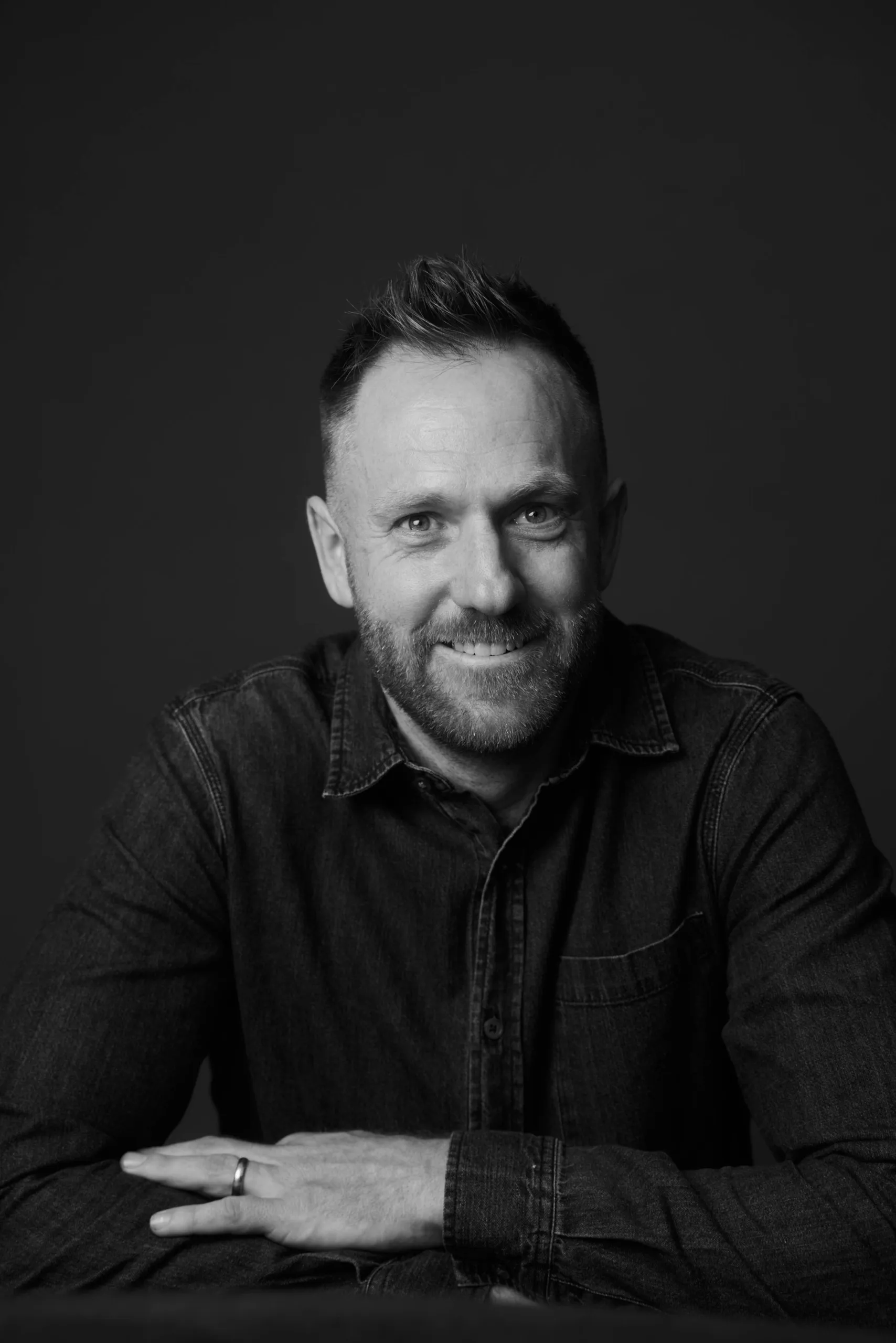
Veronica MorganOur guest today is Caroline Pidcock, a leading Australian architect, advocate and changemaker, adjunct professor of practice at the University of Newcastle and longstanding leader within Australian Institute of Architects and other national bodies.
Deeply inspired by the lands, waters and skies she's lived and worked within, Caroline is committed to architecture that restores and regenerates people, place and planet. And we're very much looking forward to what we can learn about this space today. Thank you for joining us today, Caroline.
Caroline PidcockPleasure. Great to be here. Thank you.
Chris BatesCaroline, thanks so much for coming on. We've obviously been doing it such a long time and there's always conversations we haven't covered, right? And, you know, I guess rethinking about reusing our already existing buildings and retrofitting potentially older commercial buildings is a topic that we've thought about.
We haven't actually covered in detail and we read your SMH article a little while ago and yeah, it was really fascinating because, you know, obviously there's also things happening in the US and in New York where they're doing this. And so,
What's your thoughts when people talk about, hey, we've got all these B, C, D grade office towers, no one wants to work in them anymore. Like, why don't we just flip them all to apartments? Is that really like a possibility or is that really wishful thinking?
Caroline PidcockNot all of them can be or should be turned into apartment buildings. But I do think we are at a point in time when all of our existing buildings should be kept because we have actually signed up to the Paris Agreement and the Paris Agreement sets...
targets on how much carbon we should emit if we want to have any hope of reaching the 1.5 degree change, which we've already got to. And beyond this, we're just going to have more and more climatic disasters.
So if we are committed to that, then we go, okay, well then every country really has got a budget of carbon and every country then takes their budget and looks at where that can be spent in transport, in electricity and whatever.
And you get down to the building sector and we haven't got very much left. So if we actually want to house everyone, if we want to have hospitals, if we want to have schools, if we want to keep doing, well, we won't be doing what we're doing. We've got to do things differently.
And that's the point. And so I think that in every building, in creating every building, you create all this, what they call embodied carbon. And that is the carbon that is used or expended to make a building.
And it's from harvesting the materials, processing them, transporting them, constructing them, et cetera. And before you even move into a building, the amount of carbon used is significant, really significant. So right at this time, when we're trying to reduce the amount of carbon we've got,
Every single ton counts and there's a heap of tons of carbon in buildings. And so just to wantonly demolish them and just start afresh, we can't do that. In the UK, they're really adamant about this. Also in New York.
But people who actually understand what we're doing to the planet go, we can't be doing this. We've got to do things differently.
Chris BatesSo is our lifestyle needs are too high though, because, you know, people don't want those old buildings, right? They want floor to ceiling windows. They want higher ceilings. They want open plan. Like, you know, they, our lifestyle preferences.
Caroline PidcockWell, I don't think, I don't think it's either or. I just think that people, you know, we really do need to take a good hard look at ourselves and say, what do we actually really need? As opposed to think we want or are being told we need.
which is quite different to what we actually need and also often quite different to what makes us happy so you know floor-to-ceiling glass who wants to live in a place where everyone can see every minuscule bit of you I don't I mean you know it's just it is a joke we do need windows we do need light we do need sunshine but we don't need floor-to-ceiling glass everywhere
Veronica MorganJust on that, one of the things that actually infuriates me when I look around office buildings and we're told, residentially speaking, that external window shading is a great thing to do because it really does help control the heat and the cool heat inside the house.
Actually, it helps control the heat within the house. But you see entire office buildings with a west-facing wall of glass. Like, it does astound me. I know we're going off piste here. We're talking about retrofitting buildings. But now, how is that allowed?
Caroline PidcockWell, it shouldn't be. And people go, oh, but I achieved Section J. It's okay because I've got super high-performing glass. Super high-performing glass facades are so heavy in embodied carbon.
So what you're doing is you're creating a problem by doing huge west facing facades, glazed, and then you've got to spend even more carbon to make it work so that it's tolerable. And it probably wouldn't even be tolerable unless you've got a big air conditioning system sitting behind you.
And even those shading devices, you know, that can come out, a lot of them are aluminium or steel, huge amounts of embodied carbon. But then you go, okay, well, can't we do that?
So you go back to, say, Harry Seidler was a genius at doing buildings where you've actually got some solid bits at the bottom that hide your desk and all your mess. Great. Great place to start.
And then you've got a depth in the window in the wall that gives you a bit of shading over. Great. And say if you go to grow from a place, they've got sunshades that tilt and change direction as you go around it in response to where you are.
So you can actually read the building and understand where it's orientation. So there's an intelligence as well as a much reduced amount of problem in overheating. So, you know, and you've got views, you've got great views. And people can't see your messy desk. I mean, it's fine.
Chris BatesBut how, you know, obviously you've got to take down, I mean, they did the Q quarter in Sydney, you know, won lots of designer worlds around there. And they didn't knock down the core of that sort of, you know, the big tower, the AMP tower in Sydney. They kept the core, basically.
Caroline PidcockWell, they kept all the slabs, the slabs and the, I mean, two thirds of it and the core and then added on to the front of it. They saved a year construction time. They saved a million dollars and they saved 12,000 tons of carbon.
Chris BatesSo is that sort of a good model for us to think about? It's like it's not keeping the same facades or it's not... Yeah.
Caroline PidcockI mean, it's intelligently working with what they've got and creating something beautiful and spectacular. And guess what? It's because it's well-designed. They've got good designers. Like you can't just do this with, you know, value engineering where you take out all the good stuff.
It actually requires an investment in good design to make that work. And then when you do that, then you can save all this money, time and energy. It's fantastic.
Veronica MorganBecause it's this common sort of belief that it's cheaper to knock something down and build from scratch than it is to renovate or retrofit. Where did that come from?
Caroline PidcockOh, look, in some instances, and I think some places that might be the truth, but it's not always the truth and it's not the truth for a whole building.
So if you're thinking houses, often there's a really solid section that really is quite good and should be kept and a bit of shitty stuff on the back that could be knocked over and redone. So it's not either or, it's and both.
And I think that it's about also if you are keeping an existing building and it's a brick building, for example, Don't go and put in huge openings for glass because then you've got to put in all this structure to make it work. And again, we don't need that much glass in our world.
We just don't. And, you know, in a heating climate, when it's getting hotter and hotter, like today, I don't know where I am, it's 36 degrees. It's hot. And any solid facade will be eight times, minimum eight times more efficient than even a really good glass facade.
So you go, but I've got, you know, I've got zero carbon energy because it's all renewable and I've got all this air conditioning. So what happens when the grid breaks down? What happens when you can't, when it doesn't work?
Which in times ahead, I anticipate there'll be pressure on that because everyone's designing that way. And when there's too much demand on a really, really hot day, things break down. And then what do you do if your building relies entirely on that, you know?
Chris BatesI mean, definitely there's been cases that even just in recent years, it wasn't with the fires and there was batteries, you know, and I think it was multiple places, you know, the grid did go down, right?
Veronica MorganAdelaide's famous for it.
Chris BatesSo, but I mean, where, like, obviously there's the New York have sort of done, I don't think there's been too many. I mean, I think you also, did you own one or you designed one?
Caroline PidcockSo my husband came up to Sydney in 1991 to be the city planner for Sydney. And one of his key KPIs was to get more people to live in the city. And so he then developed incentives to turn office buildings into apartments.
And the building we ended up living in much later, like many years later, nearly 30 years later, was the first one to do that. Is it Highgate? Yeah, it's Highgate and it's the old ESO building. So they added another, I don't know, it was 14 stories high.
They added another 14 stories, converted it into apartments. Across the road, the IBM building at the end of the freeway got converted into observatory tower. So there were a couple that happened. And, you know, I think there were some interesting developers who did the work, like I know our building.
The first person who did a renovation, fortunately it was very early on, found the workmanship was really crap.
And so the people who'd bought early got together and created a really strong body corporate, made the builder fix everything up and have since then retained a really strong body corporate and a really well-run building.
But, you know, you do get some cowboys around doing some, but that happens in new buildings as well, so it's not just. Famously so. Famously so.
Veronica MorganYeah, so the rate of that happening, that rejuvenation, if you want to call it, through Sydney seems to have slowed. Obviously not all buildings are retrofitable, if that's even a word. You know, how do you turn a commercial building or an office building into a residential building?
Caroline PidcockWell, there are many different ways. Like with our one, they added some balconies onto the edges and sometimes you can cut the balconies into corners and other places that also bring a bit more ventilation and light into the apartments. There are some that just have
The floor plates are just too big that it's just impossible to convert, particularly, say, the Barangaroo Towers. They are the most ginormous floor plates and they are unconvertible.
I mean, and really, I think planning laws that were really fit for purpose would be saying you've got to design buildings so they can be adaptable in the future because we don't know what's coming down the line. And massive floor plates are not adaptable.
Chris BatesSo small floor plates, good structural sort of, you know, and what potentially you either take off the whole brick and then you just go back to the corner and you rebuild out or you just basically keep the lift and redesign the floor plan and then bring all the materials in and
Caroline PidcockYeah, it depends on the building and where it's located. You know, I think Key Quarter, they were able to scaffold around it and bring all the materials up on the outside. Stitching together old concrete and new concrete is not without its challenges.
So you need some really good engineers on board to help do that. But all of these are problems that have solutions if you engage really good designers to work that out.
Chris BatesI mean, some of the most impressive apartments in Sydney, though, are these, you know, if you think about there's a T-Beauty in Surrey Hill, there's another, like a lot of these warehouse conversions. There's one down in Piermont that, you know, sold ridiculously well.
And obviously there's lots of these warehouse sort of cooler apartments buildings that have been converted to modern apartments.
But if something's visually not that appealing and it's on really good high value of land, is it really hard for the person who owns that land to say, why would I retrofit when I could potentially go much higher and build something that I could sell for a much more higher price?
Caroline PidcockIt's got to work from a business point of view, but what's a business point of view? What's a reasonable rate of return? I mean, if you can't make 25%, if you can make 15%, is that okay? I reckon it is. I mean, if we're talking about a livable planet, I reckon that's okay.
Veronica MorganWe're not going to disagree with you on that, but a developer who's taking the risk and owns the site is going to disagree with you on that.
Caroline PidcockIf I can make 25 cents... That's why you have planning rules and that's why you have, you know, you want to build here, these are the rules.
Chris BatesBut I think we're going the other direction we're planning though, aren't we?
Caroline PidcockAbsolutely, at the moment, which is not good, which actually devalues all the property because strong planning rules bring rigour and people feel much more secure and people know what will happen and that is a good thing. So, yeah.
Chris BatesBut then isn't there a social issue with like not having enough housing and homelessness and affordability of rents and, you know, isn't that a major issue?
Caroline PidcockSure, I wish those developers were doing lots of affordable housing, but they're not. And a lot of them are knocking down existing apartment buildings, say particularly up in, I don't know, Kings Cross.
and manly, like smaller, you know, older, affordable, not really affordable, but vaguely affordable apartments and building much bigger, totally unaffordable apartments, less of. So, you know, if we're talking social issues, do, let's talk that way. And let's talk about how we can help do something.
There was a guy out recently called Rasmus Norgard from Copenhagen. He's a property developer with a business called earth.com and he's developing affordable zero carbon housing and he's making a profit and he's doing a great job.
I mean, it can be done, but you've got to have the right team and you've got to, you know, do it well.
Chris BatesYou've got to have the will to start with.
Caroline PidcockYou've got to have the will. The will. Yeah.
Chris BatesRight. Yeah. Well, I mean, Nightingale is a pretty, you know, we've had, oh my God, we've got his name, Breed After Architecture. Jeremy, Jeremy McLeod. Sorry, Jeremy. I know you listen to our podcast, so I do know who you are. I can see your face. I can see your hat.
But that model is ridiculous demand. They can't build them fast enough. And you're right.
Caroline PidcockIt's smart design, removing things that you don't really need that aren't really going to- Like the marketing bill and the developer's profit, which is a huge amount of cost of apartments.
Chris BatesYeah, just things internally that you don't need, like even the exposing piping or do we need parking or do we need to really do that? Is that really adding value or is it adding cost?
Caroline PidcockWell, it's also adding great social interaction, like not having the laundries and having one on top of the roof. That's a great way of helping people connect.
If you just start thinking a bit more about it and about what is possible, not just what the potential of this is, not just how do I get out of here faster and supposedly for more money, there's a lot of great things that can happen.
Chris BatesReally? I don't know if you've looked at this in a lot of detail within our cities, right? Because a lot of these are bigger buildings. I mean, I guess when people are doing renos, yes, definitely happen to knock it down and put on a kit at home.
is seen as a much simpler and lower risk option, potentially also with the unknowns of what problems are you going to find if you start doing a reno? There is that perception, which I don't agree.
But if we think about just the way that our capital cities and where our older, bigger towers are, Like what percentage of them, you know, can be retrofitted or is it really high? It's just, there's no real legislation or there's no pressure on developers to consider retrofitting first.
And if they can't make that work, then they can knock it down. Like there's just... Yeah.
Caroline PidcockWhat's interesting is that the governments around, so the federal government, and I know for sure New South Wales government and other state governments are very aware of this embodied carbon.
And Neighbours, which is the National Australian Building Energy Rating System, it has been for the last couple of years setting up a whole way, they are setting the direction in embodied carbon. So they are defining, you know, what do we measure? What are the boundaries that we measure?
And what are the values that you use to measure and how do you do this? And
They're doing it slowly, so they've kind of done all of that and now in New South Wales there's a sustainable building set and all buildings, both commercial and residential, now have to measure how many materials they're using. So what they're doing is they're actually doing research on how much materials people are using.
And then they will be setting targets for how much embodied carbon you're allowed to use in a building. And they'll be reducing that going forward. So the people who are going, oh, that's all rubbish. That's not going to impact me. It doesn't matter me. It will. It's coming.
And the sooner you get up on it and the sooner all the consultants who are working on those projects get skilled up on it so they can help people do this in really creative and good ways, the better.
Veronica MorganBecause you do see, you know, in commercial leasing signs, you see the neighbor's rating. So it's obviously part and parcel in that side, certainly in commercial. It is coming in residential as well that we're aware of. So it's being mandated and legislated throughout the whole country.
My question that I did forget earlier, but now I've remembered what it was, it's around patent building. I know that Victorian government, in fact, we interviewed the chief architect from Victoria, Jill Garner.
We've seen that, and we discussed many things, but we talked about patterns for infill sites and for middle ring. We've had the pattern book released in New South Wales for middle ring development to supposedly encourage and make it easy to build. What are your thoughts on that as an approach?
Caroline PidcockLook, I know all of that is kind of a knockdown rebuild kind of approach. I sit on the Strathfield local planning panel and they engage some consultants to do some reviews on how can they get more density? What are the options? What are the different ways? And what does that deliver?
And importantly, because Strathfield is a particular suburb, as there are many, that have got a fantastic landscape part as part of their suburb. And people have moved there because they like that landscape. And that landscape is really important in helping provide biodiversity, keep the place cool.
Like, treed streets are so critical in hot weather. And so they looked at a number of different ones and I think the one that was the most or achieved some of the best density as well as the best landscape retention was converting some of the existing huge houses
into two, three, four apartments or little dwellings, and then a dwelling or two out in the backyard. So you can kind of get some density there without knocking down and destroying the landscape and keeping all of that. I think there's many ways of,
housing people and we just have to have a number of different solutions so where you have got empty sites or other things happening the pattern book is can be really good because it can make really good design affordable for more people and I think that is important as well.
Chris BatesWell, I get your answer is going to be, but obviously, yeah, we are growing our population and, you know, we've got a housing shortage. And obviously it's also not just a housing shortage, but I mean, it's also the way that we've got it structured, right?
You know, people living in too many spare bedrooms and, you know, there's more of a making sure it matches what we actually need as a society.
Caroline PidcockIt's a distribution problem more than just a supply problem.
Chris BatesYeah, exactly. And then also lots of reasons for that, whether it's tax, blah, blah, blah. We can go for hours. But obviously, we need to build more, right? We need to create more dwellings and a retrofitting is part of it. But there is a build part to it.
Where are we going so wrong? Obviously, these new apartments, you've sort of highlighted some issues there. But often, we're also building greenfield estates and turning farmland to houses. How do you feel about that? How bad is that? problem.
Caroline PidcockThat is really bad. We shouldn't be doing any more greenfield sites. We just should not because we need every bit of greenfield site for either biodiversity or food growing. We have trashed so many suburbs. There's so many grey or brownfield sites all around.
And what we should be doing is saying, go and build there and fix up the place while you do it. And, you know, because just to sort of kind of trash this place and then move on and trash more is not okay. It is so not okay.
And this is part of that whole regenerative design idea that rather than just sort of take, make, break and move on, it's about saying, how can I use this project to really restore and regenerate a place and do good for a wider group than just the developer or just the people living in there?
How can it help make the whole suburb and the whole of nature in that area better?
Chris BatesCan you give an example of where we've done that though? Like where's like a pocket or a part of Australia where we've regenerated part of the biodiversity together with housing and, you know, we've turned a ramp or is it just, we just don't go there.
We just go, well, we want to just build off the fringes of a capital city and we just go next farm, next farm, next farm.
Caroline PidcockYeah, I mean, I suppose if you think about Sydney Olympic Park, there's a whole area that was, you know, there was some natural biodiversity, but there was a whole lot of area that was really trashed and they did remediate and then they did restore a number of the wetlands and they did sort of use that whole project of the Olympics
to restore and improve that area. I mean, you know, it's a work in progress and there's still more to come. And I think when the Metro goes there, I think that their solution to the train at that time probably wasn't the right one. But the Metro is going to make that super fabulous.
Chris BatesAnd I guess Barangaroo maybe, or those sort of things, or you don't really like Barangaroo story?
Caroline PidcockNo. Barangaroo is just a story of greed. You know, like they've already got double the FSR they were meant to have, and they haven't even started on central Barangaroo. And all the time they were building southern Barangaroo, they said, well, we'll keep...
central barangaroo low to so that the views to observatory hill will be respected they've already gone above that and who knows whether they'll go further and it's just you know the whole crown building was built on what was meant to be parkland and it just anyway there's so many problems things everything about there's so much about barangaroo that speaks of all that's wrong in the property development industry that i think is wrong it's about greed and um
My needs are more important than anything else and stuff everyone else.
Veronica MorganAnd in particular on that site, because it's such a prominent site and it's really had the impact of changing Sydney forever. And I've always wondered how they got away with so much there.
Caroline PidcockGood question. I think property developers like Lendlease have got very expensive lawyers and people who just push their way through. I thought of another site that's done really well is Green Square, which City of Sydney has been really instrumental in keeping a number of existing buildings.
Building new ones well, but really making the streets beautiful places, you know, with lots of biodiversity and trees and careful water design and making it a place that people want to go to. And it was all it wasn't it was great.
I'm on a personal mission to help more people make better property decisions. You know, most people don't realise that they can cost themselves hundreds of thousands of dollars over the medium to long term when they make property decisions without all of the information that they need.
And what I do is help people with tricky real estate problems, which often masquerade as simple questions like, should I sell my investment property because the interest repayments are hurting or should I buy before I sell or the other way around?
You can connect with me and access all of the tools that I've created to help you make better property decisions at veronicamorgan.com.au. And there you will find resources for first home buyers, details about my buyers agent mentoring program.
You can connect with my Sydney based property management and buyers agency teams, Australia wide vendor advocacy, or ask me for introduction to the small group of buyers agents that I would personally recommend across the country. That's veronicamorgan.com.au.
Chris BatesIf you're considering a property move such as buying your first home, upgrading, renovating or investing, the team here at Alcove would love to help you think through your decision and get the finance right. Please go to alcove.com.au to reach out. It's funny you say that because...
On the weekend, I actually saw my sister and she lives in Maroubra and we went to the new Zetland, to the swim park there. And I was looking around the streets and obviously the design, I feel, gets better every year.
Like they're less of those, you know, high-rise hell, you know, you used to have 10 years ago of just... you know, cheap, get it up as quick as you can. And who knows what we care is what we build it with. It's just selling it to foreign investors.
Like that was definitely the 2015 boom, but the last boom has been driven by a new occupier. So the design element, and I don't know whether it's carbon efficient or not, but a lot of you're right. A lot of the green is really greening up there.
The trees are really rising and it's great. And I was kind of like shocked with how green it was. So it's funny that you said that.
Caroline PidcockI think they started with smaller trees, which enabled them to grow much more strongly and better. But, you know, the school they did there was fantastic. So the city of Sydney went badgered the state government for so long.
And finally they went, yeah, maybe with 40,000 born people here, we do need a school. And so they build a school, but the city was really strong on saying this should be a school that integrates with the community. So there's a number of spaces in there that are just for the community.
There's a number of spaces that are just for the school. And then there's a whole bunch of them that vacillate between the two, depending on usage. And in a tight urban place, it's really great to see that better utilization of really good resources that can then be loved and appreciated by more people.
Veronica MorganSo high density then doesn't have to be hell holes, as you're talking about, if it has been designed well. And we see lots of examples where it hasn't been designed well.
And I think if we look to Melbourne for a moment, because we're talking about their patent book before, but before then, the apartment oversupply problem, Docklands in Melbourne South Bank, all those sorts of areas, they are not very pleasant places to be, I don't think, personally.
I know some people will argue with me on that, but I don't find them that pleasant. I find them with their wind tunnels and just pretty ugly buildings around. Whereas Victorian architecture, it often is a lot more attractive.
They're a lot more brave, I guess, with some of their buildings and structures than we are in Sydney. Have you got any examples outside of Sydney of where it has been done well? And when it is done well, who is driving it? Who has enabled it? You said the Sydney City Council.
Does it have to be at that level or where else can the impetus come from?
Caroline PidcockReally good regulations, really good councils can ensure and enable really good developments.
when you've got that that isn't strong then bad or people who don't know better can come along and do crap and not be held to account and not to be encouraged and urged on to do better so you need good systems you need good councils you need good architects and engineers and landscape architects you need good developers because ultimately they're paying the bills but
Regulation is really there when there's market failure and clearly there's market failure in this whole area. Down in Victoria, they didn't have apartment. In Sydney, we had the apartment design guide, which after I think Bob Carr bought it in, it was called SEP 65 and now it's the apartment design guide.
That was bought in because there were some really ugly buildings. And whilst it can be improved, it's fantastic. I sit on a number of panels where we are able to hold, say to developers, sorry, you can't do that because look here, it's written that you can't do that.
In Victoria, they were developing apartments where bedrooms didn't have to have windows. I mean, this is one of the reasons there was a glut of apartments that were underutilized there because they were pretty dreadful.
And I think that in Docklands in particular, the public spaces, which are the streets, which are the roads, weren't designed well. And they're the public spaces. And so, you know, the government should be designing them first and then developers building around them, not sort of the other way around.
Veronica MorganAnd it's not really good for, I don't have any evidence on this, but resale in Docklands in terms of apartments is terrible. People are still selling for less money than they bought 10 years ago.
And I don't know whether the developers made a huge amount of money because I also knew that there was massive incentives to sell some of these apartments as well when they were new because they weren't selling fantastically because they weren't well designed. So there are issues there.
It's interesting that you say that about Sydney though, SEP 65 or the apartment design, what did you say, the apartment design guide? Because I think about Princess Highway when you're coming out of the international airport and you're driving towards the city, there's some shockers there and they're built since then.
Canterbury, you know, Campsie, places along Lewisham. Some staff has clearly got through, you know, got through the keeper.
Caroline PidcockAnd it's not foolproof, but I reckon that the quality of those apartments is better than if it wasn't there.
Chris BatesSo I wasn't going to go here because, you know, obviously the retrofitting, but I just, obviously you're very good at giving your opinion. I love it. So I'm wanting to keep, because I'm really trying to understand the challenges that we've, you know, how do we tackle this?
Because it's like, there is a challenge here for a society of Sydney and, you know, and other cities around the country. that are struggling from the bottom end, you know, and I agree that, and we need to come up with some better solutions, right?
We can't do the greenfield estates because we've spoken about that. Infield's quite hard.
Caroline PidcockOkay, here's another idea, which, okay. And I think Westpac just announced something the other day about getting a million more people to live in the regions. And guess what?
Just this week, just today, in fact, my husband and I have settled on a new, very old house in Dungog, which is a little town in Melbourne.
Veronica MorganOh, it's very pretty.
Caroline PidcockYeah, and we chose there because it's on the train line. But there's a lot of regional towns that have a whole lot of buildings that aren't being well utilised and could benefit from a few more people being in town and living there.
But to make that work, you need to have jobs and you need to have those places really well connected to other places or sort of other centres. which means investing in trains, investing in really good internet.
And I think some of that, like, you know, I mentioned that we've just got onto our very fast NBN here in Dungog, which is fantastic. And we're on a train line. Some slightly less than slow trains would be really helpful.
But I think what we've got to do is just put everything on the table and go, it's not a one-shot solution. There's got to be a range of different solutions.
But the one thing I've got to say is that we can't keep doing what we've been doing because it is so not working and it's killing our planet. So I think everyone's just got to go, okay, change is ahead. How do we be part of this?
How do we skill ourselves so that we can be contributors to this and stay relevant and be a part of a really great future?
Veronica MorganSo where's the leadership here? Where does this get driven from? It's great for people to stand up. You're standing up. You're doing your bit. Individuals are doing their bit. There's some associations and collaborations and all the rest of it. But in terms of the driving force, impetus here, because we can continue doing...
the same thing and continue to screw things up and just underperform and underhouse people and do more damage to the climate. We can. We have been, you know.
Caroline PidcockWell, I think, yeah, I think often it is some individuals who start doing some really great things and other people go, gosh, I want to be part of that. And they need to be, the ecosystems within which they work need to be supportive and work out how to be supportive.
Industry organizations have got to stop fighting against change and start going, how do we help our members embrace this and really do well in it?
And local governments and councils need to probably sort of incentivize good behavior rather than making it as hard as bad behavior or even harder sometimes. And I think we've all got it.
And as clients, as people who are asking for this, there's a responsibility that we all look at our own asks and needs and desires and say, what do I really need? What is really important?
And how can I perhaps shape my ask to be a bit less damaging?
Veronica MorganSo I say a lot of people don't know. They don't know what they don't know from a client point of view. I mean, I've done three renovations. I've lived in two of them and I live in this house. I've had architects involved in all of them.
And my brief to my architect was very much around, I don't want to be spending a lot of money on heating and cooling. I want a comfortable house to live in. I love my house and it has been very well designed and it's cool.
And today's a very hot day and I don't have air conditioning on. I don't need it. So it works. So in winter, it's warm. In summer, it's cool. It absolutely works as a house. Very rarely do I have to either heat or cool it. Actually, I shouldn't say that about heating.
But anyway, that's a side issue. The point, though, because I've done two other renovations, I knew exactly what to ask for. And also things change because when I say I lied about the heating because I do have heated floors. But sadly, I got gas.
I got hydronic heated floors before I knew what I know now about gas. Things change, you know, and I've invested in that infrastructure. But as a client, I knew what to ask for and I had an architect that was able to deal with those requests.
And so I think a lot of people don't understand the choices that they make, like glazing, like the big windows, the floor-to-ceiling glass, you know. They know what looks good.
Caroline PidcockThere's a fantastic resource called Your Homes. for example, which is put out by the federal government. Well, it's also online and there's enormous amount of information there. There's also some great, you know, there's an organization called Renew and they do sustainable house stay and put out Sanctuary Magazine and a magazine called Renew.
Renew's got all the, that's all for the tech heads, you know, all the equipment that you might want and other things. It's fantastic. These are magazines where I read the ads because I know they're good things.
And Sanctuary just highlights really good sustainable homes and then goes into deep descriptions about what systems they use, what materials, what paints, what everything. And Green Magazine is another one as well.
And I think what we need to do is actually be having a television show, like rather than, you know, those shows that just deny what the whole thing is about or just, I mean, even Grand Designs just kind of highlights massive big houses and too much money.
And they all go for drama because that's what television is. Of course. It's called Jeopardy. Yeah. What we need is a program that just shows really great good things that people have done.
Chris BatesWell, I think Jamie Drew is actually, funny you say that, is doing some prefab thing in Byron that he's, you know, on this journey. He's obviously got a history in TV, so he's probably the only one who's been able to pitch it to a channel.
And because he's doing it, he's been able to get it through. But, I mean, I think on this rezoning and densification of our cities, I'm just personally trying to get... you know, you know, a feeling on it.
Part of me feels that we need to be, you know, it just not, can't leave it all up to the greenfield. You can't leave it up to all these high rise locations.
You know, why should this, we, you know, keep everyone out and be anti-development close to the capitals, you know, close to the city where most people work. And why do we force people to have to commute? Because we don't want to change any suburbs. So there's this fight of keeping status quo.
Caroline PidcockYeah, I mean, it's about doing it well. Yeah, I think part of the problem is people just want to come up with a tick box solution. What do I need to do? Do this, do this, do this.
And what you're describing is about doing really sensitive and clever infill into the suburbs to bring more density in places where people want. It's a really good idea. And it requires both a bit of people not...
getting too upset about things, but also really good regulations to make sure horrible things aren't foisted upon them and they don't get a three-story building overshadowing their north-facing living room. Because that is not neighbourly. That is not good.
Veronica MorganNo, but it could happen and it could easily happen. For example, Leichhardt in Sydney. At the moment, it's sort of a Sydney-Melbourne thing because this has happened in both cities. But Leichhardt is a suburb in inner Sydney. It's sort of within eight cases, probably six cases of the CBD.
Nearly all of the suburb has actually been rezoned. And the average lot size in Leichhardt is something like 186 square meters, right? Ain't big. So you've got to stitch together a few houses, knock them all down in order to build units, right? And I just think, how long is that going to take?
So, you know, some people argue it's inevitable. I sort of, it may be, but you've got to band it together with your neighbours to get a site big enough to build something, right?
So it's going to be decades potentially of this mishmash mess, you know, the suburb turning from being sort of, I don't know, you call it medium density, lots of workers' cottages and terraces and things like that, to, you know, to a unit, a suburb of units.
But in that transition period, how can that be sensitive? You know what I mean? There's just going to be a lot of just a lot of ugliness for a long time.
Caroline PidcockAnd also when you rezone, like I've been on the Liverpool Design Excellence Panel and also the Liverpool Planning Panel. And gosh, you should try going out there and seeing sort of farmland and then, oops, there's a 10-storey block of units because it's been rezoned. And it's a difficult transition period.
And, you know, personally, I wish we'd kept more of that food bowl out there because I think some of that's a really important thing.
And I think that what would be really great would be is if a few governments had a few scenario planning of going to getting people, treating people as the intelligent human beings they are and going, okay, we've got to fat house people. Here are the options. Here's option one. Here's option two.
Here's option three. Here's option four. And this is what they all mean. So let's talk about that and help people understand why they might go for an option that they personally wasn't thinking was a good option, but you can kind of at least understand why they might go down that way.
But also then making sure that when you put planning rules in place, they stick, they don't get beaten down and people don't get, you know, lose the things that they thought were really important.
Veronica MorganYeah, I really actually feel quite deeply, I know we need to fix things in many ways and we need to bring more housing in closer to where people want to work and I know we need to create more diversity of housing stock in lots of our suburbs.
I know that we need to do all of that but I actually feel very keenly for the people that are impacted by this sort of wholesale rezoning that they're stuck in the middle of and often their lives just go into limbo because it's like
No one's going to buy that house anymore if they want to sell. And if the neighbours don't want to bandy up and create a development site, they can't sell, they can't upgrade, they can't renovate, they can't, you know what I mean? There's this sort of horrible limbo.
And there's certain, I've spoken to a number of people who are caught in this dilemma. And through no fault of their own, they just happen to live in, you know, proximity to a transport hub or whatever the government's designed. So it is a bit difficult.
And I know there's not a lot of sympathy when you talk to the Yimbis. They're not at all sympathetic. In fact, they're quite callous.
Caroline Pidcockaround that and I think I mean some of those people though because I again on these council things that I'm on you see that there are people who hold out for too much money then the opportunity goes and then they're landlocked and then they're kind of going what do I do with this so I don't know and another a friend of mine lives right near the
Veronica MorganI should say, I'm sorry, I'm not that sympathetic to those people because that's, you know, like, sorry, the house in Lewisham, you've probably seen it. It's a semi-detached house and it is now attached to a five-story apartment block. I kid you not.
And it is the most ridiculous looking thing and talk about stubborn and go, I've got no sympathy for that person because I had the opportunity and they probably had a good opportunity to sell it. But sorry, go on.
Caroline PidcockBut a friend of mine lives near the new train station and she lives in an apartment building of eight apartments and it's like right there. And there's a couple of other apartment buildings as well. And there are lawyers who are now helping people
work as a team to sort of say, okay, here's some guidelines. Here's some, let's all be transparent. Let's all blah, blah. Look, I'm not sure of the data, but I thought, well, that's good because then it kind of helps people understand the potential scenarios for what might happen to their thing.
But again, that's probably going to take years and years and years and years because to get a development site with, I don't know how many strata and company title apartments is no mean feat.
Veronica MorganWell, you've got to get 75% of the owner, in Strata anyway, 75% of the owners to agree to it. Company title, I'm not quite sure how that works. But yes, this stuff's going to take a long time.
Caroline PidcockAnd so there's going to be some... Yeah, I think we've all got to be reasonable and start going, well, okay, what is fair?
I mean, you know, like at one development site up in Castle Crag at the shopping centre, the community finally worked with the developer and come up with a scheme that built over this one-storey shops built up to three to five storeys.
And then the developers sold the site and then the new developers come back with no 11 to 13 stories.
Chris BatesOh, is that at Castle, on the corner of Blues Road or something?
Caroline PidcockCastle Crag on, yeah.
Chris BatesYeah, I know exactly when I drove past it.
Caroline PidcockAnd I mean, that is just so totally unreasonable and not right for that location.
Veronica MorganThe Balmain Leagues Club, that's been going on for decades, nearly 20 years now. It just, but yeah, so a lot of craziness that happens.
Chris BatesYeah, Bondi, you know, like, development gets approved, eight stories, bang, FSR, put some affordable housing in there, bang, we're out of three or four, so it's like, there's a lot of this game playing going on, right?
And is it, they just need to be much more strict around sort of setback and green to, you know, floor space to nature ratios and, like, don't let them, like, because if you put them back, you might build on less land and then, you know, make sure that they be private and they create more space
Like, is that a solution rather than, hey, you build to the boundaries and don't put a footpath in and that becomes like really challenging.
Caroline PidcockIt's hard because the rules are that you're meant to have X amount, X percentage of space as deep soil space for vegetation. That's the rules. But so often, and sometimes there's some really good reasons why you don't. And most often it isn't.
But it's great to have the rule in there to try and at least to start with. And then you've got to demonstrate that it's not reasonable. But I don't know. I think that we as a community need to just be really, stop enabling developers to just have this right.
But at the moment, the state government's just going, yeah, sure, whatever. You develop, you do some sites. Yeah. Now, like saying in the Northern Beaches area, now if you're closer to 400 metres from a shopping centre or transport thing, then bingo, up goes the height.
And then if you add in a couple of affordable housing apartments that only have to be there for 10 or 15 years, you get a 30% increase. And so then as someone assessing this, you can't go... oh no, that's a bit over the top, isn't it?
Because the state government has said, yes, off you go.
Chris BatesThat's it, because it overrules the council, right? And especially if it's over 100 million or a state significant project, they can basically just railroad through.
Caroline PidcockIt doesn't even have to be state significant now.
Veronica MorganThere's a problem, isn't it? Because then the councils get less agency in their own areas.
Caroline PidcockAnd people are getting really annoyed because a lot of the councils put in a lot of work to work out what is the right development mix here? What is the right force, heights and other things to enable everyone to have good solar access and to have good amenity?
And then in comes this rule and bingo, none of that counts. And that is not okay.
Veronica MorganI'd almost suggest that's going to be your property Dumbo. We do ask everyone to bring an example of a property Dumbo, but that sounds pretty dumb.
Caroline PidcockWell, I find that I've just sat on a few of those last week and these people in, you know, one story in a residential zone right next to a zone that's this and suddenly they've got an 11 story apartment on their edge and council can do nothing about it. It's awful.
Veronica MorganAnd that's the sort of thing I feel really, really sorry for those individuals who own a house in that situation. And yeah, some of the edges of the boundaries to me just seem so arbitrary with no thought about that either.
It's just done on a map as opposed to really going out there and checking the sites and then checking the impacts on surrounding homes. And there's no compensation either. So it's not okay. That's a Dumbo. Do you have any other example of a Dumbo for us?
Chris BatesYeah, is there any other Dumbos you want to hit us with as well? Any other? You've got a few, I'm sure.
Caroline PidcockI think the planning streets without trees as a very first thing and is really dumb. Like, I just think that trees, people go, oh, but then you've got leaves and you've got roots. And it's like, yeah, and you've got birds and you've got insects and you've got, you've got kulf.
You don't have urban heat islands, like, you know. So people not liking trees is another of my Dumbo things.
Veronica MorganNot appreciating them for all the benefits they bring, you know? Apart from that, they look nice. When you walk into the botanical gardens, I mean, and then walk into the canopied area, the difference in summer, the difference is so noticeable.
Like, you know, for me, I'm always astounded that it's allowed, that these new housing developments, they mow everything down and they plant some twigs, plant some seedlings, you know?
Caroline PidcockIf you're lucky and then you don't have to keep them, yeah. Yeah. It's terrible. What?
Veronica MorganWell, Caroline, that's been a really interesting chat. We do appreciate you coming on to the podcast. And these are all issues that we need to be aware of. I think, you know, it's been a little bit lighthearted, a little bit rambling and wide ranging in terms of what we've covered.
But if you'd want to sum up, I guess, the most important thing that you think we all need to be thinking about right now, do you want to leave us with a final note?
Caroline PidcockSure. Look, we need a liveable planet. And the scientists have said for that to happen, we need to drastically reduce our carbon. And we need to do that. And we need to all of us think about how we can do that. Smaller houses. We don't need huge things.
Smaller houses, well-designed, lots of trees, lots of things and just enough. We need to be talking about sufficiency. And until we do, we're just going to keep consuming at the rate that will not enable a livable planet.
And I don't know how you talk to your kids and grandkids in the future when they say, so what did you do when you knew that this was an issue? What did you do?
Veronica MorganYeah, I'm with you on that. Thank you, Caroline. I really appreciate your time today. Pleasure, pleasure.
Caroline PidcockThanks for taking the time to talk to me. If you have a question that you'd like us to answer in an upcoming Q&A episode, you can send us a voicemail or written question via the website, theelephantintheroom.com.au, or you can email us directly at questions at theelephantintheroom.com.au.
If you like what you're hearing, please share this episode with others you feel would benefit. And while you're at it, why not leave us an iTunes review? Five stars would be great.
I know that sounds a bit cringy, but we have it on good authority that every review helps make it easier for other people to find out about us and hear what our amazing guests have to say.

















.png)