Curious about upgrading?

Wondering where to start?

Complex questions that need answers?
Is there a better structure for you?







"They managed to navigate my complex expat income and even got my Google RSU income approved as well."
"I highly recommend Alcove to anyone looking for a mortgage broker who is responsive, trustworthy, and truly cares about their clients. Thanks again to the whole team for making the process such a positive experience!"
"As founders, we're constantly jumping between things so having a partner that handled the details & made the process super clear made the buying process breezy for us. Very happy with the experience!"





.png)







"Alcove has been a great partner. They look after my audience properly, keep things simple, and deliver real value. I’ve got full confidence referring clients knowing they’ll get honest, straightforward advice."

"Property is one of the biggest financial decisions people make. Alcove stood out because they take a strategic approach to lending - helping clients structure property and debt decisions in a way that genuinely supports their broader financial plans."


Adapted from audio. This article is a written adaptation of the original podcast episode. Sources and dates are shown with each figure.

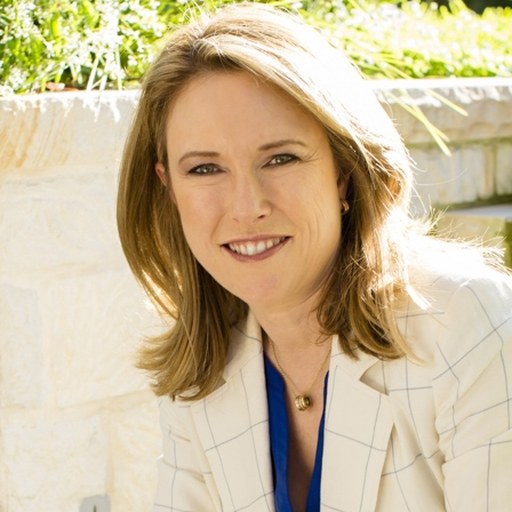
Co-host of The Elephant in the Room. Real estate agent, buyer's agent and buyer's agent mentor, co-host of Foxtel's Location, Location, Location Australia, author of Auction Ready and co-host of Your First Home Buyer Guide.

Adriana Care on the Legal and Financial Realities of Multi-Generational Living
Elder law specialist Adriana Care explains why more Australian families are building granny flats for ageing parents, and what the title, the pension and the estate look like afterwards.
In this episode, we look at the uncomfortable reality facing aging parents and their adult children. The traditional aged care pathway is expensive, emotionally fraught and often poorly understood until it's too late.
We dig into the real options people are weighing up, staying at home, moving into residential care or reshaping the family home altogether, and how these choices are actually being funded in practice, not in theory.
This episode should make people pause because aging, property and family don't always mix well without clear eyes and firm boundaries. There are legal implications that are often not thought about until it's too late. And today we're going to get a greater understanding of what these might be.
Welcome to the elephant in the room. This is the podcast where we love to talk about the big things in property that never usually get talked about.
I'm Veronica Morgan, real estate agent, buyer's agent and buyer's agent mentor, co-host of Foxtel's Location, Location, Location Australia, author of Auction Ready and co-host of Your First Home Buyer Guide.
Hi, I'm Chris Bates, ex-financial planner and mortgage broker, currently ranked number three in the annual MPA Top 100 Mortgage Broker Awards. Before we get started, everything we talk about today is not personal advice, and we recommend you engage the services of a licensed and experienced professional.
Our guest today is Adriana Care, Managing Partner at Coutts Legal. Adriana is a specialist aged care and elder law advisor who works at the coalface with families making these decisions under pressure.
She's seeing a clear shift among the so-called sandwich generation, particularly towards building granny flats or secondary dwellings to house aging parents. And this raises complex questions around money, fairness, centrelink, control, and what can go wrong when good intentions fail.
meet poor planning so welcome Adriana we have not covered much on this topic before in fact probably anything however it's a very big elephant in the room we're really looking forward to learning a great deal today so thanks for coming along my pleasure and it definitely is something people don't like talking about in families that's for sure money and the diet family dynamic
Thanks so much for coming on, Adriana. We've done over 400 episodes and coming into this year, you know, over the break, I was thinking like, well, some of the topics I really want to sort of cover.
And I started in my head thinking about this and I didn't actually know Veronica had booked you because I think it's a really interesting dynamic at play where, you know, the baby boomers and their parents and they're living longer and we've got this big demographic sort of wave.
And, you know, and I think it's having a huge impact on the overall way that our property market works.
works.
And what are you seeing, I guess, like what are some of the biggest challenges you're seeing, not only for the people that are, you know, aging and aged care, but also for their kids and grandkids?
Well, it's a double whammy, especially, I don't know, your listeners might not know, but I'm located in Sydney and I feel like Sydney property does trend and then it slowly infiltrates across Australia.
Some states actually do a little bit more aggressive than Sydney, but in this trend, I think this is happening a lot and it's happening since the last 10 years. But it's now becoming quite prevalent in issues and challenges when the elderly parents are passing away.
So let's reverse back and answer the question you said. There's a couple of reasons why people are doing it at the moment. Yes, we've got an ageing population. We've got a limitation of resources in Australia and in particular Sydney metropolitan of caring. So a lot of people are electing to do home care.
when they're aging, and then they're electing to utilize family, usually children. The other thing is a financial restriction. So what I meant by Sydney setting a trend, it's really hard to get into the Sydney market.
And if you read a lot of financial papers and say, who is the third biggest bank in Australia? They actually say the parents are helping their kids get into property. And so that's just to get into property.
But what's actually happening in reverse is that parents are elderly or people are sitting on very large properties, very wealthy properties, and then can't utilize it and don't really have any other source of income, maybe other than a pension or their self-funded retiree.
And they're thinking, how can I switch this into liquidity and help my family and still have a roof over my head? These are all the challenges that people are having. So predominantly people would think it's about care. Maybe losing one parent and loneliness is also another reason. And then there's also the reverse.
We're in an environment and we've been in that environment for more than 20 years. We're two people working and in a household, parents. So we do lean on grandparents to look after kids. And then there's distance. It would be better for them to live on the same property, dual occupancy.
There is a lot of key factors that are happening and people tend to start thinking about, well, I'm sitting on a very valuable asset, no mortgage, can't use it, but I could help my children or my children can take care of me or I can live with someone so I'm actually afraid to live on my own.
There is many, many reasons and a lot of it goes down to resourcing as well.
So just, it's probably the thing we didn't clarify at the beginning of this is that what we are talking about here is multi-generational living.
We're talking about potentially the elderly person or the older person or couple who have a big house and potentially maybe they build a granny flat at the back, they move there and their kids move into the front house, well, the main house, or...
potentially the sandwich generation, so the Gen Xs in the middle, are basically saying, well, look, we're actually doing all right. We've got this big property on a big block of land. We could put a granny flat out the back.
Perhaps mum and dad could partly fund that, or perhaps maybe mum and dad could move in there, and then they might help my kids get into the market. So they're sort of looking at the solution to sort of killing more than one bird with, or two birds with one stone here.
But it's looking almost like family assets as opposed to necessarily, well, this is my house and you're not moving into it. Is that something that you are seeing sort of at all those different levels looking from different angles you're starting to see more and more of?
We're definitely seeing there is a couple of key factors that challenge people. But yes, there is the whole, you know, this is that there used to be this asset and you'll get it on death. But now it's about how can I help my children while whilst I'm living or help myself?
It's a very different changing attitude in the family dynamic that never used to be. a question we used to get a lot of when I first started in law 30 years ago. I don't ever remember that.
When people came in to do their estate planning, it was all about what can I do now? What can I do for myself? And what can I do for my future generations once I'm gone? That discussion is not as strong as it is now. I want to keep my pension.
That's all I've got. But I've got this house that now I live in Sydney Metro that's worth $3 million, which I bought it $100,000 40 years ago.
So do I keep it? It's quite a large block. It's an old, I want to bring my kids in it. Or do I sell it and then do I move on to, you know, one of my children?
And I say one because it gets very complicated when there's more than one child or it gets complicated when there's in-laws. So and what happens when, you know, the family dynamics change? break down as well. And this is probably, I'm moving on to what the other chat, what more the challenges are.
But it is a very common question now because we're obviously, you know, the government's looking at self-funded retirees. It's really pushing people off the pension, wants people to be independent.
And let's be honest, if you haven't read it, certain governments are already saying that people who've got vacant rooms or who have houses that aren't being utilized, they're looking at bringing in a tax. Now, I'm not saying that's going to come ahead, but this is something that was never spoken about 20 years.
This is how the world is changing. So that's why these conversations are being had.
So what do you see from the couple that can't enter the market? We have seen it more and more. I remember when I first heard about a client coming to me and saying, hey, we really want to just buy a house with the parents and we're going to pool our resources.
It was probably like four, five, six years ago, but it has popped up quite a few times. And I've seen brothers and sisters buy and friends, et cetera. I mean, it makes sense, right? You've got a younger generation that's got income who haven't got assets. You've got a middle generation that's
you know, potentially got to have think about taking care of their parents.
And then maybe the parents or the grandparents slash, you know, in their 60s, 70s are saying, well, you know, before I become a burden or before this property becomes a burden, maybe I should be, you know, making some decisions from a family earlier.
Is that sort of what you're seeing is like everyone's having challenges. Maybe we should be looking more and more at this sort of multi-generational solution for us rather than us all doing our own thing and having three different homes in Sydney, for example.
Yeah, so I do believe what you're saying is correct and that's why it's triggering the conversation. But there is other external factors that may be. It's like personal needs in the sense like you talked about care, that someone passes away, like one of the parents passes away.
If I can be so forward and say single parents, like the elderly parents have a child and they've become a single parent and they want to help out. There is so many key drivers and it's not taboo to blend your family back in.
It's seen as how can we get the best and help our generations whilst we're living, which is a very different mindset.
Other than in the 70s and 80s and 90s, where it was very common for new migrants to come in and pull their assets as a family to buy one house, and then each family would go and buy the other house, which is a very reverse situation to now.
We are moving the other way now where There's a limitation on, which I didn't mention before, a limitation on availability of housing, the financial barriers to enter, the two parent working family and care, like children and care is a big challenge. Grandparents are also our main carer.
all the reverse that we become a carer because you know when people used to get were unwell or needed some level of care you used to have to go to a nursing home but now we have in-home care we have funding from the government where they're encouraging people to stay in their house that can still have available resources so then it's got to be how does that happen
And how can it happen? The one thing I want to talk about as well is it's a really simple answer. You would think that if your scenario is six years ago with your clients, okay, couple A with the parents, couple B want to join finances and buy a house together.
And what do you do? You put it in both couples names and they live in this and they have the ownership and that would make common sense. But then it's not the scenario that usually happens.
Usually the child who's married says, well, if you're going to move in with me and we're going to own this together, when my parents pass, I've got two other siblings, I'm going to have to pay them out. Otherwise, I have to sell my family home.
So then it becomes the challenge of, well, what should they get? Can they get their entitlement early? Then there's the whole, I don't want to be on the title. Then there's the whole center link. Do I want pension? What can I own? What can't I own?
So this is why there's challenges in the scenario rather than a simple, well, I'll bring in a million dollars from my sale of my house. You put in and borrow the million dollars and we'll buy a $2 million house. And we both live in this maybe duplex or, you know, the...
under one roof and we all own it. But then the problems happen after.
So people are starting to challenge each other and say, well, I don't want to buy with mom and dad if that means I have to sell in 20 years time and I've been here for 20 years and I have to pay whatever the value is at the time of 50%.
So then they start to be, okay, well, what can we give and what can we put in our wheels? What should we put on? Who should own it? And that's where all the challenges are coming.
This is fascinating. I've got lots of questions going off in my head. One is, you know, I'm wondering how much of this change, I mean, it sounds like a big reason for this change is economics in the sense that Sydney is the most expensive property market in Australia.
So therefore, as you say, if someone's going to start here, it's because of those financial pressures and then it will sort of cascade down into other markets as they become very expensive.
But I'm wondering, because you mentioned about, you know, migrants come to Australia and their pattern of home ownership and also from wherever country they came from as well. I think about like European ways in which families, there's much more multifamily arrangements and that's been going on for, you know, hundreds of years really.
So is that part of the reason also? Because we've got a sort of a cultural change in this country given the amount of immigration that we have. Do you think that might be playing into it some way or you think it's more purely economic?
No, I think it's economic. I think the migrant influence is more about availability of funding and study. I think the drive for if you want to be a homeowner is the drive to come to Australia is to then each family to own their own home.
But what I do think why we're much more open-minded to generational living in the back end of our lives is because of that migrant influence that it's not taboo.
something that we should be we've actually done reverse in our psyche so I do think whilst it's not the driver of that we're following the trends of Europe because Europe's a very different beast as I call it there's not a lot of land there's no money there's no there's a lot of old towns and
He's building on it. It's a very different market. I do think that culture does bring in and influence that. Maybe that's the way it's coming as a solution is what I'm saying. And we didn't necessarily have that solution or we never thought of it like that.
The other thing I've got to say is our pension is not high. it's not sustainable to live on. So people are challenged with, you know, the cost of living, how am I going to live on this pension?
If they're not self-funded retirees, even self-funded retirees, it's very, very challenging in our cost of living environment. So it's about challenging themselves and saying, all I've got
Because a lot of our baby boomers, which my parents are baby boomers, only had super right at the back end of the cruise, if they did, if I'm going to be honest. So they are either pensioners or self-funded retirees.
So then they're now starting and the Sydney market has escalated, for example, not actually all markets, property markets have escalated across Australia, I should say. And what they bought this house for is worth millions and it's beyond what they could see. So they are thinking, well, how can I utilize that?
You know, one of the other options is reverse mortgages. No, it's a very challenging mindset with reverse mortgages. That's really their option when they've only asset rich, one single asset rich, not multiple. They have to look at their family home and how do they utilize it.
And this is the solution that people are coming up with.
Also, I mean, I guess the aged care options are somewhat limited. You know, we do find, and anecdotally, I mean, I know you and I have had conversations off air here, you know, around the vendor advisory work that we do, working with people to sell that
one asset that they have and optimize the result from that to facilitate moving into retirement living. But they're often leaving that until the last possible minute. And I mean, I understand why.
It's daunting for starters, and it feels like God's waiting room, and who wants to voluntarily put themselves in there? So there's lots of emotional reasons as well as financial. But I think, and certainly with this...
you know, government initiatives to encourage people to stay in home, you've got sort of confusing narrative out there too.
You've got, you know, oh, you've got empty rooms, you should be using those, but also we want you to stay at home because, you know, our aged care system is really, you know, collapsing under the weight of demand and we don't have enough, you know, enough staff, et cetera, et cetera.
So do you see the limits of aged care options and also perception of them? Is that feeding into it as well? Are they thinking, oh, we've got to, anything's better than that?
I agree that it is weighed in on that discussion and thought pattern. So when you talk about retirement living, I think it's a lot more modern today. There's a lot more variable options of full care, partial care, independent retirement living in retirement villages.
I do think we've moved a long way in what they are looked at. But let's be honest, that is only just started in the last couple of years and it's expensive. expensive to go into retirement living.
If you have a single asset and you need to go into full care retirement living and you have a million dollar house, the government rules and usually retirement village rules is that you have to pay
pay for that you have to sell up the asset anyway and that's triggering why would I do that why wouldn't I just keep it in the family why wouldn't I move in with my kids or there's still a lot of our aging population and we are getting we have an older group a bigger group
who aren't self-funded or do not have an asset and are purely dependent on the pension. So they get priority in going into retirement villages, like government retirement villages, because they've got no other option.
So the market and the availability to have a choice is very limiting. And it also depends on what area you're living. If you're in Sydney, it's The wait list is long.
So this is why people are looking at different options, as well as I do still believe, even though we've got a lot better options in the level of retirement living and villages and full cares, half care, you know, independent, I still think it's taboo to the current generation, elderly generation.
I track all developments that are happening, et cetera, but there seems to be this, you know, we need more homes for, you know, singles and couples and divorcees and single parents and key workers, downsizers, you know, families, but we also need a lot more retirement living, right?
Like in, I've been watching developments and it's been obviously, prime land in eastern suburbs, beaches, inner west. And instead of building apartments, they're like, well, no, the best bang for us is actually retirement living. And I've just been looking at the stats for us in Australia versus globally.
We're well under what it is around the world. And so is that going to be a real challenge for us as a country to build that? Because we just haven't built it. Typically, it just hasn't been a big part of our development.
Yes, I want to answer that. We are well behind the world, I think because we're a younger country as well and we're not as well developed. Can I also say this? Despite what people think, my understanding from developers, I don't own retirement villages, it's not profitable. it's not as profitable as people think.
So if it's run well and it has government funding being paid into it, like child cares, it can be quite profitable.
But some of the retirement living that you're looking at that is developed by private developers, there's a lot of clubs that are looking at it because of a community arm rather than a profitable arm.
It's not as financially viable as you think, because if you look at a typical scenario where I am in the Southwest, You would buy into a room or a partial care living.
You might invest a million dollars, but under the contract, you'll get a percentage of your estate rather, or when you move out, we'll get a percentage of that and you pay an ongoing fee. The capital growth is kept maybe by the retirement village, but it depends on the turnover rate.
There's so many variables. So it can be profitable, but when you're looking at that versus building a new town or a new city and all these blocks, they tend to lead to that or apartments.
They're very different though. I mean, you know, as a retirement village is built by an owner-occupier, an owner-operator, I should say, versus, you know, building a block of apartments to sell off to individuals. And so it's a business decision around how to utilize that site.
But also, you know, and that sort of, you're talking about that leads into funding this and the traps. And this episode is not going to be long enough to go into all of this. But I've noticed that really interesting that, yes, they do keep the capital growth and,
So you sell your family home, you decide whether, you know, because there's different options, different retirement villages have different structures. So you could, you know, maybe pay 100%, 80%, 90, 50%, whatever it is. And there's obviously a different return to the estate once you shuffle this mortal coil.
Or if you then have to go into high care, some of these retirement villages offer high care facilities or others don't. So you're going to have to basically sell that, go somewhere else. And also if you're in a couple, what if one needs high care and the other one's fine?
How do you navigate through that? How much of your capital you are for your one asset, because you sold your one asset, which is your family home, you might be on the pension.
You go into one of these villages, you lose a lot of that, you lose a chunk of that equity in buying into it because you're not going to get it back. Plus you don't get any capital growth.
But I imagine that if they're well run and in demand, that they got to experience capital growth.
And I've seen it too, because I've had clients that have gone to buy in and there's no transparency around what the last one sold for or really what market value is, you know, and you don't know until one's available either.
It's not like this is a price list and this is a brand new development. And then you might want to know what the prices are of the next retirement village. But basically, unless there's one available in there, you're not going to know that price either.
And unless someone tells you what they paid for it, like it's really difficult to get information here. So you're going in blind. You're fearful because you're finally at a point where you've made the decision or you need to go in there.
We might have sold your home and you're going to be back to be homeless. You're fearful, so you sort of offer overs. You know what I mean? It's all in the favor in terms of negotiating. It's totally in the favor of the operator of the retirement village, right? How do you guide people?
I mean, with that, I can understand why somebody said, bugger this, I'm going to build a granny flat.
So how do we guide? I mean, you've got to do your due diligence, but there's only so much you can do. And some of the challenges I've had with clients is they didn't do their due diligence and six months in they're saying, I want out.
And the penalty to leave before 12 months in most, most agreements, even the best of the best retirement villages. Because like you said, they don't make money on quick, or maybe we both said on quick term, it's more, you know, that long-term growth.
So you need to do your due diligence, your management fees, your recurring fees, what it covers, what it doesn't cover. So they have to disclose all this under the law. The law is...
quite high, it's quite regulated, but it doesn't mean that you're going to understand the full effect of living in that environment. So you've got to do your due diligence. You've got to speak to the people there.
So if you're independent or semi-independent, so not full care, which full care is a little bit different. You know, I have to be honest, I think full care, you're on a wait list. I don't think people can be picky.
But, you know, independent or partial, there is more options to be a little bit more picky between your choices. You have to do your due diligence. So an example, I was just actually meeting with one of my clients.
She moved into a retirement village quite young, like she's in her early 60s, but she's on her own and she thought that would be really good. She's a self-funded retiree and she thought it'd be a really good environment for her because she was lonely. Her kids lived more in the center of Sydney.
she said to me yesterday that whilst it's a beautiful environment like place like it's a dupe it's a semi i should say that the people are not her type of people because they're not self-funded retirees so then if she's going on holidays it's all judged and so this is a community site this is the other you feel it's not the legal side so you really have to do your due diligence you have to speak to people living there you have to probably try
to go into some of their group sessions and see what they do. And then you've got the financial aspect. So she's now stuck there because she doesn't want to lose half her fee in the first year and she'll work it out afterwards, I suspect. But really got to do your due diligence.
The documents and the information has to be there under the law. So you need to look at all fees. But usually what the biggest gripe I get or complaint I get coming back to me or come to me
they're not our clients and they become our clients, is I thought my fee covered X, but it doesn't cover that. I have to pay more. I thought I could park my caravan. I'm not allowed to park my caravan there. So now I've got to go do it.
I'm just using real life, simple examples because they didn't look at it all. They were just so taken up by how beautiful the estate looked or had a swimming pool. You know, the more facilities the retirement village has, the more you're paying.
And when you've got a limited pool of funds, because you've got to pay your entry fee, that depletes quite quickly.
I'm on a personal mission to help more people make better property decisions. You know, most people don't realise that they can cost themselves hundreds of thousands of dollars over the medium to long term when they make property decisions without all of the information that they need.
And what I do is help people with tricky real estate problems. which often masquerade as simple questions like, should I sell my investment property because the interest repayments are hurting or should I buy before I sell or the other way around?
You can connect with me and access all of the tools that I've created to help you make better property decisions at veronicamorgan.com.au and there you will find resources for first home buyers,
details about my buyer's agent mentoring program, you can connect with my Sydney-based property management and buyer's agency teams, Australia-wide vendor advocacy, or ask me for introduction to the small group of buyer's agents that I would personally recommend across the country. That's veronicamorgan.com.au.
If you're considering a property move such as buying your first home, upgrading, renovating or investing, the team here at Alcove would love to help you think through your decision and get the finance right. Please go to alcove.com.au to reach out.
And look, you don't know what you don't know, right? I would imagine that you've got to really compare. You've got to line them up. You can do all your due diligence, but then you've got to compare it to the next village and the next village and the next village and so on.
And then availability makes you make a quicker decision.
That's exactly. You're under this sort of pressure. But also the contract. of sale. It's very different.
And I know when we've got clients whose parents are doing this or when we're operating as a vendor or advocate for someone who's selling their home, quite often they've already actually made the commitment to the retirement village before they sell their home, right?
So the retirement village does give them quite a lot of time to sell.
which is great okay and that's really necessary so that they don't find themselves homeless or camping they don't want to be camping on their kids you know lounge for until a suitable place comes up so there's there's very rarely that pressure of having sold and finding yourself homeless but then you've got that pressure of having to sell within that time frame and also making sure that you've made decisions with the right dollars in your head in terms of what you think you're going to have available but so we're talking to these people after they've made these decisions and often i find that they've used a lawyer
that is just a local lawyer who doesn't necessarily specialize in these types of contracts. So it'd be really good to give us a bit of an overview with the sorts of things that people can really inadvertently get themselves caught out by, by using the wrong legal advice.
So if you've got a lawyer who doesn't, you know, explore this area, then they wouldn't understand what the disclosure document has to have. So, yes, you have a contract of sale, which, you know, you do with any transactional property in all of Australia. Just different states have different forms, format rather.
But with retirement villages, they're governed by an act and it must have a disclosure document. So you have a contract of sale that sells the actual property if someone owns it. But then you have the agreement with the retirement village and that is the more important agreement.
Of course, the contract of sale is important, but that's quite standard. If you go to your local lawyer who does transaction conveyancing, they'll see that and they'll understand that. But it's the disclosure document and the retirement village living agreement, which is super important.
And what you've got to make sure is in there is the disclosure of the entry fee. The fees of who gets the capital growth.
When you can sell, do you have to invest in like, one of the conditions could be that if you go to sell, you have to refresh the whole, like out of your own pocket, refresh the building. So that's an additional expense that people don't account for or states don't account for.
How much percentage do you lose if you sell? Your reoccurring fees, what does it cover? Is it a strata complex and you have to pay council strata utilities on top of that? Does it include cleaning? Does it include maintenance?
Because if it doesn't and then the rules say you must have X, Y and Z done, you have to pay for that. So these are all things that have to be disclosed. And a lot of people disregard the disclosure document.
The other thing people don't look at is the actual rules for the complex. It's like a strata. If you live in a strata, you've got strata rules. The retirement villages have exactly the same thing. A really common one is I'm going to have my daughter who lives in Queensland. I live in Sydney.
My daughter's going to come down. She comes down for three to four months. She always comes and stays with me. But a retirement village might not permit that. And they say you're only allowed a guest up to 50 nights or 150 nights. And they will permit. enforce it.
They have to enforce it because your community will not appreciate it. How many cars you can have? What caravans you can park? What can you do? How long can it be vacant for?
I might go and see my daughter in Queensland and I leave it vacant for three months and they say, you can't do that. So these are all things that are in the disclosure document. It has to suit your potential lifestyle. And a lot of people disregard it.
And a lot of lawyers don't value it to say to the client, does this suit your life, your lifestyle, what you're looking to do? And it's really the legal implications of the entry and the exit. The exit is the most important, if I'm being honest.
And it's all in there and people do not look at it.
Obviously, there's a lot of challenges around retirement living and a lack of options, a war behind the rest of the world, etc.
But when you are getting this, I don't want to go down that option, there's not enough, and I don't want to go into aged care because I'm not at that level yet, and there's a long waiting list, and I don't want to be in this home anymore because I'm lonely and it's too much to maintain.
But as soon as they've got one child, it's okay, right? But as soon as you've got two kids... or three or four, surely then it starts getting even harder and harder, right?
Because they've all got different levels of success and financial wealth and some have got stable marriages and some have got rocky ones and some feel like they see mum more than others.
And is it really hard to start to advise them on getting everyone around the table and think about this emotionally, not that emotionally, because
know there's just so much at stake and you know if you think about the price of sydney going up right mom or dad's you know assets probably what they're sort of banking on to help them retire help them pay off their mortgage and they kind of want them to stay in the property as well because they know that it's a good asset for the next five ten years so
How do you sort of handle that? Like, how do you get that?
This is going to be a cop-out answer, but I want to talk this through real thoroughly. It's not for me to tell them what to do. It's for me to tell them what the risk of what they're proposing and the different options.
And I say that because the other thing that we are playing, and if this episode is not enough to talk about this, but I'm going to be really frank. There's a lot of elderly abuse, financial abuse. And so we've also at the same time got to assess that.
And it's really unfair because sometimes you're meeting these clients. You've had them forever and you know the family dynamics. And still then you don't know everything. You'd hope you do, but you don't. Or you're meeting these clients for the first time. So quickly, I've got to size up. Is there influence happening here?
Do they see that they're going to get the main asset and they're defeating what the parents really want or convincing, I say parents, but the elderly person what they really want. There's so much happening in that initial consultation for us that
We have to check their mental capacity to be making this decision so it doesn't get challenged later on, which is where I think you are heading. So I don't sit there and say, this is what I think you should do. I think what I say is what's the family dynamic?
What are you trying to achieve? And what is best suited? And have you spoken to all the family about this? And if not, why not? sometimes you can't. Some people say, I don't want to speak to my daughter. Her husband's very controlling.
Sorry, I'm being a little bit, you know, but my husband's very controlling and he'll, you know, it will start a fight between my two daughters. So I don't want to have that conversation.
And it's not for you to say you must, but it's actually saying, well, then you're delaying an argument down the track. So how do we rectify this? How do Do you want to be fair? Some people say, I do not want to provide equally to my three children.
One has always been there for me, always caring, so they should get 50% of the asset pool and this is how I want to do it. The other one is protecting assets because one daughter has a husband they think they're going to divorce and I don't want you to claim it.
So, you know, they start to preempt what they think their children's you know, marriages or relationships are going to be. And how do I protect that? So I'm going to put it in the other child's name and she'll take care of it.
And I sit there and go, that doesn't happen because there's no legal obligation for that to happen.
Or it's a second marriage or whatever it might be.
And you're piercing a lot of the challenging people about trusting their children. So it can be a robust conversation. The problem is you're usually getting them when they're quite frail or when they're quite desperate, as you said, about retirement. They think of it at the last minute.
The other, but what usually happens is someone can't live on their own anymore or doesn't want to or wants to liquidate the asset. A lot more is about the elderly selling up rather than the young couple moving in.
I find the young couple moving in, nobody can hardly come and see a lawyer unless they're going to put a big financial contribution in and say, well, we want to be protected. That happens every now and then.
When we see them, it's usually when the elderly are selling to gift or give a contribution to their children's current asset, which what usually happens is they've got a $500,000 mortgage. Well, I'm going to sell my house. I'm going to pay off their mortgage. They're going to build me a granny flat.
I'm going to put a little bit more. And they say, but I don't want to be on the title because, you know, they're letting me live there, but I don't want them to be able to kick me out. That is more often the conversations we're having at the moment.
And how doable is that in that format, right?
Yeah, so there's agreements that we've, so there's a couple of reasons why these agreements have formulated. They've evolved over time, these binding financial agreements. People think of that usually for separation and parent, but it's not. There's also between, it's about talking about how we bound in relation to our financial assets.
So you also need that agreement for Centrelink. That's why this agreement has been formed. I'll get to that in a second. doubtful. But let's go back to what happened. So they come in and they say, I'm going to move in with my child.
We're going to renovate the property and build a whole top floor. That's going to cost, I'm sorry if I'm insulting, but $300,000.
But I'm also going to give them five, that's what I said, I'm insulting, but you know, $500,000 towards this, which leaves me still a million dollars as I've sold my house for 1.8.
I also want to keep my pension. Always get that if they've got the pension.
And I sit there and say, have you done your figures? Is it better to have this and live on interest? People are not interested. They want the pension because they want all the benefits with it, not just the cash, the income rather. So we work out a scenario. What does that look like?
No one wants to go on title because we all have stamp duty to pay. The minute you touch the title, you have to pay stamp duty. So they say, no, no, I don't want to go on title. I just want something that protects me.
So we do what's called a binding financial agreement with the right a life estate, which says basically for whilst that person's living, you as the owner can never kick them out other than for certain triggers. Because what people don't think past is what happens if I then do need full care?
What happens if I have a heart attack and I need a full-time nurse, I need to be in hospital or I've got to be moved into a full-time care? Who pays for that? How do I then get my money back out? So these are all the things that we would challenge.
So when you said, what do we advise people? We talk more that language of they've usually got a scenario what they want. And we say, well, what happens when this happens? Who's maintaining the property? What happens when you die? Did you expect some money to come back into your estate?
Because that's not going to happen. for your other daughter or other son. So these are all the triggers and questions we ask.
But usually what we land with is a very simple scenario with a lot of causes in the agreement, which is a binding financial agreement with the right to put a caveat on for a life estate.
And then we have the client, the elderly client has to give a copy of that to Centrelink so they can keep their pension and be under the threshold. Now, I didn't give you the threshold. The threshold depends on if you're
So you no longer own a house, but you've got a right to live with your children and you're a couple. I'm looking over here because I know the figures just changed in September. It's about $740,000 you can have in the bank up to a million dollars.
You can have part pension up to about just over a million. But after that, you lose your pension. A lot of people have to think about what am I going to sell my house for? How much am I going to contribute legitimately? Because you've got to get valuations.
You've got to prove that you've paid that to have a building built on the property or renovations. And then you've got to show Centrelink all of this to keep your pension.
So it's a real process. And I imagine if they get it out of order or they don't do something, they could end up losing their pension. I have had people sell.
They've done what they've done, given their kids the money, have a million dollars, and then they get a knock on the door, as I say, and they say, you're losing your pension or say 1.5 million. But why am I losing my pension? I don't have a house. You're over the threshold.
I don't think about it. It is now becoming a little bit, people are starting to become a little bit more educated on it. But there's been so many and to reverse it is hard.
The one thing I do want to say, though, is if early couple is downsizing and hasn't really made a decision and wants to move in for a period of time and they sell their house for $2 million, they've got up to two years to keep their full pension to find another house as long as they meet the criteria of the government and they're actively looking.
They're not doing it to deceit the government and they've obviously got to go through a couple of hurdles to keep their pension. But you do have two years to make a good decision.
So they gift the grandkids or the kids, you know, some money, is there tax payable on that?
No, if you receive a gift, it's a gift, but this is where it gets interesting. So they say, oh, to get under the threshold, I'm going to gift my kids $100,000 each.
But I want to keep my pension. I say, well, that's not going to happen because the government still sees it as in you've got the $100,000 in your hand. You can only have up to a certain amount. I think it's only as little as $5,000 a year to gift.
And so if I gave all my money away, the government says you should have kept that to live.
We're not giving you the pension. We're going to take it away from you.
And then after five years, they consider that that money is gone. if it was $100,000 or whatever it was. So you really have to think about gifting and being left with no income if you've over-gifted, as I call it.
Yeah, so let's say the scenario there, the eight-year-old who's still feeling fit and healthy but really doesn't want to maintain this house and maybe they lost their partner and, you know, it's scary and my nana was in this situation, so I'm sort of like reflecting on that. House prices are what they are.
You know, they bought the house for $100,000 or $200,000. You know, there was a very modest home and now it's worth a few million dollars. But if they sell it and they've got no other assets, right? Like they didn't have super, et cetera, like that.
But as soon as they sell, they get two and a half million in the bank, right? And they lose their pensions.
right and they've got nowhere to live so yeah they go live with the kids and then the other kids are saying well what are you doing with that money i'm putting the bank but you know then they say we'll give it to us now because it's more available so is it easier just for the parent though just to say well you know i don't want to deal with all that change i know i don't like it
you know, I'm just going to stay here. And do you think that this is one of the major challenges in our property market is because there's no retirement option.
Selling is not really a good option because I'm just going to lose my pension and it's going to create all these challenges with the kids. I'm just going to stay here as long as I can. And that's the default option most older age people consider.
And there's no incentive from the government to sell. So yes, the answer is yes. I'm going to be really honest with you. That scenario where you don't need to move, they won't move. It's not even the financial side.
It's also usually the person in that scenario who's 80s probably lived there for a long period of time and is really emotionally connected. And to leave without a need, other than a little bit of loneliness as you've advised or isolation as they call it,
we'll kill them we'll probably put them into an earlier grave than they were probably and you know you know weren't ill because the emotional side will play with their health i'm not i'm a doctor but i'm just saying from experience that sadness or depression that gets that happens quite a lot with elderly people who move into retirement villages they think it's going to satisfy something but the the disconnection with something they've known for 40 years or 10 20 years or
The family home, it's even just naming it the family home, really does hurt them. So they don't move unless they need to. And the need doesn't need to be health. Sometimes I need to help. My daughter just got divorced and she's renting and I want to help her.
So that's the need, you know.
You talked earlier about like if you get to the point where you have a high care need, you've got to go into a nursing home. You don't get to be picky because there's a waiting list.
And I know there's been many news reports around the hospital beds being full of people because there's no space for them in a nursing home. But we also have talked about the fact that people delay these decisions because for lots of reasons, among those, the emotional ones you're just talking about.
But if you do do it earlier, you do have more options. You are able to be more picky. You can sort of do your research around which retirement village you might want to be in. Also, you could potentially be
downsize into an apartment a strata apartment without having and stay outside of the world of retirement living but if you buy well enough you can still get at home care and the actual building can can be amenable to somebody who's you know got mobility challenges all those sorts of things close to existing networks with more apartments being built in transport hubs and all the rest of it you know in very convenient locations so it's sort of interesting that you
people are still delaying these decisions when really they'd have much better options and potentially be a lot happier if they did move earlier. But back to your sort of granny flat solution, you know, so I guess people throw their hands up in the air.
I know, let's just sort of combine resources and build a granny flat at the back of my kid's place for argument's sake. What are some of the biggest, I guess, legal traps and financial traps, for that matter, that families walking into that without realizing?
We've talked about some of them, but specifically, you know, they're going to fundamentally alter their home. And, you know, what happens when mum does die or go into a nursing home? Or what happens, you know, does one of the siblings want to move in?
You know, someone gets divorced and suddenly you've got your brother-in-law living there. I mean, you know. I mean, these are things, right, that would, if mum has funded it, you know, there's a sense of ownership for the rest of the family. I mean, it's complex, right?
So what sort of agreements would people, what would you be thinking about for those types of scenarios?
That's exactly what you have, all those questions you asked and more. So it depends on what they're thinking will happen to the title first. I would say, every 10 meetings or scenarios I have of this, eight or nine do not want to be on the title.
They don't want to pay stamp duty to be added to the children's title. And then I didn't say this at the beginning of this podcast, but also the laws around how easy it is to build granny flats.
has actually driven the granny flat era, as I call it, in these smaller lots as well. So back to the granny flat. One, we asked straight away, how is this going to be owned? Most times they say, oh, I don't want to go on title.
I just want them to use the money and enter a building contract to build the granny flat.
So is that taken as a gift?
No, no. So when you, no, that's not a gift. At this stage, it's not a gift. But if they're not on title, it will become the building improvement, which is the granny flat will be owned by the title item, which is the child.
But what you will have whilst the elderly person is alive is a binding financial agreement that gives them a right to live there that roles and what they don't have to pay.
So if they've contributed to the build and maybe a little bit more for maintenance and things like that, they don't pay rates, they don't pay anything like that. It's not a gift at that stage, but when that person passes,
it becomes part of the title and the other, if there's any other children of the estate, that's not an asset that they can claim under the estate. And that's where all the challenges and arguments come in.
Well, mum paid for that granny flat, so why isn't the half a million dollars back in the estate? Well, no, because we allowed her to do that and it was becoming part of our estate. So what we do at the same time is we challenge
The person who's moving in with their children, do you have any leftover funds? What's your intentions with the leftover funds?
Do you understand that this might end up being deemed an inequitable contribution because cash might not grow as fast as the asset as well? And you have to be prepared and be able to live with that.
But the estate cannot challenge the granny flat that's not in your name, the one that passed away.
So, okay. Actually, it becomes a child's asset on build, but you can't remove the parent from living there under a life estate, but it becomes theirs without any restrictions on death, I should say.
Right. So that means, yeah, so the estate then is smaller and could the person that got the granny flat...
right now is on their title now they own it unencumbered could that person then contest the will that might only leave the rest any surviving remaining assets to the other say two kids could that that person who's not getting any of the remaining asset could they like feasibly contest the will then
So there's so many answers to that question, Pratt. One, they do have a right because they're a child of the estate of the deceased. My apologies. They have a right.
So you've got to have a right to challenge, forgetting that you've already been gifted something or given something for a purpose when they were alive. You have to have a right to challenge. As a child, you have a right. You have to have a need.
So a need means either were you dependent and were you living with your parent because you have restrictions in being able to work and you don't have income and your parent gave you an income. This is an example. And you would have a need.
But if you're financially stable and financially quite wealthy, the court system will look at it as, well, do you really have a need or you just try to be greedy? Yeah. so forth. So there's elements you have to satisfy.
But if you're a child of the deceased and you can satisfy those elements, it doesn't matter that you got the granny flat because maybe we're thinking very small minded, but the estate might be worth a lot more than what the granny flat. The granny flat was half a million.
The rest of the money in the bank is four million. And they were living off the interest. And the two kids are getting $2 million each while you got mum looked after her. And, you know, the half a million dollar grant is now worth $700.
I think that's a very rare scenario, but could be the flip of it as well. So my answer is you probably could, but you have to satisfy the elements.
Yeah, estate law is another conversation. We're going to get you back at some point, Adriana, because we can see how many tentacles this conversation has. And there's a lot here that is very, very relevant to property. And we clearly have not covered enough of this in nearly nine years.
Are we nine years or eight years? Anyway, we've been doing this for a long time. This has been a really fantastic chat. To wrap it up, we love to have a property Dumbo. So an example of a story that we can all learn from. Do you have an example?
I have a real life story. This is very much, it's a good segue what we just finished talking about. So the mother who went and lived, got the granny flat built and went and lived with her daughter and son.
and has a life estate and put in, let's say, half a million dollars, and then lives with her daughter and son and thinks that when she dies, it's going to go to her daughter and son-in-law, sorry, son-in-law, and they've got children, she's got her grandchildren, and she thinks everything's fine.
Unfortunately, her daughter passes away before her, and she's now left living with son-in-law, who has repartnered and brought in someone into the estate. That chick doesn't have ownership. And the only trigger under the agreement is if she has to get full care and she can get money out of it.
Otherwise, once she only has a life estate, they never thought that the daughter would pass at a young age. And she's now left an asset to her son-in-law, which is fine, but who is now repartnered up.
That is a scenario a lot of people have not thought about that I have a client that's currently happening to.
It's a sad dumbo.
It's a very sad dumbo, but it actually is. That's a thought a lot of people don't think about.
A shoe, it's going to their blood. You wouldn't. Adriana, this has been such a good chat. This is something that we really are digging a bit deeper into this year. But look, we really appreciate your time.
We are going to get you back at some future point to talk about more of this stuff. So very much appreciate that. Thanks, guys.
Thanks for coming on. Awesome chat. If you have a question that you'd like us to answer in an upcoming Q&A episode, you can send us a voicemail or written question via the website, theelephantintheroom.com.au, or you can email us directly at questions at theelephantintheroom.com.au.
If you like what you're hearing, please share this episode with others you feel would benefit. And while you're at it, why not leave us an iTunes review? Five stars would be great.
I know that sounds a bit cringy, but we have it on good authority that every review helps make it easier for other people to find out about us and hear what our amazing guests have to say.
Key takeaways
- Kerr sees the shift to multi-generational living as economic rather than cultural, driven by house values, limited care resources and a pension that is hard to live on.
- Of every ten families she meets on this, eight or nine do not want the parent added to the children's title, largely to avoid stamp duty.
- The retirement village disclosure document and living agreement matter more than the contract of sale, and she says the exit terms matter most of all.
- The structure she describes is a binding financial agreement with a caveat for a life estate, which stops the owner removing the parent except on set triggers.
- Centrelink figures quoted on air include about $740,000 in the bank, a part pension to just over a million, and gifting of as little as $5,000 a year.
- A granny flat built on a child's title becomes that child's asset on the parent's death and is not available to the estate, which is where sibling disputes begin.
Why Are Families Moving in Together?
Adriana Care, Managing Partner at Coutts Legal and a specialist in aged care and elder law, describes a squeeze arriving from both ends. Australia has an ageing population and, in her words, a limitation of resources for caring, particularly across Sydney. More families elect home care and then lean on the children to provide it.
Running the other way is the money. Kerr describes elderly owners sitting on valuable properties with no mortgage, no income beyond a pension, and no way to turn the asset into liquidity while keeping a roof over their heads. Her example is a Sydney house now worth $3 million that was bought for $100,000 forty years ago. The question is whether to keep it, bring the children in, or sell and move in with one of them.
Kerr sees the driver as economic rather than migrant led, though she credits the migrant experience for Australians being more open minded about generational living. Thirty years ago, she says, estate planning was about what happens once I am gone. Now it is about what I can do while I am still here.
What Should You Check in a Retirement Village Contract?
Kerr separates two documents families routinely conflate. There is the contract of sale, standard work any conveyancer will recognise. Then there is the disclosure document and the retirement village living agreement, governed by an act, which she calls the more important. A local lawyer outside the area may not know what the disclosure document has to contain.
The items she lists are the entry fee, who keeps the capital growth, what percentage you lose on exit, and whether you must refurbish before leaving.
Then there are the rules of the complex, which she compares to strata by-laws. In her experience the exit terms matter most, and they are the part people skip.
The biggest gripe I get or complaint I get coming back to me is I thought my fee covered X, but it doesn't cover that. I have to pay more.
Adriana Care, 24:31
| Item | What To Look For |
|---|---|
| Entry fee | The amount paid to move in, and how quickly it depletes a limited pool of funds |
| Capital growth | Who keeps it, the village or the resident |
| Exit percentage | How much of the entry amount is lost when you leave, and any penalty for leaving inside twelve months |
| Refurbishment obligation | Whether the resident must refresh the dwelling at their own cost before a sale |
| Recurring fees | What they cover, and whether strata, council, utilities, cleaning and maintenance sit on top |
| Rules of the complex | Guest nights, number of cars, caravans, and how long the unit may be left vacant |
As described from 22:54 to 29:58. Items as stated on air.
How Do You Protect a Parent Not on the Title?
The pattern Kerr sees most often is not a young couple buying with their parents. It is an elderly parent selling up, paying off the children's mortgage, funding a granny flat or a top floor, then wanting protection without going on title. Her example: a parent sells for $1.8 million, puts $300,000 into the build and $500,000 towards the mortgage, keeps about a million, and still wants the pension. A granny flat on an established block is the household version of a wider density fight, which Jonathan O'Brien of YIMBY Melbourne frames as the argument that accepting change comes with city living.
Every 10 meetings or scenarios I have of this, eight or nine do not want to be on the title. They don't want to pay stamp duty to be added to the children's title.
Adriana Care, 44:20
The structure she describes is a binding financial agreement with the right to lodge a caveat for a life estate. These agreements are usually associated with separation, but the purpose here is to record how the parties are bound in relation to their financial assets. Centrelink is one reason they exist.
We do what's called a binding financial agreement with the right a life estate, which says basically for whilst that person's living, you as the owner can never kick them out other than for certain triggers.
Adriana Care, 36:19
If the parent is not on title, the granny flat is a building improvement owned by the title holder, the child. On the parent's death it becomes part of that title, and siblings cannot claim it as an estate asset. That, Kerr says, is where arguments start, because the family sees half a million dollars that never came back.
Does Gifting Money Affect the Pension?
Kerr says the pension comes up in nearly every one of these conversations, and that people want it for the benefits attached rather than the income alone. She flags that the figures changed in September and that she is quoting from memory.
Gifting is the trap she names most directly. Families reason that giving each child $100,000 brings them under the threshold, but Centrelink still treats the money as being in the parent's hands. Only after five years is it disregarded.
| Situation | Figure As Stated | Effect Described |
|---|---|---|
| Couple with no home and a right to live with their children | About $740,000 in the bank | Threshold Kerr quotes for the pension |
| Assets above that level | Up to just over $1 million | Part pension |
| Assets beyond that | Over about $1 million | Pension lost |
| Gifting to children | As little as $5,000 a year | Amounts above this are still counted as held |
| Money already gifted | Five years | After that period it is no longer counted |
| Downsizing couple actively looking for a home | Two years | Full pension retained while they decide |
Figures as stated from 37:33 to 39:42. Kerr notes the thresholds changed in September and that she is quoting from memory.
What Happens When a Life Estate Goes Wrong?
The closing story is a mother who funded a granny flat, took a life estate, and moved in with her daughter and son-in-law. The daughter died first. The mother now lives alongside a son-in-law who has repartnered, with no ownership of the dwelling she paid for.
Kerr also walks through whether a sibling who received nothing could contest the will. A child of the deceased has a right to challenge, but must also show a need. Someone dependent may satisfy that test; someone comfortable may be seen by the court as greedy rather than needy.
Veronica Morgan's point through the episode is that delay narrows the options. Move earlier and you can compare villages, or step outside retirement living into an apartment near existing networks with in home care available. Kerr's counter is that people who do not need to move will not move, because the tie to a family home of forty years outweighs the arithmetic.
Thinking About A Move That Involves Two Households?
Restructuring a family home around ageing parents changes the borrowing picture for everyone on the title, and the numbers are easier to weigh before anyone signs. Where the next home has to be secured before the current one sells, a bridging loan is usually the first thing the family asks about.
Mortgage Broker for UpgradersSources referenced: The Elephant in the Room, episode 422, "Multi-Generational Living: Legal, Financial, and Practical Realities", released 2026-02-01. Host: Chris Bates (Alcove). Guest: Adriana Care, Managing Partner at Coutts Legal, aged care and elder law specialist. Figures are quoted as stated on air and have not been re-checked against current data.
Press play on these