Curious about upgrading?

Wondering where to start?
Complex questions that need answers?
Is there a better structure for you?



"They managed to navigate my complex expat income and even got my Google RSU income approved as well."
"I highly recommend Alcove to anyone looking for a mortgage broker who is responsive, trustworthy, and truly cares about their clients. Thanks again to the whole team for making the process such a positive experience!"
"As founders, we're constantly jumping between things so having a partner that handled the details & made the process super clear made the buying process breezy for us. Very happy with the experience!"
“It almost felt like it was his responsibility to make it clear to me, not my responsibility to understand it.”
“I've been pretty much fully leveraged the whole time. So the sounding board on that, in terms of what was achievable, what wasn't — I think trust is just built along that.”








"Alcove has been a great partner. They look after my audience properly, keep things simple, and deliver real value. I’ve got full confidence referring clients knowing they’ll get honest, straightforward advice."

"Property is one of the biggest financial decisions people make. Alcove stood out because they take a strategic approach to lending - helping clients structure property and debt decisions in a way that genuinely supports their broader financial plans."

Adapted from audio. This article is a written adaptation of the original podcast episode. Sources and dates are shown with each figure.
Co-host of The Elephant in the Room. Real estate agent, buyer's agent and buyer's agent mentor, co-host of Foxtel's Location, Location, Location Australia, author of Auction Ready and co-host of Your First Home Buyer Guide.

Michelle Ciesielski on What Is Driving Prestige Price Growth
Knight Frank's head of residential research explains why Australia's super prime market kept climbing through the pandemic. Scarce stock, portfolios that never turn over and a buyer pool growing by 11 per cent in a year all feed the same result.
The widespread impact of the coronavirus on property markets across the world has been nothing if not surprising. And one aspect that we haven't yet explored on this podcast is the prestige market. What is driving the incredible price growth that we've been hearing about across this segment? Welcome to The Elephant in the Room.
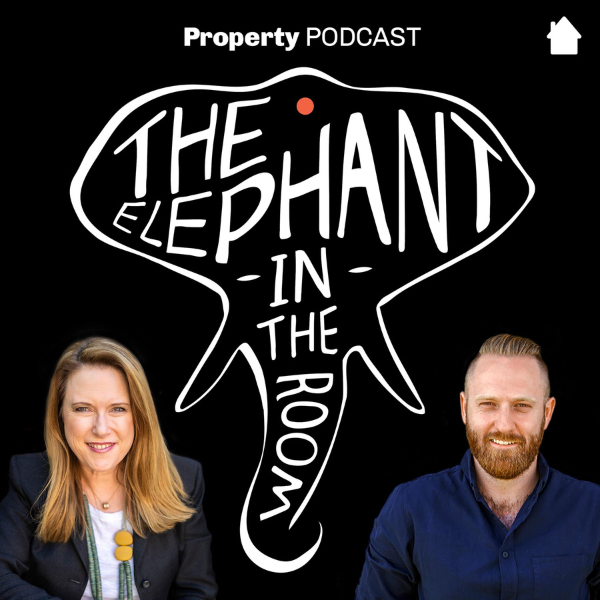
This is the podcast where we love to talk about the big things in property that never usually get talked about. I'm Veronica Morgan, real estate agent, buyer's agent, co-host of Foxtel's Location, Location, Location Australia, and author of Auction Ready.
And I'm Chris Bates, mortgage broker. Before we get started, I need to let you know that nothing we say on here can be taken as personal advice. We always recommend you engage the services of a professional.
Don't forget that you can access the transcript for this episode on the website as well as download our free full or forecast report, Which Experts Can You Trust to Get It Right?
The prestige property market in Australia has been performing remarkably from the latter half of 2020. And we're talking about what's called the super prime market. And to qualify for the label, the sale price needs to be over $10 million in Sydney and Melbourne or $7 million elsewhere. And to give you some context...
sales volume in the third quarter of 2020 was the second greatest recorded for any one quarter and the number of sydney sales transactions in that quarter was 94 higher than the same quarter in 2019. to give us some insights into why this is happening we're joined today by michelle cheselski partner and head of residential research at knight frank australia
Michelle heads the team, the residential research team, I should say, producing residential insights that are shared via publications and presentations specialising in development sites, foreign investment, apartment projects and established property, covering both the prestige and mainstream residential markets across Australia. Now, we really thank you for joining us today, Michelle.
This has been a conversation long in the making. We're really interested in gaining an understanding or a better understanding of this segment from you. Thank you for having me on.
I've certainly been looking forward to this one. It's a part of the market that has been going absolute gang-a-busters and we love talking about the prestige, you know, the glamorous, the luxurious homes that we get to deal with day in, day out at Night Frank.
And my role is to research this part of the market and it's a super exciting space to be working in at the moment.
Yeah, before we sort of go deep into sort of how the prestige markets, which is a whole other world, I guess, to other price segments, I guess one of the thing that's we can really in Australia, we think that we're an island and what's happening here is not happening everywhere else in the world.
But from a property sort of market perspective, where else in the world is booming? Because we're not unique, right?
Look, we certainly aren't unique.
And I guess even through what we are, you know, living through a pandemic, it's not something one would be expecting for us to be seeing such super, you know, growth in our markets around the country, but also around the world.
It's quite interesting because obviously I pull together these data sets every quarter and monitor throughout, you know, on a daily basis. And it's interesting because when I submit our results through to our global team, I always think, gosh, we're going to be right up at the top this time.
And gosh, we're going to have so many people that are questioning how are we doing so well. And then I look at the results and we're sort of halfway down the board. And it just goes to show that I guess in uncertain times, property is one of those things.
I guess, asset classes where people feel comfortable that, you know, investing in property or, you know, expanding their property portfolios, I guess, gives people some comfort that there will be, you know, something in the future for them to, I guess, fall back on or enjoy, I guess, going forward.
The prestige end of the market, though, can be a bit more of a rollercoaster ride than sort of the normal part of the market. And, you know, I mean, literally this morning I was reading an article. I think it's Simon Baker.
He sold his house in Bronte and he bought it, what, three or four years ago, something for $6 million or something, and just sold it for something like $18. Across the road, another one sold for $17 after having a renovation.
I mean, like, you know, in a few years without a renovation, you know, you've tripled in value. Now, that's just one example. I'm not saying it's all happened like that, but that's a massive rollercoaster, isn't it? And what is driving... I mean, he's an actor, of course.
I mean, you know, is he unique in having access to that much money? I don't know. I mean, with the Canon Brooks, you know, the Atlassian founders, they've been, you know, having a massive cash splash across... The state really buying some full on prestige properties, not just in Sydney.
Where is this money coming from? Are these people unique? Clearly not because they're competing with somebody. You know, somebody's come along and bought that house that Simon had. You know, what is driving it? Where's it coming from?
Yeah, I think you somewhat hit the nail on the head there. When we're talking about the prestige end of the market, people do tend to be building property portfolios.
So that means that when they are selling or when they're buying and selling, they're not necessarily needing to sell out of something to buy and therefore the property portfolio expands. What that means is at the very top end of the market, there is already a lower number of properties to choose from.
So, therefore, if there's properties not coming back onto the market, then, therefore, there's only, you know, very slim pickings at the very top.
Throw in a pandemic where we are seeing a lot of our ultra-wealthy clients, you know, remain in Australia for a lengthy amount of time, much longer than what they've probably stayed in Australia for decades. for numerous years now, they're not traveling around.
And there's, I guess, somewhat a perception that they've had more time on their hands to consider, I guess, how they like to enjoy their time, how they are going to preserve their wealth, how they're going to pass on to the next generation. And a lot of this
you know, it essentially comes down to property and property feeds into each one of those narratives. So, you know, I guess looking at the ultra wealthy population themselves, you
As a collective group, in the year of 2020, we saw that group grow by more than 11% in Australia. And when we're looking at that group, we're looking at those that are worth 30 million US or more, including their home.
So to be in 2020, knowing that that group has grown by 11%, the year before that group grew by about 6%. We know that, you know, their primary residences have increased in value over that time.
But, you know, looking at the other components of their investment portfolios, you know, things like, you know, the stock market also performed well over that time. You know, they've got the rising value of, You know, they're collectible cars and boats and other luxury items.
And I guess overriding something that, you know, we often get asked about is, you know, we are in a very low interest rate environment and that seems to be the driver for the mainstream market.
But when we're talking about the prestige end, when we saw, I guess, the market pull back in the mainstream market when responsible lending was introduced and tightened to the mainstream market, this part of the market wasn't affected because they weren't relying so much on
You know, the borrowing side aspect of the low interest rate environment. But what they are able to do is to potentially use that to boost a part of their business venture or they're able to, you know, I guess, recreate that.
their desire to grow their wealth over the coming years. So whether that means that in this environment that they may borrow money to invest in a residential property where they might not have in the past, it just means that they'll be able to use that money in a different way.
And we're seeing that a lot more with our ultra-wealthy clients than what we would have seen maybe three, four years ago. And just that spending more time in Australia and appreciating, I guess, what we've got here.
you know, the closed borders have certainly had an impact where I guess this group are quite used to being agile and to some extent not necessarily being told what to do.
You know, they tend to be business owners and they're possibly at the top of the chain in the business and they tend to be, you know, I guess somewhat instructing others in the business what to do.
So, to be told they can't do a lot of things, I think that opens up a lot of
reassessing of what they want to do. And that's, I guess, where we've seen more activity on the periphery or the semi-rural areas of the capital cities in Australia.
So you mentioned
there a really good point actually the start of the pandemic everyone's got a certain amount of assets and property is seen as sort of a safe haven and at that sort of top end have you seen people sort of instead of investing in their business or instead of investing in buying more shares let's just buy you know residential property because you know bricks and mortar safest houses all that sort of belief even if they're not going to use it from a lifestyle point of view like they're not going to
you know, go and have this, you know, place in Noosa, but they just think that's a good investment. So let's just put some money there or let's just buy a house on the Northern beaches or whatever.
If finding that a lot of clients are just buying it just purely from the investment, but no lifestyle benefit at all.
Yeah, look, it's interesting because I guess you can look at that in different ways. There's the group that believes that they have accumulated a lot of wealth, whether that be that they inherited or they have created that wealth. And they are concerned about passing it to the next generation.
They're also concerned, I guess, that their children and their grandchildren, possibly on their own, won't be able to get into the property market as easily as they perhaps have. So, they are looking at that part of, I guess, wealth preservation for future generations.
So, yes, in a way they may be buying up residential homes for their future generations and not necessarily enjoying them as a lifestyle property.
I guess you've got others that are, I guess, in an ageing cohort where they're reassessing possibly their, and I guess the working from home experiment that we've all endured and still do for the next couple of weeks.
We are, I guess, looking at that to say, well, possibly if I am at the top of the business and I don't necessarily need to be in the office as often as I should,
as I have been, you know, perhaps I can have more of a co-primary residence where, you know, we might have the family home and where we had a holiday home, we might actually use that instead of being every couple of weekends, we might get away.
We might actually be splitting that, you know, through the week where we might have, you know, Tuesday, Wednesday, Thursday in the office, but the rest of the time in that co-primary home.
But then you've got others too that have seen this pandemic and I guess we're all very, very hopeful that we're out of it and we're not going to see this happen again. But then I guess there's others that have the
you know, the frame of mind that this could happen again and the fact that we have had border closures.
I mean, to be talking about border closures, you know, even three years ago in Australia would be quite a... Like, to be having a conversation with myself three years ago about not being able to freely go up to Queensland to visit my niece and nephew, it's just... You know, I guess we're living a very different world and that, I think, has had somewhat...
brought in an element of not shock but oh okay maybe maybe i do need to have that um that getaway um and options and options as well i guess you know it's like a doomsday um that you still have if a tornado comes um you know maybe i do need a 10 million dollar house in this beach location if i can't travel around the world because of a global pandemic um
It sort of reminds me of that.
There's country options and there's also coastal options. For me, that's looking at a place in the city, a place in the country, a place on the coast. That's already three homes in New South Wales if I take my situation into the example. It's just creating options.
It's creating options in a situation right now where we don't have many options, I guess, free to choose.
So this cohort has increased in size by 11% in the last year.
They're buying up property that is scarce by nature anyway because previously there were less people that could afford it. And so therefore you've got increased demand, decreasing supply, and then that's why you're seeing such incredible price growth in this segment, I would guess. deposit, where have they come from?
Where have that 11% come from?
Yeah, I guess looking at that wealthy population, it's probably, how could I say it, when we We have the opportunity every year to ask our ultra wealthy clients, you know, how do they create their wealth? And it's about wealth creation.
It's, you know, I guess looking from our millionaire cohort, which is those that, you know, a million US, including the primary residents. There's nothing anymore.
I know.
It's all to them. Yeah. It's small fry now. Yeah. But looking at that ultra-wealthy population, each year we do have the opportunity to ask in our attitude survey within our wealth report, you know, how do they create their wealth? And 43% in Australia say that it's from their own business.
So, obviously, chatting earlier about low interest rate environment, they are able to, I guess, invest more money into their own business. So, therefore, they're seeing more wealth created that way. But, you know, I guess they are...
A lot of very savvy investors and their investment portfolios themselves have grown about 30% say that that's where they're making their money. For those on salaries, it's about 13% say that that's where their wealth is made.
So I guess looking at all those things combined, we often ask the question about what they're worried about because that's always a good indication of what's going to be on their minds, I guess, in the coming year.
And it's quite interesting because we're obviously talking about the pandemic and 89% said that they were worried about the pandemic and the impact in 2021. And, you know, given we're almost at the tail end of the year, it certainly has played out that way. But quite interestingly, 89% said
also said that they saw that as an opportunity for future wealth creation. And I guess also going forward, the technology disruption that's come about, two-thirds of our ultra-wealthy clients believe that that is an opportunity
As well as things like the ESG agenda, transferring, I guess, homes and certainly other property types to make sure that they are environmentally aware of their position in this world.
I was about to say you just got given a great insight into what makes, you know, the mind of an ultra-wealthy person and that is looking at times of challenge for the opportunity in it rather than, so they might be worried about the pandemic but at the same time they're actually grabbing it with both hands and say, well, right, what does this offer?
And as opposed to sitting around going, oh, you know, hunkering down and going into a bunker and sort of trying to preserve, they're expanding. So that's quite interesting.
Oh, for sure. And I guess, you know, we are talking about a group that are, you know, incredibly wealthy. And what we do see with that is they also are very philanthropic with their activities.
And we know that, you know, when we sort of asked the question about their activities in this space over the past year, 29% said that they'd increased their activities. And when we sort of asked, well, in what way have you, you know, increased your philanthropic activity?
You know, almost 80% said that it was around healthcare and disease prevention. I mean, that's kind of a no-brainer in today's world. But, you know, 71% were interested in conservation and the environment, and about 44% said they did increase their interest in education.
So, we know that, you know, obviously they are building up their own personal wealth, but they also do, you know, give back as well to our communities. Right.
Well, I mean, I got the Canva couple. I mean, that's pretty amazing. They've sort of gone from whatever, a couple of bill to 15 bill. I mean, it's only intangible money at the moment because it's based on a raise in a business.
But I mean, they basically said they're going to give it all away, right? Which is amazing. And I think the next cohort of... ultra wealthy, I think they're starting to get that belief. So I think that's good for the world to share this unspendable wealth, you know, across the market.
Michelle, what about this global impact of, you know, we say 11%. Is there a lot of those people coming from China or from India or the UK or US? moving to Australia and bringing their wealth with them.
And when you say we've got a cohort of people wealthy in Australia, at a global sense, we're so tiny. And so if we keep encouraging people from the world to come to Australia that have got ultra wealth,
ultimately that's going to increase that because we're just such a small number are we still do you think that we're going to still see a lot of people ultra wealthy wanting to come to australia more or less post pandemic or what's the conversations you're sort of having
Yeah, absolutely. I mean, I guess living through the pandemic here in Australia, we've had a very different experience to those around the world and not just talking about, I guess, the Asian countries and territories, but also those in Europe and the US.
And I guess the way we have handled it, we have been seen at times as, you know, we could go to the footy at the time when they couldn't. So I guess at those times when we have been in lockdown, we look to other countries to see how they've been handling it.
And I guess for, I guess, Melbourne aside, a lot of our cities have been open a lot more than where they were coming from. So we...
from a country point of view and looking at our prime property market, we're very small on a global scale, but that also, again, creates opportunity.
If we look at how much, you know, one million US buys you around the world, in our Australian cities, we can buy so much more compared to other cities.
You know, a place, you know, like on a rough comparison, you know, in Sydney, you could buy 50 square meters of internal luxury floor space. Whereas if you were comparing that to somewhere like London or New York or, you know, Monaco, it's down around the 20 square meters.
So, when we're talking about this prestige end of the market, there's a lot of opportunity. So, there would be no doubt people considering our cities just for that reason that their money can go so much further. especially when there's a currency play, which is to their advantage. So I guess there's that component.
There's also, obviously, when our borders reopen, there's a lot of encouragement of wealthier people coming to invest in a business sense into our country. So that's also an attraction where people have been taking that up.
I guess when you're looking at just the rate of growth around the world, by far in 2020, Australia did see a higher growth than global.
And if we were to do, I guess, draw some comparison where we saw that 11% growth, we were the eighth fastest globally. population growth in that ultra wealthy space last year.
I guess comparing that to others sort of at the top of the table, places like Romania and Poland, again, coming off, I guess, a lower base. But even places like Chinese mainland, they're sort of up around the 16% growth over that time. So
We're certainly not on our own growing this population, but as you said, we are coming off a much lower base and there's a lot more, I guess, opportunity here compared to other places around the world.
I mean, the currency thing is a huge thing, right? Like if the Australian dollar is cheap at a global sense, that's going to encourage more people to come to Australia, right? Because they're going to get more for their money from the currency.
I mean, how do you sort of, your investors sort of, how do they talk around that? I mean, what do they think is cheap? You know, is the Australian currency cheap at the moment or is it what it was before or how do they sort of think about it?
Yeah, look, it's certainly a big factor. And I guess it's twofold. It's those that are international buyers that are looking to buy for an investment when they holiday here or for when they eventually move here or retire here.
But then you've also got that other group of Australian expats that are working around the world and they're making quite good money in different markets. And they're obviously constantly watching the exchange rate because they know that at some point they're going to return home.
And I guess the pandemic did show as soon as we started to – lockdown here in Australia, our inquiries, we had about a 25% portion of inquiries on each of our prestige properties, roughly, being expats.
So those that were, I guess, looking to come back straight away and needing to buy a place to live in when they returned, those that were
I guess, reassessing their situation and thinking that, okay, we're going to be moving back soon. Let's explore the market. And then there were others that were just looking to buy a home that were, they wanted to have, I guess, a property here for when
they did return but had no intention to return short term. So I guess we were sort of looking at all of those inquiries and the currency play at that time, I was like sort of March, April, May was quite favorable from a currency exchange point of view.
And, you know, inquiry was off the charts. So, throughout the year, it has sort of swayed the other way that it wasn't as favourable. So, it's almost like the perfect situation where our property is certainly desirable.
But if there's a currency play over the top of that, it just makes it so much sweeter to buy at the right time.
So, you obviously... You're saying there that basically you can actually see the level of inquiry that goes up when our currency goes down.
Then we actually interviewed a financial planner who specializes in the expat market a few episodes back, Brett Evans. And he was talking about the very unfavorable tax situation for expats and overseas investors, actually.
So if they're sort of that reactive to currency movements, how aware are they of the actual tax situation when it comes to buying property in Australia when they're not living here?
Does it factor in? Yeah. It depends what tax I guess we're talking about. Obviously, the capital gains tax over the past 12 months, they were certainly keeping an eye on that and making sure that they were adjusting their portfolios to react to that tax that was introduced. In saying that though,
I guess it's about a longer-term play. And if they are looking at always returning to Australia, it's just making sure that they purchase the right property at the right time for them. At the moment, I guess when we're talking about this prestige end of the market, there really isn't much to choose from.
So for our local people that are currently, I guess, residing in Australia,
They're not only, I guess, competing with each other on the ground but we also do have these voices, you know, coming from that expat group that are just making sure that they do have a property to return to.
So, if they're saying that there's already slinkings and the prices are, you know, they're not slowing and we don't expect them to slow over the coming year. It's just about getting into the market more so for when they return.
It's more about not necessarily, it's certainly buying at the right price, don't get me wrong, but it's making sure that it's the right property for them and the right location. That's probably more of an important, probably two more important factors than the tax component when we're talking about the prestige end of town.
It's important, but it's more about having the right property in the right place for a prestige buyer. Without a doubt, having, you know, several properties in your portfolio gives you options. And maintaining, you know, can certainly add up.
I know that maintaining properties that aren't lived in, I think, are certainly, you know, quite expensive to do that. But I guess when you're looking at property...
you can always, I guess, over a certain – certainly the price performance has been, you know, exceptional for Prestige Homes over the last, you know, I could say two years, three years, ten years. It has certainly grown, you know, significantly over that time.
So one would think that, you know, investing in a portfolio that over, you know, a five-year or ten-year period, you probably are going to see that, you know, come back to you.
I guess the other part of property is that you can always, you know, renovate, expand, improve if there's a chance that, you know, you're not going to see that capital growth that you thought you were going to see.
So, there's, I guess, that possibility that you can improve the properties if you did want to sell out down the line. But, I mean, you know, I've
Could draw on so many different examples of different clients that you know, they're essentially okay They might have you know, five or six properties in their portfolio, but they've also got you know, three kids so if you start to sort of divvy that up and we go back to the conversation about wealth preservation and looking at future generations and
um you know it could be a situation where you know the parents are living in one home and it might not be necessarily in a city but um you know we've got kids you know and and their family now residing in the home down the street and they're all quite close by and i guess if anything the pandemic has highlighted that you do want your family um most times close by um so you know taking up those um different options just means that they have options for their families uh going forward
But it's really about making sure that they, I guess, comfortable with their purchase now that, you know, in the future this property could, you know, certainly appreciate in value but also it's there for their use should they choose to do that.
I know a number of not ultra-wealthy people, just plain wealthy people that do that. But even with them to some degree, but with the ultra-wealthy, I mean, is there a level of...
I guess I buy it because I can, that comes into it rather than because it's really a good investment. I buy it because I want it.
Because, you know, if you already got that much money, you know, every dollar doesn't actually have to work as hard as it does for somebody who's on the ascendant. Is there a little bit of that, do you think?
Well, look, I think to some extent, I guess we're dealing with a group of people that love to also collect luxury items. We call them objects of desire.
But having the best boat that they could afford, they might have several boats, they might have several cars. Property is no different to that, really. So yes, you're right in a way. It is a collectible. But also those collectible items fit quite nice into those homes as well.
So if they do have several cars, a large car collection, you know, if you bought a property on the periphery of one of the capital cities and you're able to – you had the flexibility of installing a nice large shed, you could possibly house your 10 –
car collection of every, you know, whatever choice of, you know, Maserati parked next to your Lamborghini, next, you know, to your Bentley. It gives you options to do that. So, certainly.
If you like what you're hearing here, please share this episode with others you feel would benefit. And while you're at it, why not leave us an iTunes review? Five stars, please. Every review helps make it easier for other people to find us and hear what our amazing guests have to say.
We love hearing your questions and we're planning more listener Q&A episodes. Please send your questions in. You can send them via the website, which is theelephantintheroom.com.au or directly via email to questions at theelephantintheroom.com.au. Roar!
So, I mean, that's the irony of sort of capitalism, right? It's not fair and it sort of splits wealth not evenly across our population. And if anything, it's got worse over time. You can see it in all the figures.
But a lot of the people with capitalism buy, in terms of the wealth, they keep buying scarce assets, right? And then scarce assets outperform just because of scarcity. And there's a growing subset of the world that sort of want them, right? And so it sort of continues.
This cycle is just going to keep on continuing, right? Because if more people want old Porsches, and there's less Porsches every year because of, you know, just things happen. Accidents. People lose them in barns. But there's a growing subset of the world that keep on growing their wealth.
You then just keep on creating this sort of flow-on effect. So do you just see this just inherently just continuing where inequality is just going to keep on getting worse? There's going to be a keep on growing every year. There's going to be more and more
wealthy over sort of 30 million the population still is going to grow from 7 billion to 10 billion right so you know it's the number is purely just out of that's going to grow um and they're all going to similarly want the same lifestyle right beautiful houses beautiful cars etc um so do you just see that for the ultra wealthy just see that um reality not changing right this current system for the world global order is not going to change hence why um we can just continue to invest this way
I guess looking at this population, I guess we would traditionally think or feel in Australia that a lot of this would be inherited wealth, not necessarily self-made wealth. That is certainly shifting over recent years.
And more than ever, like you've touched on some of the entrepreneurs that are coming through our ranks as clients, our ultra-wealthy clients. And they have a very different mindset to, I guess, the generations before them.
And it is a lot about giving back. And it is a lot about not necessarily flaunting that wealth. I guess in any part of society, you've got those that do like to flaunt it.
But there is now a, I guess, more around being more aware of having wealth and making sure that you are giving back to society in a way that, if anything, you know, I guess, gives whatever your business is, it just gives you a bit more security to appeal to more people around the world.
We know that some of the clients that are coming through in terms of buying these prestige homes, we're seeing a lot of young tech or media, whether it's sporting people or we touched on the acting world.
I guess that we're seeing a lot of wealth being generated by a much younger cohort that
didn't necessarily come from wealth so they are very conscious about making sure that they are leaving an impact not just on their um whatever their business um is um contributing back to society but i guess a personal um contribution back uh and then really trying to reduce their footprint on this you know on this on this uh
Sort of ironic, isn't it? Because you look at the Instagram generation and really, I guess, what's got a lot of traffic on Insta, which is this sort of aspirational idea of wanting that lifestyle. But what you're saying is people have actually achieved it.
You're saying that there's actually quite a movement in reverse to that, which is sort of nice to hear. But Night Frank actually is constructing property for these people, right? You know, you guys are developers, right? Is that fair to say?
So we've been talking about the scarcity of these assets being established properties spread out across the country, really, that have been in hot demand. And, of course, if you're going to be buying a beach house, for instance, there's only so much coast.
You know, if you're going to be buying a rural estate, there's only so many of those that are actually currently in existence. But if you're building prestige properties for that particular cohort and
What are some of the considerations, I guess, that are different for that marketplace versus your stock standard, other than the obvious, obviously, but then your stock standard type of development?
Yeah, look, at Knight Frank, we sell properties that are established but also those that are being built. You're right. We do get involved in that development space of selling that stock.
So whether it be from a development site point of view or looking at it from selling apartments or luxury apartments off the plan.
And it's, you know, scarcity is a good word because wherever you are around the country, there is only so much of those vans
spots that you can buy a development site to build and so we you know we I guess we're looking at it from a development site point of view there's only so many sites if we're talking about Sydney Harbour where you would possibly need to knock over an existing home or something that's being you know a reuse to be you know luxury apartments and I guess there's also been a trend towards
more boutique developments that don't necessarily have as many, you know, a tower situation. It's more about having a smaller, you know, group of, you know, whether it's townhouses or just a smaller development.
We see that more in Sydney now, whereas, you know, I guess going down to Melbourne, we're seeing a lot more and there is certainly a planning ability to go much higher in terms of apartments in Melbourne.
But I guess that it takes it right back to the development site point of view that there's not so many of them going around. So developers certainly are willing to pay more for a site that is well located because they know that they can build a really good luxury development on that site.
So then I guess taking it to the fact that we're not seeing as many of those being built, that apartments being sold off the plan, there's very few.
And when we look at the pipeline over the next three years, looking at projects that are currently under construction or being marketed and will be able to be built in the next three years, it diminishes quite quickly across the country.
So the fact that we're talking now about not having much choice to buy established stock, we're actually talking about the same thing for new product off the plan as well. So I guess when we're looking at developers in this space,
They're really, they're the ones that are driving the market because if they can't build it, then we're not necessarily going to have the product to sell onto luxury apartment buyers. But I guess when we're looking around the world, we are seeing the same, like we're a relatively young country.
So when we talk to colleagues around the world, I mean, a lot of these cities have been experiencing this for such a long time that, you know, obviously that regeneration of different parts of each city where I guess we're a very young country, but we're still, you know, I guess seeing those limitations.
We're seeing this constant regeneration going in Sydney and Melbourne in particular. In fact, the Sydney CBD is not as that exciting. I mean, I know Sydney City came out with Living City as a sort of a concept or a mantra some time ago, years ago now.
You know, is there a sort of a shift or a push for major developers to actually repurpose more office buildings and other commercial spaces? Because that sort of started to happen and then it seemed to pull back a little bit. Is that still on the go?
And is there a demand for this sort of cohort to want to live there? Yeah.
Yeah, look, I think there's certainly the demand. Talking to our clients, there is a demand for people to be living close to the city.
But when we, I guess, looking at the planning regulations, if we just take, and obviously planning regulations are so different from city or even suburb to suburb, but looking at the Sydney CBD, there is a preference towards keeping it a community.
limited opportunities in the Sydney CBD to build residential. And those towers that have come out of the ground, there's, you know, a handful of projects that have finished up in the past six months and, you know,
Yeah, they're essentially being sold off the plan and now in a position where people are starting to move in. You know, we had the opportunity to sell Crown Residences at Wambarangaroo. And I know you said that the CBD is not that exciting.
But when you have a look at the skyline now to have a stunning building on the skyline where you can buy one of those residences at the very top. you know, the unique view, it's not going to be found again just because of its location.
So there's, I guess, an example of where these products can be quite unique for buyers. Is that too high?
Do you know, like, you get so high over everything rather than at anything? Do you know what I mean? I guess I've never really, I mean, I have been high up in buildings, but I never sort of thought about living that high.
Yeah, it's interesting. Obviously, you know, I work in an office building, which, you know, we're quite a few stories high, and I used to be scared of heights as a child, and now I don't think twice about it. I think I'm just kind of used to working in high-rise.
So to live in high-rise, I don't think, yeah, it would be too different for myself. But I guess that project in particular, I've been right up to the penthouse there, which is the 81st floor. Yeah.
quite high but what it actually creates is because it's position of its location in Barangaroo you can actually see back towards the Blue Mountains and back over sort of Darling Harbour and that
And that view line is quite different to anything I've experienced in an office building in the CBD. So you're kind of seeing new horizons that I guess you haven't seen anywhere else. Quite literally. Yeah, quite literally. But also just to have that panoramic view of the Sydney Harbour.
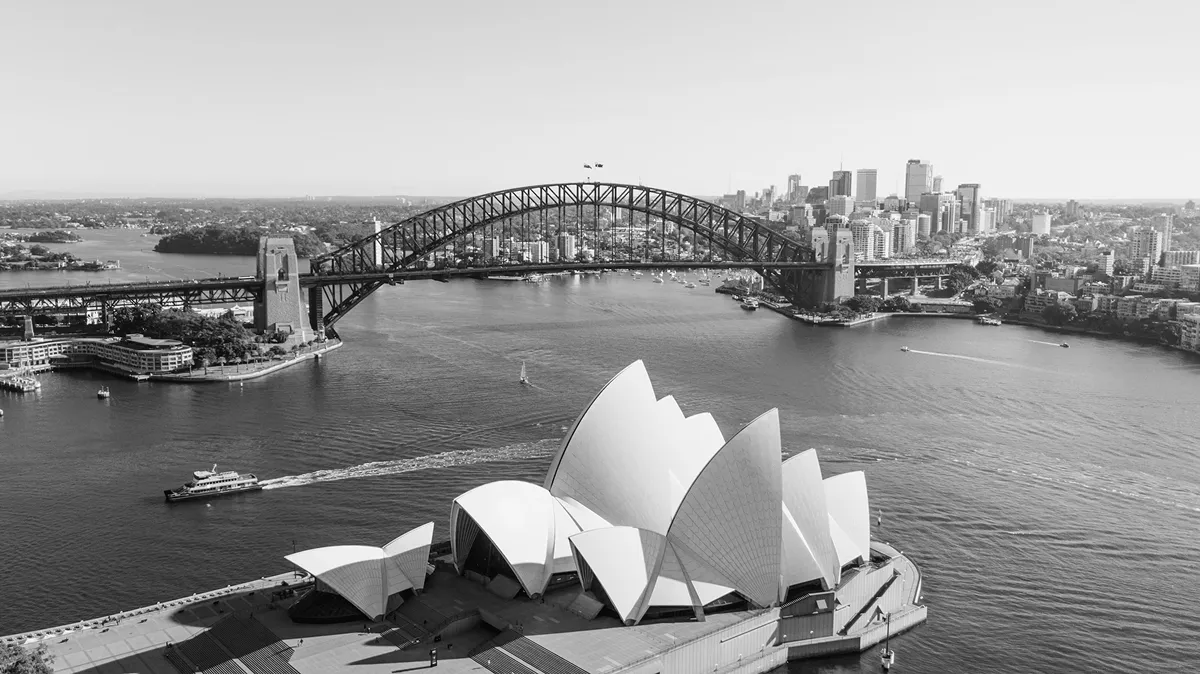
You know, that's, I guess, something that is, you know, you can't replace that. That's the money shot. If you've got a property that's located on Sydney Harbour with the Sydney Harbour Bridge and the Opera House in shot, you know, that's your money shot.
And, you know, international locals alike, that's something that's not necessarily going to be built out. So it's certainly something that they aspire to have when you go out to the balcony that you can see that in shot when entertaining friends and family. Can you entertain? Sorry, I just have to ask.
Can you entertain on the 81st floor? I mean, I've been on the 10th. I lived on a 10th floor once and the wind constantly blows you away. You know, like, is it possible?
Oh, look, the balcony there is unreal. Yeah.
The fact that they've got like a jacuzzi-type pool.
Obviously, I'm not in the business of selling on the researcher, but to be sitting in that pool and enjoying that view and just the architecture design of incorporating balconies so high up is just phenomenal. It's possible. Yeah.
I mean, I think we're not really a fan of sort of off the plan and new property because it's not scarce, right? And the majority of it can be replicated and rebuilt. But in this sort of upper echelon of the plan, it absolutely is scarce, right?
There's only one spot for Barangaroo, you know, one Sydney Harbour. It's only one spot for opera residences.
And if you can, and, you know, we had clients trying to buy in the serious building, you know, earlier this year, and we're talking like four to $7 million for these apartments, but you cannot replace where their location is and the view you get when you wake up in the morning.
And so this off the plan space and the quality of the build goes through the roof, you know, you, the materials they're using a longevity rather than trying to hit the affordability market. And so, yeah, I think absolutely. I mean, you compare, I call it the Manhattan effect, right?
Like if people want to live in Manhattan, they all want to live as high as they can overlooking Central Park, right? And there's only so many buildings that have got unbuilt out views and can never be built out in Central Park.
And so it's a really interesting sort of place where that off the plan space, I feel like you can make so much money there because... you know, you're buying a contract of a very scarce building with a small deposit down.
And I imagine a lot of the wealthy just literally take lots of bets on these buildings, right? They have no desire to sort of live in them. They're just going to sell them when they finish. Do you find that, that a lot of people turn these over?
They just literally sign them up when they first get the off-the-plan availability?
Look, I think it's... If you're talking about other global cities, I think that's certainly an appeal that the flipping concept is very ripe through this prestige product where they know that they're working with a reputable developer.
They know what products they're going to get at the end. They know there's going to be quality. But I guess in Australia, we haven't seen enough of this stock being built for them to afford to offload it.
It's almost like, for now, I think I'm going to hold on to this and enjoy it. And, you know, there's still not that many projects in the pipeline. So, it would be worth my while to hold on to this right now, you know. Gotcha.
There's literally only a handful being built in each of the cities. And when we're talking about super prime, I mean, again, just drawing on that, that the Crown Residences at Wambarangaroo, we're talking about the concept of having a penthouse on every floor of that.
of that building of the the residential component that's quite a different concept than what we're used to here in australia yes certainly we're sort of saying that in other parts around the world but to have a you know we call it right sizing here at night frank where you you literally have a you know an apartment that has house-like proportions uh in the sky so it's
It's very different to just having a, you know, your two bed and two bath and it's a very different concept. You're able to entertain. But I guess the other emerging part that we haven't seen as much of in Australia is the branded residence concept where it's a hotel-led development concept.
Where you can enjoy the facilities of that hotel and you're literally living in a hotel but it's about that lock up and leave and concierge and amenities that are just off the charts.
It means that when borders reopen and people can travel around the world again, having a property where you can just say, okay, tomorrow I'm flying to Paris.
To know that you can come back to that property and someone's, you know, you walk in, you've got fresh flowers on the counter, you've got a fridge that's fully stocked and you know that you're living in a a branded concept that they don't want that brand to be diminished in any way.
So it's almost a no-brainer that going forward that property is always going to be maintained to the highest standard. And because you're within a hotel building, your strata levies actually do come down quite a lot because the hotel component takes up a large part of that. So I think that's something going forward.
We know that there's a lot of hotel groups that are talking about to developers here in Australia about having this, you know, branded residence concept being built not only in Sydney but obviously other cities around the country. So that's something certainly to watch going forward in this space.
It is interesting because, you know, I've had a few clients over the years who have wanted, you know, substantial sized apartments and they're always difficult to find.
I have a great story about one I bought in Bellevue Hill for a client where, you know, in the particular development, it was unique in that three houses had been knocked down to build this instead of just two.
Most sites are just two houses being knocked down to build a small building and so therefore the actual apartments can't possibly have the same scale because they just don't have the footprint. And so that was just one example.
But recently I've been looking for another client who's really quite keen to have that house proportioned apartment. And looking at a number of buildings where somebody has gone and bought two off the plan together and actually joined them together, but it was never designed for that in the first place.
So there's always something not quite right. The proportions of the kitchen might not be right. Yeah. Or there's two disjointed living areas rather than a well-proportioned one larger and one smaller. Or the outdoor space isn't well-designed or integrated well enough. There's something always a bit awkward about it.
So it is interesting that you're talking about this sort of concept of penthouse on every level. And I think that I've had a handful of clients over the years that you can see the demand for that.
For sure. I mean, you know, we released our right-sizing report in 2020. We're actually almost ready to release our 2022 report, so certainly keep a lookout for that.
But we, within that, we actually do a study of how many three-bedroom apartments have been built sort of over the last three years and compared to what's actually in the pipeline. And that's something that's very important because we do know that this group likes a larger apartment. And you're right that...
In some of the more traditional and established apartments, they are looking at buying, you know, more than one apartment and bringing them together.
I guess when we're looking at the, you know, the ultra wealthy population, they do have the money to be able to, you know, I guess, reconfigure to some extent in being in an office, being in an apartment tower. But yeah, you're right.
I know of a client of ours that had a really valuable wine collection. And for them to store that, they almost needed, they had a kitchen and they had a butler's kitchen, but they needed to make sure that they had that wine collection stored correctly.
So they reconfigured and bought two apartments, put them together to make sure that they could look after that collection. But, yeah, no, it's certainly important.
And I know that the more developers we speak to, they are conscious that, you know, we're obviously steering away from the, I guess, mainstream investor market where you're looking at, you know, one- and two-bedroom apartments being built.
They are aware that, you know, this luxury end of town are looking for more space and making sure that it's built to the right proportion. Yeah.
what do you think about this sort of uh compounding impact where uh you know everyone's got a you know they've got an 800 square meter block of land or maybe it's 1200 and then the neighbors got another 1200 and maybe it's 20 million but you know if i join them together i've got two and a half thousand of square meters in you know waterfront right you know a lot of people with the wealthy they want to buy the neighbors and they want to join the pieces of lands together is that quite common that
People are trying to buy their neighbors out and try to build these like ultra wealthy compounds. Do you still see that? Because that creates more scarcity of that top end, right? And similar to what Veronica was talking about, if you can sell apartments at $10 million a pop,
You can afford to knock down a $20 million house and build six $10 million apartments. And so, you know, that's going to create scarcity because, you know, you're losing houses.
So do you just think that this is ultimately just creating less and less houses at that higher end because we're knocking them down to build compounds and apartment blocks?
Yeah, look, there's certainly parts of Sydney that I know that as soon as, you know, there's any sniff of a real estate agent going down the street, the neighbours are onto it because who's looking to, you know, to shift because I might keep my eye on that one, especially if it's next door.
You know, there's certainly examples where we know of... quite large prestige homes where I guess our clients live in. But then next door, they also own that site and that might be where the caretaker lives.
And that's, you know, it's again for, you know, a future opportunity, whether that is to expand the home and make it quite a large compound or
or possibly sell it off in the future. But it also means that it, I guess, creates, when we're talking about standalone homes, it creates an element of privacy and security for those that are living in that main residence. And that, I guess, allows that
The other part of, you know, essentially knocking that over to build luxury apartments, we have seen, you know, elements of that across our cities. But it obviously comes down to planning regulations and obviously people living in that street might not necessarily be too happy with having an apartment.
complex being built within their street. But in saying that, the more and more, there's also a segment of the market where more and more we're talking to clients that are looking at their large residence and realising that it's really hard to upkeep.
And it's not necessarily that they don't have the money, but they just don't have the energy to, you know, to make sure that they've got the pool guy and their six gardeners and they're, you know, they're all on the payroll, but making sure that
to actually enjoy themselves. So they are looking at a product that is essentially in one of those complexes. They want to stay in the same location but also have a property that's easy to maintain, low or no maintenance at all.
And so therefore it's, I guess, that trade-off of being in the location where your family home has been but also being able to live in that same type of location but in a property that suits you.
So they want the full life cycle.
I guess the big risk, you know, all this legacy building as well is that, you know, governments reintroduce land, the death taxes because, you know, over the years, you know, particularly in places like Hunter's Hill and a lot of waterfront homes where back in the day when death taxes were in place and so somebody would have inherited the big, beautiful old home and they've had to carve up the land to basically pay the death taxes and some shocking things
carve-ups that have happened where the big stately manor might have been sitting up on the hill and then they've had to sell off the actual blocks of land closer to the waterfront than these houses built in front of them.
So it would be interesting to see if that's the full circle on this at some point.
Have you got a proper Dumbo for us, Michelle?
Oh, look, I think something, I think you can always learn. I like your concept of having the experience to learn from. But I guess being at Knight Frank, you know, we don't just necessarily plant ourselves in Sydney. We're obviously around the world.
But I think it's really important that if you are entering a new market, that you really do your research before you make the move or make the purchase. I think there's
I guess there could be the situation where your eyes have just been fixated on the market that you've lived in and invested in in the past. But I guess there are opportunities around Australia in this prestige space where your money can go so much further.
And there's obviously different drivers for those markets as well. So where we do have a scarcity issue running straight through Sydney, That's not necessarily the case for every city around the country.
So I guess my advice around that would be just to do your research because we've certainly seen clients that are just familiar with what they know and they just come into a market and couldn't believe they got it so quickly. Yeah. And I only paid this much.
But, well, if you have a look at some of the sales that happened around there, you probably paid a little bit too much.
But at the same time, when we're talking about the prestige end of town, as I mentioned earlier, it's really important to get the property in the right location and the right property for them. So they might feel quite comfortable making that purchase.
But at the same time, when you're a researcher and you're analysing the data and you know some of the sales that have happened around there and you know that they probably could have got a better deal than that.
It kind of just makes me go, ooh, but at the same time, they've then got a property they're probably going to sit on for quite a number of years and will certainly make that money back.
Yeah. It's that local knowledge, right? Not take your Sydney glasses off or your whatever glasses and, you know, trying to apply the Sydney reality to that sort of market. What's scarce there? How agents deal? The price guides? Yeah. For sure. Everything changes, right?
And they just say, well, that's just going to negotiate the same way as I would in that market.
Or, yeah, we can definitely even say that clients are doing that at the moment where they're having to move to, you know, they can't buy in Sydney, for example, and they're moving to a client buyer just up near Byron the other day and another client.
know another buy in central coast and so they're just you know everyone deals in a different way right um and the way they've missed out at auctions in sydney they go in really gung-ho um and i think the agents are like wow where'd this office come from after three days and it's huge um let's just take it and um yeah whether that's the best approach and look it's it's true like and obviously every and i often get asked you know how's the market going in australia
And it's like, okay, pull up a chair. We've got to talk through every market here. But it's true. We've certainly got that fear of missing out and it's happening in a lot of our major capital cities.
But we've also got some cities that don't necessarily like to play with the auction scenario of selling a home. So even if you might have inherited or have had a property sitting for some time in a market and you want to maybe sell it off,
It's about knowing what happens in that market locally to get the best result for you as well. So that's probably the best advice I could give is to do your research.
Michelle, that's been a great chat. Thank you so much for joining us. We'll pop some links in the show notes. I've got one of your reports, which is the 2021 Outlook Report, I should say, Rethinking and Living.
If there's anything else you think we should share with our listeners, then send the links through and we'll make sure, listeners, that these are actually in the show notes for you. Absolutely.
Thank you so much, Michelle. Great episode and super interesting, this prestige space because the laws of demand and supply play out dramatically in interest rates and there's so much going on. So such a good chat. Thank you.
Thank you. Thanks for having me.
If you're looking to buy your dream home or an investment property in Sydney's inner west, eastern suburbs or north shore, my team and I can help you buy without regrets. Reach out via my website, gooddeeds.com.au.
If you're looking to buy your first home, thinking of upgrading into a new one or purchasing an investment property anywhere in Australia, my team would love to carefully guide you on this journey. And most importantly, get the finance right. reach out via our website, wealthful.com.au. Thanks for joining us.
We'd love to see you again.
And remember, don't be a dumbo.
Key takeaways
- Super prime means a sale over $10 million in Sydney and Melbourne or over $7 million elsewhere, and third quarter 2020 volume was the second greatest recorded for any single quarter.
- Australia's ultra-wealthy population, those worth US$30 million or more including their home, grew by more than 11 per cent in 2020 after about 6 per cent the year before.
- Buyers at this end add to portfolios rather than selling to buy, so almost nothing comes back to market and choice keeps narrowing.
- Tightened responsible lending barely touched the segment because it was not relying on borrowing, though some now borrow against property to fund business ventures.
- Roughly 25 per cent of enquiries on each prestige listing during lockdown came from expats, and enquiry moved with the exchange rate.
- US$1 million bought about 50 square metres of internal luxury floor space in Sydney against around 20 square metres in London, New York or Monaco.
What Counts as a Super Prime Sale?
To be counted as super prime, the episode notes, a sale needs to clear $10 million in Sydney and Melbourne, or $7 million elsewhere. Sales volume in the third quarter of 2020 was the second greatest recorded for any single quarter. Michelle Ciesielski, Knight Frank Australia's head of residential research, said the segment had been going absolute gangbusters.
Australia is not the outlier people assume, she said. Each time she sends the quarterly results to Knight Frank's global team she expects to be top of the board, then finds Australia about halfway down it. Veronica Morgan gave a local example: an actor who bought in Bronte three or four years earlier for around $6 million had just sold for about $18 million.
Why Do Prestige Owners Rarely Sell?
Ciesielski's answer started with behaviour rather than price. Buyers at this end are building portfolios, so they are not forced to sell one thing to buy another. The portfolio grows and the property never comes back to market. The buyer pool is growing at the same time: the ultra-wealthy population, which Knight Frank defines as those worth US$30 million or more including their home, grew by more than 11 per cent in Australia across 2020, after about 6 per cent the year before.
Low rates work differently here. When responsible lending was tightened and the mainstream market pulled back, this end was largely unaffected because it was not leaning on borrowing. Cheap money instead offered another use for capital: borrowing against a residential purchase to fund a business venture. Closed borders did the rest. Clients who normally move freely stayed put, had more time to think about how wealth passes to the next generation, and pushed activity out to the semi-rural fringe of the capital cities. Selling stays the rare decision here, and when an owner does make it, the campaign can go to an adviser who works for the seller rather than the agency.
When they are buying and selling, they are not necessarily needing to sell out of something to buy, and therefore the property portfolio expands. What that means is at the very top end of the market, there is already a lower number of properties to choose from.
Michelle Ciesielski, 5:33
How Did Australia's Ultra-Wealthy Make Their Money?
Knight Frank asks its ultra-wealthy clients each year how their wealth was created, and Ciesielski ran through the Australian responses. Of the 29 per cent who had increased their philanthropic activity, almost 80 per cent named healthcare and disease prevention, 71 per cent conservation and the environment, and 44 per cent education.
| Response | Share Who Said So |
|---|---|
| Wealth created through their own business | 43% |
| Wealth created through investment portfolios | 30% |
| Wealth created on a salary | 13% |
| Worried about the pandemic's impact in 2021 | 89% |
| Saw the pandemic as an opportunity for wealth creation | 89% |
| Increased their philanthropic activity over the past year | 29% |
Wealth report attitude survey figures as cited from 15:00 to 17:47. Figures as stated on air.
The attitude answers interested Morgan more than the money. The same 89 per cent who were worried about the pandemic's impact in 2021 also saw it as an opportunity for wealth creation, and two thirds said the same of technology disruption. Ciesielski said the Australian assumption of inherited wealth is shifting, with younger clients arriving from tech, media, sport and acting who did not start with money and flaunt it less.
Do Expats Buy When the Dollar Falls?
Currency runs two ways: international buyers looking at a holiday base, and Australian expats offshore who watch the rate because they know they will come home. When Australia locked down, roughly 25 per cent of enquiries on each prestige listing were expats. Around March, April and May the rate was favourable and enquiry was off the charts, before swinging back later in the year.
Scale is the other pull. Australia's prime market is small globally, but that cuts in its favour on price: US$1 million buys far more luxury floor space here. On growth, Australia's 11 per cent made it the eighth fastest in the world for 2020, with Chinese mainland up around 16 per cent and Romania and Poland near the top off lower bases. Ciesielski said capital gains tax changes were watched closely and portfolios adjusted, but with so little to choose from, location outranked tax.
| City | Internal Luxury Floor Space |
|---|---|
| Sydney | About 50 sq m |
| London | Around 20 sq m |
| New York | Around 20 sq m |
| Monaco | Around 20 sq m |
Rough comparison as given at 20:53, where London, New York and Monaco were cited together at around 20 square metres. Figures as stated on air.
It is certainly buying at the right price, don't get me wrong, but it is making sure that it is the right property for them and the right location.
Michelle Ciesielski, 27:07
What New Luxury Apartments Are Being Built?
Knight Frank sells established homes and new product, so Ciesielski watches the pipeline too. Sites are the constraint: around Sydney Harbour a luxury project usually means knocking over a house or reusing a building, and the trend has moved to boutique schemes rather than towers, while Melbourne's planning allows more height. Counting what is under construction or being marketed, the three-year pipeline thins quickly, so the shortage repeats in off-the-plan product.
The product is changing too. At Crown Residences at Barangaroo, which Knight Frank sold, the concept was a penthouse on every residential floor, the top one on the 81st. Knight Frank calls it right-sizing: an apartment with house-like proportions in the sky. Buyers who cannot find that still combine two apartments, one client to store a wine collection properly, though Morgan noted the joins rarely work. Branded residences, a hotel-led model with concierge and amenities, are being discussed with Australian developers, and strata levies fall because the hotel carries much of the building.
It is really important that if you are entering a new market, you really do your research before you make the move or make the purchase.
Michelle Ciesielski, 56:08
Buying Where Stock Barely Turns Over?
This episode is a study in scarcity, and the same question sits under any purchase held for the long term. If an investment property loan is part of how a purchase gets funded, the numbers are worth mapping out before the search starts.
Investment Property Mortgage BrokerSources referenced: The Elephant in the Room, episode 202, "What's Driving Price Growth in the Prestige Market?", released 14 November 2021. Host: Chris Bates (Alcove). Co-host: Veronica Morgan. Guest: Michelle Ciesielski, Partner and Head of Residential Research, Knight Frank Australia. Figures are quoted as stated on air and have not been re-checked against current data.
Press play on these