Matt SharpLook, I think that that's one of the attractive things for the Central Coast, right, is the fact that there is such a variety of lifestyle that's offered here. Our market's very attractive from an affordability perspective and also from a lifestyle perspective as well, right?
They're kind of like the two main drivers as to why people would want to move here. Our motto is buy without regrets and so...
Chris BatesIf you can buy a property that will serve you for 10 years as opposed to three years, that will serve you well. That's something... Buying a great property today, that's not just what it's about.
It's also getting something that could be ripe for improvement when the time is right for that investor or for the next buyer. You think about, right, lifestyle, what's important to you? How do you get to work? What do you need for your family? What amenities like parks and shops?
Welcome to Street Secrets. I'm Chris Bates and my mortgage broadcast is 2013.
And in this podcast, we're going to be interviewing Australia's leading buyer's agents, ones with decades of experience, have the local insider knowledge on the street, and can really help you with your buying process, no matter whether you're a first home buyer, upgrade or investor.
In this podcast, you'll get access to Australia's leading buyer's agents' minds every week on a Thursday. What's the word on the street?
Welcome to Street Secrets. I'm Chris Bates. I'm in the studio today with Matt Sharp. How's things? How's life? Hey, Chris. Life's great.
Matt SharpBusy, two young kids, running a business and trying to get some leisure time in there as well, mate, but appreciate you having me on.
Chris BatesMate, a double dad life. And the same for me, a three and a five year old, and you would change it for nothing, but it's definitely a busy time of our lives. I mean, it's gonna be an interesting episode today. A bit different. We've done a, obviously a lot of our capital cities.
This is our first play into, you know, what I call a sister or a brother to a capital city and more of a regional dynamic to it and We're going to do a lot of deep dive really into the central coast market. And that's sort of your area specialty.
I mean, we've known each other for some time now. We've worked on a number of clients, but you give us a bit of an understanding of your sort of background coming into a buyer's agency. You know, your understanding of your business today.
Matt SharpOf course, mate. And like I said, thanks so much for having me on. So take you back pre-buyer's agent life. I worked at Telstra. I started there as a trainee or did my traineeship there, worked as a telecommunications technician and then worked my way up to project manager.
I was responsible for maintaining and upgrading the mobile network across New South Wales and ACT. When I was working at Telstra, I was heavily fascinated with property. And I think my fascination with property started well before I was working at Telstra, more for sort of personal reasons.
We'd bought property here and then started investing locally and then interstate as well. And I was very familiar with what a buyer's agent did. However, there was no one else doing it here at the time.
The space was very much in its infancy when I was sort of exploring the option of kicking the business off. And yeah, I think it was around early 2019, well, I decided to resign from my role at Telstra and then kick the business off.
I was in Europe on my honeymoon with my wife and basically just said to her, I think when I get home, I want to resign from Telstra and kick the business off. It's like, oh yeah, we just got married and we're thinking about starting a family. Is that a good idea?
But I haven't looked back since. So yeah, it's been a hell of a journey.
Chris BatesI mean, when these regional markets, they aren't typically being buyer's agent markets. And even before you started the business, I remember looking up there for buyer's agents and those very slim pickings, if any at all.
It makes it challenging when you're a buyer's agent because you've sort of got to educate agents on what they even do because they're just not used to seeing one. I mean, how's that sort of gone over the last sort of... four, five, six years?
And then how's the business sort of done in terms of the number of transactions you've done and some of the learnings you've got over the years?
Matt SharpI mean, we're home for some of the biggest selling agents in the country, like Matt Steinway, Kathy Baker, just to name a couple. And they never dealt with anyone locally that was a buyer's agent and rarely had even dealt with anyone from Sydney.
I'm very fortunate to have good relationships with them and that's built on trust and obviously mutual respect and expertise. Now, And they've actually helped me along the journey as well in their own ways, which I'm super grateful for.
But early on, it was all about educating not just selling agents, but also people within our marketplace with regards to the value proposition that we can provide. We were very fortunate though, Chris, I've got to say, like in terms of timing, COVID impacted everyone.
But that was certainly a period that put a bit of a spotlight.
on us and our service because people were you know they were restricted to staying in their postcodes or staying in their local area therefore they weren't able to inspect properties or transact on properties in person we were sort of a solution there for a lot of people during that stage so we were the one of the lucky ones that sort of benefit from that period and
I guess the business has just grown year on year with that sort of being a bit of an accelerated period.
And then, you know, on the back of sort of that COVID shift, the flexible working conditions, work from home, the affordability of the Central Coast, the lifestyle that it offers now that people are a little bit more in tune with that and obviously their own sort of personal health
well-being and whatnot, the Central Coast markets really flourished and naturally the awareness of our growing industry has then sort of put even a greater spotlight on our business, which has been a positive as well.
So year on year it's grown, but certainly early on it was all about just making that awareness or providing that awareness for people out there with regards to what we could offer.
Chris BatesYeah, I mean, when you started 2019 pre-COVID, right, people were very much stuck to the capital cities. And you had obviously the massive change in the abilities of remote work in COVID-21. And Central Coast is probably one of the hottest markets in the country.
And that's obviously still continuing just due to the affordability benefit of not being able to afford in Sydney and then also looking for a lifestyle alternative. How's that sort of evolved over the last few years, though, as you know, remote work and hybrid works come back.
And, you know, how are you finding that the owner-occupied demand shifted?
Matt SharpI think our market's very attractive from an affordability perspective and also from a lifestyle perspective as well, right? They're kind of like the two main drivers as to why people would want to move here, especially coming from out of area. And
Typically, a lot of the people that are looking to buy here are young families around sort of our age. They've outgrown their apartment in Bondi or in the Northern Beaches and they need more space. And unfortunately, they just can't afford that family home in and around sort of those Sydney areas.
So the alternative is to look to the Central Coast. And then there's sort of like a bit of a gap and then there's a lot of sort of downsizes as well.
So same sort of scenario, maybe they're empty nesters in a Sydney suburb and they're sitting on a lot of wealth within their principal place of residence and they're looking at sort of downsizing, releasing some sort of capital from that sale and buying something a little bit more suitable here on the coast and then possibly pocketing some money along the way.
But there's always that constant influx of people coming from out of area, in particularly Sydney,
and then in addition to that you know it's a very attractive investment market as well for those reasons that i just mentioned strong population growth affordable houses in terms of relative to sydney pretty healthy rental yields as well when you compare it to smaller areas across the coast and
Now that there is that sort of hybrid working conditions, that's more attractive for people that need to commute back to Sydney. But equal to that, we've got a very strong economy here on the Central Coast, supported by a variety of different industry sectors, from professionals, trades, the list sort of goes on there.
We just probably need a little bit better infrastructure, in particular, the train line heading down to Sydney. I think that would certainly help.
Chris BatesYeah, I mean, a lot of people think that may happen one day, right? A much better train line and it's obviously on the cards.
I mean, whether it happens in the next few years, who knows, but it makes sense that at some point a much better connectivity to Sydney really opens up that, you know, even living in Central Coast even further, right? But you mentioned there around the downsizer sort of demand.
I think that's often forgotten, right? They don't want to move too far away from the kids, but they don't need to go to the city anymore. And it's a great place to live. I mean, What are some of the challenges of the Central Coast building more properties?
I mean, it's one of those areas where it's very landlocked, right? You've got waterways and rivers and et cetera. So how does that also play into the fundamentals of being a good property market?
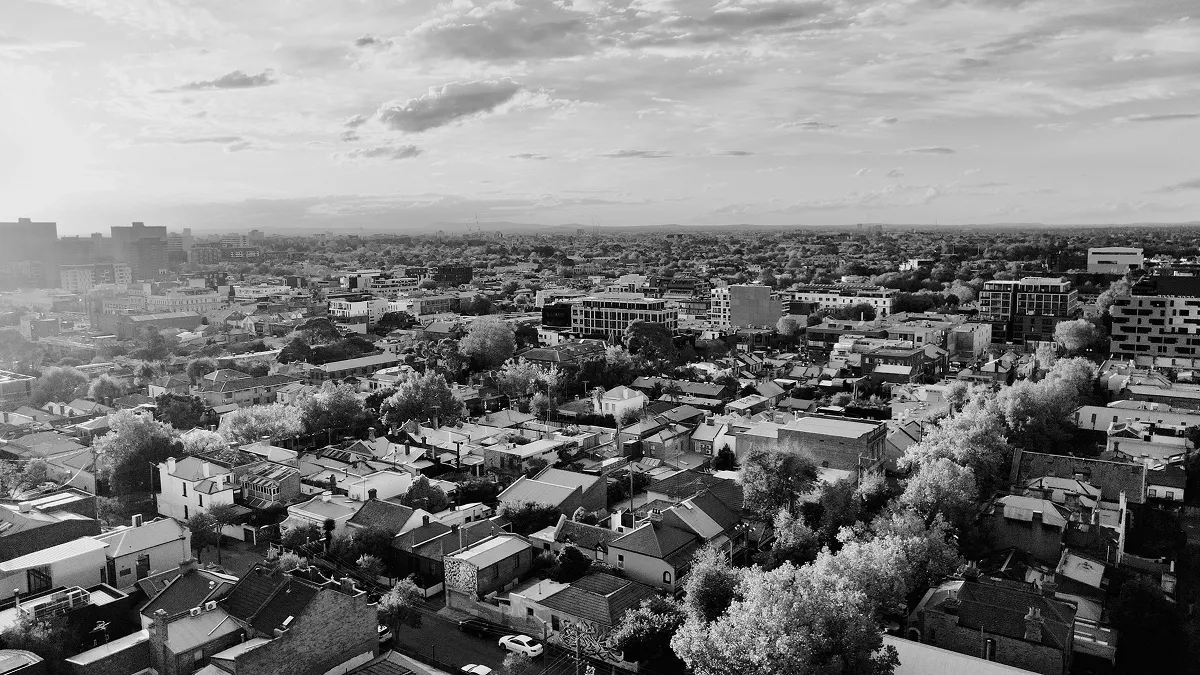
Matt SharpYeah. That's one of the reasons why we really like it from the investment perspective, right? Because there's scarcity to the amount of land that we have here. Obviously, we're right on the beach, but you mentioned the waterways.
So we've got Tuggerah Lakes and Brisbane Waters, which are huge, and Lake Macquarie, which are huge bodies of waters here. Not only that, surrounded by a bunch of national parks as well. So recreating new properties here or subdividing and cutting up land is quite difficult. There's not a lot of green fields around.
Not only that, our friends at the Central Coast Council are very, very slow at approvals, which creates even more of, I guess, some more scarcity around those new dwellings.
Look, I think that that's one of the attractive things for the Central Coast, right, is the fact that there is such a variety of lifestyle that's offered here, whether you like visiting the beach or like being...
on the lake or like being in nature near a national park, all of that right within one suburb in some cases, which is very, very unique, but certainly creates an attractive place to live.
And I think with the lack of land available, that's certainly an indicator or an element is to say, okay, well, scarcity property's probably going to continue to go up here as well.
Chris BatesYeah, I mean, what is obviously good in terms of being landlocked and a great lifestyle, right? What are some of the challenges for commuting and getting around where having a big lake in the middle of the location doesn't help?
And it makes some pockets a little bit of a dark zone and danger zones to sort of buy in because a lot of buyers just don't want to be in that pocket because it's just really hard to get in and out of.
Matt Sharpyeah mate really good point i would suggest for anyone if you're looking to buy up here certainly if you're looking to move and you're in you need to commute back to some of those major infrastructure hubs like you know your train stations or freeways and whatnot is definitely do the drive or visit particular access roads at different times throughout the day and also the week because there are a couple of roads for example the central coast highway between foresters beach and womberall there's also davistown road as well that
you know, during sort of school hours or those commutable times is absolutely gridlocked. I mean, it depends on your experience coming from Sydney. It may not feel like gridlock, but certainly here on the central coast, it's very, very slow.
Typically where there are roads sort of one way in, one way out at those sort of commuting times or school zone times, It can be gridlocked or lots of traffic. So that's something to think about.
Whenever we're kind of looking for purchases up here, whether that be owner-occupier investment, we're always looking for versatility within a suburb. What schools do you have access to? Is a suburb easy to commute in and out of, like I just mentioned?
What access do you have to amenities and lifestyle drivers within that particular suburb as well? And then you can kind of move through some of the hazards, like is it in a flood zone, flood-prone area, for example, bushfire? And look, the Central Coast as well, very diverse in terms of the demographic.
And there are some pockets within certain suburbs that have government housing clusters as well. So these are things that you want to keep an eye on if you are looking to sort of buy or invest into this area as well. Because as I mentioned, it's very, very diverse.
Chris BatesObviously, when families are moving up from, you know, Sydney, not so much the downsides as they've got kids and they've got kids that got to go to child cares. I know that's been a bit of a challenge up there over the last few years.
But how's the sort of schooling makeup and how has sort of over the gentrification over the last few years, yeah, changed?
Matt SharpYeah, mate, it's super interesting. So daycare is a problem up here, right? So I'm not sure what it's like for you. But basically, like I've got a five and three-year-old as well. So we're in the same place. stage of life there, mate. We can talk about our battle scars after this.
But daycare is a problem and that's a reflection of the demographic here. Like I mentioned, lots of young families, really fast growing population.
So if you are looking to relocate to an area, I would suggest put your kids on the daycare waitlist or at least start to field some spots there for your family.
And with regards to the schooling, once they move into primary school and then high school, the private schools are becoming far more popular now. I mean, when I grew up here, it seemed pretty standard that you would just go to a public school. However, that seems to have shifted now.
I'm not sure if that's a reflection of us as parents and as a society, or if that's a reflection of the education system. I don't know. I'm not an expert in that field. However,
Central Coast Grammar, as an example, and Central Coast Adventist School, which are our two most popular private schools, very challenging to get in. And there are currently waiting lists for the majority of ages there. That is something that you want to check out.
But I've got to say, for the most part, I feel like the public school system here is fine. And there are too many major concerns, but do some of your own sort of research and due diligence around that.
Chris BatesYeah, if I go back to the COVID times, it was, I want to be in Avoca. If I can't be in Avoca, I don't want to move to the central coast, right?
There's certain posts, you know, areas that people knew because they went there on holidays and they loved it, you know, Copa, you know what I mean? So there's certain areas that buyers just naturally loved because they've spent some time there. And then there'll be all these other areas they just wouldn't consider, right?
If they're making a compromise moving there, they just... have to be in that pocket. But I think times have changed a bit over the last few years and buyers are willing to make more compromise and explore other parts of the Central Coast.
How have you found that over the last few years in terms of the briefs you're taking on and the suburbs that people are willing to consider?
Matt SharpIt's funny that you mentioned that. So from an investment perspective, for the most part, I would almost encourage our clients not to consider some of those suburbs that you mentioned. Avoca is an amazing place to visit. It's very family-friendly. The primary school there is fantastic. But in terms of like...
value it doesn't really offer that good of value it's very steep lots of hills steep blocks there's lots of battle axe blocks there as well which aren't overly attractive it's divided by main road as well so unless you're sort of on that eastern side of the main road you've still got to cross the main road to get to the beach so it really depends like if you're an owner occupier you really need to follow your heart and follow your emotional side of your purchase and sometimes that
definitely leads you to your Wombrills, your Terrigals, your Evokas. But if you're looking for an investment property, I'd encourage you to consider some surrounding suburbs and some of those suburbs that are a little bit more well-rounded, as I touched on.
So price is a little bit more affordable or there's a little bit more value there. The type of property that you could get would would typically be better condition than what you otherwise would get in one of those more premium suburbs. So less maintenance and whatnot, for example.
I touched on the hills and whatnot throughout Avoca and the state blocks. If you're looking to buy an investment property, as an example, and even if you're an owner-occupier as well,
We would always look to try and buy a property on the, you know, the flattest land possible because, you know, drainage can become an issue there. Not only that, if you need to replace retaining walls, they can be quite expensive and costly as well and don't often add value to the property.
So some of those surrounding suburbs, like your Greenpoints, your Killarney Vales, your Baddow Bays, also your Kingcumbers, they might be a better option for you, but you still only have five minute drive from some of those really popular and I guess premium suburbs as well.
Chris BatesI mean, you made some really good points there around some of the things that locals don't like, right? Around maybe it's the state blocks. You might like that when you're moving out from Sydney and like the aspect and the extra elevation.
But if the locals don't like it as well and people who have been living there, because you're getting this sort of gentrification over years, you know, the Sydney side have moved up, bought it first and they go, actually, it's not what I want. And then, you know, you're starting to see that shift.
shift where they want the stereotypical sort of, like you said, the flatter blocks, et cetera. And you mentioned there's some points around like crossing main roads to go to the beach. As someone moving up there, you might not have considered.
What are some of the other things where you think often people coming with their sort of rose colored, you know, Sydney glasses sort of forget about when they're buying in a new market like the Central Coast?
Matt SharpI'm going to be careful how I choose my words here. It's pretty obvious when there is a sale that happens within a suburb and it's out of line in terms of the price being high. Usually you can assume that that's someone that's come up from Sydney.
I can't tell you the amount of calls that I've had with people that have... it's reached out to us about engaging our services and haven't been able to pronounce the name of the suburbs correctly.
I always will be quick to correct it and say, make sure you don't say it like that when you're chatting with a sales agent, because they'll just be adjusting the price there. I would encourage anyone just to make sure that you do your due diligence within an area, right?
Like I'm very sensitive to suburbs and obviously we've got great knowledge because I've grew up here. I know the differences between different pockets and I just touched on Avoca, for example.
Like if you're on the western side of the lake there, of Avoca Lake, you may as well just be in King Cumber because you're going to get in the car to drive to the beach anyway, you know, and you can get a far better property for your money if you're a little bit further away.
Wombrill's another suburb. There are actually three different school catchments within one suburb of Wombrill, okay? So people don't realize that. They think, oh, great, I'm in Wombrill. I'm at Wombrill Public School. Well, no, you could actually be at Terrigal or Erin Heights. depending on where your house sits.
So it's critical that you look at that. There are some other pockets as well in Terrigal where, you know, you're not actually within walking distance to the beach as an example. And even within Terrigal, you kind of got three different sections to the suburb as well.
You've got, you're within the bowl, you're in the new estate, and then you're sort of in the more established area.
Mate, it just comes down to really just doing your research and understanding the nuances of each property and each suburb, and then accurately aligning the value to that particular property, given the most appropriate comparable sales within the area.
Chris BatesIt's got very much similarities to where I live, which it probably should because it's just on the other side of the water.
I mean, up on the northern beaches of Sydney and the hills and the elevation and, you know, having to get in the car and not being able to walk and access to amenities different in different pockets.
And so it's not sort of your stereotypical, you know, middle ring suburb that a lot of people are used to. There's a lot of challenges, you know, potentially with lights and trees and nature. And these are the things you don't really know because you're often in these markets, you
commuting up there to sort of look at an open home and you can very easily buy a bit of a dud and even building issues I've noticed are probably higher up there than other parts of like Australia and maybe highlight some of those.
Matt SharpYeah. So, mate, firstly, lots of similarities between the Central Coast and the Northern Beaches. I reckon probably 50% of the clients that we help that are coming out of Sydney come from the beaches and it's just that natural progression, very similar lifestyle, very similar demographic. You touched on building a approvals.
Now, this is something that we've thought about a lot. But look, the Central Coast is made up of a lot of tradies, right? And I touched on earlier on how challenging the Central Coast Council can be.
So in most cases, you know, the tradies attitude is, I'm not going to worry about the council.
I'm going to do the improvements myself and I'll get a few mates around and I can put on a barbecue or whatever and we can convert this garage to a third bedroom or a fourth bedroom quite easily and we're done there.
But I think it's about connecting yourself or ensuring that you have the right people to help you through the process. So of course, you know, it goes without saying, you've never purchased a property without a building and pest inspection.
You need to make sure that you've got a very experienced and reputable building and pest inspector, which of course we would always do that. You know, if you need to lean on local trades or builders to go and assess the property as well, I'd encourage you to do that.
But it's all about just managing and understanding the risks associated with it, right? If you have an unapproved second story deck, that's something that is a major red flag.
If there's maybe garage conversion and the risk is minimal and it's easy enough to pull down a stud wall and there's no real change to the roof line or whatnot, maybe you could tolerate that risk.
But it comes down to your own risk appetite and making sure that your insurance and whatnot's not impacted as well.
Chris BatesWhat are some of the things that really the people who have been in the Central Coast for a long time just really go nuts for? Is it style of home? Is it literally walking to the beach?
When you see a property that just goes off like a frog in the sock, what are some of the key things that the locals really love?
Matt SharpAll right. So I reckon there's two things. The first one is view. So if you can grab a property with an aspect, goes without saying, that's going to be really, really popular. The other one is flat, usable land. Okay.
So think about the young family, swing set in the backyard, pool, these types of things. And close to amenity, like those lifestyle drivers. When I say amenity, I mean like cafes, restaurants, these types of things, because The Central Coast is all about spending your time outdoors.
So the closer you can be to those cafe precincts, those little takeaway spots, the beach, the water, typically the better off you're going to be. And if it's a flat level walk to those amenities, it's going to be even more popular.
Chris BatesYeah, it's the walk into those, you know, it might be 400 meters, but if it's a pretty steep walk, you're rarely going to actually do it, particularly at that sort of family stage. How does the public transport play into it?
I mean, we have talked about a little bit at the start around the challenges with the roads and getting in and out, but how does the people who do want to commute, the train stations really work? Because not all train stations are equal, right?
Matt SharpNow, so you've got express trains that go from Tuggerah, Gosford and Woiwoi, and they're minimal stops in the commuting times. And the train system, it is what it is. I mean, I actually don't mind it. I'm only in Sydney sort of every few weeks, but I'm not commuting every day.
So people may have a different perspective on that. But Outside of the train lines, public transport here on the Central Coast isn't overly important. You don't necessarily need to be close to a bus stop or whatnot because everyone owns cars.
As the saying goes, you're only 10 minutes to anywhere and everywhere here on the coast, whether it be a shopping center, a kid's school, sporting fields and whatnot. So I wouldn't pay too much attention to the bus routes, but certainly having that accessibility to the train line is absolutely a bonus.
Chris BatesAnd where's the alter, you know, the higher wealth within the Central Coast?
I mean, a lot of people would naturally just think it's all the beach frontiers, but there's a lot of money in the sort of the acreage market up there and a lot of wealth that comes out of Sydney for second homes that plays a bit of a part in that Central Coast market.
Matt SharpYeah. Look, there's a lot of wealth around Pearl Beach, Pretty Beach as well, in and around Hardee's Bay. It's quite exclusive. And then, of course, Euterrigal's, Wombrel's, North of Oakers as well is really popular.
But something that's really rare when you look at the, I guess, the East Coast property market from southern ends of Sydney up to even Newcastle is that acreage market and its proximity to the beach, right? So here on the coast,
We've got acreages in Avoca, Terrigal, Hincumber, Matcham and Holgate, just to name more of the prestigious. Then you've got Tumbiumbi as well. But you could quite literally be on two and a half acres, sometimes even larger, and be within a seven-minute drive to the beach.
And also a five-minute drive to a major shopping center, to one of the best prestigious schools around Central Coast, Grandma. That is very, very unique. And with clients that we help coming up from Sydney, that's a really attractive proposition because they want some privacy and they want some space.
But at the same time, you've got all of those lifestyle drivers and amenities literally at your doorstep. You're not out in Durrell or somewhere out at Kenthurst where you've got to travel a long way to get to some of those other sort of lifestyle attractions or any of those sort of major amenities.
Chris BatesYeah, I think the acreage market, we've got a number of clients who have got an area in the heights and the match rooms and the whole gates, et cetera. And it's ridiculously scarce when you think you can get to a capital city, get to the beach and then still get multiple acres.
And the Central Coast has got that. It's got a lot of properties that tick a lot of boxes for a lot of people. But over the last few years, what's some of the challenges that has the market faced and with just sort of these shifts? You mentioned childcare before.
Is there any some other major challenges that you've seen up there?
Matt SharpI think the Central Coast is really sensitive to the, I guess, the first time I buy a market and affordability. We've seen some of the more affordable suburbs like your Long Jetties, your Batter Bays, King Cumbas, just perform really, really strongly over the last sort of 12 months.
However, throughout 2023, when interest rates were increasing, and you might be able to correct me on that actually, Chris. Hopefully I'm accurate there. It's about 2023.
When interest rates were increasing, sentiment was reducing and obviously that uneducated portion of the market being those first home buyers type thing, they're a little bit spooked and the market was a little bit slow around that time.
So we are sensitive to that sort of consumer confidence and also the media, they write that narrative as well. That's certainly one challenge, you know, and if there is another supply, if there's a lot of properties available, they'll just sit there for a period of time.
But the other challenge, mate, to be honest, has been trying to buy good properties. If you're out there trying to do that, I think you've just got to stay on it.
You've got to stay connected with your agents in order to get that sort of early access or try and get a look at some off-market stuff as well, just so that you can stay a little bit more ahead of the game.
But we're very similar to other areas where those good properties, when they pop up, there's lots of demand. I mean, there was a property in Baddow Bay just last week, 67 groups went through that property. guiding 900,000 sold for just over a million dollars.
So that gives you an idea of, I guess, the demand and the challenges that we face as well. We're not immune to that competition. We just need to navigate it like everyone else.
Chris BatesYeah, I mean, it's the agile problem, but I think even when you've got scarcity there because just the size of the space isn't that much really on the central coast and then you've got all the pockets that people want to be in and then people stay in there for a long time.
I do find that clients can be looking for a long time up there and they've got to act fast when good assets do come on. I mean, your relationship with the agents, how is that really benefiting you?
I mean, you speak very fondly about Cathy and Matt and how is that really helping you as a buyer's agent do a better job?
Matt SharpYeah. Well, look, I think it's critical. If you don't have strong agent relationships, you really don't have an edge, in my opinion. But I think it's just about building trust over the years. We've done hundreds of transactions here on the Central Coast. I feel like we've got a very reputable and trustworthy name.
We've got a very strategic approach to when we're buying property. if that makes sense. We're well-versed in the investment space as well. I think we're very practical with our approach and that's always very well-received. We're also very honest as well with the agents.
We've had a bunch of agents engage our services to give them investment advice as well, which is good. So I guess that gives us some confidence to know that our reputation out there is quite good.
Chris BatesIt's one of the challenges, but you're doing it six or seven years now and you're probably one of the least experienced, I would say, in terms of a lot of the buyers that will come on this podcast. What are some of the things you've leveraged to sort of speed up that experience?
Have you had some sort of mentors in the industry and how have you sort of stayed across it?
Matt SharpYeah, yeah. And look, I think it's critical. I mean, we're fortunate in the buyer's agent space where I feel like we're pretty open to sharing our experiences.
I was literally just chatting to a, it's weird to call him a mentor, but a really good friend of mine runs a buyer's agency on the Northern Beaches. They've been operating for around 10 years and I'll often bounce ideas off him and he'll sort of guide me along.
Also, I have another close friend out in the Hills District as well, In addition to that, I'm a member of PIPA, the Property Investment Professionals of Australia. So always trying to learn off people that are more experienced and as well as that member of REBA as well.
So people like Kate Bakos and Veronica Morgan, others that have been around for a lot longer. I'm always open to learning from their experiences and thankfully everyone's very open to share and I am as well. We were the first buyer's agents here to start on the coast.
I think there's probably around four or so that operate locally here now. I chat with them often. A lot of them I actually helped get started. They reached out to me first and said, hey, we're thinking about doing this. Can you help me? What should I do? What shouldn't I do?
There is a little bit of responsibility that comes with experience. And especially when you're first to an area, typically people will connect the buyer's agency service to us or me, whether that's a good thing or a bad thing, I'm not sure.
But now that I'm sort of moving into that sort of six, seven to 10 year experience in the years coming up, I want to be an advocate for good advice. I want to be an advocate for our industry.
I want people to look at a buyer's agent and say, okay, they're actually going to help me. I don't want it to go the other way. I don't want them to think, Oh, buyer's agents, you know, they're inexperienced. They're just a quick cash grab. They don't know what they're talking about. They're transactional.
That's absolutely the last thing we want. We want our service and our industry to thrive, which is one of the reasons that I'm affiliated with industries such as PIPA and REBA as well.
Chris BatesYeah, I mean, absolutely love that answer. I mean, you obviously mentioned there around, there's a few people operating up on the Central Coast, but it is a bit of a, I would say more the immature market in terms of agents working with buyers agents.
It's not like it was when you started, but you've been on that journey. Have you started to see a little bit of an influx of what you call borderless buyers agents? Because Central Coast, when you look at the metrics and the fundamentals is a good market if you can get a good asset.
to invest in and it's still affordable for a lot of investors. I think that's one of the biggest growth drivers also that'll push it up over the coming years is that desirability for investors.
Has that become an issue from what you've seen, these buyers agents that are basically just picking Central Coast as their next hotspot and haven't got that long-term knowledge?
Matt SharpIt is something that does come up and in particular pre-COVID. I mean, there was a lot of investment activity here.
The more concerning thing I would say is the number of buyer's agents that are based in Sydney that will say that they're an expert here on the Central Coast and they'll kind of like guide the client around up here.
And it's probably even a more concern when it's an owner-off purchase as well, because you just don't have that deep knowledge of what it's like to live in a suburb and whatnot. I'm not saying that the investment is okay, but it's probably less sensitive to a positive outcome, I suppose.
But to answer your question, not a huge problem, but if you're a consumer and you're doing your due diligence around who's the most suitable person to help you buy a property in a particular area, like you need to have some responsibility to ensure that you're engaging the right person there.
And whether that means it's someone that's local on the ground or that's someone that's very well experienced within that market, it's up to you to sort of determine that. And you need to engage the right person.
Chris BatesIt's a big reason why as a business, we work with lots of different buyers agents, never one company and in all different pockets across cities because we're massive believers in local speciality.
And I do think that's an issue we've seen with clients that have engaged buyers agents and all of a sudden they've got multiple briefs in multiple locations. And really the buyers agent potentially should have said, look, it's not really in my pocket. I just don't... have the knowledge there.
I mean, I can apply the fundamentals from the inner west, but inner west isn't the central coast and even the northern beaches isn't the central coast. And you do need to build that knowledge and buying one property out there every couple of years isn't really enough, I believe.
So yeah, I think you've highlighted a good point. Matt, obviously I'll put your link in the show notes. You've got an easy name to remember, sharp property buyers. Yeah. Thanks for working with our clients over the years and wish you all the success and thanks for coming on today.
Matt SharpThanks so much, Chris. It's been great chatting, mate. And good luck with those early stages of dad life, mate. Oh, thanks, mate. Cheers.
Chris BatesThanks so much for listening today. We hope you got lots of value out of it. If you'd like to speak to our guests today, there's links in the show notes on how you can get in contact.
And if you're buying your first home, upgrading, renovating, or need any finance-related queries, obviously, we'd love to help. There's links in the show notes to us as a mortgage broker. And we look forward to next week's episode.