Curious about upgrading?

Wondering where to start?

Complex questions that need answers?
Is there a better structure for you?






"They managed to navigate my complex expat income and even got my Google RSU income approved as well."
"I highly recommend Alcove to anyone looking for a mortgage broker who is responsive, trustworthy, and truly cares about their clients. Thanks again to the whole team for making the process such a positive experience!"
"As founders, we're constantly jumping between things so having a partner that handled the details & made the process super clear made the buying process breezy for us. Very happy with the experience!"

“It almost felt like it was his responsibility to make it clear to me, not my responsibility to understand it.”
“I've been pretty much fully leveraged the whole time. So the sounding board on that, in terms of what was achievable, what wasn't — I think trust is just built along that.”










"Alcove has been a great partner. They look after my audience properly, keep things simple, and deliver real value. I’ve got full confidence referring clients knowing they’ll get honest, straightforward advice."

"Property is one of the biggest financial decisions people make. Alcove stood out because they take a strategic approach to lending - helping clients structure property and debt decisions in a way that genuinely supports their broader financial plans."

Adapted from audio. This article is a written adaptation of the original podcast episode. Sources and dates are shown with each figure.
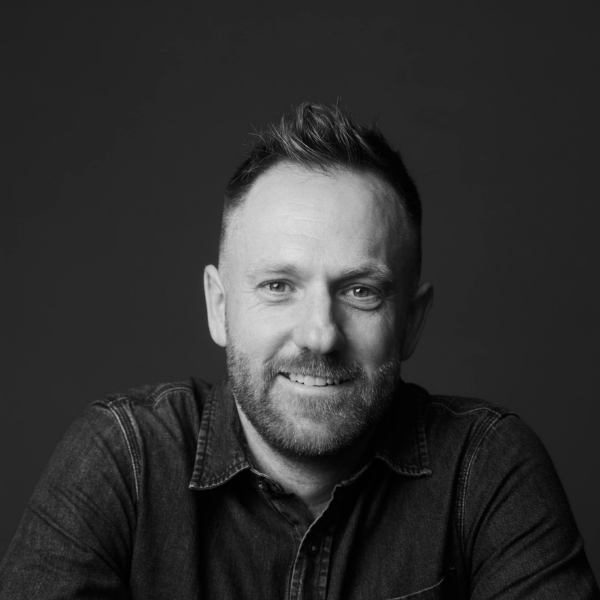

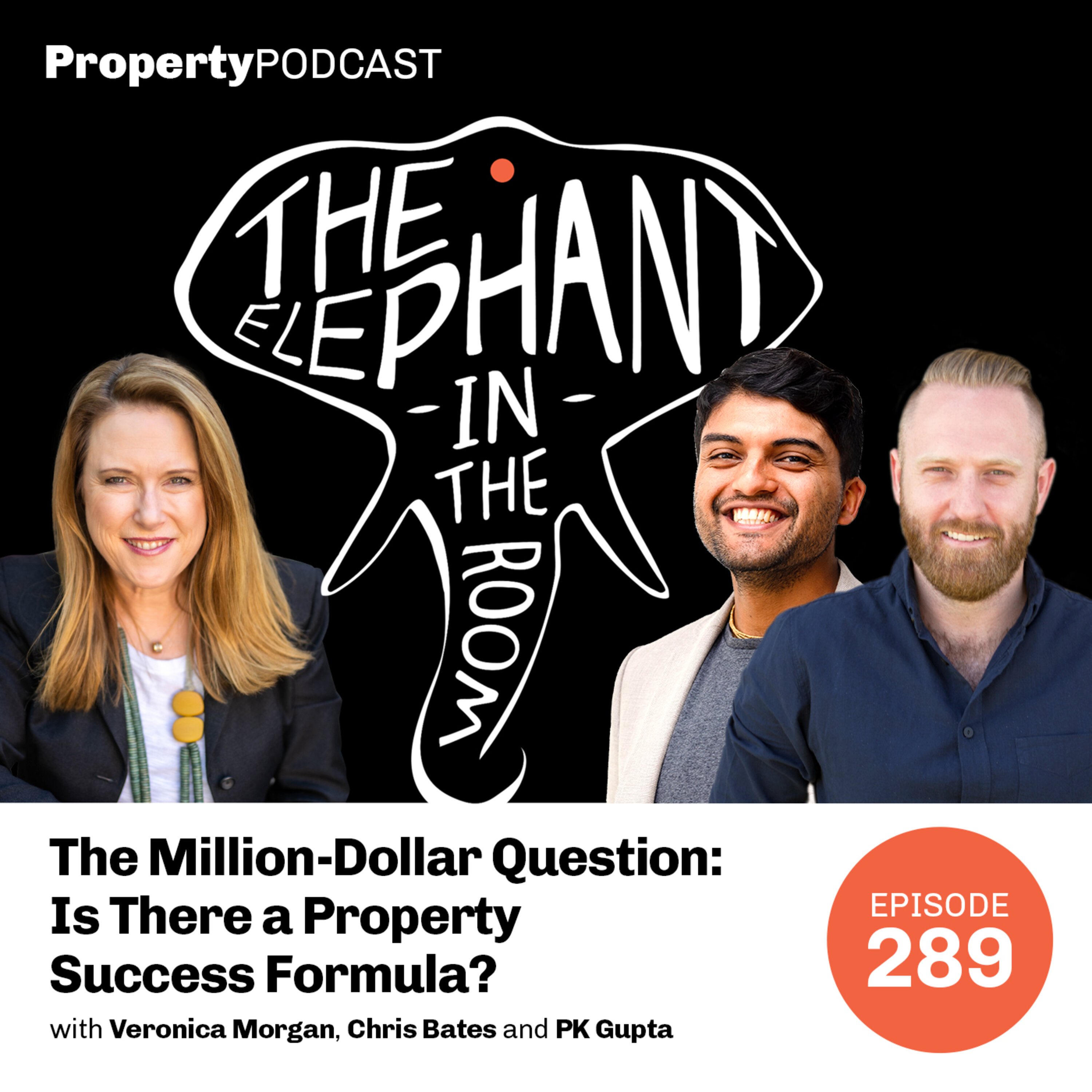
Co-host of The Elephant in the Room. Real estate agent, buyer's agent and buyer's agent mentor, co-host of Foxtel's Location, Location, Location Australia, author of Auction Ready and co-host of Your First Home Buyer Guide.

Matt Knight on What the Sea Change Rush Did to the South Coast
South coast buyers agent Matt Knight walks Chris Bates and Veronica Morgan through what the move out of Sydney did to prices, rentals and farmland between Wollongong and the Victorian border. He also explains why he will not predict what happens next.
COVID has provided the impetus for urbanites across the nation to up stumps and move to the coast or country. And for every success story, you know, those people who have been able to realise their long-held dreams, there will be others who realise it's not for them.
And there is the impact on the towns they're moving to. Is it possible they could lose the very attraction that drew the urban refugees there in the first place?
Welcome to The Elephant in the Room. This is the podcast where we love to talk about the big things in property that never usually get talked about. I'm Veronica Morgan, real estate agent, buyer's agent, co-host of Foxtel's Location Location Location Australia and author of Auction Ready.
And I'm Chris Bates, mortgage broker. Before we get started, I need to let you know that nothing we say on here can be taken as personal advice. We always recommend you engage the services of a professional.
Don't forget that you can access the transcript for this episode on the website as well as download our free full forecast report. Which experts can you trust to get it right?
This week, we're talking to a regional buyers agent who, after making his own sea change 14 years ago, has created a business helping others make the move to the south coast of New South Wales. Matt Knight from Presium covers a huge geography from Wollongong right down to Batemans Bay.
And we're keen to understand how these regional markets have changed over the past 12 months, the impact on prices, how communities affected and whether he believes these changes are sustainable. Thank you so much for joining us today, Matt.
It's a pleasure to be here and thanks for having me. Matt, thanks for coming on. I guess the last couple of years have been interesting to be a buyer's agent in the regions and particularly regions where people are running away from the capital cities too.
Can you please just talk us through pre-COVID, the type of buyers that were sort of heading that way, what really happened last year, but also the real change in maybe 2021, has things shifted potentially in a different direction? Yeah.
Yeah, and that's a good big ranging set of questions, Chris. I'll start with the first section maybe and you can redirect me as needed. But I think pre-COVID what people may or may not realize because recently there's been so much media about this whole thing of leaving the city.
But pre-COVID that really was already an established trend. So, as Veronica said, I grew up in Sydney. I made a choice with my wife and two children to exit the city 14 years ago.
And a number of people I know have done the same thing over the years, even in those younger age brackets. And for people who are in the last 10 years or the closing stage of their career, retiring to the coast is not new. It's been happening for decades.
So that trend to move here from one of the capital cities or to move to any stretch of coast or countryside that's within a couple of hours shooting distance from one of the capital cities, the coast north and south of Sydney, the coast north and south of Brisbane, the coast east and west of Melbourne, they're all very much established areas where people have been heading for a bit of a lifestyle shift for many, many years.
Yeah. Yeah.
So that's not new, but what you're saying is that the age or the demographic is changing.
Yeah, well, look, definitely the folks who were willing to move at a younger age pre-COVID, I think were more aware of how mobile they were.
So there were a few people who were in coding or software who had already established a work from home arrangement with their employers or people who owned businesses and were sort of free-floating digital nomads or entrepreneurs.
They're the kind of people who were already moving unless they were service workers such as teachers, police, nurses, and they've got really portable jobs. So those kinds of people and, of course, trades who can work in any area, pouring concrete, you know, carpenters, plumbers, electricians.
So there was a smaller subset of people who were willing and able to relocate
with young families but i guess the the thing that happened with covert is that the average corporate worker all of a sudden discovered a freedom from i guess being tethered to a cbd in the same the way that they had been and so that a different demographic of people or a different class of worker became geographically more flexible around where they can buy
Was there a lot of anxiety, I guess, say pre-COVID, you know, 2019, you know, a young family that maybe is corporate life in Sydney but wants to escape to somewhere in the south coast, but they just couldn't really make that move. You know, there was a bit of anxiety.
What happens if I need another job? What happens if I lose my job? What happens if I have to do the commute five days or how am I going to manage it with kids in the commute? Were there a lot of those sort of worries stopping people doing it in 2019? Yeah.
And that completely just went off the radar in 2020. And is it coming back in 2021? Have you noticed any shift this year?
I think pre-2019 question is that by volume, yes, there would have been a lot of people who would have liked to have left the city and didn't. But realistically, they probably are not the kind of people who would ever have picked up the phone and called me.
I think they make those decisions before they get to hiring a buyer's agent. But the ones who'd already wrestled through those issues and decided this is worth it anyway are the kinds of ones who would call up.
And they were particularly focused on hugging the train lines and getting an express stop on a train station mixed with a good beach because it offered the combo of the commutability with the lifestyle. So, they were there, but people had to fight a bit harder to find the perfect blend. Yeah.
I think COVID... It did a few things. One is it forced people to realize, hey, I am working from home, like it or not, and I probably will be for a year or two. It's sort of now or never.
Like if I'm not going to try this thing now, when am I going to try it? And so it pushed a whole lot of people into that carpe diem, like let's seize the day and have a crack at something type headspace. So I think that's the psychology that shifted in 2020. Yeah.
I definitely think people have come off any initial panic. People are being much more pragmatic and thinking longer term now. People are realizing that they will be spending time in an office, but they'll also be spending time working from home.
And I think people have accepted that there'll be a blend of that reality for their working life.
And everyone's blend looks a little bit different. So did people go further?
Did they stay close to the train stations, you know, maybe the Thoreaus and north of Wollongong and then maybe down to say Kiama sort of area and then they didn't really want to go further than that, wanted to stay, you know, easy commute and then in 2020 they potentially went a lot further and more inland.
but now they're going back to wanting to be close to the train station. Is that what you're saying?
Yeah, look, I think that's a fair comment and I think the answer is it depends a little bit on how people are trying to predict how often am I going to be in the office versus how much am I going to be working from home.
So literally last night I had a call from a couple who are based in the Northern Beaches and the fellow's in marketing and he said, I've pretty much now confirmed with my agency that I will be only required once a fortnight.
So he's going to spend one day a fortnight in the office and they're letting him work from home for the next year or two the rest of the time. So that gives him a great deal of freedom around what kind of a commute
he selects because that company and him have formed that decision and put it in writing. And he's now able to basically make a choice based on a one day every two weeks in commute. And people are willing to travel a lot further once a fortnight than they are daily.
Have you got any sort of metrics on that? How far?
I've had software coders who work from home who've moved down to Marimbula. That's five and a half hours drive from Sydney.
Yeah, and then someone who's got to go once a fortnight, is there like a pain point? Is three hours too far to go?
Yeah, so if you're thinking about getting there every single week, then I think probably 90 minutes to two hours is about as much as people want to tolerate and it really needs to be only once a week at that level.
I think if it's daily or every second day, then they're still looking for that kind of one hour, 60 to 90 minutes, one to one and a half hours topping out.
So a lot of people say 90 minutes. We're talking maybe from the CBD perspective. really is probably Kiama, isn't it? I mean, you start going into sort of Bury or now we're into Jarvis Bay, it's in the twos, right?
Yeah, you're really, once you're down at JB and further south, you really are in the twos. Yep.
Jarvis Bay for anyone who doesn't know what JB is.
But I mean, there is some road potential changes that are making that commute shorter. And so are people sort of also saying they're willing to go further knowing that in the time these commutes will get better because of road upgrades?
Yeah, they are. It's a factor. I think it's not a big enough factor to be a standalone reason for people to move. But when they're making a pro and con list, it's another pro to add on that side of, yep, we're going to do this.
And for those who don't know, the two road expansions that Chris is talking about is the Albion Park Bypass, which is taking out the worst bottleneck in the southern half of Wollongong. Yeah. And it's terrible. I literally, once a week, I spend 25 minutes sitting in it.
And I know Sydney folk will think 25 minutes, what are you complaining about? But that's to travel about one kilometre along a section of straight road. Yeah. So, that needs fixing. It's being fixed right now. The other one is the Bury to Bomaderry dual carriageway section. Okay.
And that's taking out a very narrow strip of road that was pretty slow and pretty dangerous. And it's turning it into a very, very cruisy section of dual carriageway. And look, I think both of those road improvements will take something like 15 minutes, maybe closer to 20 off the trip south. Yeah.
My view is that if you're going to leave, you want to go for something special, right?
Whether it's land, whether it's a view, whether it's a pretty special building, are you finding that a lot of people are thinking, well, if I'm going to go, I don't want to reduce my purchase price too much. I'm still willing to pay almost Sydney prices, but I want to get something special.
So the top end or the more scarcer assets of that lifestyle shift have gone up a lot, but then the median and the bottom end haven't gone up anywhere near as much? Have you got real life actual case studies where you've seen that?
Look, I think it's happening at all levels of the market. I've had clients who came out of living on a fairly busy road in the guts of Western Sydney, and they're really happy to be able to buy within one or two kilometers of the beach in a fairly working class suburb of Wollongong.
for, you know, $500,000, $600,000, $700,000, and the $500,000 and $600,000 are kind of gone now. That was last year. And so, they're not necessarily chasing a view. They're chasing an affordable equivalent to, say, a Western Sydney property. So, at the bottom, that has happened.
But certainly, the big talking points on the coast have been what's happened at the top of the market. So those beachfronts, the ones with the panoramic water views, the acreage with the panoramic ocean view have gone absolutely kind of crazy in terms of prices.
And there's been some very big numbers paid for some of those ultra premium properties.
With those ultra premium properties, pre-COVID, how many buyers were really in the market for them?
You know, did they sit on the market for some time just looking for the right buyer or were they always, they always had that sort of element of scarcity, which meant there was always going to be a number of, and I would imagine typically a capital city person, although maybe I'm wrong on that too.
Who would be a typical buyer of these properties and how long would they typically take to sell?
The really high-end stuff, and we're talking kind of $5, $6, $7, $8 million on the south coast, which may or may not be high-end depending on what part of Sydney you're from.
It's pretty expensive. We'll go there, and I'm in Sydney. Yeah.
So down here, those are what we call premium numbers, and down here, the people who buy them – typically have some kind of a – they either have an existing real estate empire or they have a business that's gone a bit ballistic.
And the volume that I seem to have noticed in recent years is people who have some kind of an online business interest. That means that they're now – their net worth has gone up towards $10 or $20 million and they can afford to do something like that.
So if you're asking where's the new money coming from, that's where it seems to be.
But beforehand –
Well, beforehand, it was, I guess, more those established, well-financed families, your eastern suburbs, your northern beaches, and people who've got assets.
They were second properties. They weren't primary homes, right? Yeah.
And have you noticed a trend around that? Because the whole work from home sort of scenario means that you don't have to have one home, I guess. You know, in the reality, you could have two homes, right? When I'm in the city, I live in the east or the northern beaches.
But then Friday to Tuesday, I live down the south coast and maybe kids schooling can create issues there. But have you seen a rise in the second home? Not so much a holiday home, but actually just a true second home?
Yeah. And I think once people have their kids past a certain age point, they start to feel very fluid about that.
So, a couple of my clients who have spent those kinds of numbers buying something with a big ocean view on acreage looking over Jerringong, those clients have teenage kids who are finishing off high school. They're certainly not selling the Sydney property or moving their kids out of those schools.
They're saying this is a second home whether you call it a weekend or whether you call it a, hey, there's a lockdown, let's disappear for a month. Yeah. And like it or not, that's happening, right? Of course.
So people are coming down for a month at a time to do work and when there's a series of meetings on, they're going back to the city and they're feeling much more fluid and
Because those particular clients, I guess, are the ones who really have, I've heard them complaining the most about being unable to travel to Europe or travel to the States.
And so, I guess they're taking the budget that would have gone to Aspen or to Switzerland and they're saying, well, that can finance, you know, a property.
Poor pet. I know, it's tough, isn't it?
I mean, conversely of that, as prices rise, especially if you weren't expecting your property to be worth a lot more in the future and you haven't got other assets to lean on as you get closer to retirement because you haven't been able to or whatever it is.
And the communities are shifting, which is what Veronica was mentioning in the intro. But are you noticing some of the locals potentially saying, right, now's the time to go further south, go where we, what we, the real escape from the escape?
Or, you know, are people cashing in because the prices are rising so much? Is there a thinking about doing that?
Yeah. So, there has been a group of people who are moving to the deep south, kind of the Marimbula Tura Beach down towards the border with Victoria and they're citing that it's just too crowded up north in the Shoalhaven and in the Illawarra and the Kiama region.
So, there are some people who are seeking real absolute peace and quiet and pristine empty beaches and they can still find them if they're willing to travel further around the coast. There's a small group of people doing that.
I think there's a group of locals who are cashing in in terms of running businesses and doing very well out of the new clientele that are arriving.
I mean, there's a young fellow about a K from my place who's just graduated high school, finished his study in artisanal sourdough and opened up a cafe and he's absolutely killing it. He's 18. Way to go. People are driving from miles and miles around to buy his bread. It's amazing.
And so there's these people who are starting boutique businesses doing really well because of the demographic shift. There are people who've had enough equity to generate, to buy, say, a beach house and run it as an Airbnb and the Airbnb returns are off the charts right now.
Won't be forever, but they are right now. So there's all kinds of people doing different things.
And to facilitating the work from home, sort of the co-working space. I mean, a lot of co-working companies are talking about the hub and spoke model, I guess, you know, the CBD, all over the city, basically little co-working hubs.
Have you seen much movement along the South Coast where, you know, co-working places have opened?
Yeah, so I had a small one pre-COVID with a couple of business owners that just organically evolved accidentally. Right. But then for other reasons, they moved out of the area and it was a big space. And when COVID hit, I shut that down.
There's another one that's probably a lot more deliberate and more professionally run in Milton that popped up last year. So these are happening in regional areas, particularly probably the areas where there are some of those
computer-based service workers hiding and they just want somewhere to go sometimes because you can be a bit isolated or a bit boring if you're working from the same home office every single day.
Yeah, if you don't get to escape. Because this is the thing, isn't it?
People need some social interaction and some people crave that more than others.
Yeah, but apart from anything else, you take yourself wherever you go. And I guess what I'm wondering is, and I know myself, you know, there's certain things I love about living in the city. You know, there's the cavities, there's the coffee, there's the bread, there's the wine bars, et cetera, et cetera.
There's all the things that I view as being good. And I often think about tree change at some point as well because, you know, believe it or not, I like to pickle, you know. I like to do those sort of –
you know, those romantic idea of what people would do if they did that escape from the city. But the thing is that... When I look at areas, I look for areas that have that sort of urban blend. You know, I don't really want to leave the metropolis, right?
And I guess that's what's the case with a lot of these country towns where they're bringing in or they're starting to have a flavour of the lifestyle that people like and the convenience that people like in the city. But, of course, that fundamentally does change the vibe of the place.
And so for those purists who really like a country town to be a country town, you know, they're not going to like that. Whereas the urbanites like me, they'll love it. So, I mean, is this a problem or is this just evolution?
Well, I guess you're asking someone who's part of the problem whether it's a problem because I did it 14 years ago.
And this is the fascinating conversation that I do have with second and third generation local farming families when I get to meet them and talk with them, you know, how do you feel about this stuff? You know, the whole like the anger around this issue was first raised
I guess talked about by Bernard Salt on the Byron Bay kind of concept, you know, the hippies who moved to Byron Bay and then said, no one after me because you're wrecking my paradise. But they moved there, right, before they decided that the next person moving there was going to somehow change it.
Yeah. So I don't know... what the answer is. And most of the local farmers who I've spoken to, I mean, I was on a paddock two weeks ago talking to a farming family who've owned a property for 120 years. Wow.
And they are looking at selling because they realize that the price of real estate has eclipsed what they can do by herding cows. Yep. And it's like, well, how long are you going to keep herding cows for X dollars when you can sell your property for 20 X dollars? Yeah.
But then who herds cows and where are they going to herd them because we're still eating beef or drinking milk?
I know. Well, these were actually dairy farmers and so people still want to drink milk. So there is some interesting, I guess, wrinkles that could come from too much of this sort of transformation because we do actually still want to do things like eat and drink.
As shocking as that sounds.
Yeah, I mean, as a side issue, I was listening to some news articles this week and the developers saying that they're selling out of land in house and land packages on the outskirts of Sydney and even at Menangle and places with 80Ks from the CBD, right?
And they've got ballots to try to manage the demand for land for these people that want to build their dream home on a handkerchief. And And the solution that developers got to release more land, got to release more land. I'm like, don't you get it?
That this land, a lot of this is farming land. And so what we're talking about here, you're talking about that extends not just in the outskirts of our metropolises, but we're talking right down in the sea and tree change belts now. And has that land gone up in value because it's been rezoned?
No, it's gone up in value because of the opposite. And the thing I actually respect is that our local councils have said that dairy and prime agricultural land is sacrosanct and we're actually not going to turn it all into residential housing estates.
And the farmers aren't all happy about it because they've got 100-acre blocks that they're not even allowed to chop into two or three blocks. or lifestyle acreages on 10 acres. They have to keep them as 100-acre lots with one dwelling. But what that's done is put an ultra premium on those properties.
And so even the Land Rover Brigade, the Northern Beaches, corporate money that comes down to buy those 100-acre lots with a home on it, they're adjusting the property out to a local farmer who's going to run the cattle and they're just using the home as a holiday home.
So there's all kinds of interesting developments that happen, but the premiums that are being attached to the agricultural land down here is precisely because they won't chop it up.
I mean, the pros and cons of people making that shift, I guess what Veronica was talking about there is, yeah, I don't want to leave because I do want to have the lifestyle benefits of living in the city. But that may be one thing that stops people sort of making that shift.
But are there some other things that you think that – People fantasize about this sort of move, but there's still something holding him back. Maybe it's kids schooling. Maybe it's family. Maybe it's friends.
But is there other things that you think that this tree of change is not going to go at full speed because the lifestyle or something is missing down the coast? Yeah, look, I think the –
Definitely, people coming from the city expect a certain standard of dining and of coffee and of basic sort of shops and infrastructure. As a starting point, if that's not there, there are a whole lot of people who just won't touch an area.
Mm-hmm.
And then the better the food or the coffee, the reputation is in a micro location, the more pull it has. So Bannister Headland, which is sitting in between Mollymook and Narrawallee Beach, that has Rick Stein's Bannister's restaurant on the end of it.
And it has another two quality eateries and some great coffee all within about one kilometer. And I've had, I think, three clients in the last six months who rang up and said, the brief is we want to be able to walk to those three properties. to be able to eat and drink.
And if we can walk to the beach, that's a bonus. But those places are actually where we want to be within walking distance. So we draw a circle, you know, 1.2 kilometer circle and say, well, within 20 minutes, you can walk to these three places if you're in this area.
And then that's our patch.
That's hilarious. So that's just taking absolute inner city sort of mentality to the country. It's so gold. So really you sort of got to take a punt. Any investors, speculators are going to take a punt on where the next restaurants are going to be opened up. Yeah.
And then look, there are some families who are very much into doing research into the local schools and they are picking areas based on school results and that's happening. People are jumping online and checking reviews and checking results and NAPLAN scores. So, certainly in Wollongong,
That's always a part of a new client's conversation when they're relocating out of Sydney, which are the good schools, which are not the good schools, which is the one we absolutely have to avoid. That's a big part of setting a location brief when someone is moving to a new region, for sure.
I always wonder when someone says what's a good school, how do they judge it, you know, by whether the kids look neat in their uniforms or whether the NAPLAN scores or whether, you know, they've got a high proportion of kids going to university or whether there's drugs.
I mean, how are they quantifying what they determine to be a good school?
I think they're making their best attempt to quantify all those things. So I think they are looking at NAPLAN scores. They are looking at university entrance rates. And then they're checking, is there any evidence of a real drug problem? No, it's probably okay.
Is there evidence of a great deal of public housing immediately surrounding the school? No, it's probably okay. So those general...
demographic checks that people can do they're doing working out whatever they can do to try and firm up those assumptions but they're still fuzzy there's no way to perfectly measure it what about sort of the integration to the community because you might have you know especially at different stages the community matters more i guess to different people i mean how are people sort of they are making these lifestyle shifts in terms of actually sticking around
Are you finding that there's these new ways that people, whether it's Facebook groups or something like that, but, you know, ways that people are really sort of connecting with the community much easier than they would have in the past and making that transition away from their friends easier?
So when families come with young kids, they almost have an inbuilt excuse to connect with other young families. And it happens around the preschool. It happens around the primary school or the high school.
Obviously, COVID has been a bit different because the schools have really had a bit of a schizophrenic relationship with parents because they're being told, don't let parents in, let parents in, invite them to assemblies, don't invite them to assemblies. So, that's been tricky this last year or two.
But pre that, if a family's coming with babies, toddlers or pre or school age kids, that's a really a natural way for people to connect. They connect around sport, they connect around local churches. So,
I can only speak to my experience and that is my encounter with the South Coast was a very welcoming one. I found that we immediately met people and fell in love with the town and the people of the town, not just the geography.
And that's continued and we're a part of a number of community groups and we enjoy connecting with people. And yes, there's some turnover. People move here for five, six, seven years and go, actually, this isn't working for us anymore. We're going to move elsewhere.
you know, back to where mum and dad are in Melbourne or Sydney. That does happen from time to time. But by and large, it's been a pretty sticky experience. We've got a lot of friends who either were already here or moved here at the same time.
And for me, I can only make personal choices. Like, if I'm here, I want this to be a better place.
So, you know, I'm the president of my local high school, PNC, because I want my local high school to function at its best level and I'll do whatever I can to make that better. So... For me, I get great comfort in knowing that I'm doing what I can in that area.
Not that it's much, but it's just, you know, a little thing. And I do see that the parents who come here deliberately with an intention to be a part of a community, they make choices about making that community better rather than just taking or just consuming, which is, you know, that's nice.
Yeah. one of 5 million versus one of 50,000, you know, you can't know where to hide, I guess. And also a way to make a difference in the community rather than, yeah, just a number, I guess.
I was going to ask you about that, Matt, because I was wondering, you know, it's not successful for everybody. You know, when they move out of the city, often there's unrealistic dreams that are not met.
I'm sort of putting words in your mouth now from what you just sort of said there that it requires an effort to actually make an effort to go beyond yourself if you go somewhere. You can't just go there and expect it all to be handed to you on a platter. I mean...
How often do you come across people who have regretted the move that hasn't been right for them? And what would you say would be some of the common factors?
Historically, the common factor was how cyclical the local economy was. So the people who were friends of mine who left were
six, seven, eight, nine years ago, it was actually in a, we had a building downturn and the place was very quiet and the Australian economy wasn't really booming either and neither were real estate prices.
And so, you know, if you're a carpenter or a plumber or a tradesman and you can't get work here, it's pretty hard to feed your family, but you know there's work somewhere else, so it's pretty attractive to move.
Mm-hmm.
So that did happen. And right now we're in the middle of a boom. Yeah. So that's not the case at the moment. But some years ago that did occur.
So you'd say that was more economical. Are there other reasons?
Look, I think there'd be some families who just miss their extended connections if they've had a crack at going and then realized that grandparents or aunties or uncles or cousins are several hours drive away. And there are some people who really crave that on a more regular basis.
So definitely, I think there'd be people who are seeking connection and they move away from their community is just too hard and they actually move back because they realize how much they miss that community.
If you like what you're hearing here, please share this episode with others you feel would benefit. And while you're at it, why not leave us an iTunes review? Five stars, please. Every review helps make it easier for other people to find us and hear what our amazing guests have to say.
We love hearing your questions and we're planning more listener Q&A episodes. Please send your questions in. You can send them via the website, which is theelephantintheroom.com.au or directly via email to questions at theelephantintheroom.com.au.
You mentioned also it's booming down there at the moment and that's not just as a result of COVID because, of course, there was devastating bushfires down there at the end of 2019, beginning of 2020.
And that's also an impact on the rental market, the availability of rental stock, but also the actual people renting. Was it 500 families or something who were displaced in that time? Yes.
In the Shoalhaven, yeah. If you add the entire coast, it was closer to 1,000.
But in the patch within sort of 40 minutes north and south of where I am, it was about 500 families and they're established local families who lost homes who then were immediately thrust into the rental market because I literally only know of one or two families who left the region.
So most people said we're staying and we're rebuilding or we're going to buy something, you know, that maybe isn't – quite so exposed to the bush. And some of them absolutely just wanted to rebuild where they were. They said, this is bad. It happened, but we're staying.
So, those 500 families immediately just crushed the rental market from what was sitting at around 1% to zero. And then there were families who even after that happened who were basically homeless until
Till some owners of holiday homes said, you can have our place for a year. So definitely there was some nice community communication that happened amongst networks to solve the housing crisis because there was certainly no way that market forces could actually fix that in a short term.
And that's been sort of like the perfect storm for property prices though, hasn't it?
Yeah, because those 500 families are literally, they're probably 60% of the way through finishing their builds and exiting back into their own place. So they caused a very short, sharp shock to the rental market and then COVID came as a second wave.
So we've had almost, we've had a sort of a half a percent vacancy rate here for probably almost two years now.
Plus, you've got people moving there, sort of, you know, check out before you actually buy down there, just natural demographics, people moving out of home. So, rents have been growing at sort of 10% plus per annum. Yeah.
So, I mean, I guess what we've noticed before 2019, you know, 2020, people did want to move to the regions and we'd always ask them, okay, so if you did leave... You can't afford to buy ultimately where you really want to be in Sydney.
But if you did potentially move, what other areas would you consider? And a lot of people would say, you know, Central Coast or the South Coast or Blue Mountains, etc. But very few people actually did.
You know, it was a handful over the years that actually went against the grain and said, no, no to Sydney, I'm going to do the sea change. Last year, absolutely, it was completely the opposite. People said my preference is actually to move to these locations rather than buying Sydney.
But we've seen it kind of flip back the other way this year where a lot of people are saying, well, I would like to move, for example, to Avoca, but now it's 1.7 million and it's not a million anymore.
Or I would like to move down the South Coast, but A, there's very low listings and B, it's super expensive now and I might as well just buy an apartment in the city.
Have you seen a shift in terms of a drop in people willing to do it because it's got more expensive and the concerns about return to work?
Have you started to see these fears start to jump in and people go, you know what, I'm not going to make the move because it's not that much cheaper?
Definitely I've had some clients who came on board with the hope of buying a really amazing beach house in the northern suburbs of Wollongong and I tried to warn them and they were in for a rude shock about prices. Yeah.
So I've had clients with a $2 million budget trying to buy into Thoreau and Austin Mere and they've been unhappy with the quality of stock they could get for that money. And I've actually had one or two who said, you know what, We're not buying here. This market's too hot.
These prices are too high. We don't see value. We're actually going to go and buy on the Sunshine Coast or we're going to go and buy in suburban Sydney.
And so I've had a few clients who, because of the low stock levels and the price growth, have decided that, yeah, the value isn't there. And at a certain point, you know, money does talk. Like, you know, everyone wants something. But if it's too expensive, then they just –
they quickly move from FOMO to sort of depression or resignation and that's not the market for them.
Yeah. Yeah. It's that sort of fudge factor, isn't it? When you get to a certain price point, so if I'm going to spend this, maybe I should look at these suburbs and some of your demand starts to wane as after big price rises.
And so where those people are going, are they going further South? Like, are they saying, well, I'm not going to buy in Thoreau, but I'll buy Kiama or Jeringong or, you know, even past Jarvis Bay, you know.
So that was literally last night's inquiry was a family from the Northern Beaches who were a referral from a friend who I purchased into Austin Mere and they said we can only afford Winoona, which is four suburbs south, but we've visited enough to know we're happy with it. So we will go there.
And if you happen to find us a bargain up in Thirulostomir, great. And I basically said, it's not happening. With a mid-one's budget for what you've just described, we can't have it. But you can have it further south. So, there are people doing that.
And there are other people who are just saying, this is more expensive than my area in Sydney. This is ridiculous. I'm going to do something else. And then they switch. Yeah.
It is interesting, I think, the people's perception of value. And obviously, you probably pop people into various buckets. But that idea that if I can't afford it, then that's not good value. That's not good value, but I can't afford it anyway.
It's very relative, yeah.
Yeah, yeah. But then there's that idea that, okay, well, any coast will do, you know, okay, well, this coast is out of my reach. So let's just look for another coast versus the reality that people are just going there for affordability reasons. And so therefore, if it's unaffordable, I'll stay where I am.
So I guess there's, there's quite a lot of reactions that are possible to the fact that prices are rising as, as high as they are. Do you think that they'll stay? I mean, I guess particularly North of Wollongong, you're talking about their thrill and ostomy and places like that.
Like that's, that's pretty unique in the sense that you've got a good train line. It's, Really on a good day, even a drive on a good day is an hour to the city and that's a good day. I get that.
But it's possible, you know, and certainly that train line is a very, very good train line. Are those prices now there for good, do you think? I mean, I know it's ridiculous to ask you to predict property prices.
But do you think now that there's a good foundation under that area to say, you know what, this is it.
This has now got a sustainable demand for property here that we can't see is going to change because of, you know, needing to go to the office an extra day of the week or any foreseeable change?
You're right, that is ridiculous to ask me to predict property prices.
No, but if you're comparing that, I guess what I mean, or better phrase the question, that if there's going to be a continued migration or demand in these areas away from the major metropolis and even to Wollongong, right? Yeah.
So you say, right, people are going to make this decision to live further away from Sydney and go for the beaches, but they still need to have a reasonable commute. Are these suburbs now effectively like a satellite of Sydney in that they'll always have this demand?
Because the further away you get, you do compromise significantly on that accessibility. Yeah. And also on that stretch, that particular stretch along there, I've had this discussion with you before, Matt, you know, there's an escarpment that actually stops. There's only so much land, you know. There's only so many properties.
Talk about scarcity when it comes to property. It's very limited. I'm answering my own question here. That potentially now it's reached a threshold of demand that, you know, you could see to be fairly consistent in terms of its attraction to buyers.
I absolutely do think that. So, the bluest ship areas with the best beaches and the majority of homes having a water view along that stretch of hillside, which is absolutely constrained by a big cliff and an ocean.
So there is literally no supply coming into that market and the council has no will to rezone those freestanding homes into high-rise apartments and geotechnically it's not even safe to do that because they've had landslides coming off that cliff. So they're never going to do that, right?
So you are absolutely going to see sustained demand for those areas because of their proximity to Sydney, the amenity and the desirability that they offer and
I think when you combine retirees, when you combine cashed up locals, and when you combine the Sydney escapees, I think you've got just too much demand for a very small number of homes to see any great price drops.
Especially when you cut that supply down because a lot of the houses are too far up the escarpment, I think, that you get light issues. Mm-hmm. And there's a lot of – we were just down in Wambara a couple of weekends ago just on Airbnb.
We've stayed in Osmere about a month or two ago as well. I absolutely love it down there. But, you know, the train line is pretty noisy and so a lot of houses are pretty close to that train line because there's not much land anyway.
And, you know, personally I wouldn't want to be buying near that. And then there's a few busy roads that sort of, you know, are quite big in terms of a number of housing stocks. So if you took out the busy roads, the ones around the train and the escarpment and then you –
you cut that housing stock, the ones that don't have those problems, ultimately then there's no compromise, right? You've got the views, you've got the beach, you've got good schools down there and you've still got the train to the city when you need.
And I think that's a different price bracket now where people will say, well, I have to compromise moving down there. But now they're like, well, no, I'm not making any compromises. I get everything I want and it's still affordable when I compare that to comparable properties in Sydney. So you're seeing sort of
yes, it's had great growth but ultimately could have a second wave where people still see it as good value compared to comparable properties in Sydney.
Well, I've had a few clients come down with $3 and $4 million budgets wanting that precisely because they tried to get it on the north side in Terrigal and Avoca and they realized that they actually couldn't have what they wanted on the north side and they realized that they could
There might have been a 10% or 15% or 20% differential in the quality of that piece of real estate for the equivalent being on the flip side of Sydney. And there was no difference in the quality of the beach. There was no difference in the other things they were looking for.
So, with that budget of, say, $3 million to $5 million, they could actually get what they wanted with no compromise and be a million bucks better off for the real estate that they were buying.
And have a better commute. Terrigal and Avoca is miles away from any train and there's a long way to the highway too, so the freeway.
That's right. I think also because the airport's in the south, I think that makes a bit of a difference as well.
Like if you live on the south coast and you want to go down to Melbourne for a weekend or you want to go to Adelaide or you want to go overseas, it's much easier to get to Sydney Airport than if you, say, living in the central coast. The other thing is that...
I know the government's been talking about it for 30 years, but the F6 freeway, which I think they're calling the M6 or something, Matt, you'd know this better than me, but ultimately there's going to be a new freeway from south of Sydney all the way through to the national park at some point.
Is that your sort of prediction over the next 10 years that that's all going to be sort of done?
Yeah, look, I certainly don't want to predict the timeframe of what the RMS is doing because they have frustrated many smarter people than me before.
I mean, I drove through Miranda a couple of weeks ago and saw some actual prep work for actual roadworks, which is like we've been talking about that since I was a kid growing up in the Shire.
Did you grow up in the Shire? I didn't know that.
Yeah. I'm a Janali boy.
So did I. I grew up in the Shire too.
There you go.
Which is sort of one reason why I always – You both don't live there now. No, exactly right.
Yeah, it's one of the reasons I have a fondness for the northern suburbs of Wollongong too and as we're having this conversation, I'm ruining the fact that there's been many times when I thought, you know what, it's time to buy something down there and I never did. But I'm curious too though –
You know, so we've established, we've agreed that those northern suburbs of Wollongong, yep, they're pretty much set. It's all built into the price now and potentially will be from now on. Where are some of the areas, though, where you think, you know what, this is overinflated?
You know, there's nothing really to sustain prices there. in these areas when the sort of frenzy goes out of the market?
And you don't have to name towns, but I guess what I'm keen to hear from you, what are the things that you look at and think, you know what, that's got nothing to hold prices up once this all dies down?
Well, I think the, I mean, I can only go off history and historically the far south coast has just been a lot more cyclical. So it'll have a great boom when the boom's on. And when I say far south coast, I really mean kind of everything from Moruya and Naruma down. Yep.
It's a long way. It's about five hours, would you say, Matt?
Like four and a half is sort of Batemans, I think, and then you, yeah.
Depending on where in Sydney you're leaving from and whether it's a Friday afternoon or not, these numbers fuzz around a bit. But certainly Batemans Bay has direct line to Canberra. So Batemans Bay is a little bit, it marches to the tune of its own drum
Because when Sydney isn't visiting Batemans, sometimes Canberra is. And so it's a fascinating little town. But south of there, you almost need either Canberra or Sydney to decide that whether they're willing to drive that far. And either way, it's hours and hours, like more than four hours.
Yeah.
So then you end up with these booms that do happen and even like just a couple of weeks ago we had a very well-known Sydney hotelier buying into Naruma in a pretty big way and people down there are talking about that as maybe the gentrification of Naruma is about to arrive now.
So, these things happen, but then we do typically, if you look at the price graph back 30 years, we have had some chunks of five, six, seven years at a time, which is a long time where there's been no price growth. Yeah.
So, they are cyclical markets and every regional or remote market tends to be more cyclical or more flatter for longer than compared to a more, you know, consistently in demand capital city style market.
And is there a point, though, down the coast where it's closer to Melbourne than it is to Sydney?
Yeah, but it's a long coast road. It is a long coast road.
I've driven it a few times, actually. But does that matter? Does that change? Are there buyers from Melbourne that come north?
Oh, absolutely, there are. But once you're in the kind of Eden to Marimbula stretch, you're a long way from anywhere. And if you have to commute regularly for work, you're jumping on that plane.
That's the interesting thing. We've got a few clients in Canberra that are doing quite well with their business owners and things like that. And absolutely, you know, they're buying holiday homes in the top end of the Batemans Bay area. And...
And there are things that either locals in those communities, if they're doing well, would want as well. And so a lot of people with the money in Canberra definitely goes to that patch. But we've also had an exec in Sydney that can basically control his own diary that's bought down in Brulie.
And he jumps on the plane to Sydney when he needs to. We haven't had clients move to Maroombula, but that's right. There's these regional airports that...
still give you that access to the sydney cbd if you need to or melbourne pretty pretty quickly and so you're thinking that potentially that's the only thing that'll keep you know yes you might say they're more cyclical because of the commute but if they've got an airport maybe that's the saving grace if air fights their plane tickets sort of stay affordable the airport seems to be a draw card for a small select group of people
And they are cashed up people, so they drive some of those premium property transactions. Yeah.
But I think the volume is more going to be where, like I don't actually see that that far south coast is going to draw a big pool of young families who need to sustain jobs connected to cities because it is a bit at the remote end, unless technology keeps progressing to the point where it's just normal to work from home for a heap of service workers, in which case maybe they can do that.
Yeah. But until then, it's really only going to be retirees that drive the volume increase of humans in those towns. Yeah. And that really depends on the right developments and then the right pool of buyers to decide that, yeah, you know, the far south coast is lovely. The beaches are pristine.
I guess the question mark is do they like the climate? Is it too cold in winter? Yeah, that's right. And there are some who move to Coffs and Port Macquarie or up towards Byron because they prefer those warmer winters. Yeah.
And then there are some who seem to like the cold and they're moving to the far south coast or the Victorian coast or even Tasmania because they like it, you know, chilly and moody in the winter and they don't mind putting a jacket on. Yeah. I mean, that's the thing, isn't it?
The further you go south, the colder it gets. Yeah. And so people, there's a limit on, you know, people are willing to go down there. As the bushfires had a mental shift as well. I mean, after the floods in Brisbane, people don't want to buy near the flood zones.
But from what I hear, everyone's buying in the flood zones. Only for a while.
Yeah.
You know, is the sort of bush fires in distant memory now or are people still conscious that, you know, climate change and these things will happen again?
I want to say we're smarter than that, but I just actually have seen a crazy rush towards people building in all of the places where all of the houses were burned. And so those areas are counterintuitively being gentrified by a whole lot of high-end insurance-funded new building stock.
And so where there was a fibro shack is now a $600,000, $700,000 build.
Yeah. I mean, Tarthra was just three years ago, I think it was. We were down in Maroondah Way camping and, you know, it was just after those fires down there. So it's like, it was 2020, but even in 2018 or 2019, there was big fires down there as well, right?
So it's not just a one in 10 year event. It's probably more likely every couple of years or even every year.
Well, it's probably one in 10 on a grand scale in each location because the actual vegetation takes that long to grow to a standard where it can burn that hot. Yeah.
But definitely the existence of some bushfire every third or fourth year is probably to be expected in any area where there's a great deal of bush and we're seeing these hotter summers. Yeah.
But we have such short memories.
We really do.
In the same vein, have you got a property done by force?
Look, the most recent kind of mistakes or problems, I've certainly had people sign on and I've tried to be as brutally honest as I can about what they can have for a certain budget. And they've come on and said, yes, yes, yes.
And then they've still expected to buy something 30% under what those figures are. And so people who think they're moving to the South Coast and buying an acreage on the fringe of Milton, getting five acres and a perfect cottage looking over rolling green dairy country. Into the ocean.
Yeah, with a water view if possible. But I want to be two minutes from the best cup of coffee I've ever had in my life. Yeah, totally. And they think they can have that for $600,000.
And I don't want my view being built out.
Yeah, yeah, yeah. Yeah, that's exactly right. So there's still an element of that and I have had a couple of people engage the service for auctions and I've tried to warn people what's happening in the market.
I was at an auction in Durres on Saturday, which is a little surf beach hamlet in between Ulladulla and Batemans Bay.
Yeah.
And the client specifically said, we do not want you to tell us you know, what it's worth or organize a building report or tell us why we should or shouldn't be buying it. We know everything.
We just want you to go and put your finger in the air because it's a lockdown and we can't leave. That was literally the brief. And I did even then I told them you better have a million dollars because I think this thing's selling in the nines.
And they gave me a max bid of 830. There were Audis and Mercedes everywhere at this auction. And yeah, they were outbid by 150K and it sold in the mid-nights.
So people still seem to think that some houses should sell for last year's prices or three years ago's prices and are optimistically ignorant in some ways.
That's so funny. It's just like, well, you're ruining my fun. I'm sorry, but I've finally decided that I want to do this and I just want everyone else to clear out of the way so that I can get what I want for the price that I want to pay.
It is also that fear of meeting the market, right? And you're worried about whether it's sustainable, et cetera. And people try to second guess it and put their view on the market, on the market, and hope the market then meets their view.
But the reality is that you've got to meet what the market is. And so So that's a cracking property and that's what the market is paying today, you've got to come to that realization pretty quick because the market doesn't stop.
If you wait three, six months to figure out that the market's higher than you expect, then that nine, it could be 1.1, right? And you've completely missed that opportunity. And so it's that fear of meeting the market is quite dangerous because that could also completely go out of grasp.
It could have been in their budget at 980, but now it's 1.1, well, they're not even possible. And they've just missed the boat by not willing to meet the market. Yeah.
Well, and that's, honestly, I try and explore both of those scenarios with a client. And I say, look, you know, do you still want to, when I'm first taking a client on, because I don't want to take someone on if they only believe the market will go up.
So, I want to say, well, let's imagine that next month this market peaks out and then there's no growth for the next three years. Are you still happy that you bought something?
Yeah.
And then on the flip side of that, let's imagine that you didn't buy and prices jump another 15% like they did in the last six months.
Are you okay being out of that market? So, those hypothetical scenarios, it's really tricky for us to know, Veronica, I guess I'm saying as sort of buyers agents, how to help people unpack those future scenarios and
And then how to help people work through their feelings about that to then arrive at a decision of I'm happy to buy this property for this much money and I'll take full responsibility for what happens next. Like to me, it is a big challenge and people are all trying to second guess things.
And I'm most comfortable when a client says, we're buying this for us or we're buying this for the long term and we don't care what happens next year. That's the best position to be in, I think, as a buyer.
100% agree because, you know, and it's like the process that we take our clients through in working out what their maximum, you know, their walkaway price is. We're not sitting there trying to predict the market. You know, that's irrelevant.
We're actually focusing on your requirements, your needs, this property, how this property sits in the marketplace, what the marketplace right now is dictating it's probably going to sell for and you need to have in order to buy it if you want to buy it.
You know, how far you should push yourself based on a bunch of, you know, research that we've done. We're not sitting there saying, you know, you're buying this because you think it's going to be up 20% in six months. You know, we're not doing that. That's not part of the conversation.
No.
Because, yeah, we fully believe people should be buying for the long term. It's just ridiculous to be buying property and knee-jerking around.
But, you know, I have to say that I did some research on properties that had sold within 12 to 18-month period of being purchased in a shit market, you know, and you just think what on earth – has changed and it was quite a lot of properties.
Without trying too hard, I found 50 properties in Sydney and I wasn't really digging too hard, right?
And there are plenty more that I didn't even cover in this research and I just think there's that many people that have made a mistake by buying something that they really didn't need within 12 to 18 months and then were put in a situation where they had to sell in a falling market.
So I think that long-term focus is really, really important.
Yeah, I mean, it could be the wrong property that they bought or it could be, you know, personal situations like divorces and breakups are quite common out there. So that caused a lot of people to flip houses in short timeframes. But you're right.
Like I think at heights of market when there's that frenzy and that FOMO, you get either people willing to sit on the sidelines or people are just going and buying, you know, out of desperation and neither I think is a good option.
I think you just – what we're noticing is a lot of people are saying, well – always second-guessing the market, whether it's 2017, 2018, 2019, 2020, this year. And what they don't do though is they don't keep active in the market.
So they completely give up and they switch off the apps and even going to any auctions or looking at viewings. I don't think that's a good option if ultimately you really want to enter the market or do an upgrade. But also they don't get their finance ready. They just...
They don't know exactly what their maximum is. They don't know how their self-employed income is going to affect things. They don't know if they sold that property, how that would change things.
And you've got to be super up to speed with your current situation with finance plus just stay in contact with the market because if that perfect property comes on, which may only be a few times a year, if you're just not watching it, then even when you do want to enter, you could be waiting three, six months and then you miss out on that one.
And so you can't just magically make it happen when you want to get it on your timeline.
Yeah. And I think that's a good point. And certainly knowing what you can afford, I think is just like so important for anyone with any brief, because I've seen so many people come a cropper in the last 12 months on that particular issue. They don't know what they can afford.
They've come in too low and they've completely missed all the stock that they really wanted.
And then three months later, they've gone, oh, we found another $200,000 and we can buy a property now, but we even maybe didn't get a property as good as what we would have if we'd started with that budget. Yeah. So getting your finance right is critical, absolutely critical.
And then working out what are the real deal breakers? Because if it's all about that one location, you can actually fix houses, right? Like you can renovate, you can rebuild. There are things that are fixable and changeable in a piece of real estate. And then there are things that are absolutely not changeable.
And the location is one of them. So you should really try and work out what are your deal breakers because it shouldn't probably be the color of the tiles in the bathroom.
Awesome to have you on, Matt. I really appreciate it. It's a really interesting conversation that
like people moving to the regions is going to keep on shifting so i'm just going to see what happens over the next 12 18 months whether they lose a bit of steam if the top end keeps going or if the the middle and say bottom end of the markets gets a lot of that affordability driver the people that you know say the sub 1 million market if that still kicks on because a lot of people look at it comparable to sydney but with a lot potentially
different or better lifestyles. So thanks for coming on.
You and me both. I'm super interested to see what happens next and it'll be fun to talk again in a year or so.
We want to make you a better elephant rider. And this week's elephant rider training is... Let's have a quick discussion about lockdowns.
Now, we are recording this in Sydney when we are in lockdown. Melbourne's had four lockdowns since the beginning of COVID. Potentially there'll be a few more until we can get enough of us vaccinated. But interestingly enough, there's all these assumptions that people go into a lockdown with.
And I know the first time around, everyone went into lockdown thinking, oh, the property market's going to fall off a cliff and doom and gloom, right? And I had some clients that had to go on hold because of the industries that they were in.
And I had a number of others that sort of sat in their haunches for a little bit. And then others went, you know what, life goes on. I still need a home, et cetera, et cetera. And so we started then buying property and moving through that lockdown.
And those people were well rewarded for their faith and just being pragmatic because let's face it, the market has had unprecedented growth ever since. So that first lockdown, entering that with all your preconceptions and basically nearly everyone was wrong.
Then we go into this lockdown and obviously Melbourne's had its various lockdowns and we're going to this lockdown and almost immediately what I see is complete opposite. I see buyers thinking, oh my God, if this lockdown goes any further, there's going to be a shortage of stock.
I've got money burning a hole in my pocket. I might have sold. I might have whatever I've done. I need to buy and I need to buy now. some of the offers that I've been seeing on properties that are on the market have been, they've gone right to top shelf immediately. It's phenomenal.
And I've been blown away and we're only sort of a week and a bit into it. And I'm saying to clients, look, this is, this is, very frenzied. This is FOMO and steroids now. And what are these people thinking that we're never going to have another property come on the market?
I don't know, but it's amazing. It's like the toilet rolls coming off the shelves. Are we all really living with this low level of anxiety that when something happens like this, it just dials up to 12? So I guess my
My take on this lockdown is good for business in many regards, but it really is a short-term thing and we should not be making long-term decisions, knee-jerking, because all of a sudden we're locked in and we make a call of what may or may not happen in the property market in the next weeks or months.
We have to think long-term.
Yeah, I think lockdown is actually when people get their life admin in order. And we've seen a massive number of people who have sent loan documents, you know, this is what we need to get you moving, you know, weeks and months ago.
And all of a sudden they come out of the woodwork and say, yeah, we're ready to get going now. And so I think that's what potentially happens in lockdown, create more buyer demand.
And potentially also in winter as well, people start getting, look, you know, we want to do an upgrade or we really want to enter and And we want to get prepared for sort of the spring.
And I think a little bit of anxiety is, you know, over the Christmas period, the Sydney market and the Melbourne to a certain extent took a huge jump, right, over that period because you had low listings over Christmas and then huge increase in demand and potentially a 10% jump over that sort of three months.
And I think the worry is that that could happen again. And so, you know, some of your clients that people are saying, well, I just need to secure something. I don't want to get to spring and not have anything and be still in the market in three, six months' time.
because listings probably are starting to drop off. Are you seeing that, Veronica, in terms of new listings are starting to really wane at this time of year or are you surprising you a bit?
Okay. So we're recording this in July. So it's the middle of winter and normally listings will slow down through winter anyway. And so normally, yeah, you do have a bit more competition on property in winter for that very reason. So that's, however, our June was the busiest June ever.
So there was actually more stock on the, and when I say more stock on, I've got to caveat that by saying good stock, right? Because it can often be a lot of stock and it's garbage.
So when I look at June, I think we were very busy with quite a lot of very good properties coming on the market. So it's good because it suits our client's requirements, but also good because it's a good caliber of property. And so that's a little out of season and unusual.
So I think in this sort of COVID world, you know, we can't necessarily rely on typical patterns.
And so I think the agents that I'm talking to at the moment, they're saying that, you know, like there's not a lot of fear amongst owners in terms of whether they're going to get their price or not. And there's a lot less fear around or uncertainty around the online auction space.
I'll tell you what, as a buyer, I do not like online auctions. And if you have any doubt as to why, then go back and listen to our episode with Damien Cooley. It was released probably a year ago, maybe in August, September last year, we talked about online auctions with Damien. And so...
You know, there's that sort of fear of I won't get my price if I do it online. There isn't that. A lot of agents are like, you know, I've got no problems going online. We went online and look at this price. We've got this amazing price.
So it is very different, the reaction to the online auctions now. But I do think because of the open house, so that's not the issue with people listing their property now. The issue with people listing their property right now is is the efficiencies of getting the maximum amount of people through to inspect.
Agents, the legislation in New South Wales is that only one person can go through the inspection at a time.
Now, it's actually ridiculous because that means a household full of people, so mum, dad, two kids in the car together, living in the same household, drive to the property together, but can only go and inspect it one at a time.
Oh, God.
So that's a bit really ridiculous, right? So I think there's a slight oversight in the legislation. One group, a household group at a time would be more appropriate.
So I'm talking to agents who are saying they're at open houses for four hours because they're lining up five- and ten-minute inspections for people, and if you've got four people who need to see it, that's a 20-minute inspection. And then somebody runs late, says, I'm sorry, I'm running a bit late.
I'm sorry, you'd lost your five minute time slot. The actual efficiencies of getting the most amount of buyers through a property is nuts and the agents are really already over it, right? So they are going to discourage people from listing and it's because of that, not because there's fear in the marketplace.
So that's going to result in a bit of pent-up supply for sure. But what you're saying, Chris, is that a lot of people are actually getting their finance applications in in this time. So there's potentially some more fresh demand to hit the market as well.
And so it does sound a little bit like the late January, February property market may kick off all over again once we're out of lockdown.
If you're looking to buy your dream home or an investment property in Sydney's inner west, eastern suburbs or north shore, my team and I can help you buy without regrets. Reach out via my website, gooddeeds.com.au.
If you're looking to buy your first home, thinking of upgrading into a new one or purchasing an investment property anywhere in Australia, my team would love to carefully guide you on this journey. And most importantly, get the finance right. reach out via our website, wealthful.com.au. Thanks for joining us.
We'd love to see you again.
And remember, don't be a dumbo.
Key takeaways
- The move out of the capital cities was an established trend before COVID; what changed was that ordinary corporate workers, not just coders and trades, became geographically flexible.
- How far a buyer will travel tracks off office frequency: 60 to 90 minutes for daily commuters, up to two hours weekly, and much further for one day a fortnight.
- Growth showed at every level, from $500,000 to $700,000 near the beach in working class Wollongong suburbs to $5 million to $8 million for ultra premium beachfront and ocean view acreage.
- Around 500 local families lost homes in the bushfires and stayed in the region, taking rental vacancy from about 1% to zero before COVID demand arrived on top.
- Councils refusing to subdivide dairy and prime agricultural land has put an ultra premium on 100 acre blocks, with city buyers leasing the paddocks back to local farmers.
- Knight says the far south coast has historically been cyclical, with stretches of five, six or seven years showing no price growth across the past 30 years.
Did the Sea Change Start Before COVID?
Matt Knight left Sydney with his wife and two children 14 years ago and now runs a buyers agency covering Wollongong down to Batemans Bay. He tells Chris Bates and Veronica Morgan that leaving the capitals was an established trend well before 2020; retiring to the coast has been happening for decades.
What changed was who could go. Before COVID the younger movers were a narrow set: coders who had already negotiated work from home, business owners and digital nomads, service workers such as teachers, police and nurses, and trades who can work anywhere.
Then the average corporate worker was no longer tethered to a CBD. Knight calls 2020 a carpe diem year. By mid 2021 the panic has come off and buyers plan for a blend of office and home days.
How Far Will Buyers Commute?
How far a buyer will travel tracks off how often they expect to be in an office. Knight puts daily or every second day commuters at 60 to 90 minutes. Weekly, the ceiling is closer to 90 minutes to two hours. Once a fortnight, the map opens up.
His example is the previous night's inquiry: a Northern Beaches couple whose husband works in marketing and has confirmed in writing that the office needs him one day a fortnight. Full time remote goes further: he has placed software coders at Merimbula, five and a half hours from Sydney.
Road upgrades are a factor but not a reason on their own. The Albion Park bypass and the Berry to Bomaderry dual carriageway each take 15 to 20 minutes off the trip south, another item on a buyer's pro list, not a trigger.
People are willing to travel a lot further once a fortnight than they are daily.
Matt Knight, 7:44
| Commute pattern | Time or distance tolerated | As described on air |
|---|---|---|
| Daily or every second day | 60 to 90 minutes | Buyers hug the train line and want an express stop |
| About once a week | 90 minutes to 2 hours | About as much as people will tolerate |
| Once a fortnight | Considerably further | Northern Beaches marketing worker, one office day a fortnight in writing |
| Working from home full time | 5.5 hours drive | Software coders who moved to Merimbula |
As described between 7:15 and 8:28. Figures as stated on air.
What Were the Price Points on the Coast?
The shift showed at all levels, not only the trophy end. Families leaving a busy road in Western Sydney bought near the beach in a working class Wollongong suburb for $500,000 to $700,000, and he says the $500,000 and $600,000 stock has now gone.
The talking points have been at the top. Beachfronts and acreage with panoramic ocean views went, in his words, absolutely kind of crazy. Premium here means $5 million to $8 million, and those buyers hold a real estate empire or a business that has gone ballistic, often an online one.
The rental squeeze started with fire. About 500 local families lost homes and stayed, taking vacancy from around 1% to zero, and Knight says it has sat near half a percent for almost two years while Bates puts rent growth above 10% a year. Updated: the Wollongong vacancy rate was 0.8 per cent and average asking rent $698 a week, 4.7 per cent higher than a year earlier (SQM Research, as at March 2026).
| Buyer and brief | Budget as stated | Outcome described |
|---|---|---|
| Western Sydney family, near the beach in a working class Wollongong suburb | $500,000 to $700,000 | The $500,000 and $600,000 stock is now gone |
| Beach house in the northern suburbs of Wollongong | $2 million | Unhappy with stock quality; one or two bought on the Sunshine Coast or in suburban Sydney instead |
| No compromise coastal home, weighed against Terrigal and Avoca | $3 million to $5 million | Brief met and, in his words, a million bucks better off |
| Ultra premium beachfront or ocean view acreage | $5 million to $8 million | Real estate empires and online business owners worth $10 million to $20 million |
| Auction bid at Durras during lockdown | $830,000 max bid | Warned to have a million; outbid by 150K, sold in the mid nines |
Drawn from 11:04, 12:07, 33:58, 41:01 and 50:43. Figures as stated on air.
Which Areas Will Hold Their Value?
Knight does think the northern suburbs of Wollongong have a floor under them. That hillside is hemmed in by a big cliff and the ocean, so no new supply is coming, council has no will to rezone freestanding homes into high rise, and landslides make it geotechnically unsafe anyway. Retirees, cashed up locals and Sydney escapees, he says, leave too much demand for too few homes to see great price drops. Updated: the median Illawarra dwelling value was $1,055,431, up 2.5 per cent over the year but down 1.1 per cent in the month (Cotality Home Value Index, August 2026).
That floor rests on supply. Economist Steve Keen puts the opposite case, that house prices track the flow of new mortgage debt rather than the stock of homes, which would leave even a hemmed in hillside exposed to lenders.
Farmland has been repriced by the same logic in reverse. Councils treat dairy and prime agricultural land as sacrosanct, so a 100 acre block cannot be cut into two or three lots. Knight says that restriction has put an ultra premium on those properties, with city buyers leasing the paddocks back to a local farmer and using the house as a weekender.
He is less confident about the far south coast, everything from Moruya and Narooma down. Those markets need Sydney or Canberra to drive four hours or more, and over 30 years he points to chunks of five, six or seven years with no growth at all.
They are looking at selling because they realise that the price of real estate has eclipsed what they can do by herding cows.
Matt Knight, 19:30
Where Do Buyers Go Wrong on Budget?
The most common problem is not the market, it is the brief. Clients agree to his figures and then expect to buy 30% under them. The fantasy is five acres near Milton, a cottage looking over rolling dairy country to the ocean, two minutes from great coffee, for $600,000.
Knight lands on discipline rather than a forecast. Knight tests clients on two hypotheticals: the market peaks next month and does nothing for three years, or they sit out and prices jump another 15%. Bates adds that people who guess at their maximum come in too low and miss the stock they wanted.
I am most comfortable when a client says we are buying this for the long term and we do not care what happens next year.
Matt Knight, 53:12
Weighing Up A Regional Purchase?
Commute tolerance, thin listings and rental vacancy all move the numbers on a coastal or country buy. If the plan is to rent it out, the terms of an investment property loan set your real ceiling long before you inspect anything.
Investment Property Mortgage BrokerSources referenced: The Elephant in the Room, episode 185, "Are rural properties still a great opportunity", released 2021-07-18. Host: Chris Bates (Alcove). Guest: Matt Knight, regional buyers agent covering the New South Wales south coast. Figures are quoted as stated on air. Figures marked as updated were re-checked on 10 September 2026.
Press play on these