Curious about upgrading?

Wondering where to start?

Complex questions that need answers?
Is there a better structure for you?









"They managed to navigate my complex expat income and even got my Google RSU income approved as well."
"I highly recommend Alcove to anyone looking for a mortgage broker who is responsive, trustworthy, and truly cares about their clients. Thanks again to the whole team for making the process such a positive experience!"
"As founders, we're constantly jumping between things so having a partner that handled the details & made the process super clear made the buying process breezy for us. Very happy with the experience!"

“It almost felt like it was his responsibility to make it clear to me, not my responsibility to understand it.”
“I've been pretty much fully leveraged the whole time. So the sounding board on that, in terms of what was achievable, what wasn't — I think trust is just built along that.”











"Alcove has been a great partner. They look after my audience properly, keep things simple, and deliver real value. I’ve got full confidence referring clients knowing they’ll get honest, straightforward advice."

"Property is one of the biggest financial decisions people make. Alcove stood out because they take a strategic approach to lending - helping clients structure property and debt decisions in a way that genuinely supports their broader financial plans."

Adapted from audio. This article is a written adaptation of the original podcast episode. Sources and dates are shown with each figure.

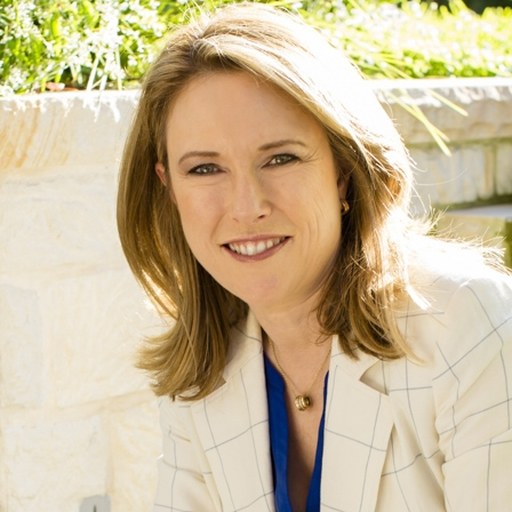
Co-host of The Elephant in the Room. Real estate agent, buyer's agent and buyer's agent mentor, co-host of Foxtel's Location, Location, Location Australia, author of Auction Ready and co-host of Your First Home Buyer Guide.

Paul Benson on Choice, Leverage and What Property Is For
Financial planner Paul Benson wrote Financial Autonomy around choice rather than early retirement, and he draws a line between a lump of cash and a monthly surplus when deciding between shares and property. Veronica Morgan and Chris Bates test that line, along with the growth assumptions the modelling rests on.
In researching this episode, I was looking up quotes on money and happiness. And the best one I found was they say money doesn't buy happiness, but everyone wants to prove it for themselves. Now, property investment and wealth are often used in the same sentence, but what is wealth?
Obviously, it means different things to different people. Do we pursue wealth as an end in itself or for what it can buy us? And how much is enough?
Well, to me, property, its great advantage is its leverage. So if you've got some surplus cash flow and ability to service debt, then property really, to me, it suits really nicely. If I've got a lump of cash, yeah, look, personally, I would go a share portfolio.
Welcome to The Elephant in the Room. This is the podcast where we love to talk about the big things in property that never usually get talked about. I'm Veronica Morgan, real estate agent, buyer's agent, co-host of Foxtel's Location Location Location Australia and author of Auction Ready.
And I'm Chris Bates, mortgage broker. Before we get started, I need to let you know that nothing we say on here can be taken as personal advice. We always recommend you engage the services of a professional.
Don't forget that you can access the transcript for this episode on the website as well as download our free full forecast report. Which experts can you trust to get it right?
When I'm talking to clients about property investment, I'm thinking about the options that they'll have available to them in 10, 20, 30 years time if they make good decisions today. Freedom, choice and independence are all words that are frequently used in these conversations.
Today's guest is Paul Benson, financial planner and author of Financial Autonomy. And we're going to explore exactly what that means and the role property investment can play in the creation of it. Welcome, Paul.
Hey, thanks, Veronica. Thanks for inviting me on.
Hey, Paul. Thanks for coming on, mate. I guess financial autonomy, I do like those words together. Can you explain how it's a bit different to, say, financial freedom?
Yeah, for sure. Thanks, Chris. So I'm a financial planner, and I guess, therefore, I've been dealing with clients for a number of years. And it came about through an observation that
What people generally were seeking was choice and freedom or flexibility, you know, so it might be choice around, right, well, when I retire, but it could be choice around working hours or other things in their life. Particularly in financial planning, often a starting point is, okay, what age do you want to retire?
And very often people, they'd sort of wouldn't quite know, all right, well, I want to retire at 60, but often they get to 60 and then, oh, I'm still enjoying work. I want to keep going.
So the really correct answer was what I want is the choice, the ability to retire at 60 or whatever age, but actually I'll decide at the time. So choice is really what we're seeking. And I guess therefore sort of working back from that, that idea of financial autonomy around gaining choice.
So it's not I guess financial independence is another common term that comes up, but financial independence implies that you've got all these assets, perhaps property assets, for instance, that are throwing off a whole lot of rent and therefore you don't even need to get out of bed.
All your needs are covered in a financial independence type model. Well, that's not the reality for most people. I mean, that's a really high bar to achieve for one. And most people enjoy their work and they like to have something meaningful to do.
So rather than setting that as a bar, which is unrealistic and maybe not what people want anyway, the financial autonomy objective is more around that, how can we have choice in our life?
And that seems to align better with my experience of what people are seeking and conveniently is a bit more achievable too.
Since you say that around the financial independence, I'm actually in the same camp as you. I look at it exactly the same.
I think one of my frustrations with this whole FIRE movement, and we are going to have a FIRE expert, you know, financial independence, retire early is what that kind of stands for. But yeah, I mean, it's kind of saying we need to get out of work. Work's a bad thing.
We don't need to, you know, we shouldn't aspire to work. We need to get independent so we can stop working. And I just don't think that that's, you know, part of the wellbeing, it's enough to be fulfilled. I feel like we need something, a purpose and a drive.
And if you can put that energy into work, there's a lot of benefits for your sort of happiness. So I think that's the other thing with that, your other conversation about people wanting to retire, it's like, Okay, so what do you get to 60?
What do you do with your 40 or 60 hours a week that you spend at work? What are you going to do? And they kind of go blank.
And all the research is there that, you know, that transition is actually really difficult for people, whether it's sports people going from, you know, high intensity to not working, people retiring in professional jobs to not working. It's really a hard transition unless you think about it a bit differently.
Yeah, absolutely. Yeah, and... Yeah, look, I think you're dead right. I mean, the objective surely is to find work that you find interesting and engaging and that you enjoy rather than, to me, than retiring early. It just seems a bit of a wasted opportunity, a wasted life.
So I guess that's one of the issues, isn't it, that if you're chasing money and work's going to get you there, then you may be chasing a job or a profession that you don't really like. It's not your passion and so therefore it becomes a real chore.
And then that then leads into this idea of I want to get out of that.
I want to retire on freedom as opposed to maybe the freedom is, well, I could actually work in something that doesn't pay me as much if I've actually utilized the big earning or the capacity I've had early on in my life to actually create that freedom for myself.
So their work takes a different meaning, right? Yeah. Because I think what happens is this is quite a bit of a trap. This idea about retiring early can lure people into an absolute trap. And I've seen it in the property industry time and time again. It's the idea of income replacement.
And it's like property as income replacement. And that just forces people really into a situation where often they're buying really shit assets. or they're renovating to, you know, supposedly giving themselves a job, but they don't really know what they're doing.
They overcapitalize or they undercapitalize or, you know, they're just living out this silly, silly dream. And then that becomes a chore in itself. But, you know, so do you find that people in like, say in your client base, do you find that they then can rethink what they do?
I mean, do you have any, any stories to tell us about people that have sort of come in doing one thing and then had the ability and the freedom to do something quite different?
A lot of the work we seem to end up working or areas that we seem to work working with clients is often around financial modeling. So they might have an idea around what I'd like to do.
For instance, had a really good one where some clients, they were starting a family and the husband, he had played professional tennis for a little while, like he never got really high up, but nevertheless had that experience and so could be a tennis coach. But It doesn't earn a lot of money, right?
So therefore, you know, he'd gone to uni, become an engineer, done all that sort of stuff.
But now they were looking at, all right, well, we're going to start a family and what he would like to do whilst, at this point, they only had one child, but the intention was to have another, whilst the kids were sort of primary school age to do tennis coaching, right?
Because that would give you more time to be able to help out with the kids and be involved. And it was, you know, just less stressful and it looked like that would work nicely for the family, right? But it meant considerably less income than he was on in his current role.
So a lot of the work that we were doing was, well, all right, how can we make that work? And a key element of that was, well, all right, it might mean that you need to work a little bit later into life. Are you comfortable with that? And they were.
And we just had to quantify that and just show them, well, here's the impact of having lesser income in your mid-30s to mid-40s is that Maybe retirement at 60 is not so viable, but if you're happy to work on until 70, you end up in a very strong position.
And they were totally on board with that and great, let's move forward. So that's really good sort of stuff that I enjoy working with people on.
Yeah, it's interesting that one where, you know, they want to step away from a career and pivot into something else, like leaping into a different profession.
It's hard because, you know, a lot of people go in there with, you know, the rose colored glasses, I'm going to start a business in three or four years time, I'm going to replace my income or etc.
And then it doesn't work, you know, and then they want to get back into what they do before. And You've got a gap of three or four years and maybe it's in different industries. You're seen as you're out of touch.
But I think it's how do you deal with that sort of fear of stepping away from something you've worked on?
It's interesting that though, Chris, because I actually reckon the risk of having a crack at self-employment is less than people think. Like as an employer, I've employed people who have been self-employed and I reckon it's great to employ people who have had that experience because there is more... they don't feel as entitled.
They know it's hard being self-employed and that there's not just this open checkbook and we can just spend money. So I actually find people that have been self-employed and then become an employee to be the best employees.
And so I actually think having a crack at self-employment is, it feels really daunting. And obviously there's an issue there about financial runway and some of those kinds of considerations. But sometimes I think it's made out to be more risky than it really is.
Although what you're saying though there is that the crack at self-employment is really good for their future employer after they've failed.
Well, true, but only if they've failed. If it goes well, then they're kicking along, aren't they? But I guess just from a risk point of view, the downside, if it doesn't work out, it's maybe not as disastrous as maybe people might think.
It's actually true. I mean, I had a cafe years and years and years and years ago and it didn't do very well and I had to bail out and had some debts and et cetera, et cetera.
That's actually what led me to get into real estate was because I thought, right, well, I'm interested in real estate. I've got certain skills, sales skills and so on and I need to make some money because I've got to pay some debts.
I can't flap about sort of pursuing some ephemeral dream any longer. And I accidentally got into my passion. I didn't even realize it was going to be a passion or a gift until I got there. I went, oh, my God, I'm born for this.
And I worked for that real estate agency for six years until I had my daughter. And that whole time I was very, very conscious of what a good employee I was. Maybe they might argue. Actually, they were going to go on business with me, so they won't argue. Yeah.
You know, I'm still opinionated. It's still a challenging person to have around in a good way, I say. But the thing was that I recognized the challenge as a small business. And I also didn't think it was easy. And therefore, I was less likely to be going, you guys are just idiots.
You know, you don't know what you're doing and I do a better job than this and you should, you know, like it's not fair that you're getting your cut and I'm only getting this cut. Like I didn't have any of that sort of dialogue in my own brain.
I was really, really thankful for the support and the setup and everything. I really wish I had more employees, you know, over my time, my current staff are fantastic, but I really, really do wish that I had more people work for me over the years that have been like that.
Yeah. Yeah.
It's interesting that you say Veronica, that you started and you found your gift or your calling straight away. I feel a lot of other people, they don't ever want to commit because really true purpose comes from mastery, right?
Like once you truly believe in your own ability and that you are helping on a deeper level rather than just doing a job, but that doesn't happen overnight. You've got to actually do the hard jobs over many years. Um,
And that's where I feel like a lot of people, they get to that point and they're like, oh, you know, and they don't really push themselves to that sort of next level and they go and look for another solution.
And then they have four or five career changes and never actually make it to that sort of next level. But it's two sides. Some people you find on day one, but you've actually sometimes got to keep on pushing through. Chris, I wonder sometimes.
Sorry, I have had six careers.
Yeah, well done.
Number six was it to get there really. When I think nothing was wasted in terms of getting me to that direct, that, that everything was sort of headed in that direction. Yeah. And millennials, they say millennials now on average have six careers. Exactly.
But yeah, there's this chopping and changing cause you're in the wrong one or you do, you pull out too early versus actually that persistence towards mastery. So I wouldn't, I'm not going to claim that I had any great design in my personal career, but yeah,
it's two sides of the same coin really, isn't it? A bit of a challenge. So sorry, I cut you off there, Paul.
I was just going to say, as someone who mentioned to Chris earlier, my son's in year 12 and so he's just about to finish high school. And so obviously there's a fair bit of, right, what are we going to do next year and study and these sort of things.
And so you reflect on your own experience. I think there's a lot of you don't know what you don't know. I mean, when I was in high school, like I love financial planning, but when I was in high school, I had no idea that that even existed.
And probably it didn't exist to a great extent at that point either. Yeah. um so so that evolution and i mean six different careers veronica that's awesome but and as you say you learned as you went along maybe some of it is just We just need that experience.
You just need to get in there, roll the sleeves up and learn and then find, oh, this is what I enjoy. I don't enjoy that so much. I mean, I did a degree and then got into a role that I would have thought was perfect.
It was essentially an analyst type role, looking at spreadsheets all day. And I did it for six months and realized, hang on, this is not for me. But it was theoretically my ideal job. That was what I'd studied for. And that was what I wanted to get into.
But until you do it, who's to know?
Yeah, I think sometimes it's the environment, right, or the company you work for, the culture, your personal, you know, lifestyle needs, you know, are potentially higher or smaller at different points of your life, right, and, you know, and you just can be spinning too many plates.
And, you know, I've seen some clients that are just swapping companies or just taking that day off a week for, you know, a few months or going on a break just to reignite. People just get burnt out, right, as well. Yeah.
But employment and to how you view that long-term does lead a lot into property investment, whether you want to buy a home or whether you want to buy an investment.
Because you've got to have that confidence there to take on a mortgage, to buy that investment property, to put more money into super, et cetera. So it is a really important discussion to sort of help people get direction because that kind of income will then lead to savings.
Savings leads into what you can invest. you've got to get that first ingredient right.
The other element there I'd suggest too, just sort of tying those two together, is for someone who wants to pursue self-employment, if they've, say, bought even just their home, then it might be that the equity in their home is the way that it facilitates either the runway or if they're buying another business or they've got capital expenditure to set that up.
So having gotten into the property market and building yourself up some equity gives you that firepower that you need, gives you that financial backing to be able to do other things.
And so, yeah, getting into the market I think is really important there too to give you that choice if that's something that you're ever going to be interested in.
It's another double-edged sword though, isn't it? Because you think about, I know that a lot of employers say, I want my employees to have kids and have a mortgage because then they have to work. It can be a trap.
What you are able to achieve because you're on a good income can then actually lock you in to that income and to that job. So it's...
I think that I certainly think that, um, an openness to, um, you know, to learning and compounding your learning, you know, the, the, the beauty of compounding, the magic of compounding or what it can do when you buy a good asset over time and obviously compounding your learning and applying that in different, different environments, um, can help.
But, um, You know, I guess all of this is risk, though, isn't it? I mean, you know, so you're modelling out what people can, you know, what their life might look like when they're 60 or 70 based on the decisions that they can, say, you know, make today.
And, of course, in that there's a whole bunch of assumptions, right? You've got to actually plug in figures in order for this to work. And I always, you know, some of these modelling, particularly around property, and I'm always fascinated to go, oh, I love it, that 7% annual growth. And...
you know where did that come from oh it's you know and and some planners they'll justify plugging these numbers in and i'm like there's no guarantee of that and you haven't even spoken about the quality of the asset in the first place i mean you know a good asset might do that but a shit asset sure as hell won't um do you know what i mean it's so how do you it's all well and good to model this stuff but it's still a bit high in the sky right
Absolutely. I mean, I guess your starting point is you try and be conservative with your assumptions. But the other way is that typically we model multiple scenarios. So we'll model, right, here's the scenario. If your assets grew at 3%, here is it at 5%, here is it at 7%.
So you generally have multiple scenarios and you try and be conservative.
What about if they don't grow or they go backwards?
Well, I guess typically you're modeling 10, 20 years. So there would be an expectation over the longer term that your asset is going to grow. And particularly, you know, often for the stuff we're doing, it's not exclusively property.
So there'll be, you know, share portfolio, superannuation, that sort of stuff, which tend to be more diversified and therefore it's a bit more predictable outcome. But I guess, as I say, the starting point, be conservative, right? Yeah.
Yeah, you're right. Modelling's a funny thing. I've been a planner for a long time. It's how you build any plan, right?
You figure out their goals, you figure out what their cash flow, you look at their assets, you put it into different buckets, different strategies, and then it spits out what's potentially the optimal sort of option for them. But Veronica's bang on.
There's so many assumptions there around interest rates, around growth rates, inflation, what you need to live, when you're going to retire, et cetera. Mm-hmm. So I think a lot of that conversation comes back to simplifying it and actually go, what are the trade-offs? Like you've got two options.
I can pay my mortgage off faster or I can put more money into super or I can put more money into super or buy an investment property, et cetera. And then you start to get some real tangible sort of what's potentially the best next move for someone.
What are some of the trade-offs you find that your clients really struggle with or, you know, get the best benefits from?
I mean, I guess at the foundation, it's lifestyle expenditure versus paying down debt typically or sometimes the lifestyle expenditure creates the debt, credit cards or loans for cars and then these sort of things. So that's probably the most obvious trade-off.
But then, yeah, you do get should I be investing or should I focus on paying off the mortgage? Sometimes, depending on someone's age, should I be investing or salary sacrificing to super, for instance, you might get sometimes.
But probably pay down the mortgage or invest is the one that I suggest beyond just basic cash flow, spending too much and racking up a credit card. But if you pass that point, yeah, pay off the mortgage or invest is the most common one.
And that, my feeling, I'd be interested to get your guys' thoughts, but my feeling is The thinking on that's kind of changed. I mean, in days gone by, I would have said pay off the mortgage because you've got a guaranteed outcome there.
You know you've saved your 6% or 7%, whereas if we invest, we don't know what you're going to get. But at the moment, with interest rates at 2.5% or something, that becomes a much tougher argument to make.
Yeah, because you're guaranteed returns at 2.5% as opposed to guaranteed returns at 5% or 6%. Absolutely, it's much more challenging and does encourage people to take more risk, right? Yeah.
Hmm. Yep. Sure.
And also where rates are going through this forward guidance as well. So, you know, if you thought that rates are two and a half percent now, but they were going to be four and a half percent in three years, you would be much more conservative in your thinking. Right.
So, but if you go, Oh, it's two and a half percent and I can lock that in for five years at two and a half percent, which you can, um, that it's kind of where rates are going is what drives a lot of behavior. And, um,
So, I mean, what that is encouraging, I believe, right now is encouraging people who are putting off that home upgrade to going, well, you know, we can actually afford it. We can get a higher mortgage. It's only going to be 2.5%.
So are you seeing much people wanting to do home upgrades and how do you deal with that sort of dilemma?
Look, I haven't seen much of that yet. And in part, I'm in Melbourne and we're still in lockdown, so that probably contributes to that.
So, yeah, as I say, I haven't seen any examples of that yet, but I guess just broadly, I mean, interest rates are particularly low now, but really they've been low for probably the last couple of years. It's extreme right at this moment, but they've been low nevertheless.
And so, yeah, I think there is a bit more appetite for investment, be that property or shares.
And it's not, I guess, particularly thinking about the property market, it's not hard to see if you do the numbers and think about the rental yield to see transactions where you can buy a property and where the rental income is enough to cover the cost of holding the property.
Although rents are going down.
quite a lot in good areas so it's like it's not be harder to make work you reckon yeah yeah I mean it's great to see you know yes in an in if COVID hadn't hit for instance it might be that that would be an argument that might work but now that COVID's hit and uh rental yields have taken them you know I guess and we're hearing lots of different sort of um
and a lot of it comes from property managers who are talking about individual properties that, you know, were leased at X and then subsequently leased at Y.
And also the fact that tenants can actually start shopping around now and saying, well, actually, I can, for the same rent, I can get more or I can renegotiate this one and actually pay less. And I've certainly had that happen on one of my properties.
Mm-hmm.
So as a landlord, you've got to sort of weigh it up. Well, what's going to cost me to lose that tenant? And what's the likelihood of me getting that rent again? So I'm like, yeah, I'll do the deal.
So it's an interesting balance, isn't it? Because Krista said the outlook on interest rates is pretty stable and low, which is nice. But the outlook on rental yield, you're saying, Veronica, is trending down.
And look, the conversation I have with my clients around that is that you've got to have the cash flow to support a good asset. You cannot be buying for yield because it's shit.
Down the track, maybe you want to live off it, but there's going to be a massive asset tied up to give you that yield. But the yield is more than just rental yield with property. And you don't often get that one index, which is the capital growth and the yield combined.
Is there such a thing?
I don't know. I haven't seen it.
Well, it needs to be discussed. I call it a return on investment. In fact, in your book, you've got a property, you've got a chapter on property and you allude to this actually about really the return on investment is how much cash you're putting into it
versus how much you're borrowing and what return you're getting on that. Now, you allude to that in terms of capital growth, and I think about it in terms of actual cash flow.
So you think every year I'm going to tip in X amount of money to support holding this asset, and then I have to look at what the growth is and the actual income that I've that I've got from that plus the actual growth.
And obviously that's a very difficult thing to measure with property. And then you think, okay, what's the return on that money that I've tipped into that investment in that year? And that's something that I think people are not looking at their properties and assessing them that way.
And instead what they say, and you allude to this also in your chapter, is that they say, I've made really good money in property. And it's like, because I bought it for a million and I sold it for 1.5. I made half a million dollars.
And you go, well, actually, A, have you taken out all your costs? And B, did you ever compare what else you could have done with that money over that same period of time, whether that's actually a good return or a shit return? And this is the benchmarking doesn't happen with property.
It's a challenge, you know, because it needs a level of financial agility, a mental agility to actually get there. And whilst I've got the smarts to think about this stuff, I don't have the models for it. You know, maybe we need to combine and actually create one.
I think the benchmarking too, I don't think it's not alone in property either.
I mean, if you're doing a share portfolio and you say, okay, what we should do is sell this and buy this, really is someone going to go back three years later and say, well, what if I didn't do that and what if I had held that one?
Because then you're like, oh, well, I made the wrong call and no one wants to feel that they've made the wrong call, you know. So, yeah, you're right. It's a challenge for sure.
But the risk with property is much greater.
True, because of the transaction size, yeah.
Yeah, and the borrowing as well.
That's the part of being a good advisor though, Paul, is that you encourage people to think about opportunity cost and to rewind on their decisions. It's never to say judgment, to say you should have done this and you could have had this much money, et cetera.
But sometimes people have got overconfidence bias and you're right, they don't want to go back in time because that makes it a pain. It's painful. It's loss aversion. It's like it's actually not a great feeling. But if you can do it in a good way,
then they can kind of go, actually, you know what, maybe I shouldn't have bought that sort of $300,000 property in southeast Queensland that's done nothing for 15 years.
Or, you know what, if I did have bought that, I could have bought, you know, an apartment in Sydney that, you know, you know what I mean, like this, it's painful to see, but that's sometimes the best way people learn, I think, is you go back and you actually say, well, this is the different road you could have gone on.
Now, going forward, let's not make those same mistakes again and let's look at some better options. I think it's the role of a good advisor to talk through those past experiences, I guess.
Very true. I guess maybe the other side to that coin is the alternative is people could, you get your analysis paralysis, right? It's like, well, I could do this or I could do that or I could do that and, oh, my God, it's too overwhelming, I'll do nothing.
And you don't want that either. Yeah. So, yeah, it's got to be a balanced structure.
I've had those clients as well. You know, Veronica was talking about spreadsheets there. I've got to, you know, as soon as I said that, a very, you know, a client who's been with me a long time and a CFO, he struggles with analysis paralysis more than anyone I ever know.
And he always wants to throw it back to the spreadsheet. And like you, I was explaining to him for many years, even though he's a CFO, like he understands this stuff, he can't grasp what you were talking about, Veronica, in terms of,
what you're actually investing into property is your negative cash flow per year and your borrowing capacity because that's another opportunity.
And so if your negative cash flow is, say, $1,000 a month, so $12,000 a year, you've got to say, I'm going to afford that negative cash flow for maybe five to ten years before it gets anywhere near the rents rises, have got anywhere near to cover all your costs.
And that's just being conservative.
So you're really saying to yourself, I'm going to invest $1,000 a month for 10 years, and then what that $120,000 is going to get me is the growth on that property, which if you buy $120,000, you might get a million-dollar property, let's say, $1,000 a month negative cash flow.
So you're investing $120,000 to get the growth on a million-dollar property over 10 years. But the thing that people sometimes forget is that in 10 years' time, the rent's gone up enough to now cover all your costs. So you're not having to put in a thousand bucks a month anymore.
You might be making a couple hundred dollars a month now, but nothing, nothing that's a lot of money. And then you've got this property growing for another 10 years and then another 10 years. And that's where all the rewards come.
I think people want to best for five years and go, Oh, well, what am I going to make in five years time? Well, probably not much. What are you going to make in 30? Well, you know, probably a lot more. So I think that's the big dilemma.
Thank you.
Love hearing your questions and we're planning more listener Q&A episodes. Please send your questions in. You can send them via the website, which is theelephantintheroom.com.au or directly via email to questions at theelephantintheroom.com.au.
When you're talking to people about buying property, what are some of the things that you're discussing with them? And I'm counting this question because I know you've written a chapter on property in your book because you've got basically three ways in which people can achieve financial autonomy, right?
And property is obviously one of them. A lot of property planners and property advisors tend to avoid talking about property because And I'd like to know, I guess, why you think that is the case and what conversations you have with your clients around property.
Well, why that is the case, and Chris hopefully will be able to verify this as well, but it's because of the background of financial planning, which is that most financial planners in days gone by were employees of product manufacturers, whether they're the banks, the AMPs, that sort of stuff.
And so your role, your reason for existence was to sell your employer's products, not really to give advice, and no one makes any money recommending a client
by a property if you're employed by amp or a bank or something like that so i know that's not the nicest thing to hear but that's the reality right so that's that's the background to where the financial planning profession i mean it is a profession now but it hasn't always been that's where it came from and so that that's the historic legacy of why planners traditionally haven't thought a lot about property now that's changing in recent years thankfully uh and more people are
Yeah, more planners, I would hope. It's a fee-for-service arrangement and commissions are gone and these sort of things. So things have improved enormously and I think there's just been a little bit of lag in terms of, I guess, upskilling of planners to be able to talk about property.
To your question, Veronica, for me, so I certainly don't get into, hey, I think you should buy this property in Carlton. Like I don't get down to that granular level because I don't have that expertise. My focus is around cash flow primarily, right? If you borrow this, here's the expected cash flow.
How's that going to play out? Can you afford it? What if you lost your job? How are we going to manage that, right? So cash flow is the big thing for me. I guess from a broader perspective,
educational piece and how it's going to improve the client's position long-term, thinking about the impact of gearing because that's really the great beauty of property investment is its ability to leverage and the impact that leverage has on your long-term position.
So that's an education piece and making sure that clients understand this is why it might be relevant. But first and foremost for us, it's really, look, financially, can you make this stack up?
Yeah, it's interesting. You're bang on about the history of financial advice. You've got 20 years and it's all ending, which is good. All the banks have sold off their advisors. The AMP advisors are all rushing for the door.
There's been other transactions in the last couple of weeks that are sort of simplifying the industry and taking out the product provider, giving the advice, which is definitely good. I think you're right, though. It is splintering a lot of advisors because...
A lot of advisors still want to run businesses and make money and they get to the property conversation and they're like, well, maybe I can make money recommending property.
And so when they, then they, cause we get phone calls, like we don't really ever get phone calls from buyers agents saying, yeah, can you refer us business? Cause they're kind of busy trying to hunt,
out and try to find scarce property and you know calling financial advisors isn't a good use of their time but developers and off the plan and all these type of people have marketing teams that just sit there and hammer brokers and hammer financial advisors and you know the financial advisor gets a phone call they don't really know much about property because they haven't been trained in it and next you know they've got a partnership with a developer
And they're going, well, actually, wow, I can make $50,000 off just referring this client down this route. And look at that negative cash flow there. Look at that. It's positively good because of the depreciation.
And so one of the things I'm doing is actually trying to get in there now is to get into the advisors and to kind of stop them going down that route and to say, actually, you can be amazing in property. You just need to get to that.
Cash flow is so important, which I think it's, Really good that you focus on that, especially if you're buying a home, upgrading or investing.
But then it's just the next decision is actually making them get a good asset, making sure they know what they're doing there, which is a journey for advisors because they don't actually know what they don't know, I guess.
Yeah, and part of that is just like the medical model, right? The GP doesn't go and do your x-rays or, you know, give you advice on a cancerous growth, right?
They refer out to the specialists and it's, to some extent, it's about financial planners getting comfortable with, all right, I can do this and this and this, but what I need is a buyer's agent for this piece of the puzzle. Mortgage brokers, I guess, financial planners have worked with for a long time.
So part of it is getting used to the buyer's agent's role.
Here's a question, okay. So with the medical analogy, if a doctor refers to a radiographer, for argument's sake, for an X-ray, does that doctor get a kickback from the radiographer? Does the radiographer go back to the doctor and go, here, I'm going to give you five bucks of every X-ray?
Because let me tell you, And this is something that is becoming a real bugbear of mine and it is in the buyer's agent space at the moment.
There is so much more of this, how can we make more money as the question that's being asked as opposed to how can we better serve our clients?
Yep.
And I'm about to get on a big bandwagon about this because it is becoming rife in my industry. And you know, when I first started, I used to get referred a lot of business by sales agents who genuinely wanted to help certain buyers or clients actually get looked after.
And that source of referral for me is all but dried up. It's absolute trickle. And most of my referrals is actually through clients. You know, I have a huge amount of referral from clients. But I do not get referred business from sales agents anymore.
And it's because they're all in bed with each other. All in bed with other buyer's agents and sales agents and they go and they will sell. They basically go, right, well, I'll get 20% of that. Thanks.
So I'm not going to refer to someone I know is good and will look after the client. I'm going to refer to someone who's going to give me 20%. And the disclosure, there's a bit of a loophole and disclosure in our industry to say that you don't really have to declare it.
Because if I'm a sales agent and I'm dealing with you as a buyer, I don't have an agency agreement with you.
So therefore, I don't have to sign a Section 47 disclosure to say that I've recommended someone to you that I get money from for recommending because I don't have an agency agreement with you.
Veronica, are you saying that with financial planners? Because I would have thought for a financial planner to get any sort of kickback, I would have thought that's illegal.
Now, I don't know about financial planners in terms of not declaring. I do know, as I said, there's a loophole with sales agents not having to disclose, right?
Irrespective of not declaring, I just think that would be illegal. Financial planners can't receive those kind of commissions.
So it's interesting what Paul said.
Can I just jump in very quickly? It is, I don't know about financial planners, but it is happening with mortgage brokers. Interesting.
Yeah. So a way around the system, it's pretty scary. So you can basically get yourself your own real estate license. And you refer to your real estate license, then the real estate license. It's very easy to get a real estate license.
You know, like a mortgage broker license, it's a weekend course and 500 bucks and bang, all of a sudden your company...
It's just changed in New South Wales, thank God. But, yes, up until March this year, it's been an open door for that.
But that comes back to that, doesn't it? How do we make more money is the question that's been asked, not how can we better serve our clients. It's mortifying, but hopefully that door will shut.
Well, probably it's a good sign for you as a business, Veronica, that you're not getting referrals from agents because it's quite a conflicted relationship anyway. To be honest, it's a sign to show that the agents won't be able to sell... You won't sell their stuff to their clients. You know, if they've got...
And you're going to go, well, let's look at this brief, let's forget about that connection to that agent, but let's go to the whole market and let's not just buy the stuff that that agent refers to me.
Because that's what easily you could, an agent would want to have an advisor that's trigger happy, that's happy to overpay, that thinks an 8 out of 10 property is good enough rather than,
you know not no we're not going to compromise on that road we're not going to compromise on that building you know etc and you have to so you know you're not a great partner for a real estate agent anyway i don't think because uh they ring us and they try to sort of encourage us to push certain property to our clients i'm like no i won't buy on that that's the opposite of the job
You're wasting your breath on me. But, you know, on LinkedIn, you see this, and we'll get back to financial planning side of this in a minute, but you see it in LinkedIn a lot.
You see the sales agent bragging about record price and blah, blah, aren't I good, aren't I good, I can sell this and get so much money for my client. You see the buyer's agent commenting on LinkedIn about the exact same deal, talking about how they got this bargain for their client.
I'm sorry, those two things don't equal the same. They don't go together, you know.
Anyway. No, it definitely does. So, I mean, I get a different tack. I thought it was quite interesting when I was reading about you and I've seen the... I've got into this space.
I haven't fully committed it when I was an advisor just because it was in its infancy and it was still sort of growing, but... I know you've done a lot of work in sort of responsible investing, sustainable investing, ethical investing. We haven't really done that over 150 episodes on the podcast.
I can't remember another episode where we've really had a good chat about it. What's your thoughts on all that space and how it's growing and why I guess people may want to consider it?
It's really interesting. I mean, first, what got me interested, a friend of mine, I had a financial planning practice down in Tassie called Tass Ethical. And He sort of switched me on to, hey, this isn't hippie stuff.
If you look at the numbers, actually the returns are better on the ethical investments because I must admit I was a bit sort of blinded to it. You know, this is really rubbish.
But actually he provided the numbers and the more I looked into it, the more I recognised that actually investment-wise it makes a lot of sense. And there's some really good logic. I mean, things like, for instance, a lot of ethical investments, they won't have tobacco companies, right? Right.
Why would you want to invest in a business where you've got governments around the world actively marketing against you? Irrespective of the harm that you do and the fact that your customers are dying, just business-wise, it doesn't make a lot of sense.
Wouldn't you rather be with a business, say like CSL, where governments are actually buying your product and sponsoring you and trying to help you succeed, right? And so generally applying sort of ethical, responsible type filters to investments is
There's just some good underlying business logic as to why they're probably the companies that you're going to want to be interested in anyway. So for me, first and foremost, it was just seeing the data and just saying, look, this makes sense, and then trying to understand, well, why does it make sense?
And then I guess we've just embedded that into our process of when we engage with new clients, we have a risk profile type scenario that every financial planner would do, and then we have an extra step, which is around ethical considerations. Okay.
And look, the majority of people are like, if it's legal, I'm fine. And that's, you know, that's totally fine, right? But it's good to have asked. People appreciate being asked. And there are increasingly, we find people who say, well, actually, yeah, I do have a few concerns.
You know, I really, I don't want gambling exposure, for instance, is a hot topic at the moment. You know, a lot of people don't want anything to do with gambling. So, okay, that's good to know. Thank you.
You know, depending on what we're working on here, we can try and make sure that we don't have any exposure to gambling. So yeah, it's an interesting area. And as I say, you're not compromising. There's an expectation that it's a bit like organic fruit and vegetables, right?
You've got to pay twice as much for it and maybe it looks a bit crappy. But actually, responsible ethical type investment, sometimes they cost a little more, but the performance is there. You're not compromising.
It's funny, the first time I sort of encountered that was listening to one of the Motley Fool podcasts. And then I started doing some research into it a couple of years ago as well. And I've actually since invested in one fund and watching its growth.
performance post the covid lockdowns has been interesting actually it really has outperformed since because before then it was sort of yeah it was just sort of just doing its thing and i wasn't i'm not too worried i made a long-term decision and so i just was just checking in on it every now and then and it was just meandering and but the difference is really marked now but
I'm interested in the sort of philosophical side of things is who determines what's ethical. And I, you know, I think that I'm very good at choosing what's ethical and I agree. I wouldn't want gambling in my portfolio.
I certainly wouldn't want, and I don't really want a lot of big pharma in my portfolio either. And I certainly don't want tobacco.
And there's, there's, you know, then you want, you want businesses where they're actually got a diversity in their boards and there's a whole bunch of things, but who determines the criteria to make it ethical or not?
Yeah, and that's where, I guess, as part of our questionnaire, we have a range of different issues and whether it's of high concern, some concern or no concern, and depending on where people lie there, either you could go, so we're getting a little bit off property here, but it would typically be related to share portfolios.
So if they had a really high concern about a particular issue, then it might be that we need to construct a portfolio with individual stocks or maybe some ETFs in different sectors so that we can specifically exclude
But if their concern is a more just broad, you know, global warming, greenhouse gas, for instance, then you could typically go a fund manager and, you know, there are certain ones around that have good screening on that sort of stuff. Absolutely. And then go with that fund manager.
So it just depends on what the particular client's concerns are. But it's totally legitimate, Veronica. And that was, to be honest, one of my original concerns is, you know, well, ethical, but who's ethics and how does that work? And it is tricky.
Like, I don't know if it's still the case, but for a long time, Woolworths was the biggest owner of pokey machines in the country. And people are, well, can we hold Woolworths? Because predominantly they're a supermarket chain, but they've got all this gambling exposure, you know? So, yeah.
Although, if you ever watch The War on Waste, you wouldn't want to have any shares in Woolworths.
Right.
I've only recently been watching that again. You haven't seen it.
It is an interesting discussion, though, because one of the challenges is how do you build that portfolio? And in the past, there was a limited number of options for the advisor to build a portfolio that was not just getting out tobacco, getting out gambling, getting out coal sort of resource companies, et cetera,
but that's all negative screening. So we've got a hundred companies. We'll take out 50 of them because we don't believe in terms of there, but then you can go on things. What you said, Veronica, you do positive screens.
So you could say, well, I actually want to wait more to companies that are investing in green technology that have great diversity on board that, you know, et cetera, have great system or a B corporation, for example. And so, you know, you can go granular.
It's just the difficulty there as an advisor, I'm sure Paul was to, how to build, maintain, constantly check that portfolio. There are companies that can allow you to do that. But, yeah, I think just now there is getting more options around this sustainable ethical investing for people.
And I think...
you know, fund managers are moving in that way. You can only say the biggest fund managers in the world are saying, look, we know that we have a huge impact on the way that where the world goes, um, because we control trillions of dollars.
And so, um, you're starting to see places like BlackRock, you know, say that no longer are we going to have this in our index portfolios. And, um, Yeah, it's a very interesting space. And for our listeners that haven't really thought about it, I do encourage you just to start checking it out.
And places like Australian Ethical is one company that you can learn a lot from. You've got a good website, sure.
Just sort of segue back to property a little bit. In your book, you mention basically you make an interesting distinction between having a lump of cash and
in which case you'd invest in shares versus a monthly surplus in which case you'd invest in property so i'm a bit i'm curious as to why you wouldn't invest a lump of cash in property
Well, to me, property, its great advantage is its leverage. So if you've got some surplus cash flow and ability to service debt, then property really, that's where, to me, it suits really nicely. If I've got a lump of cash, yeah, look, personally, I would go a share portfolio.
I guess I like the diversification, the fact that it can be international and Australian. You know, it's not single tenant issues, some of those type of things. And frankly, I'm not...
in the least bit handy or in any way fancy any degree of sort of property maintenance or getting, you know, I mean, I have a couple of investment properties, but I, yeah, I probably do have a slight comfort towards shares. So if I had a lump of cash, I would go that way.
It's just effortless and it's working. But if I didn't have a lump of cash, but I had that surplus cash flow, then that would lend me towards, all right, let's do some gearing and let's find a property that's going to work.
I understand, I agree. I've got a number of clients at the moment that sort of come out of the woodwork that actually have quite a lot of cash and they're choosing to invest in property.
And I'm not necessarily saying that's right or wrong and obviously I'm not privy to the guidance that they've had that's led to that decision. But it is an interesting time because I've never seen that many people come out of the woodwork to me saying, I don't want to leverage. It's like...
Yeah.
I'm thinking, really? You can buy 10 instead of buying, you know, two, you can buy 10.
But that is an interesting element of the current low interest rate environment, isn't it? I mean, if they leave it in cash, they're penalized. They're earning less than the rate of inflation. So they've got to do something with the cash.
And yeah, whether it's property or shares, there's this push to not have it sitting in the bank.
And I guess how much you have is whether they want to put, say, you know, if they've got a million dollars in cash, they go, oh, I'll buy a property, as opposed to a million dollars in cash, putting a million dollars in cash into the share market in one hit.
And obviously, it'd be, you know, you'd want to stagger it, you want to do it, you want to get advice, and it certainly wouldn't be that simple. But whereas in property, it is whacking in one hit because you're buying one asset, a million for argument's sake. Yeah.
But, yeah, I find that quite fascinating just in terms of those options and the feeling that different people would get around those choices. Yeah. Yeah.
It's a really interesting conversation because, you know, who's going to have a lot of cash, right? So, you know, if it's someone in their 20s, 30s, well, that will probably help them with their house deposit really, you know, and unless they're, I don't know, the old family money is a different story, right?
But are you talking just a traditional someone in their 20s, maybe they've got an inheritance of a couple hundred grand or something or they've had a big bonus or something. So a lot of that's not going to be a lot of cash. It's just going to help them buy their first home.
The 30s, 40s, if they've got a lot of cash, I mean, they've either probably paid off their mortgage and, you know, maybe sold a business or, you know, or sold investments or something. But generally they're still a minority.
Generally people with a lot of cash are the ones you get to your 50s and 60s and that type of demographic. They're retiring, their wealth is accumulating. And that's where you've got to really start to think, is property the right move? Because they're getting to a point where actually it's now it's,
no more assets going into the bucket. We're now at drawdown phase and property is just such a lumpy asset. So you go and buy a million dollar property and you go, look, I want 50 grand. Well, I can take only getting 30 grand a year of rent.
That's going to take me a long time to get my 50. So you've got to kind of, how do you sell a brick?
And so in retirement, you don't want to have lots of... To me, if they don't need the income, right, they're doing it for capital preservation, right?
Yeah, so this is the next level. So if you got to the point where, you know, financially, there's never going to be, there's always going to be more than enough, right?
And so you're going to be able to live a great life in retirement, you know, give money to the kids, you know, not be worried about money. And then you're going to have this portfolio of, you know, let's say it's 10, 15 million. Then you might be right, Veronica.
You might just say, well, this money, this property is going to pass on to the kids. I don't even need to sell it ever. I might just go down the property route, but most people, you know, aren't getting to that level.
And so they've got that fear in retirement that how long are you going to live? Like, you know, you wouldn't have thought you would live to 80, say 20 years ago, but now you're probably thinking I might live to a hundred. So,
You know, that's a hard thing to plan for, aged care, you know, health, et cetera. So, you know, generally you want to be more conservative in what you think you're going to need in retirement because you just don't know how long is what's going to happen.
Investment returns could all of a sudden plummet and your money doesn't go anywhere near as long as you thought. So... It's an interesting one. I agree with Paul, though. I'd probably lead to it.
If someone comes to me with $500,000 of cash, that's pure cash and they haven't got a home debt and they can't borrow money, I'd probably go, well, let's just buy some shares. But I don't do financial advice anymore, so that's probably it. So that wouldn't happen.
Well, okay. On that note, Paul, if you've got a property, don't go for us.
Yeah, well, look, I hope this fits the category, but it actually, I had a discussion with a colleague earlier in the week and I thought this, as I say, I hope it doesn't offend anybody and I hope it fits the category, but we were just tossing around, Chris touched on this earlier, off the plan properties.
And I just sort of said to him as I was thinking about it, look, I've been sitting in front of clients for 20 years, right? And in all cases, you know, you talk about goals and then you go through a personal balance sheet.
So therefore you get to say, all right, these are the assets inevitably. Yeah. There's property assets. I said to him, you know, I can't think of a single investor who has done well out of buying a property off the plan. Can you?
And a friend of mine who hasn't been in the industry quite as long, but still, he sort of, you know, rolled the eyes, looked up at the ceiling for a bit and he said, no. No, I can't think of anyone either.
Like I could think of someone who, you know, they bought something 10 years later, it was worth 20 grand more than what they paid for it. So they didn't lose, but really over 10 years, it was a rubbish result. They did lose.
And it must be people that do well out of off the plan, you know, I mean, it's not a great simple size, but I've been around a while and I couldn't think of anyone who, you know, 10 years say and they doubled their money or something, really had a good result.
we could put out a challenge who can actually come up with an example and substantiate it yeah yeah and maybe not one i don't know
No, they're definitely, off the plant is a timing thing, right? So you need to basically buy something before anyone wants it, right? You need to get a good deal from the developer. You need to be buying pre-boom.
How do you get, and then you've also got to buy the best one in the block. So how does the developer gives you the one with the north-facing aspect of on the top level, you know, the bigger apartment that's finished well. And that's all unknown. That's hard to get.
And then you've got to hope for a boom. And then by the time that place finishes, you know, then there's potentially quite a lot of equity in it. But...
It's like right place, right time, 99 times out of 100, you're not going to be able to perfectly get the right one and you're not going to buy pre-boom because those things just don't always happen. They happen maybe three or four years in 10 years.
So they might do all right because they might say, well, I couldn't afford to buy a property, but I could afford to pay a deposit. or buy an off-the-plan. And so you'd argue that, you know, that was probably one of their only options and it's paid off for them.
And a lot of people say that, oh, you know, but you're right. You set a really interesting point at the start. Being a financial planner, you get to talk people through their assets, their liabilities and their history.
And the amount of insights that, you know, you've got, you've been doing it for 20-odd years. I was doing it for 13 years, let's say, and still do it every day now. you've just seen so many people.
And so, and you can, so you think about, you know, you might've seen, let's say a hundred a year, that's over 1500, you know, that's 2000 people. And so, and then you've got all the other anecdotal stuff and all the learnings and all the reading and all that sort of stuff.
So through 2000 people, you've seen, it probably is a lot more than that, but you still can't even think of someone. So that's pretty telling, isn't it? For a lot of our listeners.
Yeah. I hope it's helpful.
Oh, it's helpful. All right. And, um, you know, I spoke to a guy the other day, he rang me and he was said, look, I'm sick of making dumb, dumb decisions with, you know, with property. And I'm like, so what do you mean?
He said, Oh, well, you know, I've lost, he said, I've worked it out. I think I've lost a million dollars because I bought off the plan properties. And then, so he's adding in opportunity cost. Um, Um, but he's actually had real losses as well.
And, you know, it's because he, he was, you know, I think maybe about 10 years ago, he was in a good earnings position and had this ability to borrow all this money and got sold a dream about, you know, for a cup of coffee a day, you took me an investor. And, um,
You know, I bought a number and even with some quite reputable developers as well. So it wasn't like it's all shonky stuff. This is, you know, it doesn't matter really who's building it. If it's an investment, it really needs to give you a return.
And if after 10 years you can sit down and work out that you've really lost a million dollars in real terms and opportunity cost, that's pretty shocking.
Yeah, it's funny. This week, I made his a financial planner. So this is one of the other reasons why we stopped doing advice is a lot of advisors would refer us clients because they know they haven't got those property expertise.
And so they would say, well, you know, who can kind of give them great mortgage advice and then it has access to lots of buyers agents that they've worked with. And that's kind of our little niche. Anyway, this planner refers us to client. He says, look, He's a really close mate of mine.
I'm really worried. He's going to buy this thing in Brisbane. Can you have a chat with him? And I was like, okay, yeah, no worries. He goes, he's already got it broke. I said, that's fine. I can chat, talk him through.
Anyway, he sends me the link of the property and it's this off the plan in Brisbane. It's like a four-bed townhouse. And this thing looks like going on holidays in Bali or, you know, the Mediterranean. It's got the pool and the chairs around. And anyway, it gives me a bit of a backstory.
And it's another planner had actually referred. So this client's gone to a broker. He lives in Singapore. So he's gone to the broker in Singapore. And Singapore has referred him to a planner here that's got a partnership with a developer.
And so I called the guy up and I was having a chat and said, say, And I just let him say, what's happening? What are you up to? What are you thinking about? And he goes, oh, have you looked at the property? I said, yeah, we'll go to that a bit later.
Like what's made you make this decision? And he's gone from potentially buying a house in the Northern beaches to This is all too hard. I keep missing out. He was on the right path. He's going to move back in five years. He was on the right path.
He can afford it to met this sort of developer. And he's like, well, why don't you buy two? You can get two in Brisbane for the same.
And Brisbane's going to go up 40% in the next three years.
Oh, isn't it? Yeah, yeah. I love that. I'm going to go up.
And Sydney's overrun.
Sydney's never got any growth in it ever, ever again.
And it just rattled it all off, basically the sales pitch. And we unwound it all. And I said to him, look, just type this into Brisbane now. Like you're trying to buy for a million dollars. Try these suburbs, right?
Look at these houses that you could be buying for the same purchase price as that apartment. Like, what do you think an aspirational family would want? Like, do you think they would want to live in this house or would live in that townhouse for the same price?
And it was just like slapped him in the face because he was like, well, actually, yeah, why wouldn't you want to live right near the river in this beautiful old Queenslander for a million dollars rather than this sort of new townhouse, you know, that's got a big fancy pool that you wouldn't want to use because it's not private, right?
And 10 years from now, it's going to look tired and run down.
Exactly. And let's face it, who's going to really look after that garden like that if it's all tentative? It's not going to have anyone in the owner's corporation going, it has to be looked after. It's just not going to be like that.
Well, the garden's never going to look like that, is it? It's a render.
It's a likening sphere. There's no money in development to build that garden. We're going to give you a couple of sixes and eighties instead of letting it happen.
Yeah, I've got a good friend who does these renders for these properties and videos. And you should say that every year they get better, right? They're just like now you can put the VR on and experience it. And they just never look anything like what they do on the renders.
So it's a funny space.
Oh dear. On that note, thank you so much, Paul, for joining us today. We'll put the link in the show notes to your book, Financial Autonomy.
And obviously anybody who's interested in reading that, I mean, the other, just so you can quickly say the three ways that people can gain financial autonomy, you better quickly say it now.
Investing in stocks, investing in property or becoming self-employed.
Right. So if you want to know more about one, two or three of those ways, you probably should read the book.
Thank you so much for your time.
Thanks guys. Thanks for having me on. Thank you, Paul.
I really enjoyed the chat.
We want to make you a better elephant rider. And this week's elephant rider training is?
Well, we talked about, I mean, obviously Paul's Dumbo was about off the plan properties. And I always think that's interesting because I'm not sure he knew our thoughts on that.
But I was talking to a client the other day and they're looking at buying an apartment, which is about five years old, in an area where there's quite a lot of new stuff being built side by side. Now, this is not one huge complex property. where it's all the same developer.
This is actually quite a big sort of infield land release where there's been a number of different developers. And so therefore there's a level of diversity, even though it's all new, there's still a level of diversity because you've got different architects, different sort of build materials, different quality, different designs, right?
And so that, you know, they were just telling me their story about how they'd been looking at these apartments and had they'd been, and I said, so how are you working out what you want to pay for it?
And they said, oh, well, we've been looking at the new stuff because we haven't been able to find existing stocks or five-year stock that compares. So we've been going and looking at the stuff that's finished and it's for sale, but it's brand new. And this compares so much better. It's bigger.
It's better finished. It's got a nicer outlook. It's got all these pros that this new stuff doesn't have.
So I had to have a conversation with them around their comparison was sort of out because what they need to be doing is looking at how scarce is that actual apartment they're looking at versus everything that's existing that's a similar age.
And so they need to be looking at recent sales rather than what's currently on the market. So we had a conversation around that. But I also thought it was really interesting because I said the reality is that most buyers that are buying brand new are
are not looking at the apartment that you're looking at because most buyers that are buying brand new are heavily marketed to and heavily influenced by the first home buyer grants. And if they are an investor, they're heavily influenced by negative gearing.
And so therefore, there's no incentive for them whatsoever to buy the five-year-old apartment. And even though the five-year-old apartment might be better, bigger, better finished, better outlook, better terrace, everything,
you should see that there are less buyers for that five-year-old apartment. Now, if it gets highly competitive though, it speaks to being actually a quality, potentially a quality asset in amongst all of that new development, if it really is scarce. And so that's the thing that I was encouraging them to look at.
But I just thought that during that distinction between there's so much better value, so much, you know, there's better stock opportunities potentially out there in properties that may be five years old.
If you are only looking at brand new, if you are, you know, and I guess if you listen to this podcast, you're probably not anyway.
But if you are only looking at brand new because you're thinking about negative gearing or because you're thinking about getting those government incentives and of course the new build incentive has actually just been increased or the time period the federal government has just increased it.
If that's what you're looking at, you won't be looking at the existing stock. You have no idea that a bigger one with a better terrace and a better view and better finishes is even available even in a similar price point. You'll have no idea because you're looking at a silo.
So that's just the tip. If you've got this far in the episode, if you've got this far in the podcast and you haven't been warned off buying brand new or off the plan, then go and look at what else is existing because you might be very surprised at the value.
Yeah, and I'd probably say keep and swap suburbs. You know, I just think you're still fishing in the wrong pond. You may have got a better fish, but you still ultimately, that pond's going to get more fish in it.
Basically, if you want to keep going, the analogy, you know, if you're in an area where the, I know you said this is potentially an infill area, so it might have a cap on supply, but it's probably, there's no reason they can't expand that area.
You know, you can see in parts of Sydney, they'll say, well,
If it's an infill area because it's basically a rezoning of industrial sites, there is a finite border to that in these areas.
Yeah, I have seen in some areas. Like I remember my pal was quite unwell in Melbourne actually. He was at Box Hill Hospital in Melbourne and I was like, I haven't really spent much time in this part of the world before and,
know i had to go there quite a lot and every you could actually see those houses um on the in streets and apartment blocks going up over the back fence you know so this area was and these are nice looking houses but um how the hell is that getting approved and because there's a you know that sort of high density area is spreading into areas where you didn't think it was possible and
You know, I think with this Sydney sort of growing, you wouldn't want to be too close to any of these sort of spots because it doesn't take much for them. Just to say, you know what, housing affordability is a bit of an issue. We need to create supply.
We made more money off that anyway. Who cares about those house owners? Let's just, you know, expand the borders a bit. Now, it could be good for those householders because they could sell to a developer, but you don't want to be buying apartments. I also argue that...
COVID and the building issues, consumers are probably going to demand a better product. And they might not be there today, but in 10 years' time, I do feel the builders are going to have to up their game and a lot of new apartments are going to be better than the apartments built today.
And so then you've got to be, you know, if you're buying in that area, you know, you can't potentially just always leverage off the thing to say that my apartment's better than new stuff because a lot of the new stuff may come out that is actually pretty good compared to yours in that area.
So I just say avoid those areas that are building anything new. Okay.
And if they are, Billy, anything new? I actually collected some news articles some years back of exactly that sort of example you're talking about in Box Hill. And there was a house, I think it was in Coggera, and it was an old man. He was probably in his 80s or 90s.
And there's a picture of him out in his backyard under his hill's hoist. And, you know, one side of him was like an eight-story apartment building. The back...
oh the back fence was an eight-story apartment building and on the other side he was because he'd refused to sell and he was basically oh yeah this is my castle and another one a classic example was um and and they failed to account for the stress that that could cause and even just living in the middle of building sites for so long and so it's like this sort of
It's sad because they've sort of been bullied out of their home of 60 years or something. But at the same time, it's like, really, the alternative is worse for you. And then another one was a house in Lewisham. It was a semi-detached, so a semi.
And the other half of the semi had been demolished and a five-story apartment building built there. And it is the oddest looking thing I've seen. I've driven past it. Five-story, quite a skinny, ugly-looking, not very nice, obviously. It's got half of a semi stuck on the side of it. Oh, dear.
I hope he's on the north side because if he's on the south side, then... You know, it's not going to be nice to live in, right? No sun forever. Yeah, it's funny. You get all those funny things on the internet where you get all these houses that didn't sell.
There's an interesting one on George Street at the moment where, you know, you've got New Wynyard going up. I think it's 275 George. It's another nice new building. And you've got the Crazy John's building in the middle there. I just think it's a skinny building. It's ugly. It's like...
it's right around all this other development surely he would have had the door knocked on um to sell it and then you can see that they tried to sell it um you know over this boom and they haven't been able to sell it from what i remember yeah exactly because then if you've got like your house on a 600 square meter block of land you need much bigger than 600 square meters to build an appropriate to build a an apartment building yeah and that and that's what is surrounding then no one's going to want to buy a house and live there maybe it'd become a doctor's surgery or something i mean it's you know that's sort of it's
very very limited use yeah yeah yeah you've gone from a potentially a good offer and a you know to take the money to an e-property that no one ever is potentially going to buy uh or no bank would want to lend on if they found out as well so um yeah that's a that's a good uh elephant rider boot camp dumbo rolled in
Please join us for our next episode. We're joined by urban designer Bernard Gallagher, and we're talking about the impact of living in a pandemic and the resultant work from home movement and what that is going to have on urban planning. What will turn out to be temporary changes versus structural changes?
What's happening to our transport network is peak hour, a thing of the past. Retail space, hotel space, commercial space, and also the way in which we're living and the rise of the two-hour commute. All these things are being discussed. And, you know, really in terms of impact on property prices is very important.
So please tune in. If you're looking to buy your dream home or an investment property in Sydney's inner west, eastern suburbs or north shore, my team and I can help you buy without regrets. reach out via my website, gooddeeds.com.au.
If you're looking to buy your first home, thinking of upgrading into a new one or purchasing an investment property anywhere in Australia, my team would love to carefully guide you on this journey. And most importantly, get the finance right. reach out via our website, wealthful.com.au.
If you're a first home buyer and you don't want to miss a step with this most important purchase, join me on Wednesday nights at 7.30pm Sydney time on the Home Buyer Academy Facebook page for live Q&A. Check out the website, homebuyeracademy.com.au.
Every month. My team hosts a webinar on what we are seeing at the banks, the best rates, changing policy and their service. We also share the latest insights we hear and read that are impacting the property market direction. Check out wealthful.com.au. Thanks for joining us. We'd love to see you again.
And remember, don't be a dumbo.
Key takeaways
- Benson's frame is autonomy, meaning choice about when and how you work, rather than financial independence, which he calls a very high bar most people do not actually want.
- His modelling runs several growth scenarios at 3%, 5% and 7% and starts from conservative assumptions, though Morgan's objection is that no growth rate says anything about the quality of the asset.
- With rates around 2.5% at the time of recording, he says the old case for paying down the mortgage ahead of investing is much harder to make.
- A lump of cash sends him to a share portfolio for the diversification; surplus cash flow and servicing ability is what he says suits geared property.
- Bates frames a geared purchase as putting in about $12,000 a year for a decade to own the growth on a million dollar property, then holding while the rent catches up.
- After two decades of reading client balance sheets, Benson says he cannot name one investor who did well out of buying off the plan.
What Is Financial Autonomy?
Paul Benson is a financial planner and the author of Financial Autonomy, a title he arrived at by watching what clients asked for. Planning usually opens with the age you want to retire, and he found people could not answer honestly. They would say 60, reach 60, still enjoy the work and keep going. What they wanted was the choice.
He separates that from financial independence, which implies assets throwing off so much rent that you never need to get out of bed. He calls it a very high bar, and probably not what people want, since most enjoy their work. Chris Bates said his frustration with the FIRE movement is its premise that work is something to escape.
His example was a client who had played professional tennis, retrained as an engineer, and wanted to coach while his children were young. Retiring at 60 was no longer viable on the lower income, but working to 70 left the family well placed.
Is a 7% Growth Assumption Realistic?
Veronica Morgan's objection to that modelling is the numbers people plug into it. She is fascinated by the 7% annual growth assumption, because there is no guarantee of it and it says nothing about the quality of the asset underneath. A good asset might do it; a poor one will not.
Benson's answer is that the starting point is to be conservative, and his practice models several scenarios: assets growing at 3%, at 5%, and at 7%. Asked what if they do not grow at all, he pointed to the timeframe: the modelling runs 10 or 20 years across more than property.
The trade-off he meets most often, once cash flow is under control, is pay down the mortgage or invest, and the thinking on it has shifted. He would once have said pay the mortgage, because saving 6% or 7% is guaranteed, but with rates around 2.5% at the time that argument was much harder to make. Updated: the RBA cash rate was 0.25% when this aired and is 4.35% as at 12 August 2026 (Reserve Bank of Australia), which puts that guaranteed saving back near the level he described. Paying it down faster is a structuring job, which the households who cleared their mortgage early did with offsets and refinancing.
Should Cash Go Into Shares or Property?
The distinction Morgan wanted to test comes from Benson's book: a lump of cash points to shares, a monthly surplus to property. She asked why cash would not go into property instead.
To me, property, its great advantage is its leverage. If you've got some surplus cash flow and ability to service debt, then property suits really nicely. If I've got a lump of cash, personally, I would go a share portfolio.
Paul Benson, 46:19
For shares he named diversification, local and international exposure, and no single tenant risk. Bates asked who holds a large cash balance. It tends to be people in their 50s and 60s, where the portfolio stops growing and drawdown begins. A million dollar property returning perhaps $30,000 of rent is slow going against a $50,000 income need, and you cannot sell a brick.
| Situation | Where The Discussion Leans | Reason Given On Air |
|---|---|---|
| Surplus cash flow and the ability to service debt | Geared property | Leverage is described as property's great advantage |
| A lump of cash | Share portfolio | Diversification, local and international, no single tenant risk, no maintenance |
| Cash left sitting in the bank | Neither | In a low rate environment it earns less than the rate of inflation |
| Retirement drawdown phase | Property questioned | Property is lumpy and hard to draw an income from in pieces |
As discussed from 46:19 to 49:45. Figures as stated on air.
How Do You Measure Property Returns?
Benson said his own property conversations stay at the cash flow level. He does not name a property to buy, since that is not his expertise; he models what the borrowing does to cash flow, and what happens if the job goes. He was candid about why planners historically avoided the subject: most were employees of product manufacturers, and nobody made money recommending property.
Where Morgan pressed hardest was measurement. She frames the real return as the cash you tip in each year against the growth and income you get back, and says owners rarely look at it that way.
Did you ever compare what else you could have done with that money over that same period of time, whether that's actually a good return or a shit return? The benchmarking doesn't happen with property.
Veronica Morgan, 24:34
Bates put arithmetic around it. If holding a property costs $1,000 a month, that is $12,000 a year, and the honest description is investing that sum for a decade to own the growth on a million dollar asset.
| Period | What The Owner Contributes | What Is Happening |
|---|---|---|
| Each year of the first decade | $12,000 | Negative cash flow of about $1,000 a month covers the holding cost |
| First decade in total | $120,000 | Described as the sum invested to own the growth on a million dollar property |
| From around year ten | Nil, perhaps a small positive | Rent has risen enough to cover costs, with maybe a couple of hundred dollars a month over |
| The following two decades | Nothing further | Bates says this is the stretch where the rewards actually come |
As described from 27:29 to 28:30. Figures as stated on air.
Does Off the Plan Investing Work?
Benson's Dumbo came from the part of his job where he sees every client's balance sheet. After two decades, he put a question to a colleague, then to the hosts.
I can't think of a single investor who has done well out of buying a property off the plan. Can you?
Paul Benson, 51:54
His colleague could not either. The closest case was a property worth $20,000 more after ten years, which Benson called a rubbish result. Bates set out why the odds are poor: buy before anyone wants it, get a good deal from the developer, secure the best apartment in the block, then hope for a boom. He reckons those conditions line up a few years in ten.
Morgan closed on a related trap. A client comparing a five year old apartment against the new stock beside it was pricing off asking prices rather than recent sales, and new stock draws a different buyer pool, pulled in by grants and negative gearing. The older apartment can be better finished and still attract fewer buyers.
Working Out What Your Investment Property Actually Returns?
This episode is a long argument about measuring property against the alternatives rather than against its purchase price. If you are weighing a geared purchase, the shape of the investment property loan behind it decides how much you tip in each year.
Investment Property Mortgage BrokerSources referenced: The Elephant in the Room, episode 147, "Growing wealth: property or shares?", released 2020-10-25. Hosts: Veronica Morgan and Chris Bates (Alcove). Guest: Paul Benson, Principal of Guidance Financial Services and author of Financial Autonomy. Cash rate: Reserve Bank of Australia, Cash Rate Target, 4.35% effective 12 August 2026. Figures are quoted as stated on air. Figures marked as updated were re-checked on 2026-09-10.
Press play on these