Chris BatesI've had clients in the past who've been looking for properties for over 10 years before ever buying a property. And can you imagine the amount of capital growth that they've missed out in that time?
So sometimes I sort of think, well, how can people afford not to use a buyer's agent to really get them ahead, particularly in an area like the inner west? It's just so competitive. Our motto is buy without regrets.
If you can buy a property that will serve you for 10 years as opposed to three years, that will serve you well. Buying a great property today, that's not just what it's about.
It's also getting something that could be ripe for improvement when the time is right for that investor or for the next buyer. You think about, right, lifestyle, what's important to you? How do you get to work? What do you need for your family? What amenities like parks and shops?
Then you look at the budget.
Welcome to Street Secrets. I'm Chris Bates and my mortgage broadcast is 2013.
And in this podcast, we're going to be interviewing Australia's leading buyer's agents, ones with decades of experience, have the local insider knowledge on the street, and can really help you with your buying process, no matter whether you're a first home buyer, upgrade or investor.
In this podcast, you'll get access to Australia's leading buyer's agents' minds every week on a Thursday. What's the word on the street?
Welcome to Street Secrets. I'm Chris Bates. Very excited to be doing another episode today, focusing on the inner west of Sydney with a very long-term friend, but also a buyer's date and I've known for a very long time, Nick Viner. How are you doing? Very well, Chris. How are you? Very good.
I mean, the first one for the year, so it might be a little bit dusty on this podcast, but hopefully we can get through it. But it's obviously 2026, but I've known you for a long time, but our listeners here might not know you.
Let's give us a bit of an understanding of how long you've been a buyer's agent, when you got into the industry and what you were doing before, because I do think it's interesting learning about everyone's path to the industry. Yeah, look, absolutely.
I actually started off as a property solicitor, believe it or not. And yeah, I'm originally from London, as you might be able to tell from the accents. And I trained over there and I re-qualified when I moved to Australia in 2004 and I carried on working as a solicitor.
But something didn't feel quite right. I always had this passion for property and helping people with property and talking about property and inspecting properties. And at that time, I was actually looking to buy my first house in Sydney, and I did a lot of research.
And that's actually how I ended up buying in the Inner West. where I still am in the suburb of Leichhardt, believe it or not.
And as I was doing that research, I was speaking to a lot of friends in the city, colleagues who were lawyers, and I started helping one or two with their own property searches. And then I was piecing it all together. And I thought, hang on a minute,
I can actually help people and do this for a living and quit the day job.
And so one thing led to another and one day I came home from work and I told my now wife that I was going to quit the legal job and become a buyer's agent and she was horrified and she didn't even really know what a buyer's agent was back then.
But I feel like in the last, I've been a buyer's agent now for 16 years, and the popularity and the use of buyer's agents has really, really grown. You know, when I first started, the questions were always about what is a buyer's agent? What is a buyer's agent going to do for me?
Now, most people that I speak to have at least heard of a buyer's agent. I think buyer's agents have been on the telly, they've been on shows like The Block, etc.
I think we've got to a much better point in terms of discussing buyer's agents and the value that they can actually bring to buyers. So yes, in all this time, I've been based in the inner west helping the majority of my clients buy throughout the inner west and the inner city.
And about 13 years ago, we actually set up a property management division as well, which my wife still runs to this day. And that helps our investor clients. So we can be a bit of a one stop shop as well, a bit of a husband and wife team.
But I focus solely on the buyer's agency. But we have that extra dimension for property investors. and are able to give a better level of advice and support to our clients.
Once they've bought the investment property, then we can take care of things and help them find the best tenants and look after the property going forward. Yeah, let's go on a bit deeper on being a solicitor coming into the industry. I mean, where do you think that really helps you?
I mean, there's no right or wrong, there's no right path you have to follow, but everyone's got unique way. Where do you think the solicitor sort of legal background and the skills to be good as a lawyer, how does that help you as a be a good buyer's agent? Good question.
I mean, I think the first thing is just the inherent understanding of property and property law and the nature of what we're dealing with with property as an asset. And to the point that I'll always flick through a contract. I obviously don't give legal advice to my clients, but I can position
my clients appropriately by making sure if there's things that I spot in the contract that are a bit unusual, maybe we steer clear of the property or otherwise we investigate it in better detail and we get the right advice from the right solicitor.
And all that sort of saves the client time because what you don't want is to lose time in a transaction. You send the contract off to the solicitor and then two or three days later, the solicitor says, oh, have you realized there's a covenant or... I can save all that time.
I can get straight to the answer and time is everything when you're doing a transaction. So I think that's really important. But the other aspect to it, Chris, I think is my whole sort of outlook and approach.
I always say to people actually, and to be perfectly frank with you, I don't even like the term buyer's agent because I think it associates us too closely with selling agents. It's just that word agent. I don't really like it, to be honest with you. The word that I prefer is advocate.
So I actually prefer calling myself a buyer's advocate. I think the term is more widely used in Victoria, for example. It's less common in New South Wales. But at the end of the day, it is a similar sort of thing, but the focus is a bit different.
So as a buyer's advocate, I'm really advocating on behalf of my client's best interests to make sure that we find the best property, that we've got everything covered,
that we've looked at all legal angles, we've looked at all the building defects, that I'm properly advising my clients in terms of, you know, there's no such thing as the perfect property.
I always tell my clients this, but it's about assessing whether on the balance of everything, the pros and the cons, is this still a property that they should be buying? I agree with you. I think advocates are much nicer word because you are like a trusted advisor versus someone who's selling something, right?
And I think it's a mindset as much as it is sort of a name. And I think the best agents out there also see themselves as selling advocates. I guess they really advise their clients and build long term relationships versus, say, some transactional ones who just want to get runs on the board.
But yeah, I think that legal sort of attention to detail, particularly just speeding up that
I mean, I imagine you also use that going through the due diligence and having good processes and that really helps you just to make sure, because legally you do need to make sure you dot your I's and cross your T's as they say. Yes, absolutely.
It's always about the attention to detail and drilling into the building inspection report or the strata report and not just taking those reports on face value, but
You know, if an issue does arise, then getting to the bottom of it, fully investigating it, you know, as you would a proper researcher, as you would, you know, if you were a solicitor and advising your client accordingly. Yeah, let's talk about the inner west. Great part of Sydney, very close.
I almost moved there back in 2019. I remember at that time we were going to open homes and I saw you out and about one of those days. And yeah, we missed out on one property and we ended up having it up in the northern beaches.
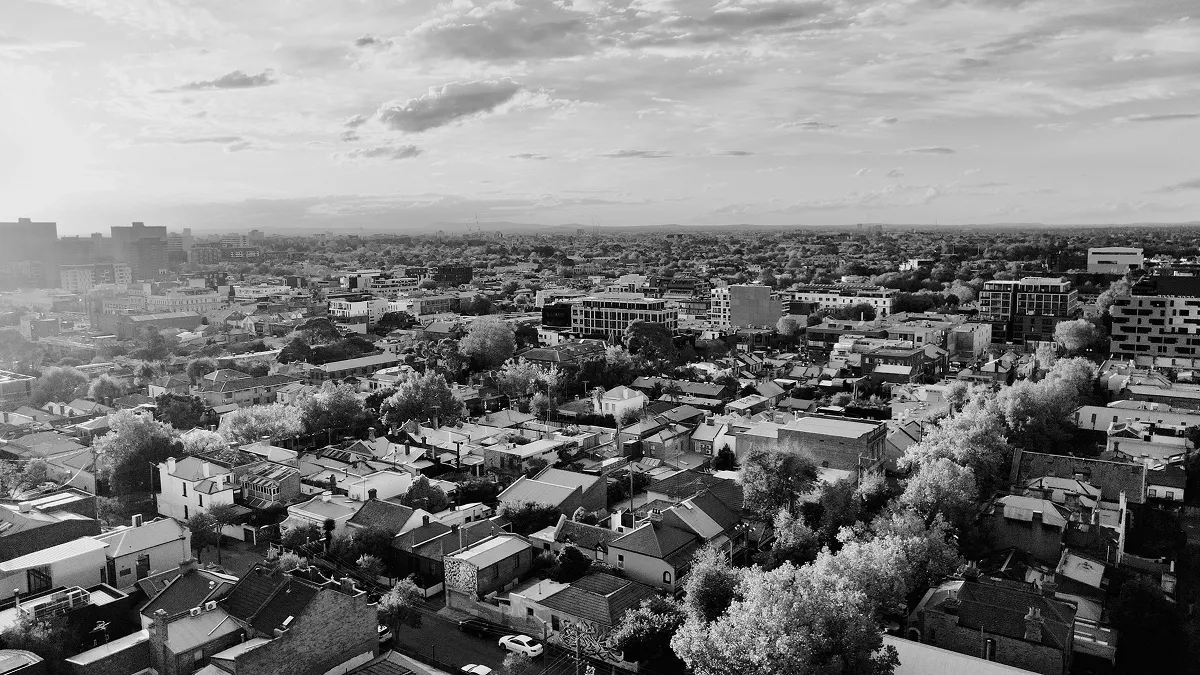
And it's a great part of the world, the inner west. super desirable for many reasons. I mean, how do you think about it?
You know, how do you, you know, obviously someone who's grown up in the inner west gets it, but you know, when someone's moving new to the area, which a lot of the buyers are, you know, they've been pushed out of say other pockets or new to Sydney from other parts of the world.
But how do you sell the inner west and how do you think about it when you break it up and the areas that you cover, how do you sort of in your mind break it up? Good question.
I mean, look, I think coming from London and being a bit of an outsider myself actually helped because I think you can find a lot of the time Sydneysiders can get very sort of stuck in their own area and don't venture out of that as much.
But coming into it as an outsider helps my clients. A lot of my clients are outsiders themselves. So just being able to give that objective advice. I mean, I think the first thing with the inner west is it's so well located geographically. I mean, I think that has to be said.
That can't be understated. And I think there's a slight westernization going on in terms of Sydney because, you know, they always talk about the geographic point now moving slightly west of Parramatta.
Certainly, I mean, I have clients where, you know, in a couple, you might have one that's working out at Parramatta and one that's working in the CBD.
and the Inner West is geographically perfect for that sort of scenario, whereas some of the other areas that people aspire to, like the eastern suburbs or Lower North Shore, might not be as geographically suitable. I think that's the first thing.
But the other thing as well, of course, is I suppose the vibrancy and the charm and the diversity and the fact that really, at the end of the day, it's a collection of different little villages, all with their own unique sort of feel and flavor,
You know, you've got the little cottages on the Balmain Peninsula, Birch Grove. You've got the large Federation homes in Haberfield. You've got the rows of terraces in Newtown. So I think there's almost something for everybody. It caters to a lot of tastes.
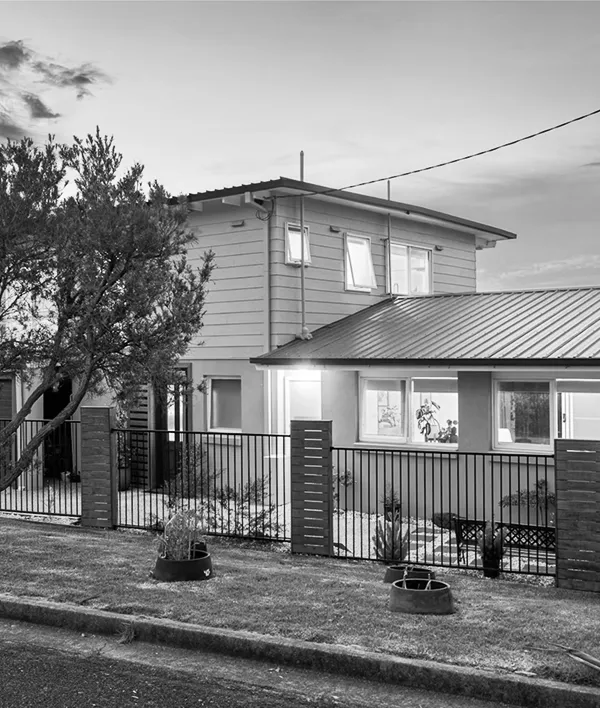
And I always think that people, they'll often pay more for properties and homes with character, with those character details and features like the high ceilings and the fireplaces. And these are aspects that are almost unique to the Inner West.
Yes, they do exist a little bit in the eastern suburbs as well, of course. But outside of the central areas in Sydney, you get that sort of charm and character that's lacking in other parts of Sydney. Yeah, absolutely.
I mean, it's so diverse and I think that's the selling point, right, is diversity and not just in terms of types of people and where their backgrounds and different socioeconomics, et cetera, and different countries around the world, but also the type of property, right?
It is a bit of a mishmash and you've got a lot going on, I feel. Let's just break it down, though, whether you sort of in your mind, we're always massive believers in area expertise and not just say suburbs, but more patches. But how do you think about your patch?
Where do you start going? Look, I try to focus on clients buying within here to sort of here and across to here. What's your patch? Good question.
I mean, I'd say sort of geographically, if you can imagine, it's anywhere sort of from Balmain and then on the other side of the harbour, well, sort of a bit lower down, more south, more south central sort of Alexandria, and then going all the way west as far as Concord and Strathfield.
I mean, that's the main patch, I suppose, and all the areas in between, you know, Newtown, Enmore, Erskineville, Leichhardt, Stanmore, Petersham. Croydon, Burwood, that's the whole spread, if you like. I don't even think I mentioned Marrickville. That's an important part of the Inner West as well.
But I think as well, Chris, it's about understanding what the client wants fundamentally. And you could replace the words Inner West with
lifestyle right it's it's about a lifestyle and it's about a particular lifestyle that people want now within that there's different levels or there's different nuances of that lifestyle within the inner west but frequently as well yes whilst i am an inner west expert i do find myself
having to take clients that really are focused on the Inner West, want the Inner West, but maybe their budget doesn't quite allow it. So we just have to go to other areas, not too far away.
I'm not talking about the other end of Sydney, but just positioning them in areas that just fall outside the Inner West, where they may still get that Inner West lifestyle. So it's about knowing really what the client wants and what lifestyle within the Inner West they're actually looking for.
Yeah, markets don't stand still, borrowing capacities don't stand still, right? And, you know, suburbs themselves just don't. You know, I mean, over the last 16 years as a BA, you would see massive gentrification in all parts of the inner west.
And, you know, what maybe was not a very low down on the list, you know, maybe back 10 years ago, would probably be sometimes they're preferential in terms of the suburb they really want to be.
I mean, do you think that's one of the biggest value adds you do is really picking that lifestyle they really want to live at the start and challenging their thinking is that you know, is that really helped you and really valuable to clients? Yeah, I think it is.
I mean, positioning the clients with the right brief for the budget is one of the most important things that I do. And it's probably sort of that hidden value aspect. It almost sounds obvious, but, you know, if a client's forever looking in the wrong place,
with the wrong budget, then Sydney ticks over often five, 7% capital growth a year on a million dollar apartment, that's 50 grand. If they burn 12 months, they've lost 50 grand. So getting the clients to be looking and focused in the right area from the outset is super important.
I mean, I had some clients last year, to give you an example,
where you know they were originally from the US so they didn't know Sydney that well they were they were Australian citizens they were living in Randwick they were renting in Randwick where they'd been for about 10 years but they really didn't know too many other areas but they knew that they wanted to buy and they they'd heard about the inner west and they thought that it might be a match so I took them out at the beginning of my searches as I run the process we do what I call a discovery date
So I drove them around a series of suburbs. But what became very clear is that they really liked the patch between Dromoyne and Five Dock, for example.
And I think it was sort of the wider streets, the tree-lined streets, the proximity to parks and water, and almost that feel, well, it's not quite Randwick, but it's as good as. and it's significantly cheaper.
So I ended up finding them a suitable property in Randwick that would have been probably at least a quarter of a million dollars cheaper than the same sort of thing in Randwick.
So, you know, there's a lot of value there in positioning the clients correctly, ultimately in terms of what they want and the lifestyle that they're looking for. I think the setting the brief, exploring the suburbs. I mean, where do people go wrong though?
I mean, Inner West, I do think it's a little bit like there's minefields and not so much at the moment because there's not a lot of density coming just due to the construction challenges in this time of the cycle that will shift. You're already starting to see changes with zoning.
particularly with what Chris Minns is driving in New South Wales. And Inner West has already had a bit of density building, but it's probably going to go next level over the next decade or two. But where do people go wrong in Inner West?
Where are the danger zones, the pockets you sort of think, I really avoid that train line or really avoid buying in this high density? What are some of the
the things that people don't know until it's sort of too late and they come back five, ten years later and go, oh, it just hasn't performed as well. And it wasn't as nice to live there as I thought it would be.
In first instance, I think there's a lot of places where there's a lot going on. There's train lines, flight paths, a lot of noise. And it might seem obvious, but people do make mistakes. It's not until you're actually living in a place and you know what it's like 24 hours of the day.
365 days of the year. And you hear a story, none of my clients I hasten to add, where they buy and they end up selling quite quickly because they say, well, it's just too noisy. It wasn't the lifestyle that they expected.
And I think that comes a little bit with the territory because as the inner west is a bit more trendy these days, there's maybe that sort of level of peer pressure. Oh, you should buy in the inner west. Oh, the inner west is great. The inner west sees good capital growth.
So I think people do rush into it without really exploring and spending time. When you're looking at a property, you should go back multiple times and different hours of the day and a night to make sure that you are happy with the noise aspects. So I think that's really important.
So there's a lot of, yeah, the obvious stuff, the roads, the flight paths, the train lines, social housing, there's even flooding issues. There's a variety of things that buyers really need to get to grips with, which you don't necessarily get in a lot of other areas in Sydney.
So having that inside knowledge really, really helps my clients. But I think as well, there's some sort of hidden traps often around access, actually. So for example, Merrick's a great suburb, but Merrickville, I often sort of describe it as really essentially in three parts.
And there's sort of a couple of pockets that are almost dead zones when it comes to public transport. They're just slightly too far from the railway line or the buses. People move there and they realize that it's a little bit inconvenient. The properties don't perform as well in terms of capital growth.
So all these are factors. Look at the suburb of Lilyfield, for example, and you've got, you've got Leichhardt Oval at the end of Mary Street. Now, Lilyfield is a grey suburb, but it's sort of divided into three different pockets.
You've sort of got the, the most desirable is probably the Roselle end of Lilyfield. Then you've got the sort of Annandale, Leichhardt pocket. which is the next most desirable and then still very desirable.
It's still Lillifield and it's still only five Ks from the city, but probably the least desirable pocket of Lillifield is actually that pocket over by Le Mans Tower, if people know it, and down by the Bay Run. Great. It's great access to the Bay Run and people do like it.
But at the end of Mary Street, you've got Leichhardt Oval. which hosts a variety of sporting fixtures. I mean, at the end of last year was actually the home ground momentarily for Sydney FC. You know, every two weeks there was a soccer game.
So, you know, they literally close the end of the street. There's thousands of fans that come, the streets closed. You know, if you're living in that street, how do you come and go during sporting events?
You know, these are all the little hidden things I think that people don't always appreciate or understand upfront when they're navigating the community. complexities of the inner West. Yeah.
And you've got just in that pocket, let's say at the West Connect, Spaghetti Junction, you've got the Metro coming, you've got a lot of density coming around the water there. There's just so much going on. I feel like you absolutely, if you really priced a property in Lilyfield,
when you did your comparable sales. You just wanted the best pocket to the poorer pocket. Your pricing could be completely out. And I think this is where the knowledge of maybe you need to just be a bit careful on this one.
This one won't sell because like you said, dead zone within a suburb or access getting out of the suburb or even access within a property. I find you are talking smaller block sizes in the inner west often and that can have positives and negatives.
It can be community living or it can be dark and hard to get access to it and hard to renovate and older buildings. And so I think there's a lot going on in the inner west. I feel like it's one of those ones where you can very quickly get a bit confused.
We're out for 16 years. I think this is personally one of the things, great, very experienced buyers, agents, the ones that stand the test of time, have with agents. How important it is
know when you go around the inner west just having those really strong relationships with agents and how does that give you a bit of a leg up than say someone who's trying to to make it and start out as a buyer's agent it's really important to have great relationships with the agents because at the end of the day you're dealing with them all the time to get access to properties i mean sometimes i feel like i'm even just negotiating to just get access to physically inspect the property you know everything's a negotiation
getting the right documents you know it's not just the contract but you might have a series of other questions so you want obviously swift access to the property itself information and then beyond that obviously you know when you get to the negotiation phase just understanding which agent that you're dealing with and their practices and and what they say and what that actually means and what they're actually doing in the back end how they're handling
the other buyers, how they're handling their vendors. And that gives my clients a tremendous advantage overall to understand where we're positioned and the best way to go about making an offer and securing the property at ultimately the lowest possible price. I think you're absolutely right.
Even just negotiating access, you're more likely to get that if they know that you're not going to stuff them around, the client's got pre-approval.
So if the client needs to make a quick deal, it's not going to set up this domino effect that often when they start giving access, all of a sudden the property's on the market when it's still not ready for the market, let's call it.
But what's Nick Vine's sort of property philosophy when you're helping clients think through a quality asset in the university? You mentioned earlier about heritage features and high ceilings and fireplaces, but the quintessential sort of things that you're trying to get for your clients.
Obviously, budget's always an issue just naturally. But what are the things you really try to focus on? I mean, it depends on the client and their brief and what they're looking for. And again, like I say, what sort of lifestyle they're after.
But I suppose if budget wasn't an issue, you'd want ultimately a freestanding period house with all the features probably traditional at the front with the timber floorboards, the high ceilings, the fireplaces, picture rails, cornices, the architraves, all that sort of stuff.
And then a modern contemporary renovation out the back with the open plan living, kitchen, dining, north-facing backyard to maximize the light. And then maybe a pool. I've probably described an idyllic family home. Of course, not all my clients are looking for family homes. I work for a lot of downsizes, actually, Chris.
And they're looking for the opposite. They're either looking for a very small house, you know, maybe a two bedroom cottage, single level, no stairs, or alternatively, an apartment. But again, buying an apartment in the inner west can be tricky.
there is a variety but I always feel like there's just never enough for the demand that's out there and downsizes you know picked on them but they've got a particular requirement they're looking for particular types of properties and there really aren't enough of them when you when you break it down when you look at the inner west but again you know I know what we're looking for and I know where to look I know how to find them and that's how I can help them I
you make a good point there around um there's a mismatch of apartments in the west it's one of those the thing that's pushing up all ships at the moment because building prices are going up and there's just first-time bar incentives the investors and you know it's sort of i feel like you know there's a lot of um ships that probably shouldn't be rising at the pace they are just because there's a real lack of supply and that supply is not going to increase really when you think about it but um
You are going to potentially see it come at some point in the future. And some buildings are going to age nicely and hold their value. And 10 years time, they're pretty much exactly the same. Super desirable. Some buildings are going to just not stand the test of time, I would say.
But you may run downsizes. They're a really interesting demographic and a growing demographic driving property prices, and they are way more knowledgeable than a lot of new even upgraders and first home buyers. They've just almost lived a long time in properties. They know what they like.
They know the properties they hated living in, whether it was damp or mold or aspect or noise. They've got a lot of war stories and they go, hang on a second. This is where I'm going to age in place.
I really want to make sure it's going to be something I'm going to love to live in. And so if you can get a property they absolutely love, it's a really good strong and they've got cash. That's the other thing they're moving.
And so you've made obviously knowing what they really want, not working with them is actually really valuable when you're advising investors or you're advising first time buyers that are looking for properties that would sell well in the future.
Look, I mean, Nick, what I find is you mentioned at the start, people know what buyers agents are. I don't think they know what the value is personally. I think it's one of those things you have to go experience. It feels intangible.
What do you think some of the, when you get to the end of the journey there, hopefully if you get the Google review, even though you should get it, sometimes people don't complete them. But when they put on some notes there and say, Nick was amazing. He really surprised us.
What were some of the things that people get? They weren't expecting that to be the value. Yeah, look, there's the obvious and the saving of money. I mean, I've had clients where I had one recently in Newtown where we made an offer, but it was actually 10 grand less than the other buyer.
But ultimately the vendor wanted to go with us because they prefer dealing with us. We were a better buyer to deal with. The vendor, I guess, had more confidence dealing with, you know,
a professional buyer's agent, obviously he had a selling agent, but that I'd positioned the clients in the right way to be able to secure the property. So I think in that sense, the value can very often be the financial side of things,
But leading on from that is actually positioning the clients in the best way possible to set everything up, to do your due diligence as quickly as possible, to have the legal advice, to have the building inspection report, the strata report, whatever's needed.
to be able to act more swiftly and decisively than other buyers, which are ultimately your competition in the marketplace. So I think that's a really important aspect, you know, giving the client the opportunity to make an offer ahead of the other buyers by saving them time.
And in saving them time, that can ultimately save a lot of money. But I think the other thing as well is where, you know, you mentioned it in your question there about the hidden value.
I think it goes back to really setting up the correct brief in the first instance, because if a client's got a particular budget and they've got a particular property in mind in a particular suburb, but it's just not going to work,
their budget just isn't going to cover it, then it's about taking them to an alternative suburb to give them the same sort of lifestyle that they're looking for. Ultimately, you want to give them the best outcome and exactly what they're looking for. But it might be a quarter of a million dollars cheaper.
And thereby, there's a huge financial saving there in terms of positioning them correctly and making sure that there's an alignment in terms of their brief and budget and overall outcome in terms of where they need to be and where they want to be in terms of their lifestyle.
Nick, there's been a proliferation of buyer's agents coming into the market over the last few years. And I think that's just naturally is that markets mature, people get more understanding as a job.
How do you feel like when you look at your own sort of journey, how do you feel like you're a much better buyer's agent after 16 years?
than you were, say, 5, 10, 15 years ago. I feel like it's a job that takes a long time to learn to get really good at. What are some of the challenges for new to industry buyers agents and why that really helps the very experienced ones?
The inherent everyday property knowledge, this is what I do day in, day out for a living. You're acquiring that insight into areas, suburbs, properties, agents, and also people's reactions to properties over the years and how well properties have performed over the years to know what the trends are.
So that deep insider property knowledge you know, just really grows and grows, you know, when you've got sort of, I suppose, 10 years plus. But, you know, I've obviously been working, you know, 16 years. I think I've known you for 15 years, Chris. And just having that experience really helps.
But also, it's that lifestyle or that life experience. You know, I've got three kids. You know, they're growing. One is in high school. The next one's starting high school this year.
and just having that life experience and understanding of people a lot better than I would have as a younger guy, having a wife and experiences with other people at a much deeper level.
And I think I'm able to advise my clients much more appropriately in terms of what it is that they're looking for and what they want to achieve by the end of the process.
So I guess you get to a point where you stop sort of taking orders and just sort of, yep, you want one of those properties? Yep, I'll go and find you one of those.
But you actually go beyond that and you start giving them advice about what it is that you think that they should be considering. Maybe things that they haven't considered, but would you consider this? Or what do you think about this? So all those conversations, they're just that much deeper.
You get that depth that you acquire through many more years of experience. I do like how you also interlinked that with your personal life.
And I do think that is something that can be forgotten about, particularly when you're a bit younger, whether you're single, I can see this with a lot of buyer's agents at the moment, unfortunately. And it's not their fault.
I'm not here throwing grenades around, but often they haven't got themselves to that sort of life stage of coupling up.
Maybe they're getting engaged or they're married or they haven't got to the baby stage and the baby stage teaches you a few things and then the toddler stage and then maybe the two kids teaches you something. the issues with schools and kindies and actually what actually is good to live in.
I think once you start going through that, you start realizing, God, you had no idea before. And if you can also help and also clients also don't have an idea. I mean, I was on a call with a client last night or yesterday afternoon and
they're coupled up, they're thinking about having a baby and they want to live in this really high rise apartment. And it's so far beyond where their thinking is. But I can already see that it's going to be an issue very, very soon. And I do think that makes a huge difference.
And knowing all the schools and all the issues with kidneys and and helping your clients think that through is really valuable. And I don't think people should miss that. And I think you're right.
If you're looking at properties every single day, let's say, even when you're on holidays, Nick, I'm sure you're on domain and real estate, which you shouldn't be. And you've been doing that for 16 years. You can see easily how some properties, oh, that's back on the market again.
There's a lot of properties always selling on that road. You just get to know things that you see the patterns and the patterns don't really exist when you're new to the market. And speed is everything, right? Understanding how a market is and what's good and what's not.
Is that some of one of the things you see is that you can really assess properties as soon as you get given an address, you know whether this is a go or not, or at least something to consider. Oh, Chris, I mean, that saves a client a huge amount of time.
I mean, you know, in the early stages, you know, you can give me a brief, you know, three bedroom house in the inner west, a couple of hundred properties might pop up. In fact, it's probably less right now.
We obviously came here at the start of the year and also there's a shortage of houses. But, you know, I could rifle through a list of, say, 200 properties and pick you out five good ones just through my inherent knowledge of the areas and the streets. What's a good street?
What are the pockets to avoid? And condense it so quickly. And then, you know, working on this, you know, day in, day out. I work six days a week. Saturday is obviously a busy day.
But out of those five properties that I've shortlisted, I could probably get through at least half of those today in speaking to the agents and negotiating access, which I referred to earlier. And then by the weekend, I've already inspected those five properties and can tell my clients everything about them.
I usually send them videos. So they're really well positioned and we might rule all five of them out and then we can start again. But the process becomes so much more efficient. We're just saving time all the time.
And by the end of the process, look, most of my clients buy within one to three months. If they're not using my services, I mean, it's very common that buyers take
know easily a year sometimes clients have been looking for two years before they come and speak to me i've had clients in the past who've been looking for properties for over 10 years before ever buying a property and can you imagine the amount of capital growth that they've missed out in that time so sometimes i sort of think well how can people afford not to use a buyer's agent to really get them ahead particularly in an area like the inner west it's just so competitive
They are paying for those ones, the ones that have been looking for a long time. And there's usually reasons for it. The market, they sold out, they put the money in the bank, and then the market started moving. They didn't meet the market.
Or they just keep on missing out and they lose interest and life takes over. And it is a real painful thing. I think that is one of the biggest values of buyers agencies when you are serious.
and you're sort of ready to go is the chance of actually success and actually doing it actually goes up dramatically. You've got skin in the game, you're committed, you've got someone who's not going to let you.
And if you feel like you need that in itself can be a real value add to a lot of people who are apprehensive on scared of making a big mistake. Or the other way around, the trigger happy client, which you also see Nick, they engage you, they're ready to go.
Particularly a lot of investors take this approach. They completely rush it. And you have to say, hang on, hold your horses. You know, that is not the one to be going for. And you have to basically tell them to be patient. And that's a hard thing as well.
But I think experience gives you that. It's always great to chat to you, Nick. I've worked with you for many years. Always comfortable to refer any clients to work with you. And we know that we know you know the inner west and it's always good to chat.
Thanks so much, Nick, and appreciate coming on. Thanks, Chris.
Thanks so much for listening today. We hope you got lots of value out of it. If you'd like to speak to our guests today, there's links in the show notes on how you can get in contact.
And if you're buying your first home, upgrading, renovating, or need any finance-related queries, obviously we'd love to help. There's links in the show notes to us as a mortgage broker, and we look forward to next week's episode.