Melinda Jennisonland and location matters most. That doesn't mean house on land. That means land and location. And the reason for that diversification in asset type is simply because not all land is created equal, as we've talked about. And I believe that the long-term drivers of property come from the location that property sits within.
Our motto is buy without regrets. If you can buy a property that will serve you for 10 years as opposed to three years, that will serve you well. That's something... Buying a great property today, that's not just what it's about.
It's also getting something that could be ripe for improvement when the time is right for that investor or for the next buyer. You think about, right, lifestyle, what's important to you? How do you get to work? What do you need for your family? What amenities like parks and shops?
Then you look at the budget.
Chris BatesWelcome to Street Secrets. I'm Chris Bates and my mortgage broker is 2013.
And in this podcast, we're going to be interviewing Australia's leading buyer's agents, ones with decades of experience, have the local insider knowledge on the street, and can really help you with your buying process, no matter whether you're a first home buyer, upgrade or investor.
In this podcast, you'll get access to Australia's leading buyer's agents' minds every week on a Thursday. What's the word on the street?
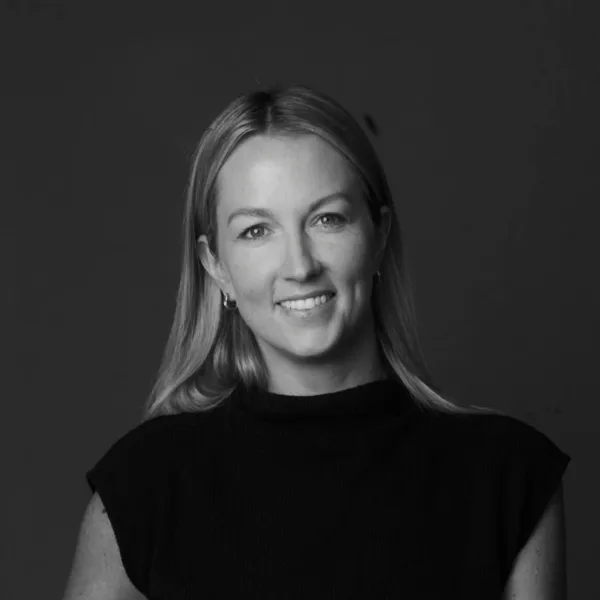
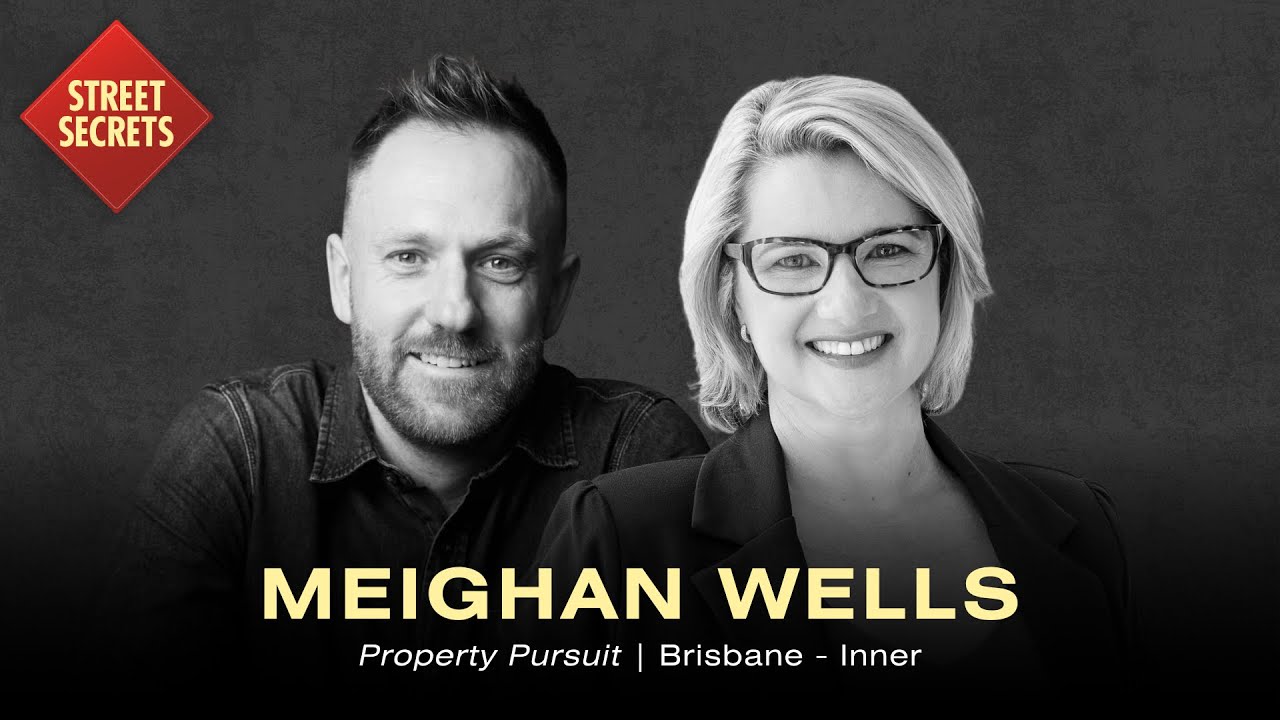
Welcome to Street Stickers. I'm Chris Bates. In the studio today, I've got Melinda Jennison. I've known Melinda for quite a while now, ex-president of RIBA, the Buyers Agency Association. Also been a buyer's agent for a long time up in the Brisbane market and super pleased to be chatting to her today. Hi, Melinda.
Melinda JennisonI'm so well, Chris. How are you? And you're already making me feel older because I'm still the current president this year of the Real Estate Buyers Agents Association of Australia, so I still hold that title.
Chris BatesThat's true. That is true. So absolutely. And REBA is a great organization or association and I've worked with lots of members of REBA and you're doing a great job.
Really positioning it as a trusted association in the buyer's agency world, because we all know that there's a lot going on, a lot of new entrants into the industry, but that's not what today's chat's about. For people who don't know you and your business, when did you start?
What were you doing prior to being a buyer's agent? I think it's really valuable to sort of understand because all buyer's agents come in from different avenues.
Melinda JennisonCertainly we do. So I grew up in a family where property investment was at the core of everything that we did. So I spent a lot of time as a young teenager helping my dad go and collect rents.
In those days it was all paid by cash and you'd pick it up on a Friday night in an envelope. So I always understood that to get ahead in life you needed to actually invest and that was always my philosophy. When I moved out of home I never rented.
I was fortunate enough that I'd saved a deposit to be able to purchase my first home with my now husband.
And we spent money updating that home, renovating that home to add equity fairly quickly, which helped us then to jump into our next home, which is still the current home that we live in. I've always been a property investor. My husband, Scott, is a licensed builder.
So the skillset that we had enabled us to invest not only in residential assets, not only add value to those assets, but also in commercial assets throughout Brisbane. I have an academic background, so I'm very data heavy, if you like, when it comes to analyzing property markets and Scott brings the building knowledge.
So we ran a construction company for nearly 15 years here in Brisbane. We also did our own property developments And we're at a time where we're looking for a change, a little shift in what we were doing.
And we were fortunate enough that our property portfolio allowed us to take 12 months out to try and make this work as a buyer's agent role in Brisbane. Now, prior to starting out on our own, I did work for another brand here in Brisbane to learn some of
the tricks and some of the scope associated with being a buyer's agent. But I felt that there was a better way to do it. And Streamlined Property Buyers was founded in 2018. And it's been a story of satisfaction since. Let's just say we absolutely love what we do.
Chris BatesYeah. So it's interesting. You talk around sort of the development and sort of manufacturing sort of growth and equity.
And we've spoken about that in past sort of episodes around sort of the Perth market when it was really tough over there, that the way to sort of, you know, still make gains in that market was that, but it's a really different way of looking at things, not only buying good assets, but also having that experience, not just from the constructing it, but you know,
actually doing your own development, you know, is there's nothing beats actually going through the process.
Do you do that much with clients now, or is it typically just sort of buying and holding and, you know, within the Brisbane market, or do you still do a lot of work sort of helping clients around sort of managing their own developments?
Melinda JennisonSo we're really fortunate that we have built a team and the combined skillset that we have enables us to focus on many different types of clients, but in a very specific geographical location.
So we are Brisbane market specialists, always have been, and we've never purchased outside of the market that we know so intricately.
we help home buyers we help property investors and when we talk about property investors there's so many scales of what does a property investor look like because an entry-level property investor the first property that you buy obviously the most important asset that goes into the portfolio they'll have a very different brief and a very different set of requirements compared to what we would consider a very sophisticated investor who may have a much higher risk appetite they may also have
stronger budgets to work with. And we are still able to assist clients like that in more specialised property investing, such as armchair development. Yes, we do actually assist some clients to manufacture equity in the properties that we assist them to purchase. And we also assist buyers to purchase commercial properties.
That was the experience that we gained as commercial and industrial builders for many, many years.
Chris BatesI've known Frank for a long time, Frank Russell on the podcast very early on. He's based in Sydney, eastern suburbs, and he came from a building background.
Similar to sort of Scott and, you know, working with clients over the years, I've seen sort of that really had a lot of value in just helping because markets move fast, right? And sometimes you're not buying the fully renovated place that's been very organized.
and restructured and it's ready to go like that's just often a out of budget and b super hot in the marketplace and very hard to sort of secure and so you know often you have to get a little bit sort of tricky and sort of be a bit innovative in terms of how you think about it so does scott sort of you know allow your clients to sort of make a bit better decision there around what's the properties more likely you know going to have better renovation potential and some that are better not pursued just due to their building quality
Melinda JennisonYeah, I mean, absolutely. That's a real benefit of when people partner with us. A lot of people want to renovate. They want to add value or upgrade kitchens, bathrooms. In Queensland, it's out of back deck. But the cost of these types of works is often the
piece of the puzzle that's quite unknown people underestimate the cost of construction consistently but additionally they also underestimate the costs associated with relocation during that period of time when we are assisting clients if they're looking to add value to a property or if they're even purchasing
a home or investment, it's irrelevant the type of asset. If they're looking to add value, we can help to quantify what that cost will be. And for a lot of people, it needs to be a staged approach.
They can purchase the asset upfront and then they'll look to do the renovation down the track. But for those that have a limited budget now and intend to purchase immediately after rather intend to renovate immediately after purchase, it's really important that you've locked in the cost of construction.
And over the last five years that's escalated so rapidly as well. So it's good for clients to have that insight upfront before they buy.
Chris BatesYeah, absolutely. I think the danger, particularly if you're a Whether you're a first time buyer or an upgrade or even investor, like I guess buying a property and really going in maybe with rose colored glasses and thinking, hang on a sec, I can just fix it up.
And you can really get yourself in a bit of a money pit really sometimes where you're paying a lot of money on sunk costs that aren't adding any value because maybe you just rush that sort of purchase around sort of the building inspection. I mean, let's talk a bit more about Brisbane.
I love that you're a local specialist. You know, that's one of the big things about what this podcast is sort of trying to highlight is the benefit of just working with people who have been working in a market and really know that market intrinsically. But the Brisbane's changed a lot, right?
Over the last sort of 15, 20 years that you've been working within it, and it's going to change a lot in the coming years. So what's your sort of take on, you know, the story of Brisbane and where it's going to go?
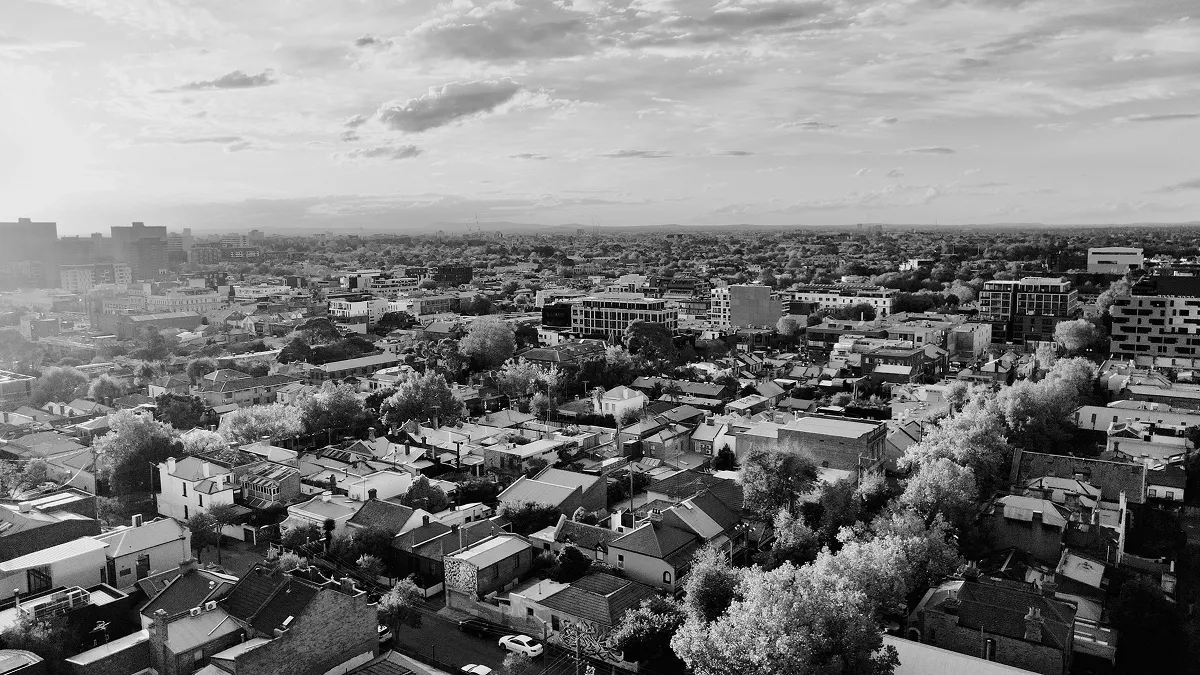
Melinda JennisonI love talking about Brisbane. So I am a Brisbane girl born and bred. So I've been living in Brisbane for nearly 50 years. I know that's giving away my age, but I know as I was growing up, Brisbane was a country town.
Everyone would jump in their car, drive to wherever they needed to be. And there was no issue with traffic congestion. We were a very low density city. And I think the
biggest difference between Brisbane and the likes of Sydney and Melbourne is that our development scale is well behind in terms of the density. However, we do have a city planning scheme that provides for much higher density. It's just not here yet. And so I think that's a critical
difference between Brisbane and other capital cities on the east coast of Australia. And often when we're representing clients from Sydney and Melbourne, they don't understand that we are still growing up as a city and therefore we need to be really mindful of where future development is likely to come.
Just recently, off the back of COVID, Brisbane's seen significant growth and there was quite a price gap difference between median values between Brisbane and the likes of Sydney and Melbourne.
Now, that gap has closed a lot because Brisbane's had growth in excess of 85% over the last five years, which is really strong growth. And that's occurred in both segments of the house market and the unit market here in Brisbane. And where Brisbane differs is that
More recently, our unit market, our attached dwelling market, has actually been outperforming our single dwelling market.
Now, that's not consistent with the national trend whereby houses are outperforming units, but there is a reason for that here in Brisbane based on the fundamentals of supply and demand right now, which I'm happy to go into.
Chris BatesYeah, it's interesting you talk about the unit market. I mean, let's talk about the, I guess, how Brisbane will sort of evolve really around density, because I do think it's a big issue that, you know, we're starting to see, you know, particularly in Sydney.
Melbourne's probably the next cub off the rank, just because it hasn't had the price growth down there, hasn't created the fear of missing out.
know that just has had a pretty bad run the last five years but in sydney it's it's the densification is you know on turbocharged right now i think it's sort of like you know the canary in the coal mine of what will happen in brisbane in time so what's this sort of densification i mean obviously there was always a lot of high density apartments in brisbane and you know building greenfield estates down towards zip switch or down towards gold coast or up down towards sunshine coast but how do you see it evolving over say next five to sort of 15 years
Melinda JennisonI think the thing about Brisbane is we are such a widespread geographical location. And when we look at data for Brisbane, it typically is data for Greater Brisbane, and it includes more than 10,000 square kilometres of real estate.
Now, it's basically everything in South East Queensland except for the Gold Coast and the Sunshine Coast. So it's this huge area. Now, when we talk about what's happening in Brisbane, I think it's really important to define, are we talking about
the Brisbane City Council region or are we talking about Greater Brisbane because they're two very distinct and different things. 75% of South East Queensland's future land supply is coming from two council regions and those regions are the Logan Shire region and the Ipswich Shire Council region.
Now, what that simply means is that these are the areas that have the most developable land in the future.
And when we look at the Shaping South East Queensland, which is our regional planning scheme for South East Queensland, it tells us that the majority of new dwellings that are coming through to Logan and Ipswich will be single dwellings.
They will be homes that are built on a single block of land because that is where the land is located. Now, of course, People have to understand well what does this mean because for prices to escalate in any market you need to have a shortage of supply and really strong and increasing demand.
So if we've got this huge volume of new stock potentially able to be built into the future it may mean that we're going to have more supply coming into certain regions but not necessarily within all of Greater Brisbane. So that's definitely where the majority of new supply is coming in terms of housing.
Chris BatesIt was always sort of made sense, right? Like, you know, it's the fringes, there's all these farms, they can just cut them up and build houses. But I think the COVID boom up is just, they haven't been able to build them fast enough.
And there's a lot of competing of resources with governments and with the Olympics and, you know, trying to build commercial and, you know, roads and, you know, a lot of development. And I think they're just the housing supply or dwellings just getting built up there just haven't matched the demand.
And you've seen big price increases, not just within what you would call the more scarce assets, but even down there. And unfortunately, though, as prices go up, though, it makes project feasibility sort of easier down there, right?
And so because people go, well, if I'm going to pay 700 or 800 for an old one, I could buy a new one for the same price.
Is that sort of your concern, I guess, for the, what you would typically call Greenfield estates is that there really is no lack of supply within those sort of council regions just because of the amount of land available.
Melinda JennisonYeah, there is an abundance of land. And I think the important point to make is the land value per square metre is very different in some of these areas compared to inner city locations where there's such a scarcity of land.
And I know when we're talking to property investors, some of the things that we need to teach are based around those fundamentals. Not every square metre of land is valued in the same way.
And so it's not just about the size of the land that you own, but it's about the location of the land and the land and the value of the land. That's what makes the biggest difference because a land to asset ratio is not based on the land size.
It's based on the land value. The other thing about new housing is that over the last five years, the cost to build has escalated so rapidly. And you mentioned Greenfield Estates house and land packages back in 2020. And I've got a
Queensland, Greenfield land averaged $500,000 for a house and land package. By 2023, that had escalated to $830,000. So that's an increase of $330,000. But in Brisbane,
Out of that cost, there's a huge component that's made up of taxes, GST, government fees effectively. In 2019, $169,000 of the total value was made up in taxes that went to the government. By 2025, that had increased to $348,000. That's a 106% increase in costs alone.
Whilst we've got the federal government that have this housing accord with targets to build more homes, that's a really profitable thing for them when we can see just how much they're incentivised in terms of increasing taxes to build these new homes as well. So, you know, we need more homes.
We are behind the targets that have been set from a national scale. And yet we've had this huge population surge, largely interstate migration off the back of COVID and that is still elevated at a point beyond our long term average.
So we need to build more homes, but there are a lot of roadblocks to do so because construction has escalated, taxes have escalated and overall project costs have really skyrocketed. As you've rightly pointed out, it makes a lot of projects not feasible.
And that's especially the case when we're looking at medium and high density developments. They really don't stack up at the moment.
Chris BatesSo, yeah, I think you've highlighted a really good point around sort of the HIA report and, you know, I guess the government sort of incentive to push people to the housing and construction industry and the amount of money they make on it.
But I think that problem's got a lot worse over the last few years just due to amount of taxes and, you know, also building prices. And, you know, we've obviously got a housing affordability challenge. So I think that's obviously a big conversation coming into 2026.
But if we think about Brisbane as a broader city, you mentioned around high density apartments are really hard to sort of get off the ground just due to the feasibility for developers. And so typically in the past, Brisbane would just flood the market with lots of apartments, but that isn't really happening.
And even if they are building new apartments, there's sort of a different style, right? I guess they're building versus the smaller high density apartments. Do you see the shift that Brisbane's making? It's moving to, you know, they are building, but they're building more for owner occupiers.
And you're not going to see the typical issues with oversupply that we have seen in previous times in Brisbane.
Melinda JennisonYeah that's right so the oversupply that you referred to came off the back of a change to our city planning scheme which happened in 2014 and a lot of previously zoned industrial land was rezoned as high density or medium density residential land so all of a sudden developers came in and they built a lot of high density stock and the issue that we had then was we did not have the demand to actually fulfill the number of properties that were being completed at that time so
Because we had an oversupply that came in, that put downward pressure on prices and it was a very bad investment for people to be buying off the plan because quite often there was settlement risk in that the properties actually did not value up at purchase price by the time they had actually settled, which was the completion of construction.
And that had a run on effect across all segments of the inner city and middle ring markets of Brisbane, simply because we had too many dwellings and not enough people to fill them. That's all changed, completely changed since COVID.
our vacancy rate has been sitting consistently at or below 1% across all of Greater Brisbane. There's some locations in Brisbane where our vacancy rate currently sits below 0.5%. There's simply nothing to rent. And we've got really strong upward pressure on rents because of this.
So right now we need more dwellings, especially in inner and middle ring locations, but it's just not feasible for developers to be building them.
The big concern that Brisbane has as a city as well is that we have this big event coming, the 2032 Olympic Games, and we have so much infrastructure that needs to be built because of the Olympic Games.
So what is likely to happen is that construction workers will be lured to big government project jobs because we need to build this stuff. And that's going to have a further run on effect in residential housing and constructing the dwellings that we need at a time where we already have an undersupply.
So this is a structural shift for Brisbane. this fundamental imbalance between supply and demand is not likely to rebalance anytime soon. And what we will find is because of that, where people can afford to continue to pay more for property, they will continue to do so.
And we will see those areas where people have higher incomes continue to escalate in value simply because there is such a shortage of supply across the city.
Chris BatesThe Brisbane market's so different to, say, a Sydney or a Melbourne. I think Brisbane's got a lot of the interstate migration benefits. As people get forced out of, say, a Sydney, they naturally want to stay on the East Coast.
And Brisbane's obviously still got great work prospects that are probably getting better every year as the city sort of evolves and gentrifies, I guess. But you've also got a lot of people moving back from overseas who are priced out of
say the Sydney market and you know a lot of people who have grown up there that have moved down to Sydney but now they get to the family stage and they're returning so that sort of brain drain a probably less likely to happen and b people still want to come back to Brisbane because it's a desirable city and it's evolved a lot it's not so much a sleepy town it's got a lot going on so is that sort of the way you read the Brisbane market in terms of you know maturing as a sort of a more premium market alongside sort of Sydney Melbourne and you know isn't sort of got those brain drain issues they had in the past
Melinda JennisonYeah, absolutely. And, you know, we can always look at the data and say, well, Brisbane's unaffordable for locals in many areas across the city. But you've pointed out a really important point there, Chris. It's not just locals buying in Brisbane. We have expats coming from overseas. We have people relocating from interstate.
We have investors buying into southeast Queensland. So it's not just local buyers. And I think when we're looking at local median incomes and saying, well, hey, locals can't afford to buy here.
I know based on the conversations that I'm having with people at lineups for quality properties, there's a whole host of locals that can afford to buy properties in Brisbane. And these are high end homes. These are entry level units. It is across the board in some locations.
So even when we're looking at median values, it doesn't necessarily take into account that there's many people that sit well above the median in terms of the income that they're generating. as is the case with property values.
There's many properties that are well above that median value for a suburb or for a city. So I think it's very important to understand the nuances of property. Data's great.
And I, you know, openly admitted that I come from an academic background, so I really understand the nuances of analysing data, but nothing beats being at a property, being in a neighbourhood, turning up to understand who are the buyers, where are they coming from, and having conversations with them to see, well,
What brings you here to Brisbane? What brings you to this neighborhood? That's the local knowledge that only local buyers agents would have.
Chris BatesYeah, I think the whole median sort of price with the median income isn't really, it's assuming that the buyer out there is the median.
And unfortunately, when you look at all the stats and we see it from a lending point of view is that the people most active in any market, it's usually people who are doing well financially. I mean, that's usually people
A, they're starting out in their careers, hence why they're making property decisions, you know, so that's already, but then it's already secondly tilt to a much higher percentage of the higher incomes of transacting.
I think the Brisbane market, you know, yes, if it's forced people out from upgrading because they are locals, then they may not upgrade, but they're not selling the property, they're not leaving Brisbane.
And so I think what you've seen in, you know, maybe over the last 15 years, can you just sort of talk through just how much
tighter and harder it is to buy a property in 2025 versus, you know, say 5, 10, 15 years ago when there was a lot more listings on the market, a lot more transactions. It feels like the market's really frozen up there. It's really few people are transacting and actually upgrading.
And so supply is just likely to stay really tight.
Melinda Jennison100%. And when we look at listing volumes in Brisbane, our typical long-term tenure average is anywhere between about 27,000 and 30,000 listings across all of Greater Brisbane. Now, for perspective, right now in Brisbane, listing volumes are sitting at or around $16,000 to $17,000, sorry,
not dollars, 17,000 listings. So we're nearly half of the long term average. So what that means is we've got half the number of properties that are available for sale compared to what we had five, ten years ago.
And yet at the same time, we've got a whole lot of new property buyers that have entered the market that are looking to purchase. So as you pointed out, interstate migrants, we've got local buyers that are upsizing. We've got first home buyers that have come into the market.
off the back of some more recent incentives. We've got people that have relocated back, especially expats from overseas off the back of COVID looking for that grounding and lifestyle change. So demand has escalated.
And since COVID, but for a few short months when interest rates were rising back in 2022, we've had a very strong seller's market in Brisbane. And what that means is we've had a lot more buyers than we have had sellers. And because of that, competition is high for quality properties.
And I always laugh and smile when I see or hear people saying, oh, I negotiated a bargain on this property. And I'm like, how? If no one else is lining up to actually purchase that property, what have you purchased?
Because everything that we've purchased for off market or exclusive pre-markets has been highly competitive in Brisbane for many years now. So quality properties attract a high volume of buyers. And that means you do have to compete to buy.
Chris BatesYeah, I mean, absolutely. I think the buying on the market, buying a bargain, you know, that's obviously not usually a good sign. It shows the property is not that desirable. And when it is a seller's market and the market's really hot, there's a reason for that.
And, you know, even average property is probably still competitive because people have so much FOMO and people have missed out and there's a lot of, you know, wounded bulls, you call them.
But I mean, you know, what's the Melinda Jenison sort of, you know, when you're thinking about the way that your property philosophy is and the way that you think about
helping your clients around, you know, buying good assets, things that not only are great to live in, but also are going to perform for them really well when they sell them one day. Like, what's some of the, when you think about the Brisbane market, you're always sort of looking to try to achieve?
Melinda JennisonYeah, look, for me, 100% of the time, it's land and location matters most. That doesn't mean house on land. That means land and location. And within... My personal portfolio, I have a mix of houses, commercial, and I also have three units that were purchased a few years ago as well.
And the reason for that diversification in asset type is simply because not all land is created equal, as we've talked about. And I believe that the long-term drivers of
property come from the location that property sits within and because you can manufacture equity you can add value you can renovate you can extend you have the ability to create something more if you've actually got the land and location right so when we're assisting investors now it really is about securing the best asset that their money can buy based on the location of that asset of course for some buyers we must consider whether they have a certain yield requirement so then the house or the dwelling itself becomes
a little more important and again we're always considering the buyer's risk appetite because we're not going to assume that our risk appetite is aligned with what our client's risk appetite is so i guess we're really trying to take a deep dive into our clients own circumstances we want to understand what they're trying to achieve and then we will buy the best asset that their budget can buy based on what their needs and requirements are but typically it comes down to selecting location first
Chris BatesAnd that's not a suburb, right? That's not a part of a suburb. It's also like certain streets within that part of the suburb, even sides of the street or parts of the street. And that's the way I look at it as well is, right, you know, you can't change the land, right?
And the land, if it's super scarce, that's ideally what you're trying to achieve, right? Obviously, then you factor in, like you say, around what someone's cash flow and the quality of the dwelling and how much risk it is in terms of renovation and you know, resources you need.
But, you know, having that, I guess, real clear focus that what matters the most is the quality of the land and how scarce it is. And how's that land going to change in desirability over time? I think that's very aligned to the way that I look at it.
But the Brisbane market's changing from an agent point of view. And there's a lot of buyer's agents that go up there as investment specialists. I mean, that's one of the good things about the Southeast Queensland market, to be honest, is that it's always been a natural first or second choice for investors.
It's like, oh, I can't afford Sydney or Melbourne. Oh, let's just buy on the Southeast Queensland. And so it's just that sort of mental accounting, that sort of the bias towards investing in Southeast Queensland. But I mean, how do you sort of find it working with agents?
Because agents, you've been doing it for so long, right? How are you sort of making sure that you maintain those relationships and also get a bit of a you know, a leg up in terms of the negotiation by being a, you know, a very experienced buyer's agent.
Melinda JennisonRelationships with agents are the cornerstone of a successful buyer's agent business, in my opinion. You need to actually rely on agents to find the properties that you're going to buy. Our job is to not go and door knocking, you know, thousands of properties in Brisbane to find properties for clients.
Our job is to leverage the agent's ability to do that. So if I've got relationships with 50 agents personally who are going to door knock for me, then I've got much higher leverage to be able to find the right asset for my client. We are buyer's agents that go out every single Saturday.
Whether we're inspecting for our clients, bidding at auction for our clients or not, We are still out because what we are doing is monitoring the market. We're turning up to see how many people are turning up for similar asset types in the locations that we're buying.
We're monitoring demand at auction and what's actually passing in, what's selling, how many registered bidders there are at specific auctions. It's very hard to get that data without turning up. Auction clearance rates are not necessarily representative of what's actually happening.
And so at those times, that's the best time to develop relationships with agents because you're actually, you're supporting them at their auctions. You're communicating with them about the properties that they're selling.
You're providing them with useful feedback that they can actually circle back to their vendor to enable them to help their vendor to meet the market. as well.
So we do have that sort of relationship with so many agents across Brisbane where I'll have agents ring me and say, Melinda, I'm a bit stuck with this property. I'm just about to go and do a listing presentation, but where would you put the value?
And I'm absolutely 100% comfortable to help agents to provide them with my insights as well, because we're trying to work collaboratively with agents. They represent vendors.
Chris Bateswe represent buyers and when it comes to negotiating we will do everything to get the best price for our buyer our client but it's about building relationships and we do a number of things to assist them to ensure that we're top of mind when they have those pre-markets come up yeah absolutely i do think there's a real partnership i think the best buyers agents understand that they're not trying to work against them they're working with them and that doesn't mean you're getting your clients to buy any properties off your mate he's a real estate agent but it's just being a trusted source of information and someone who they know is going to
be a bit of a straight shooter. They're not going to waste their time when they get a client. And I do think time builds trust. And I think that's one of the challenges of new buyers agencies. It takes years, particularly if you're not buying within a certain speciality of a location.
The agents just don't know whether you're going to be here in a few years, let alone whether they can trust you with their most precious thing, which is their listings.
I mean, if you think about the value and all the clients you worked with over the years, some of the intangibles where, you know, sometimes people don't expect it and they get to the end of the, you know, they're finally purchased, they've settled, they've moved in and they reflect on, you know, working with you.
What are some of the things that you, you know, self buyers, you know, clients are surprised by and they go, I wasn't expecting that to be the biggest, you know, the game changer for us or the thing that made us the most difference. What were some of the more intangible things?
Melinda JennisonI think that for a lot of buyers, they don't know what they don't know and the depth of due diligence that a team like ours go into before someone purchases, I think that can be eye-opening for a lot of the clients that do partner with us.
There's some very obvious due diligence checks that any buyer's agent would be able to do, especially in Brisbane. They're things like flood maps. main roads, other impacts such as noise, etc. However, we take a much deeper dive.
We want to know whether the property that's being purchased is going to be negatively impacted by future development. We're able to provide really specific guidance in terms of what's happening in the neighbourhood, how that neighbourhood might be transforming in the future.
Because we're locals, we know which coffee shops are closing, which ones, you know, are opening. People buy for a lifestyle. And if that lifestyle is about to end because you're a local and you actually know that that coffee shop's closing, you need to actually inform your client about that.
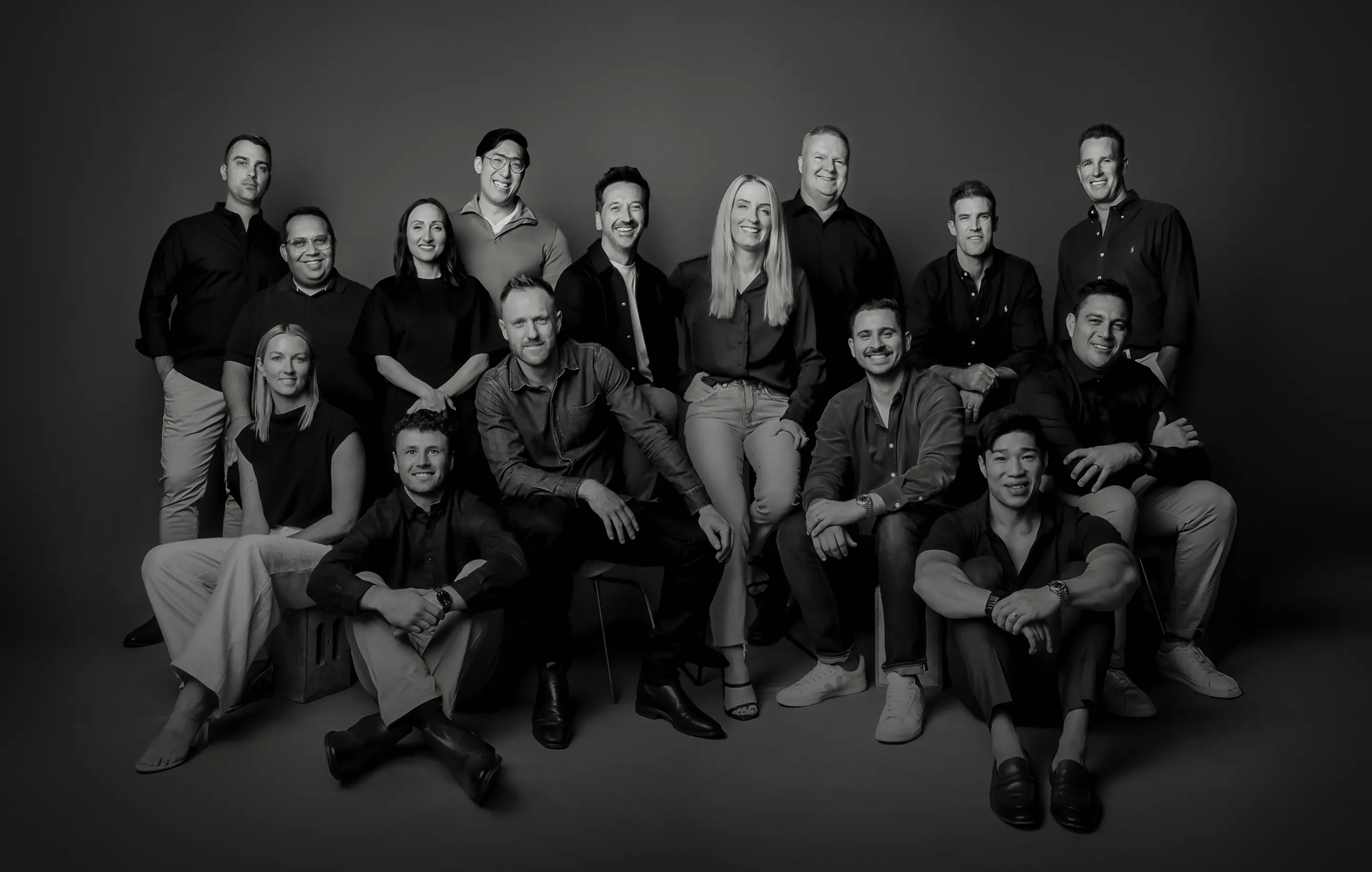
So I don't think you could have that level of intel unless you're on the ground and you really understand the local market. And we have a team of 10 now across Brisbane. So we have intricate knowledge of many local neighbourhoods across Brisbane.
And that really helps our clients to leverage that local expertise as well.
Chris BatesYou know, not to say you can't be a sole, you know, one man, woman, band, buyer's agent. But I do think a team, you know, particularly when, you know, you're constantly searching across different suburbs, getting across the properties, knowing agents.
And I think the best buyer's agencies are the ones that have really got through those first few years and invested in a team and built the resources for their clients. It doesn't mean that, you know, it's too big and the
The client never gets to speak to the one actually, you know, who's got the most experience. But a lot of the legwork and chasing and hassling and trying to create opportunities for their clients can be done by the broader team. And, you know, they end up becoming great buyer's agents years.
But I think, yeah, that's the top buyer's agents I think are investing in a bit of a squad for their clients. And it sounds like you're the same.
Well, the only final points on your sort of future at Brisbane, I think you seem to have a passion around sort of how things are going to change, not just now, but in the years ahead.
You highlighted the Olympics and obviously you're going to come around quite fast, you know, only six years away, but what's some other things that you think that Brisbane's going to really shift and I guess go to a different level?
Melinda JennisonWithout a doubt, Brisbane is going to become a world class city. And I've been fortunate enough, as I mentioned previously, to see its development to date. But the Olympics really, really will put Brisbane on the map. International tourists will be seeing Brisbane as a destination in itself.
So that is going to be a time where we can really shine. But it's not just about tourism. It's actually also about economic development. It's about job opportunities. Brisbane's been growing its local economy. in a very healthy way in recent years.
And I expect that will continue to grow and evolve, especially with the amount of infrastructure development that must now be produced in time for the Olympic Games. There is some commentary out there about, oh, well, everything's just going to fall in a heap after the 2032 Olympic Games.
I absolutely don't think that's going to be the case. I think that what we'll see is a lot of construction workers will shift back into the residential space and then we will see
more properties being built because I don't think we're going to see the volume being built that we need between now and then simply because the shift in construction and labour to those government jobs. So I think it's an exciting time to be in Brisbane.
I think it's an exciting opportunity to invest in Brisbane, even though we've seen really strong growth recently. I feel like in some areas of Brisbane, there's a long way yet that property values could go because there's a real excitement and a buzz around the change in Brisbane.
We have lifestyle hubs, we have great restaurants, we have great pubs and we've got a great lifestyle. So I think combine all of that with that ongoing high demand for quality properties and you've just got the perfect storm.
Chris BatesYeah, I think you're right. Just because something's done well in the recent years doesn't mean it's not continue to do well. And it's come back in 20, 30 years time. I think that's obviously not going to be the case.
But I think when you look around the country, you know, Perth's done a lot. Adelaide's done a lot. Yeah, Brisbane's done a lot. And, you know, maybe his arguments, you know, as an investor, you say, well, I don't want to invest here. I want to invest in Melbourne or something like that.
But that doesn't. Some people have already got exposure to Melbourne. They don't want to go there and they would like to get into the Brisbane market. And I think you're right. All the fundamentals are there and there's a lot of wealth that just is consistently going up the coast towards Brisbane.
And, you know, and if people can get good talent in the Brisbane market, they'll open businesses and new industries will form, et cetera. And so that's, Yeah, I think it's obviously got a long story. It's not just going to be all about the Olympics. And I think you're right.
The ability to build is going to be really hard, particularly as other parts of the country are way more pro development, I guess, or have better feasibility. And developers, they're not often tied to a certain location. They can shift.
And I think you'll find that, yeah, just because of the competition for resources up there, you know, a lot of developers won't be able to actually make it happen or make the feasibilities happen. Thanks so much for your chat today.
Obviously, if anyone's looking to buy in the Brisbane market, we've worked with them many times over the years and you're in a super safe pair of hands and they bring a unique skill set, particularly with that sort of development background into it as well.
So if you want to get in touch, please reach out. Thanks, Chris.
Thanks so much for listening today. We hope you got lots of value out of it. If you'd like to speak to our guests today, there's links in the show notes on how you can get in contact.
And if you're buying your first home, upgrading, renovating, or need any finance-related queries, obviously we'd love to help. There's links in the show notes to us as a mortgage broker, and we look forward to next week's episode.