Curious about upgrading?

Wondering where to start?

Complex questions that need answers?
Is there a better structure for you?










"They managed to navigate my complex expat income and even got my Google RSU income approved as well."
"I highly recommend Alcove to anyone looking for a mortgage broker who is responsive, trustworthy, and truly cares about their clients. Thanks again to the whole team for making the process such a positive experience!"
"As founders, we're constantly jumping between things so having a partner that handled the details & made the process super clear made the buying process breezy for us. Very happy with the experience!"

“It almost felt like it was his responsibility to make it clear to me, not my responsibility to understand it.”
“I've been pretty much fully leveraged the whole time. So the sounding board on that, in terms of what was achievable, what wasn't — I think trust is just built along that.”















"Alcove has been a great partner. They look after my audience properly, keep things simple, and deliver real value. I’ve got full confidence referring clients knowing they’ll get honest, straightforward advice."

"Property is one of the biggest financial decisions people make. Alcove stood out because they take a strategic approach to lending - helping clients structure property and debt decisions in a way that genuinely supports their broader financial plans."


Adapted from audio. This article is a written adaptation of the original podcast episode. Sources and dates are shown with each figure.

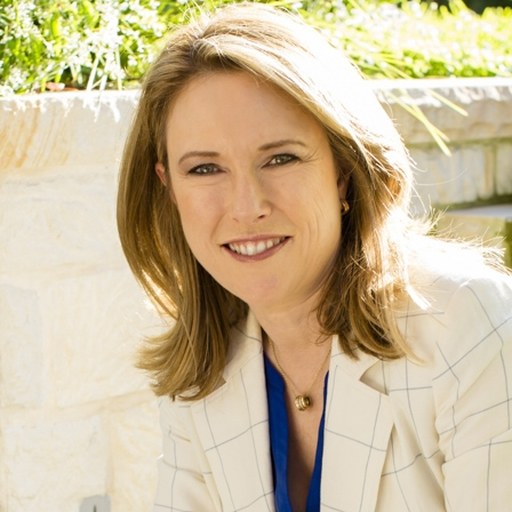
Co-host of The Elephant in the Room. Real estate agent, buyer's agent and buyer's agent mentor, co-host of Foxtel's Location, Location, Location Australia, author of Auction Ready and co-host of Your First Home Buyer Guide.

Property Inside an SMSF: Liam Shorte on the Costs, Rules and Liquidity Traps
SMSF specialist advisor Liam Shorte walks through what a self managed super fund costs to run and why property inside one succeeds or fails on liquidity. He also sets out the rules that catch trustees out, and the sales pitch he tells people to walk away from.
In this episode, we're talking with Liam Short, an SMSF specialist from Sonus Advisors, and we're going to get a glimpse into the complex world of managing your own super, the compliance, the costs, who should and shouldn't set up an SMSF, and we'll also explore what an SMSF expert thinks about investing in property within a self-managed super fund.
Welcome to the elephant in the room. This is the podcast where we love to talk about the big things in property that never usually get talked about.
I'm Veronica Morgan, real estate agent, buyer's agent and buyer's agent mentor, co-host of Foxtel's Location, Location, Location Australia, author of Auction Ready and co-host of Your First Home Buyer Guide.
And I'm Chris Bates, mortgage broker, recently ranked number five in Australia out of over 18,000 brokers in the annual MPA Top 100 Mortgage Broker Awards. Before we get started, I need to let you know that nothing we say here can be taken as personal advice.
We always recommend you engage the services of an appropriate and experienced professional. Our guest today is Liam Short, a fellow SMSF specialist advisor. What is a... Anyway, you can explain that in a moment there, Liam. And he's also a financial planner with his firm, Sonos Wealth.
Now, Liam provides strategic advice on superannuation, retirement, estate planning, investment and tax strategies with clients and their families. He offers a holistic financial advice service, but particularly enjoys working with self-managed super funds and family trusts.
He writes a blog called The SMSF Coach to help break down the strategies and industry jargon into plain English for SMSF trustees so they can take back control of their wealth. So welcome, Liam.
This is a topic we have not covered in depth on this podcast, so we're really looking forward to quite a revealing discussion today.
Oh, just chuck those questions at me. I'm ready.
So what is, you might as well hit us with, what exactly is a fellow SMSF specialist advisor?
Okay, so a fellow is somebody who's been in the SMSF association for over 15 years, been an active member, doing education and helping others. So it's a nice achievement to get to the 15-year mark and be recognized by the association.
But the association is a cross-professions group. So there's financial planners, auditors, accountants, lawyers, and mortgage brokers in there. And the whole idea is to have people who absolutely understand every step of the way in SMSFs.
Because it is a complex world. So Liv and I, we met about 10 years ago when I was back in the advice world. And so it's good to see you again.
I mean, in the advice world, you are known as one of those SMSF legends, I guess, the people who really have got that knowledge, hence why you've got the SMSF. Oh, this is a mouthful. But I mean, let's just start there. What is an SMSF?
And, you know, because let's just assume no knowledge here, and then we can get to a bit deeper with how it interacts with the property market.
Yeah, so look, an SMSF is just another structure in which to hold your super. So you have the options of an industry super fund like Australian Super Aware. You have a retail super fund like Colonial First State or BT Panorama.
You have some employer SMSF or employer supers like Mercer that run them for companies. And then a self-managed super fund is more where you take control yourself. or as part of your family.
So the majority of SMSFs, there's over 600,000 of them in the country, are mum and dad SMSFs, where it's just the mum and dad. But now you can have up to six members of a family in there.
So it's starting to suit probably the diversity of the Australian nation now that we have it. So a lot of Anglo-Saxons, Anglo-Irish, we don't really talk to our kids or family about money unless we've got a small business. And then we work as a family.
But for a lot of other cultures, they're used to investing as a family and getting the economies of scale. So for the Maltese, Middle Eastern, Italian, Asian, Indian, those people, they're the ones who probably get the most use out of family SMSF going forward.
But the whole idea is it gives you the ability to...
invest as a team so instead of having your own separate super funds all over the place you can put all the money together to do to investors in one pool and but it still tracks your individual balances and records in the underlying financials so it's just a way of you having more control of the investments more transparency and additional flexibility for your family purposes
I mean, while we're there, actually, I mean, I haven't actually heard that before. So that's actually quite fascinating. I know that it used to be four members, right? So I think it's gone up to six. But, you know, that expands it absolutely. That could be, you know, the auntie and uncle.
It could be brothers and sisters. I mean, what's some of the challenges, though, like what you find when you, you know, this is a pool of money for people's retirement. And, you know, people retire at different ages and can get access to different ages. How do you manage those risks and manage it?
And that's where you have to be looking at it where they're investing as a family.
If you've got a couple at 65 who are looking to start drawing down and they want to take less risk, then you can't have a 29-year-old in there with them who needs to be taking as much risk when they're younger to get the benefit of compounding growth.
But what you'll find with a lot of cultures is that when they invest together, they take a fair amount of risk because they know that it's for the long-term wealth of the whole family. So they don't pull back on the risk side of it. They just ensure that there's enough income coming in
to pay the pensions that come out. And of course, because the younger people are making contributions, that adds the liquidity to the fund. And therefore, that's used to pay out the pension. So it does work well for a family group.
But Chris, you probably know it, that there's only a minute amount of people with more than two
the members in the fund at the moment, but I feel over the next 10 years, it's going to grow exponentially because of the range of, we're getting to second and third generation migrants in the country now who they've built the wealth, they're ready to pass it on, but they want to control and educate the next generation on how to manage the money.
That's sort of interesting, though, too, because if you've got sort of first generation immigrants in this particular scenario here that have made their wealth in various ways, and it might be through their own business, perhaps, or maybe through property, the next generation may not necessarily have the same philosophies around investment as well.
But also, I wonder, how do you work out if you've got more than two trustees, how do you actually work out who actually has a clue about investing, who knows enough to actually be able to set the strategy?
how do you navigate whose opinions are listened to versus whose aren't? I mean, I guess that's coming, isn't it? I mean, in terms of as this grows, that's going to be something that needs to be managed, right?
Yeah. And that's what we see. That's why it hasn't been really taken up so far. But now, as you said, that first generation, they tend to have made the wealth, but they've really got really well-educated children who are often gone into finance or they've gone into property or,
So they're very well educated on the way the Australian markets work. Their parents just worked bloody hard to make the money. The next generation is helping to make the most of it. But I see a lot of cases where it's the children come to me and go, mom and dad are 67.
They're not in pension phase yet. I think they need to talk to you and get everything set up. And that's where the conversation starts.
We just had one this week where it's a husband and wife and they want to bring their younger daughter into it because they know as they get older, they're going to need somebody else to take over running the fund for them.
And they want to spend about 10 years teaching why they invest in, they've got a couple of properties, one commercial, one residential, they've got a share portfolio, which they've been slowly moving to an ETF portfolio because they've realized individual shares are really hard to manage.
Yeah.
They're guiding her on how they want that money to be taken care of in the long term. And in the meantime, she's loving it because they're paying all the fees and she's getting the free guidance and the education along the way.
I think this is fascinating, to be honest, Liam. It seems like back in the advice days, you know, SOSFs were pushed for fee savings, right? Like you go down this route because you don't want to pay, you know, 2% to Asgard or AMP, et cetera, and stuff.
particularly once your funds got over a couple hundred grand, it made sense to just do an SMSF. And there was limited options to buy direct stocks and things like that back in the day. But explosion of competition and industry funds pushed down the cost of managing super.
So do you see that when people are combining their funds together is now one of the biggest drivers for people to come into SMSS versus in the past investment options and maybe fee savings?
Yeah, well, now you've got the full gamut of investment options and you do have a wide choice in a RAP platform as well. But for a lot of people now, we'll have a residential property or maybe the business property of the family. We'll have ETFs, we'll have some gold bullion.
They'll have international shares. If one of the younger children, we've got one where one of the younger children works for an American company. So he's all over the American stock market. So he gives them guidance on specific individual stocks or ETFs to invest in the US. So they've got that ability.
And there still is a fair amount of savings in fees because most funds, industry and retail, They're based on a percentage of fees under advice.
Now, some of them put caps on them, but yes, in a lot of cases, we can save fees, we can have more control, and we can actually invest in something that we trust and we're comfortable with.
Do you find some of the fee savings as well, though, it comes from the, you know, the transaction costs in, you know, that you have to, when you go into bigger funds, for example, they have and taxes, this is the way they have to manage funds as a collective and share and, you know, transactions around shares and things like that.
There's no personalization. So there's a lot of wastage in those type of fees as well, not just, you know, management fees.
Yeah, look, as I talked to one client, they were saying they love commercial property. But in their super funds, they were in commercial property funds. And they had no control over the sales and purchases on it. So then an opportunity came up to one of their children had a really good business.
They wanted to expand. And they needed a new industrial unit. Well, the parents decided, well, what better than we'll set up an SMSF. We'll be the landlord to the son's business. Because they're over 65, they're in pension phase. The rent that comes in is completely tax-free.
I think they paid $1.2 million for the property three years ago. It's already worth about $2 million. And all that capital gain, because they're in pension phase, will be wiped out if they sell the property. They don't have to pay any capital gains. The rental income that comes in is tax-free to them.
And for them, they just didn't trust shares or managed funds. They didn't mind the property ones, but they just felt they didn't have enough control. So for them, if they're investing in something they believe in, they trust.
And their other option was they were going to take the money out of super and just try and do a normal investment outside. So once we explained it could do that in a self-managed super fund, in a tax-free exempt entity, it's blended lovely with the rest of their wealth.
You hear a lot of stories from people that have made successful decisions around property. We don't often hear stories about people who've made mistakes with regard to property. And I know that there's a lot of mistakes people make with property and self-managed super funds, which we will get to.
But we talk about, you've been talking about this being a lower fee environment, or that'd be one of the reasons that people might choose to go down this path. However, there are quite substantial costs in setting up an SMSF, aren't they?
And, you know, I personally have come across people that I think have been sort of convinced to set one up where they really probably shouldn't have. And those costs have been significant. You know, the accountant's doing a lot of work and getting paid a fair amount of money for that.
So can you sort of run us through that side of the equation? Because it's... And also talk to the compliance because... particularly if you're looking at more than one trustee, then you've got compliance requirements. Who's actually responsible for complying? And it is complex and also things change, rules change.
So I guess what should we be thinking about around that if we were thinking about setting up an SMSF?
Probably the first thing is if somebody's telling you to go into an SMSF, the first thing you should do is walk away and go and do your own research, take your time. There's plenty of educational material out there on how they work and sort out what is right for you.
If somebody is saying to you, I've got a property that's right for you, you can put it in an SMSF, something's wrong there. It should be you leading the actual decision. By having an SMSF, you're taking responsibility. So as you said, you have two options.
You can have individual trustees of your super fund where each one of you and your individual name is responsible, or we prefer putting a corporate structure company in charge and each member is the director of that company.
So if anything happens, one person can leave and you're not having to change all the names of the investments. You just change the directors of the company.
To set up a fund, the advice side of it, to get it right, is going to cost you a fair bit to start with because your advisor is not just looking at setting up the SMSF, they're looking at comparing it to what you have already.
In a lot of cases, most people, they don't need an SMSF and if they're getting a good return from the super fund, they just don't realize they are because you look at some of the super fund statements and they're 10 or 12 pages long.
By the time they've gone through them, they still don't understand whether they're doing well or not. So it's more about doing that research and understanding where you are at the moment, why you would move.
And we just had a meeting this morning with a couple where for them, they're in their mid-40s, but they spent 10 years overseas. Okay. So for them, they're 10 years behind everybody else in superannuation contributions.
So they're looking at an SMSF to help them leverage up, combine their balances, leverage up to buy a property, do extra contributions, use their unused carry forward contributions. So they're really vamp up all the time. And the one thing they're comfortable with is property and exchange traded funds.
So for them, it makes sense to do it. So to set up an SMSF, you'll pay the initial advice fee for financial planner that you don't have to, but in most cases, you'd be mad not to. But the company will cost about $600 or $700, the trustee company.
And the trustee itself, anywhere between $200 and $400 in most cases. So it's not a huge cost to actually set the structure up. But then every year you've got the accounting. You have to do a set of financials for it. And you've got an independent audit that needs to be done.
So you're basically looking anywhere between $1,000 and $5,000 for the accounting.
depending how complex you get. And I'm seeing some crypto investors at the moment and they're being smashed in accounting fees because just trying to track all the trades and everything they do, a lot of it's been done manually and costs a fortune.
But for others, they might have one property, four ETFs, a term deposit in cash, and they can get all their fees done for about $1,200 to $2,000 a year. So yeah, that makes sense for them.
Liam, do you think that a lot of people don't take advantage of the super opportunity? There's always had a really bad name, right? And people just had five funds and maybe they've got it all into one fund now, but they still are not grasping the opportunity it super really is.
Do you think it's got a bit easier for people once they do get the light bulb switched on that they go, hang on a second, I do the brought forward. I can make up for lost contributions. I can really increase my balance.
Markets have been doing quite well and they've actually surprised themselves how much money they've got in there. Is it almost hit that tipping point do you find for a lot of people where the opportunity is a lot greater today than they thought it was even just 12 months ago?
Chris, the big difference is 10 years ago, someone in their 40s still only had a small amount of super. Now somebody in their 40s with their partner, each of them will have about 25 years of superannuation contributions. Other than their home with a big mortgage, the biggest asset they've got to work with
is their super. And in a lot of cases, their outside mortgage is so big, they really can't borrow anymore in their own personal names. So they're looking at their super as their ability to build wealth for the future, which is, you know, it's a smart option to do because it's taxed concessionally.
But yeah, you know, and then in the last couple of years, four years, we've had the option to do the unused carry forward. So if you didn't use your full limit for a year and your balance is under 500,000, you
in a year where you have a big income or you're doing well, you can put in extra contributions and claim them as a deduction. So all these things have worked in favor of, now the average person setting up an SMSF is between 40 and 46.
10 years ago, it was between 50 and 62. So that's a huge difference.
But also the majority of clients that are coming in now, they're not saying they want to retire young. But what they are saying to me is they want to be in control of the decision whether to work or not or how they work from age 55 to 60. Okay.
So they're watching their parents who worked till 67, didn't have much because they didn't have much super. And they're saying, I don't want to be in that boat. If I want to work really hard now, I want to see the benefits of it.
And so therefore I want to be able to retire at 55 or 60 or take up a different role. So I've had a client who's cut back from five days to three days in his IT job. And he's doing two days with a charity, helping them sort out all their databases and everything.
And for him, it's a perfect lifestyle now as he gets closer to 60, that he can have the best of both worlds. He's still working, making contributions to super, but he's also got some balance in life by doing some charity work that he enjoys as well.
It's interesting, you know, as you're talking there, I'm thinking, of course, you know, as younger generations comes through, you know, they've had basically their entire working life with a much higher percentage of, you know, their contributions, their employer contributions.
So therefore, they'd be building bigger super balances, assuming they didn't rate it during COVID and they're not rating it by their first home, you know, but yeah.
So it's sort of really tempting for some advisors, if we use that term loosely, the ones that are in the property space anyway, to sort of go, oh, you've got all this money and we can really look at ways in which we can help you grow wealth with property.
And as you were talking there, my light bulb's gone as to how at risk a lot of those people who are younger with larger balances might be
you know to be targeted in a way um with because they've got a long way off before they can see that money in terms of accessing it um property is still the big australian dream isn't it in terms of when i invest in property so what are you what are your thoughts on on on what's happening i guess or what could happen with people who invest in property in their super fund
We just need to get the education out there to people that you still need to do your own research. Or if you're too busy to do your own research, you need to take on someone like a buyer's agent.
If someone's actually coming and saying they're going to sell you a property, they're going to sell it, you're offering a one-stop shop. You just need to walk away. There's nothing that's ever come good out of a one-stop shop. I'm dealing with a
Client at the moment, a friend of my wife's who was convinced to set up an SMSF. That group referred her to a related party group who set the SMSF up, but they also had an expectative property development company that all the money was invested in.
One, she didn't have a clue what an SMSF was. She was just told she would be 700,000 better off in retirement. Two, they said they would do everything for her. And she's just been ripped off every step of the way. And now that fund has been shut down by ASIC and frozen.
So she's lost three quarters of her super. She may get some of it back in the liquidation.
I mean, this was my concern, you know, and I actually thought writing was on the wall, right?
If you go back five years, all the banks pulled out of SMSF lending and multiple parliamentary inquiry basically said, like, should we ban, you know, limited recourse borrowing arrangements, which is basically when you can borrow in superannuation.
And my sort of thought process was, look, everyone's going to be blowing their super funds up because the property market's unregulated. And advisors, unfortunately, don't know much about property and they fall for these brokers just as much as their clients do.
And they set up these real estate companies off to the side to get these cheeky commissions, right? But it's done a full 180. We've seen SMSF lending really start to come back with a vengeance in recent times.
And the banks are, not the big banks, but there's more and more lenders coming into the space. I mean, What are you seeing in the SMSF world? Are you guys quite confident that it's going to stick around and that you're starting to use it more and more?
Or is it still a little bit like on the fence and really case by case?
Look, it's still for a specific number of people. And this is why I market. I do my blog. I do my Facebook group. It's all towards people interested in SMSFs. But that's purely because the people who want to talk about it, they're engaged. They want to start planning for retirement.
But only about three out of every 10 people that come into me, will I allow them or recommend an SMSF to them? Because in most cases, they may not have enough money. They may already be doing so well with the super fund they're in that they'd be stupid to walk away from it.
They're in their 40s. They've got high paying jobs, active jobs, and they don't have the time. Yeah.
I've seen people who set up an SMSF, roll their money in, and two years later, they're still looking for a property. God, yeah. With an SMSF, it's really important to work as a team. And that's the SMSF association. The beauty of it is you're not marching on anybody else's territory.
You're dealing with an accountant, a financial planner. You bring in a broker who's used to dealing with SMSFs. If a client seems too busy, you just say to them, bite the bullet, take on a buyer's agent. Tell them what you're looking for.
If they understand SMSFs, they'll know the type of property that's going to suit it, and they'll do the research for you. But the last thing you do is go to a seminar about buying a property in SMSFs from a development company.
Oh, yeah.
So you've still got to take responsibility for your SMSF. You can outsource the management, but the final decision is you're the one signing them off. Yeah.
So we talk, I mean, everybody says, do your research. The problem is, of course, there's so much information out there and you can do research and you can become none the wiser. So who would you say an SMSF is ideal for then?
Somebody who will do their own research, but take advice. Right. Okay. Somebody who doesn't jump into something is not looking to turn a quick flipping a property or anything like that. And to be honest, my ideal client is a woman in her forties because they do the research.
They don't really fall for the latest spruiking and they will take advice about the structure and the setup and they plan long term. And we are finding that in a lot of relationships now, it's the wife or the female partner who is taking control of the finances and doing the research.
So, you know, I will see people who read my blog for six months and then they'll come. And I can see when they started. And, you know, it's just clear that they've done their research. They know what they want.
And really, when they come in to me, I have to slow them down a bit and go, Okay, you know that you want to use us, but I don't know whether it's right for you. So I need to do your background.
But yeah, look, it was very much a case previously that was people coming towards retirement with big balances that use super. But I've got people now in their 30s who have 200,000 in super, but their investment portfolio is three ETFs.
So it's costing them 0.15%. Right.
In fees, they've got a low cost administrator charging $1,100. So overall, the cost for their fund is working at about $1,800 a year. They've got control and they've done the research on the investments they're doing very well.
It's sort of ironic, isn't it, because ETFs are set-and-forget investments, really, in much a way. I mean, different, obviously, to property, but there's something similar about it. If you do your research and choose your funds wisely, and then you can just commit to that and continue to invest in it. Right.
And, you know, but there's the irony. You get into a self-managed super fund because you're interested and you want to get active, and then you don't get active. You, like, see –
You do get active from the point of view that you've got the confidence because you're then in control of the money to make the extra contributions. Chris, you probably saw this.
People under 50 really didn't want to put more money into super because they thought it's going to be 60-65 before I can touch it. Now they're looking at it and going, if I can control the investments and I have more say in what's happening,
God, I've got to hit my 30,000 concession contribution round for the year. And if someone does that for an extra 10 years, it's a huge difference on their retirement. Because people will say, oh, we'll invest somewhere else. They don't.
The honest to truth is if people don't, the good thing about super is the money's compulsory and it's locked away. And then you can put the little bit extra in. What we find is if people are saving money outside and they're not committing to an investment, it gets eaten up with lifestyle. Yeah.
It's a big point. I mean, you hit on a few great points there, Liam. I'd love to go through them. Someone moving a fund into an SOSF and leaving it in cash with all the intentions to invest it. I've seen that time and time again.
The opportunity cost and then the pain of not doing something that stops them doing it. And they completely just burn five years of their life, right? And huge investment returns up. I mean, you said there about women and that's your ideal client. I mean, do you think women are better investors than men?
Yeah.
No, they're just different investors. Blokes want a lot more. They're looking for a lot more, a better return. They're looking for the high returns in a lot of cases. When they're part of a couple, they seem to calm down a bit. It's fine.
But women investors on their own, they're really focused on long-term. They look at that goal. Most of my male clients don't really know when they're going to retire. They're not sure. They just think they'll keep on working. Nearly every female client I have tells me,
you know i'm probably going to have grandchildren in about five years time so i want to be able to cut back around 58 and i want to be stopped working at 60 and we want to be traveling around the country in some of the meetings i'll be looking at and the husband turns around he goes you never told me this and she's going you never asked she said these are my plans for the future and he goes well i was i was going to continue working a bit longer and she said well with your health
you're probably not going to be able to. And that's where that plan B is really important, that if we can get people saving enough into super by 60, that they do have the option if their health or their partner's health or their mother's health.
There's a lot of people in a sandwich generation around that 50 to 60 age group where they're both looking after parents and now they've got pressure from their children to mind their grandkids. So you might not have an option of working longer.
I'm on a personal mission to help more people make better property decisions and you can find out all about what I'm working on at veronicamorgan.com.au. There you will find resources for first home buyers, details about my buyer's agent mentoring program, information about my newest project, Preferental, proactive property management in Sydney.
Or if you're looking to buy your dream home or investment property in Sydney's inner west, eastern suburbs or lower North Shore, you can connect with my team at Good Deeds Property Buyers.
And if you'd like a 30% discount plus free postage for my book, Auction Ready, How to Buy Property at Auction, even though you're scared shitless and yes, I'm a potty mouth, use the code ELEPHANT at the checkout.
If you're looking to buy your first home, thinking of upgrading to a new home or purchasing an investment property anywhere in Australia, we would love to carefully guide you through this journey and importantly, get the finance right. Please reach out to myself and the team at flintgroup.au.
I mean, that was a blast of the past for me there, Liam, to be honest. I mean, I started working with the pre-retirees kind of back in 2012, 13, to be honest. It was
My first five years in advice was that. It's quite funny, those conversations you'd have, right, where you'd come in, you'd ask them these big questions. They haven't thought about it.
And you'd have to almost be a marriage relationship counselor, semi, and watching them look at each other and plan their life out when they haven't even had those conversations themselves.
So I send them out an about you questionnaire before we start. And the first five or six questions are, you know, what do you want to happen in your life? How do you want to take care of your family if something goes wrong? What are your career prospects?
What do you want to happen? What do you want to do with your home? Do you want to still live in the same suburb? And people have gone, well, we never asked ourselves or never talked about this together. Or they usually go, oh, we'd like to move down the coast.
And I go, well, what happens if you have grandkids and they're in Sydney? Oh, well, actually we'd stay in Sydney then. And I'm going, I said, you've got to actually, you know, if you know what your goals are, then you may not lock yourself in long-term.
I mean, I do that with young clients now, and they're just as bad, to be honest. And, you know, you think that someone a bit older, a bit wiser, and they're planning these things. You know, a lot of young people don't want to commit, right?
They do want to just look at the next couple of years, and whether it's conversation around marriage or kids or where they're going to live. You know, it feels a bit too hard.
And, but, you know, when you go through a process with them, like a planner does, and, you know, like you say, like you just did there, you know, you, if this happens, if this happens, and you start to weigh up different options, they start to get a lot more contentment from that.
And they start getting a bit more clarity. And then they started getting a bit more committal or willing to, to, to know that they're heading in the right path. Yeah. Yeah, but I think it's a different part of the brain, right? Some people are very good at that sort of forward thinking.
Some are very good at the creative today, you know. Is that what you see?
Yeah, look, for us, we've gone from real turnaround 10 years ago. You'd talk about investments a lot. Now, a lot of it's about putting a plan in place and our review is about holding you accountable to make sure you're meeting those stepping stones and you're reaching them.
I've got a client, he's just turned 64. He was meant to retire at 62. I said, what's going on? He said, I just don't know what I do with myself.
And so I got a bunch of these books called 101 Things for Your Husband to Do After Age 60 and said, well, look, here's a book. Find a few things that you're actually interested in doing.
And he came back to me a month later and he was going, oh, look, my daughter and her husband are going to buy a sort of a, not a knockdown rebuild, but a house that needs a lot of renovations. He said, that's going to be my project.
I'm going to project manage it for them. And he said, I've talked to the other daughter about it. So she likes the idea too, but she just wanted to be the guinea pig. So she wants her older sister to be the guinea pig. And he's worked in contracting and negotiating all his life.
So for him, that's a perfect stepping stone for him to basically step out of work, get involved in things like that for them. And, you know, he may then do his own projects after that, but he's definitely not somebody who's going to sit at home.
So for the last two years, he's just worked because he didn't have a clue what else to do. I feel sorry for the builder.
He's going to be watching every move, right, that he makes. I mean, Leo, let's go to the property in Superfund. Like when someone walks in, I mean, you mentioned there are developers and things like that, but there is this natural over, yeah,
Under-diversified, over-exposure, over-weighting to resi property, right? We've got homes, we've got investment properties, a lot of our parents' wealth and our inheritance is in resi properties. So what's your take? When people then come in and say, look, I just want to go property myself and see if I'd set me up.
And even if they're not going to go through a developer, they want to buy resi, but they're already such heavily weighted to resi. How do you sort of handle that conversation?
We look at it from the point of view of how much is your super making at the moment? If you're in something decent at the moment, do you really need that extra exposure? Because it's not cheap to do a super fund, a properly true super.
The interest rates, you probably have a better idea than me. You're talking one and a half to 2%. You've got to have the bare trustee and the bare trust and bare trustee to hold the property. So you've got additional fees all along the way.
The big kicker is the lower tax rate and then possibly no tax in pension phase. But you've really got to understand why you're doing it. And for a lot of my clients, it's a commercial property.
Using it in their business. I had one client, it really did well with the business, but they needed then to step up to a bigger property. And they were going to borrow in their business name to do it.
But then they realized that they wouldn't have enough money then left to take on more staff and to actually build the business. So instead, we've combined their super, they set up their self-managed super fund. That owns the property, leases it back to them. And they run it through the business.
And the business pays the annual rent and all the outgoings. So for them, they've got guaranteed tenure of the property so they can make changes that they need to it. They've put a mezzanine floor down. in on the property.
Their super fund is getting the rent every year. And they're also then making the big thing for me is they're then committed to making extra contributions to get the loan down on the property before retirement. So for them, it's helping them grow their business. It's helping them save for retirement.
And it's investing in something that they feel comfortable with, which is bricks and mortar.
So you can certainly see, and I know a lot of my clients as well, and just generally people that do have small businesses and bought, you know, their premises in their super fund. But so, and property is a lumpy asset, as we all know, right?
And you're meant to have a diversified portfolio in your super fund, like you would have planned. Right. We're talking about like if all your eggs are in that basket. It's really hard to have a balanced portfolio when you've got one property in it, right?
Because generally speaking, you're not going to have that same amount of money or equivalent amount also in the share market, for example. So what are some of the challenges when people get to that point? And I have a basic understanding.
At some point, you're in accumulation phase and you're in, isn't there, a preservation phase. You've got to draw down at some point. You've actually got to start – Where does the challenges come if you've got a really unbalanced portfolio and you don't have a lot of cash in there, for example?
I mean, how do you then turn around and start drawing down? I mean, have you seen people get unstuck there? I mean, what are some of the risks and what should people do to mitigate that?
We've seen a few, and it tends to be especially where the property is done exceptionally well. That's the big problem. Because once you get into pension phase, there's a minimum pension you need to take down each year percentage. So up to 65, 4%. 65 to 75, it's 5% of your balance. Got it.
So you can imagine, I've got people who put a property in at 500,000. It's been rezoned over time. the property is now worth 4 or 5 million. Well, on 4 million, 5% is $200,000 you've got to come up with. And in most cases, it's not making that much after the rent and expenses.
And this is probably one of the main things you need to understand about SMSF and property. You cannot borrow against the equity in a property in an SMSF. So what we do try and make sure is people don't overcommit to their fund to the property.
So maximum 30% deposit on the property so that they're leaving themselves at least one year's rent and expenses in cash and term deposits. And then about 20% more that we put into ETFs like Vanguard or something that's really low cost.
And so that they are, you know, overall, if you take out the leverage, they've got 30% in the property, they've got 10% in cash and about 30% in ETFs and things like that as well.
But it's really important that, and this is why it works beautifully for people in their 40s because you need those additional contributions going in year after year to provide the liquidity. Yeah.
So, you know, that's why I'm, I was always very reluctant for anybody over 50, say 57, 58 to start talking about SMSF properties.
Yeah, for sure.
Because if they get ill, There's no contributions going in. They've still got to pay that 7%, 8% or 9% mortgage rate and the fees of running it. But when I look at someone who's 45 and they're committed to a 15-year investment, property sort of makes a bit of sense to them.
But as long as they look at that liquidity side of it with me. And we just say to them, look, you don't commit more because a lot want to pay 50%. Yeah. Deposit, they don't want to have too big a mortgage.
I'm going, fine, I know you don't want a big mortgage, but let's just put 30%, pay a little bit extra to either have an offset account or do a term deposit or something where the other 20% is there if you wanted to suddenly pay it off.
But in the meantime, let's have it doing something else and not over committing to the actual property.
Yeah, it's important too because in terms of paying down the debt, the temptation is to also, especially with a high interest rate, you're thinking, well, you can really see the sense in paying that down. But you think, hang on a minute, like you could get really trapped.
And look, that's just one of the complexities that I think that it's really important for people, particularly with property here. that need to understand.
I mean, you were talking about a friend of your wife's, you know, I had a client who, she's in her 50s and, you know, she was stitched up by these advisors and took all the super fund balance and bought a, you know, house and land package.
And, you know, it's just these people should be jailed in my view, absolutely criminal. And you think this practical stuff, she didn't know a thing about any of this. Like, you know, and you just... Blowing your super budget, sorry, super balance unnecessarily.
But what do you think about, you're talking about, so you added up, you said a 30, 10 and a 30 there, right? So they didn't add up to 100. So I was curious to know.
Look, it's basically making sure that they have the liquidity to go through bad times, but also to diversify. Yeah. A lot of, you know, you're probably talking about overall between the mortgage repayments,
the cost of running the fund, paying for insurances, there's going to be at least 10% to 15% of a year of your money used to fund that sort of thing as well.
Yes, it is tax deductible to the fund, but still you've got to have that liquidity to pay for it because you've got to have that plan B. What happens if we had one where the property got burnt out, so the client lost their tenant,
they probably took, we're nine months into it and the property's still not repaired, but they've still had to pay the mortgage every month along the way.
So if they didn't have the proper insurances in place, they would have been, and people are notorious in Australia for taking a gamble on insurance and going, don't need it, she'll be right, mate.
Well, as a trustee of a super fund, you're responsible to make sure that you're considering those things in the investment strategy. You can't just ignore it.
Yeah, I mean, you're interesting. Absolutely, I agree with you around trying to keep the loan as high as possible. Most people say, oh, there's a broker talking here. No, it's not. It's because you can't reborrow against it, right?
And what ends up happening is the more equity you're building properly, the less your ROI really is based because... You know, resi properties, really, the benefits come over shares because it's leverage, right? Dollar for dollar. I'd much rather my money in shares, to be honest.
The liquidity benefits, ability to diversify, you know, arguably just as good returns, if not better, et cetera, right? So it's when you start paying off your property that... The property versus share debate starts to get tighter and tighter. It's when you have a great asset that's leveraged and that can increase your returns.
What are some of the other mistakes people don't understand with resi property and super, right? A, you can't buy off your own yourself. You've got to have that related party, but you can't do it.
None of your family can live in a DAO either. So you as a member can't have a benefit while you're You can't move into the property in retirement. You'd have to take it out of the super fund if you wanted to live in it.
As I said, you can't rent it out to your daughter-in-law in her name and have her husband move in it. The ATOs, they know the different schemes that people try on it. You can't develop that property while it's under a loan.
So if you wanted to do a knockdown and rebuild, you just can't do that. Some of the things you can do is you can add a Grammy flat. People didn't think you could. But you can add a granny flat because it doesn't change the type of property it is.
It's still a residential property with a granny flat on the back. So this is one of the big things we're seeing in the northwest of Sydney. There are a lot of quarter acre blocks from Castle Hill out to Blacktown and beyond. And people are going, well...
I can, for 130,000, 140,000, I can put a granny flat on the back of my SMCF property and get $475 a week rent on it. That's a brilliant return, especially when you're only paying 10% tax on the earnings. So, you know, it's, and, you know,
Nothing, you always have, as I said, the plan B has to be there. And the beauty of an SMSF is that if it does do really well and you do have to sell it, if you've held it more than 12 months, it's 10% capital gains tax.
If you wait until you're one day into pension phase, you can wipe out that capital gain completely. So there are some benefits to that. But with Resi, it really comes down to the difference between in Sydney, you're getting a very low rent compared to the interest rate you're paying.
So you must have that liquidity coming into the fund all the time to make up the difference, to pay for the insurances, the rates, the interest on the mortgage and everything like that. It does have to be in a separate entity. So the costs are all there.
You really need to do your research before you commit to some of that. Like on my SMSF coach blog, I've just got one specific page just for property and there's 16 different articles on there. Yeah, and that's just because people are always trying to do different things.
I see people who go, oh, I want to buy a property that we'll move into later ourselves. So you go through the fact, well, for a lot of people, it's not that they want to move into that property.
They're just afraid that the place they want to retire, that they'll get away from them, that the cost will get away from them. So I just say to them, look, forget about living in that property. Just find a good investment property in that area. Get a foothold in the market.
And then at least you know that when you do retire, if that's not the right property, then you sell it and you can basically use that to fund your retirement.
Or if it is the right property, you can take it out as a lump sum commutation out of the super fund or sell your property that you're in at the moment and buy that property off the super fund. So you're keeping the money inside super. So there's strategies you can use.
Yeah, I mean, they're kind of the nuts and bolts of that sort of super conversation. When you say liquidity, you really mean that making your not concessional contributions, right? I mean, this year, I think it's gone up to $30,000. $30,000.
You know, for a couple, and that includes the 11.5% that it works paying now, right? It's, you know, when you've got to try to really hit that, not just for you, but also if you've got a partner, right?
And you're really sort of putting a lot of money into super each year helps covers the short form properties, but also allows you to get diversified and build a buffer into other asset classes, et cetera. Um, but also need a decent amount in there, right? Because.
Otherwise, you're going all your eggs into one property and while you've got all the intentions, you think you've done the research, you are also gambling your super on one property and potentially if it doesn't go well, you've really shot yourself in the foot a bit.
Well, you look at the amount of people that were burnt by buying in mining towns at the top of the market and they were mostly sold by spruiking groups who were able to say, look, these are renting for 1,250 a week. You can't go wrong on it.
You buy a place up here in North Queensland.
You paid off in five years.
You paid off in five years. Next thing, the mining cycle takes a turn. I had one client who went from getting 1,100, I think, rent a week to
In the end, they had to pay somebody $200 a week to stay in the property because people were going in and ripping out all the fixtures and fittings of all the empty properties in the mining town. What an idea. Every investment has that. There's bad stories about them. There's stocks that have collapsed.
There's managed funds that have ripped people off. There are property spookers that have taken people for a ride as well. So again, it comes back to if you're going to do something like an SMSF, you've got to take responsibility for it.
But you talk about that 30,000, Chris, the beautiful thing about that is if you're putting extra money in there, you're paying less personal tax. Yeah. So the government is supporting your retirement because you're only paying 15% tax on that money.
So for a lot of people, they're saying, look, how can I save and make a little bit of extra money? And I'm going, well, If you're on 120,000, you're in the 34.5% tax bracket. You put 10,000 extra into super, immediately you're saving 19.5 cents in the dollar.
So on your 10,000, you're getting 1950 bucks savings straight away.
Once people understand it and they get engaged, they sort of go, bonus, bonus.
So the rules change, though, don't they? And I guess there's some people are saying, oh, you know, I'm not sure I want to put more into super because it all changes. I mean, that is also a cop out for not doing the work. I get that. But so what do you see?
I guess, you know, what has changed recently and what are you seeing on the future? And I guess what's your opinion of the changes? The government's obviously trying to tweak it because, you know, they've As time goes on, they can see the problems in whatever they've created.
Yeah. Look, they're using a sledgehammer at the moment to crack a nut. Right. At the moment, there are some very large balances in super. Okay. But the thing is, you can only move $1.9 million into pension phase. You can only, over your lifetime, put $1.9 million into your super fund.
So the days are those long. As the people with the big balances die now, that money's coming out of super. So, you're not going to see those huge balances in the future.
So, the government are trying to get through this division 296 tax where somebody with a balance over 3 million will pay extra tax. Now, at the moment, they're saying that won't affect too many people. I think it's about 80,000 people.
you know, there's a lot of people with the husband has 1.5 and the wife might have 1.3 and that'll grow. And by the time the husband passes away, suddenly the wife's left in a balance over 3 million.
So she will be affected because they're saying they're not going to index link the $3 million limit. So somebody who's starting to save now in their twenties, they're going to be hitting that $3 million limit easily. But I think that'll be dealt with before they can get it through parliament.
So I think that they're going to have to come to the ground on that. But Really, you talk about people being afraid to put money in and that's where it all comes down to having your overall plan, the big plan for retirement and having that, you know, What if you retire at 55?
What are you going to do? Well, then we need to build up money that you can live on between 55 and 60 because you can't access your super until 60.
So for a lot of people who are on a decent income, you might do something like an investment bond or an insurance bond where it's taxed internally at less than 30%. Once they've held it for more than 10 years, then it's fully tax paid.
They can take the money out without paying any further tax. So if someone's 45 now, And they say, look, we want to have that option to retire at 55 or to do a lot more travel at that stage.
We'll say, well, let's build up your super, but let's have a proportion of your savings put into these investments.
And then knowing that at 55, you've got the option to leave them and let them continue to grow or start dipping into that to fund a three-day week or two-day week or not working at all. But the main thing is getting people to commit themselves. to a long-term plan.
It's time in the market, not time in the market that works. Same with property. You might pick a property that does absolutely crap for a couple of years, but then the cycle changes and long-term, most places, long-term, the property is done really well. And it's the same with shares.
You'll have some bad years, But you'll have years like, a year like this where we thought it was going to be absolutely terrible because of the Gaza-Israel war, the markets dropped straight away after it and people were going, oh, it's going to be a horrible year.
The market came back up within two months. We're at all-time highs again. And I'm sitting with clients this morning, we're looking at 9.5% return for the year. And you're just sort of going, happy days.
He could have predicted that earlier on, yeah. All right. Well, let's flip it. Liam, have you got a property Dumbo to finish us off?
Yes. Remember that property law is often state-based law. So if you're somebody in somewhere like Victoria that's used to buying a property and saying their name or as nominees and they'll sort out the trust structure afterwards, New South Wales doesn't have that flexibility.
So if you're somebody in...
buy in a different state make sure you understand the rules of that said i would actually say use a conveyance or a lawyer specific to that state because with an smsf there is no um or i made a mistake forgive me one you'll get hit in new south wales if you did that if you did as nominee and then you change it into the smsf trustee's name it's double stamp duty okay
Not only double stout duty, but then you've also breached the SIS Act, the superannuation rules, because you've bought the property in your name to start with, with the SMSF money. So you've helped a member before they're entitled. So you're looking at either rectification, education, or penalties.
And the penalties can be pretty severe for early release of money from Subaru. So that dumbbell question is, please get the advice specific to the state in which you're buying the property and understand the rules. Like every state, for example, there's a different way that the contract has to be written.
title on the contract so you know use a mortgage broker that understands that to work with a conveyancer who understands it so that you know there there's at least two eyes looking at everything because it's so easy to make a mistake and just take for granted and it normally happens where
The client phones up their conveyance and goes, I'm buying another property. Whose name should I put it in? And they go, oh, just, yeah, it's all right. Just put as nominees. And then you find out, oh, no, it's actually New South Wales.
So I always say, if you're going to ask a question, ask it in an email and give all the background information and get the answer in writing.
Good on you, Liam.
I'd add to that list a buyer's agent who is local to that area as well. There's a lot of buyer's agents that are buying all over the country and they are completely unfamiliar with the difference in legislation in all the jurisdictions that they're buying in. Some of them aren't even licensed.
in the other jurisdictions. So it's mortifying and I would counsel anybody don't engage a buyer's agent that does that. But again, there's that third set of eyes and it's the awareness. The buyer's agent is not filling in the name.
They are checking with your accountant, with your lawyer as to exactly the entity in which you're buying in. However, they've got to have the smarts about them to know that here we need to check that, you know, as opposed to just whatever.
It's very much an issue, very much. Great Dumbo and great chat, Liam. Thank you so much for coming on. You know, both Chris and I have learnt things and we're confident our listeners will have as well. So thank you.
No worries. I enjoyed it. Thank you. If you have a question that you'd like us to answer in an upcoming Q&A episode, you can send us a voicemail or written question via the website theelephantintheroom.com.au or you can email us directly at questions at theelephantintheroom.com.au.
If you like what you're hearing, please share this episode with others you feel would benefit. And while you're at it, why not leave us an iTunes review? Five stars would be great.
I know that sounds a bit cringy, but we have it on good authority that every review helps make it easier for other people to find out about us and hear what our amazing guests have to say.
Key takeaways
- Shorte described an SMSF as another structure for holding super, with more than 600,000 in Australia when he spoke and up to six members allowed.
- Structure costs are modest, about $600 to $700 for the trustee company, but annual accounting and audit run from $1,000 to $5,000.
- A fund cannot borrow against the equity in a property it owns, so he caps deposits at around 30 per cent and keeps cash and ETFs alongside.
- Minimum pension drawings of 4 to 5 per cent can outstrip rent once a property has grown a long way in value.
- No member or family member can live in the property and it cannot be developed under a loan, though a granny flat is allowed.
- Only about three in ten people who approach him end up with an SMSF recommended, and a one stop shop selling both fund and property is his walk away signal.
What Is a Self Managed Super Fund?
Liam Shorte described an SMSF as another structure in which to hold your super, sitting alongside industry, retail and employer funds. The difference is who makes the decisions. When the episode aired he put the number at more than 600,000 in Australia, most of them mum and dad funds, with the rules now allowing up to six members. Updated: the ATO counted 680,301 SMSFs in the June 2026 quarter (ATO SMSF quarterly statistical report, checked 10 September 2026).
The mix of members brings its own tension. You cannot have a couple at 65 drawing down and taking less risk in the same fund as a 29 year old who needs growth, so the fund is built around the income needed to pay pensions. He expects the six member limit to matter more as families used to investing together pool balances for scale.
How Much Does an SMSF Cost to Run?
Veronica Morgan pushed on setup and compliance, saying she had met people talked into a fund they should not have had. Shorte split the cost into structure and upkeep. The trustee company runs about $600 or $700 and the trust between $200 and $400, so the structure is not the expensive part.
The annual work is where it bites. Every fund needs financials and an independent audit, which he put between $1,000 and $5,000 depending on complexity. Crypto investors are being smashed on fees because tracking every trade is often manual, while a fund holding one property, four ETFs, a term deposit and cash runs roughly $1,200 to $2,000 a year.
The fee saving argument is weaker than it once was. Chris Bates pointed out that competition has pushed the cost of managing super down, though Shorte still finds savings because most funds charge a percentage of the balance.
| Item | Cost as stated | Frequency |
|---|---|---|
| Trustee company | $600 to $700 | One off |
| The trust itself | $200 to $400 | One off |
| Accounting and independent audit | $1,000 to $5,000 | Annual |
| Simple fund: one property, four ETFs, term deposit, cash | $1,200 to $2,000 | Annual |
| Low cost administrator used by a three ETF fund | about $1,800 all up | Annual |
As described between 15:08 and 15:57, and at 25:29. Figures as stated on air.
Why Does Liquidity Matter for SMSF Property?
The constraint Shorte kept returning to is that a fund cannot borrow against the equity in a property it already owns. That changes how the deposit is sized. He caps it at about 30 per cent so the fund keeps a year of rent and expenses in cash and term deposits, with a further portion in low cost ETFs.
You cannot borrow against the equity in a property in an SMSF.
Liam Shorte, 37:14
Minimum pension drawings are what expose a fund holding nothing but bricks. Up to 65 the minimum is 4 per cent of the balance, and from 65 to 75 it is 5 per cent. Updated: both factors are unchanged for 2026-27 (ATO key superannuation rates and thresholds, checked 10 September 2026). He described clients whose $500,000 property was later rezoned and is now worth four or five million. On four million, 5 per cent means finding $200,000 a year, well beyond the rent.
Contributions are the liquidity, which is why he is wary of the wrong age. A 45 year old committed to a 15 year hold makes more sense to him than someone at 57 or 58 who may fall ill with nothing going in while the mortgage still has to be paid.
What Are the Rules for Property in an SMSF?
No member or family member can live in the property, and you cannot move in at retirement without taking it out of the fund. Renting it to a daughter in law so her husband can move in does not work either; the ATO knows the schemes people try.
A granny flat is allowed, because it does not change the type of property. He pointed to quarter acre blocks from Castle Hill out to Blacktown, where $130,000 to $140,000 buys one that collects around $475 a week, taxed at 10 per cent inside the fund.
His property Dumbo was about state law. Buying as nominee and then changing the name to the SMSF trustee attracts double stamp duty in New South Wales and breaches the superannuation rules, because fund money has benefited a member early. Ask by email and get the answer in writing.
| Action | Position as stated | Reason given |
|---|---|---|
| Member or family living in the property | No | Would have to come out of the fund first |
| Borrowing against the property's equity | No | Stated flatly as not possible |
| Developing while the property is under a loan | No | Knockdown rebuild ruled out |
| Adding a granny flat | Yes | Does not change the type of property |
| Selling after 12 months, before pension phase | Yes, taxed | 10% capital gains tax |
| Selling once in pension phase | Yes | Gain can be wiped out |
As described between 37:14 and 43:49. Rules as stated on air.
Should You Set Up an SMSF for Property?
Only about three in ten people who come to him end up with a fund recommended: many do not have enough money, many are already doing well where they are, and some do not have the time. He has seen people roll money in and still be hunting two years later.
If somebody's telling you to go into an SMSF, the first thing you should do is walk away and go and do your own research, take your time.
Liam Shorte, 13:08
The harm he described was specific. A friend of his wife was talked into a fund by a group that referred her to a related party, which put the money into its own development company. She was told she would be $700,000 better off in retirement. The fund has since been frozen and she has lost three quarters of her super.
His remedy was research first and advice second, with separate professionals rather than one operator selling everything. If a buyer is too busy to do the work, he said, take on a buyer's agent who understands the kind of property that suits a fund, which first means working out which buyer's agents are worth what they charge.
There's nothing that's ever come good out of a one-stop shop.
Liam Shorte, 20:19
Thinking About Property Inside Your Super?
The structure decides what you can borrow, when you can sell and who can ever live in it, so the property choice and the finance have to be worked out together. If the purchase will sit outside super instead, our team can walk you through an investment property loan and what servicing it would take.
Investment Property Mortgage BrokerSources referenced: The Elephant in the Room Property Podcast, episode 356, "Is Property Investment Within an SMSF a Good Idea?", released 2024-10-27. Host: Chris Bates (Alcove). Guest: Liam Shorte, SMSF specialist advisor and financial planner, Sonas Wealth. Fund counts updated from the ATO SMSF quarterly statistical report (June 2026 quarter); pension minimums from ATO key superannuation rates and thresholds. Figures are quoted as stated on air. Figures marked as updated were re-checked on 10 September 2026.
Press play on these