Chris BatesJust because it's on the same street, that don't necessarily mean it's worth the same price. Our motto is buy without regrets. If you can buy a property that will serve you for 10 years, as opposed to three years, that will serve you well.
Buying a great property today, that's not just what it's about. It's also getting something that could be ripe for improvement when the time is right for that investor or for the next buyer. You think about, right, lifestyle, what's important to you? How do you get to work?
What do you need for your family? What amenities like parks and shops? Then you look at the budget.
Welcome to Street Secrets. I'm Chris Bates and my mortgage broadcast is 2013.
And in this podcast, we're going to be interviewing Australia's leading buyer's agents, ones with decades of experience, have the local insider knowledge on the street, and can really help you with your buying process, no matter whether you're a first home buyer, upgrade or investor.
In this podcast, you'll get access to Australia's leading buyer's agents' minds every week on a Thursday. What's the word on the street?
Welcome to Street Secrets. Thank you for listening. Episode number two. In the studio today is Frank Russo. I've known Frank for a very long time. Thanks for joining us today. Thank you, Chris. Thank you for having me.
Frank, we always start off with a little bit of a get to know you, just a quick fire around the grounds. Maybe obviously we know your name. What's your company? Search Find Your Best. How long have you actually been a buyer's agent for? I've had my own company for 12 years.
And before you became a buyer's agent, what was sort of Frank's story and why did you start being one?
So I don't have any real estate selling agent experience at all. So I came directly from the building industry. So I left school, I got my trade as a carpenter, then I became a fully qualified builder. And I loved that as a young man building things was cool.
But I quickly realized that you can buy a property and add value to that and using your skills, sell that and do quite well out of that. So I did that quite a few times.
made a few mistakes along the way as you do and did some other projects that worked out well and became someone of a go-to with the guys that i worked with so they came to me asking what how i did certain things and how is the best way to go about buying property and i think i would have helped at least eight or ten guys that i worked with buying property
And I started to realize that this is a really valuable skill. Like there's so many different skills that come together to buying a property successfully. And I realized that that's an industry in itself. Started my own business 12 years ago and here we are.
Look, we've worked with lots of clients over the years and I think experience matters a lot. So 12 years is a long time ago, really. And there's a lot of new industry buyers agents in recent years.
I mean, have you got any idea of how many properties you would have bought over that timeframe?
What do you think motivates you, Frank, to be a great buyer's agent? And what motivates you each day when you come to work?
Well, it's good to have a skill that makes a big difference to people's lives. And buying a property is one of the most expensive. It is the most expensive purchase that you'll probably make until you upgrade and make the next most expensive decision that you make.
And there's a lot of head noise with buyers. There's a lot of information out there.
they're dealing directly with real estate agents and it's difficult it is time consuming it's stressful you're under pressure to make big decisions and the vendors obviously represented by the real estate agent guiding them through the process and getting them the best result and obviously there was a huge market that can add value in the opposite direction i really think that the selling agent skills and buyers agent skills it's quite different
It's a different skill set. I think you need a different personality. You need to be a lot more analytical to be a successful buyer's agent. You need to have a lot more knowledge in a lot more different areas.
You need to have a lot of building knowledge, a lot of investment knowledge, a lot of market knowledge and area knowledge.
and bring that all together and using your relationships you have in that area that is where it starts to come together but that takes time it's not something that you're going to pick up and i think a lot of selling agents that transition to being a buyer's agent some of them do it quite well but a lot of them struggle because selling property is all about sales and marketing and it's a different skill set to buying property
Yeah, it's completely different. You've got to find it. You've got to secure it. You've got to work with the client to make sure it fits the brief. You've got to negotiate it. It's a whole, that's not just an easy switch.
I mean, Frank in 2025 versus Frank in say, I don't know, 2018, you know, what's some of the things you do much better today than you were say seven, eight years ago as a buyer's agent?
I think it's most important to guide clients where they need to be and often challenge their thinking. When you're starting out as a buyer's agent, it's difficult because they rarely tell the client the honest truth about their brief and their budget and what they need to do to make it successful.
You'll lose business. That's a given. And I've lost a lot of business being a little bit too honest with clients.
But if you're looking to build a long term, sustainable business of clients that are coming back repeatedly and referring you to their family because they implicitly trust you, then you need to do that from the start. Otherwise, it's not in the client's best interest either.
Yeah, it's kind of making the shift. I think you evade there from what would often be the challenges of putting food on the table, challenges of learning so much. You're trying to get deals through.
It's very easy to become a little bit transactional and facilitating and just making deals happen versus maybe having the experience and knowledge there, maybe have the systems and process a little bit more ability to sort of guide clients and be more of a trusted advisor.
And I think that's just naturally what a great a lot of professionals do is they go on that journey. So it sounds like you've done that. All right, so Frank, you're in the, I didn't ask you at the start, but you're in the eastern suburbs. Is that sort of your hood, I guess?
True. And you've always grown up in the east or what's your sort of longer term story? How long have you been around the eastern suburbs?
I've lived around metropolitan Sydney, so not just exclusively the east, but that's where I went to school and I live now in the east in a property that was initially intended just to be a project that we were to sell, but you kind of grow to love the area and
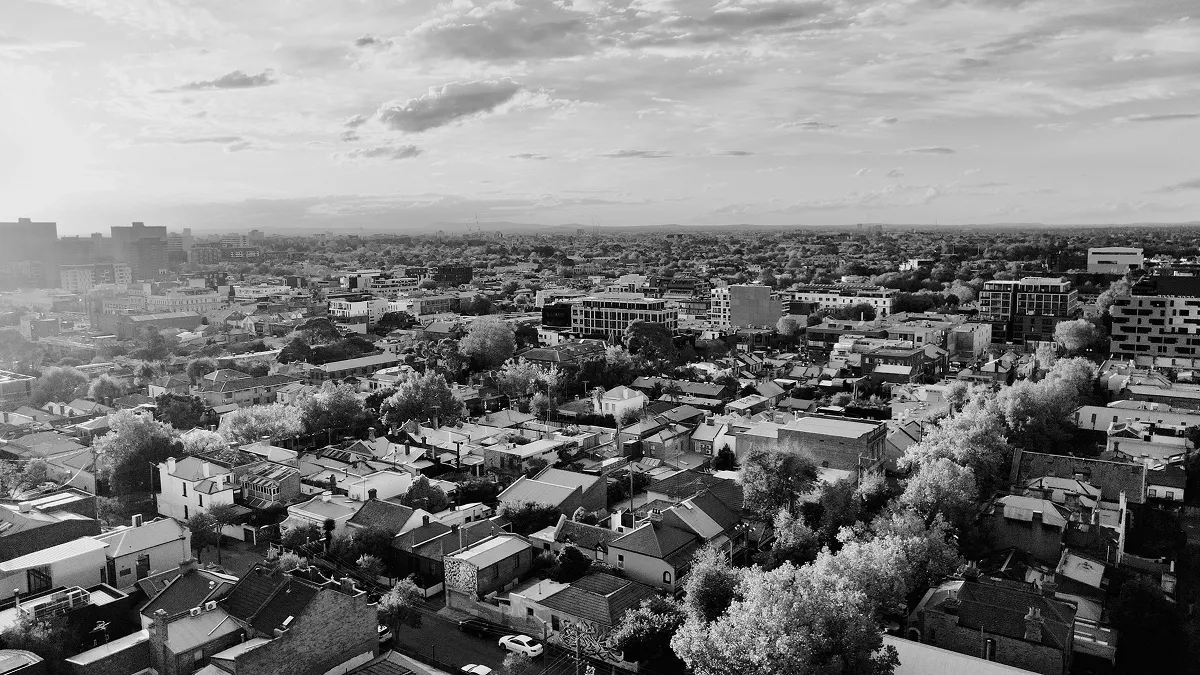
and how convenient the east is, what I notice and the feedback I get from most clients is the eastern suburbs offers you a lifestyle that not many other places in Australia can do.
It's a sort of lifestyle where you can be swimming at Bondi Beach at 7 o'clock in the morning and be sitting in the office in the CBD at 8.30. I don't know if there's that many places in Australia that can offer that.
and to be close to the lifestyle locations and then also close to work and close to the good schools you know our most valuable resource is our time and I think people who want to live in the east appreciate that the most.
Yeah, I mean, it's easier to sell the eastern suburbs, right, like you say, on livability and lifestyle, etc. I mean, not every property in the east grows at the same rate. Not everyone's performed the same over the last few decades.
I mean, when you look at it, you know, how do you in your mind break it up and where are the areas that you're concerned about and where are the areas that really stay truly special?
I think that walking distance, walkability, the walking distance to the beaches is such a resilient market. And I'm actually looking at a map at the moment. I've been studying the LMR housing policy and the new zoning. And the east hasn't been given as much
of the medium and high density as other areas but if i look at the three areas predominantly maruba junction rammock junction bondi junction bondi junction always had a lot of density and a little bit around rose bay but if you look along the strip where people want to live the most bondi beach bronte clovelli kuji maruba beach there's very little supply coming on and that's
pretty consistent what we've seen the last 10 20 years so the areas that are in most demand are also the most competitive and there's not going to be too much new supply coming on in the next period of time so those areas but then in those areas there's there's pockets of value where for example if you look at Coogee Beach there's areas that have a round week address that you can still
access Coogee Beach easier than parts of Coogee that are up and down the hill and likewise with Bondi Beach there's pockets on the eastern side of Bellevue Hill where it's easier to walk to the beach than some parts of North Bondi and so there's value pockets there that buyers often overlook
And throughout the eastern suburbs, like when I started out as a buyer's agent, I used to encourage buyers who had a tight budget and a growing family to look at something a little bit larger and just creep down the coast a bit towards Maroubra. And pre-COVID, that was like not considered an option.
And we saw during COVID how people realised that Maroobah is a suburb that offers families an exceptional lifestyle. It's got a great beach, bigger than all the other beaches and easy access. And there's parks and schools, really good lifestyle for young families.
But then there's pockets of Maroobah where it's not considered as safe as other areas. And there's other parts where easier for transport into the city. So they behave quite differently, even though it's got the same postcode and the same suburb name.
They're almost in four different quadrants and you can say the same about Randwick and other parts of the east as well. They're valued differently. They're a different lifestyle. They should almost be segregated into different postcodes. They're such a different part of that suburb.
If you think about maybe in your early days and what you also see a lot of buyers, mistakes, I guess, buyers make. I mean, you are offering a very dense area of Australia, right?
So there's lots of different options and different types of property, but it's also one of the most expensive parts of Australia. So people have got to make a lot of compromises to live in the area you're in.
What are some of the mistakes, those compromises that you see a lot of buyers make where they haven't really thought it through? They've just got wrapped up in the emotion of buying and trying to secure something and often when they don't realize it's going to be quite costly until they sell one day.
Having an exit strategy and having a medium to long-term plan on your purchase is really important because what may suit you to buy a two-bedroom apartment near the beach now, if you're with a partner and you haven't started the family yet, that property won't serve its purpose over five, six, seven years.
And as we know, purchase costs and selling costs with property are not insignificant. So if you can buy a property that will serve you for 10 years as opposed to three years, that will serve you well and something that you can add value to in that 10 year time frame.
Or even if you're not inclined to add value to the property yourself,
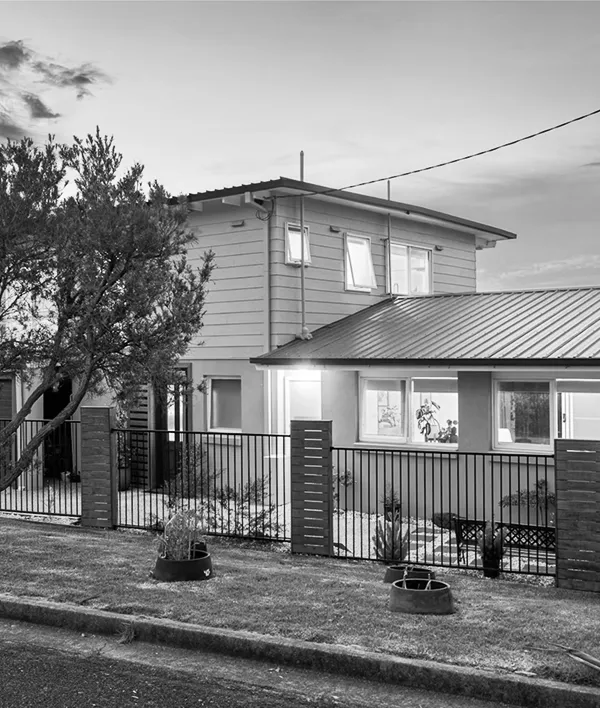
a property that will still hold the potential to go up another level or extend out so the next family we had a client about 2018 and they bought a house they were looking around Maroubra we bought a large house in Matreville and this property was actually a potential duplex site
and at the time they were getting excited about doing some updates to the property i said don't spend too much money because the real values in the land and they investigated that over the period that they owned it and enjoyed the location and they realized that they're not developers and they'd rather sell it to a developer which they did and pocketed about one and a half million in profit and then they downsized to a property that was completed but with
zero debt and they could enjoy their lifestyle now without having to have a mortgage so buying that property it wasn't perfect for them now but it did have the potential which they actually didn't even take advantage of but the sale price that they got was life-changing for them.
Yeah, I mean, you made some good points there, right? So it's really thinking through because the transaction costs to buy and sell and, you know, markets can run on you if particularly, you know, housing or three bed or semis versus apartment markets. And so trying to get something with a long term runway.
And the second point there, which I've noticed actually working with you over the years, Frank, I actually think that was one of our mutual clients, that story you might have forgot. And in buying a property that can add the value to it.
And whether you actually crystallize it or you just sit on it and make the property use for what you actually need today.
But if you ever decide to sell it, other buyers will be looking at it and saying, well, we can add a third level, a second level on top or a third bedroom. So you think about the areas and
some pockets or parts of suburbs that you've seen clients rush to or types of properties where they haven't thought it through. Can you think of any examples where in the eastern suburbs you've got to be careful?
Look, there's parts of Bondi Beach. Bondi is like a brand and you pay for that brand.
and if the property is too small or it's not going to be something that's like I said something that you can live in long term unless it's going to become an investment in the future looking at peripheral suburbs I think from a buying perspective it's really important to have multiple options when you're going into the negotiation because it's a very competitive market and if you're following a process where the selling agents are
funneling you through a process where you're going to auction then the only way to be successful in that process is to pay the most money and that's not ideal especially when you're competing with people some of them may have deeper pockets than yourself so one strategy that I find works exceptionally well is to have multiple options on the table and if you're just focusing on one area and you're just looking at the properties that are listed on the main real estate portals
that process becomes really difficult. So if you include surrounding suburbs, they may not be the ideal scenario for you, but it gives you further options. You may get a much bigger property one suburb further out. I'll give an example.
We had a client that were looking for a three bedroom apartment along the beaches. And at the time, no one really heard of Daisyville. It's a poor cousin of Kingsford. It's the same postcode, but there's some nice streets in Daisyville.
And we purchased them a three-bedroom semi in Daisyville for $1,460, I remember, just before COVID hit.
and they sold that last year for over two million and they used that as a deposit we bought them they could use that to buy a large house which is where they're in now and if they would have bought that apartment along the beaches they wouldn't have got that growth so just looking a suburb further out or something that may not have taken off yet often gets you to the second stage or the third stage of your life a lot quicker and a lot more successfully
Yeah, it sounds like you're not chasing the herd there and you're actually going, well, where's actually good bang for buck for this budget.
And maybe the client believes it's going to be a big lifestyle compromise, but really it's just a couple of K down the road, or maybe it's a little bit extra commute or further away from the beach and it suits a bigger buy pool.
And if, you know, as suburbs gentrify and prices move, you know, these suburbs now start to book really good value and, and, and may get some growers. I've seen you do that number of times over the years. I mean, from the, on the ground though, when you're working with agents, I mean,
I feel like that your relationships with agents and buyer's agents sometimes start off on the wrong foot. I think if you're a new buyer's agent but you know, how have your relationships with agents sort of evolved over the years?
It takes many years to build up trust, mutual trust between agents and to be transparent with them all the way through. Like I like to have multiple options for clients because it allows us to
have more choices and it also allows us to have a little bit of leverage in the negotiation if you're standing politely at an auction with a paddle in your hands you don't really have much leverage in the negotiation but if you're buying a property pre-market or off-market or pre-auction and you've got another property you'll only ever i think in life
get the best result until you're prepared to walk away from an opportunity and if you have multiple options then you'll be prepared to walk away at a lower price so being transparent with agents and saying look we are looking at this other property and tell them tell them the address you tell them which one it is and quite often
we'll end up buying that other property but a few months down the track when you're dealing with that agent again and you explain the situation again they'll believe you and it's a completely different situation to going to an agent and saying we've got another property there's our offer
it expires at five o'clock and running that sort of a passive aggressive style of negotiating which it's not really respectful to the vendor as well and puts them under the time pressure it's better i always find to explain we've got this other property if we're paying any more for this one but it'll likely persuade us to proceed with that other one and creating a fear of loss and a sense of urgency but in a respectful way
know a lot of young buyers agents feel and even a lot of clients say well we should put a time limit on this this can backfire as well because if you tell an agent there's our offer it's expiring at five o'clock tonight and then at 5 30 the agent sells it to someone else and without even coming back to you if you call the agent afterwards and say what happened why didn't you call me back well your offer expired it was no longer there so you've got to be tactful about how you create that sense of urgency and
The best way to do that is putting a lot more work in and having multiple options. And it's the best result for the client too. The more options you have, the better choice you can obviously make as well. But that process takes a lot of bandwidth as well.
And doing due diligence on multiple properties simultaneously is not something that most people on their own would feel comfortable with.
Yeah, I mean, I've seen you pull out that strategy many times. Often you actually go to the agents, right, and sit in their office to encourage them to make a deal. So having the contract printed out, et cetera.
But why do they want to work with Frank though versus say Frank five years ago or Frank 10 years ago? Like when you said it takes many years to build that trust with you, why do you think they want to work with the top buyers agents?
And what's the advantage you have of say, you know, a buyer on the street or a new to industry buyers agent?
I think they just know what they're going to get and they know how I'm going to deliver and I know how they're going to deliver and makes their job a lot easier as well.
I've never been a real estate agent but speaking to them regularly, hearing how buyers will make an offer and then completely ghost the agent. From an agent's point of view, for them to go to a vendor and say, we've got an offer here on this property.
and getting a result out of that getting an answer out of the vendor and then sometimes not even being sure if that if that buyer is going to follow through or what's going on behind the scenes so at least they know what they're going to get from me i bought a an apartment from an agent i bought from him at least four or five times and this was last week there was his property it was a gentleman in his late 80s he didn't want many people coming through his property
We heard about it a few months ago, and he had a specific price in mind. I was really straight with the agent. I said, no, we're not gonna pay that price. We're gonna keep looking elsewhere. A month and a half later, they adjusted their price a little bit.
We saw value at that price, and then we came and inspected it. And I didn't wanna waste the agent's time, disrupt the vendor who really didn't want many people coming through his house. He's been there for 45 years. He's going into a nursing home.
They didn't want to tidy up his place or get it ready for sale. So at least that agent knew that we were ready at that point in time. We had an understanding on price and the transaction. We looked at it on Wednesday afternoon and we exchanged Wednesday evening.
It was good for the vendor. It was excellent for the client. Everything went smoothly. It's a win-win all rounds. And it's hard for an agent to be confident to bring that buyer through if they don't trust the buyer's agent.
Does that make sense? Yeah, absolutely. I mean, they want a vetted buyer. Someone who's not going to fall over. He's not going to waste their time. He's not going to kick off a lot of other buyers and concern with the vendor.
And so I think you're more likely to get a stiff on that you know, 12 years into being a buyer's agent than you would if you were maybe doing one or two years and they haven't seen you or know you.
Do you think that's just one of the major benefits of those strong relationships that you're a safe pair of hands for a buyer if you're interested, you know, you're actually going to be able to make a deal happen versus may or may not be there to be able to make a deal?
I think we all feel more comfortable dealing with people that we've dealt with in the past and we know what we can expect from those people and from a from nature's point of view absolutely the more consistent you are with your behavior and the way you do business the more likely they'll want to do business with you more and it opens up so many more opportunities so in the early days it's difficult to get into those opportunities because of that lack of established relationship and track record but after
period of time and after several transactions it just gets easier absolutely you spoke a little bit about your property philosophy you know obviously getting a great asset that you're willing to grow into knowing your exit strategy something you can add value to but besides negotiating finding securing a good asset i mean what are some of the other ways where you
You know, at the end of the transaction and when you look at where you added value along that, where do you think you had some of the clients don't expect it at the start and then that's been a real key difference through the transaction.
There's a good example. I had a client, the wife was from interstate, the husband was from the UK and they were living in Potts Point and they started their family and they wanted to buy a house near the beach.
And there was a property in North Randwick that had gone through an auction campaign. It had been taken off the market. It was perfect for exactly what they wanted. They could grow into it, but it wasn't one of the suburbs that they wanted.
And I said to the guys, let's go and have a look at this. And they said, look, It's not the right location. We really don't want to be there. I don't want to waste your time. I said, come and have a look at it. They wanted quick access to the city.
They wanted walking distance to the beach. They wanted access to parks. They wanted a quiet street. They had a specific budget and this ticked off all the boxes. We went and had a look at it and I knew it quite well. I bought my first
property an apartment directly across the road so i knew exactly what the lifestyle that they wanted and how this location would give it to them we went and looked at the property they said look the location is great i exactly understand why you've got us to come here but the house the laundry's not right and the bathroom's this and we need to tweak a few things
So let's go back again. I'll talk you through exactly how we're going to go through that. And we went back a second time. We ended up buying the property and I bump into that client probably once every couple of months. I'll see them at Bondi Junction.
And the first thing they say is, we still love the place. We're so glad that we bought there. And they won't have to upsize or move out of that location as they would have if they would have bought a smaller semi right at the beach.
And the purchase, the sale costs and the purchase costs and the renovation costs, if they would have gone through that, they're so much better off in this little street in North Randwick, which that's a winner.
Yeah, it sounds like you're being a good sounding board there. And I mean, one of your little, the Frank specials is probably your building background is helpful. Like, you know, often you're making quick decisions on property and often properties aren't suited or structured currently how you want them to be, right?
You know, you bought a property for my sister right now that we're doing a reno on. And, you know, often, you know, it's about sort of having the the building now to know what's possible without having a tradesman in and can visualize it and help clients think it through.
So I think that's one of the, your building background absolutely sort of helps there. I mean, what are, what are the sort of things, Frank, you think the properties just really struggle to sell across the eastern suburbs where you just think, oh, it's, this one's just not going to fly.
And what are the ones that the deal breakers that you really try to avoid for your clients?
Good question. Obviously you can never fix location, you can never fix aspect, you can never fix the topography of the block. So if I looked at a place this morning and the backyard is south facing,
it's dipping down from the road so for most of the year the house itself shades the backyard so it's going to be difficult to grow grass there you're not going to want to spend time there in this wet weather that's set down from the road it's going to be damp and no matter what you do to renovate the bathrooms or kitchens or anything those types of properties won't be pleasant to live in they'll be difficult to sell i think they'll lag behind the market
So those things are a big nose. Obviously, busy roads is something that no one wants to buy in. So try and stay away from those busy roads. Poor construction, if it's in a block of units, if it's poor construction, if you spend, for example,
$50,000 or $60,000 or maybe $100,000 renovating kitchens and bathrooms, you'll get an immediate uplift in the property. But if you're spending $50,000 or $60,000 or $100,000 fixing some concrete cancer in a balcony or underpinning footings that are dropping, you won't get any uplift in the value of the property.
So knowing what defects can add value and what defects will just be a drain on your wallet is important. Those are the
the obviously the main things but if they're minor defects and they come up in a building a pest report and you know exactly how to deal with that defect and you can turn that in you can fix that quite easily and it turns off other buyers they're definitely things that you wouldn't discount immediately we bought a terrace in Redfern for
a client and the upstairs the whole wall was bubbling with paint and there was a smell of damp and they tried to sell it they couldn't sell it everyone walked in and walked straight out again all it was was one rusted sheet and bit of flashing that needed replacing which was a few thousand dollars once they did that then they were able to redo the wall it was a relatively cheap fix
And it's a beautiful terrace now. And a lot of people will balk at those sort of things that are really a couple of days work, not anything to be too nervous about.
Yeah, I think when you've seen a lot of properties, right, and you've maybe not just bought them, you've made offers on them, or you've done a building and pest on them, there's hundreds of properties that you've been close to buying, that you've done DD on, and adding on top of all the properties that you've purchased.
I think when you get to that stage where you're in love with it, you're emotional, you want to buy, you get this building and pest done, it's quite emotional to know what to do there, right?
Your brain's telling, just buy it, push on through, and your gut's saying, nah, this could be a bit of a lemon, and so... Do you find you do spend a bit of time with clients really helping them deciding what to continue on with and what to walk away from?
Yeah, that's interesting what you just mentioned. I've been studying a lot about this because people say that property is 80% psychology and not many people understand psychology, by no means a psychologist, but apparently that's called cognitive dissonance.
So what happens on the one hand, your brain wants to buy a property, but on the other hand, your brain's trying to protect you from making a mistake.
so it highlights all of these issues and you get so much hung up in them and then obviously you go to often people with especially if they're buying on their own they'll send a strata report or a building and pest report to the solicitor and the solicitor's job is to protect you so they'll just point out all of the things that are problems because that's their job
then a lot of people often go to family members or friends and your parents job as well. If you go to your parents, their job is to protect you. They've got an instinct to not let see see you make a mistake.
So you're going to people that will only feel like the issue is worse and you balk at making an offer.
and sometimes someone else will come in a few days later with a higher offer and you either miss out or you have to pay more or you walk away from an opportunity and look don't get me wrong sometimes these opportunities you should walk away from the issue is big enough that you can't fix
but sometimes it's your own fault and clients often need to be talked through that process. There's a lot of times when clients are really keen to buy a property and you have to actually stop them from going any further depending on their situation.
I have a gentleman earlier this year and he's heading towards retirement. The property he owns had been sold to a developer. It was in Bondi near the junction and he wanted to stay in that area and it was a property on Bennett Street and
There was a special levy because the balconies, the old concrete and brick balconies, they're slowly sagging. To fix that, you've got to take all the balconies off, redo them. There's some structural work. It's not cheap.
There's a quote in the Strata report for $80,000 a balcony, but I would expect that we'll probably be close to double that in today's construction costs. But he was really keen on that property and it became a pre-auction bidding scenario, which happens more often than not.
In fact, probably 70 or 80% of properties that are scheduled for auction in the East sell prior to. And he wanted to pay more. I said, no, by the time you pay for that balcony, it's going to be over your budget.
And it's not as if you'll be working for a lot longer to cover that cost. and you have to stop him from paying more and there's other situations where buyers need to be encouraged that the value that they're potentially able to buy that property for is still good value.
So before we make an offer obviously there's an auction price guide that a real estate agent will give buyers and that is not intended obviously to give the buyer accurate idea of the valuation of the property.
That is intended to draw you into the process but you still need to know where you should be negotiating with and where your walk away level should be.
So the detail we put into that is similar to in probably more detail than a bank valuation because we use lots of comparables and list all of the recent comparables and how they compare.
An agent may have two or three comparables or they might say well that house across the street sold for 3.5 and this house has got an extra bedroom so this is worth 3.8 to 4.
or they'll use some very simplistic logic which on the surface sounds sensible makes sense and people proceed to make an offer at that level but that house across the road how many square meters was the land how many square meters was the living area what were the size of the bedrooms what was the level of renovation what aspect did it have was it overlooked or was it private so many different variables just because it's on the same street that don't necessarily mean it's worth the same price
Oh, no, you've absolutely highlighted on why we're doing this podcast here, Frank, because that's one of the things I've noticed over the years is the buyer's agents who are at the top of the game are pretty active, right?
They're buying multiple properties often every week and, you know, particularly in peak periods of the market and to buy a couple of properties a week, they're looking at, you know, dozens and they know the market and often when they're doing their comparable research, they really know and they know,
you know, for years after years, you're accumulating knowledge and you can, in your mind, build reference points to say, actually, that's pretty good value because even two years ago, you could have bought this for that price.
So I think that's the sort of hidden knowledge, you know, the accumulated knowledge that I feel like you've got, Frank, and the top buyers agents have is they know all those reference points in the marketplace. Really appreciate you coming on, Frank. I'll put your link to your business in the show notes.
I've worked with Frank for many years and highly recommend his services to anyone buying in the East. And one thing for you, Frank, you do help people at all different stages, right? You're not so much just always at the top end.
You can help everything from a first home buyer and all the different budgets across the Eastern suburbs. Is that right? It's correct. Absolutely. Thanks so much, Frank. Appreciate you coming on. Thank you very much, Chris.
Thanks so much for listening today. We hope you got lots of value out of it. If you'd like to speak to our guests today, there's links in the show notes on how you can get in contact.
And if you're buying your first home, upgrading, renovating, or need any finance-related queries, obviously we'd love to help. There's links in the show notes to us as a mortgage broker, and we look forward to next week's episode.