

















.png)








Upgrading in a falling market: why the gap matters more than the headline
Prices are falling, but not evenly. For upgraders, the number that matters is the gap between your home and the next one.
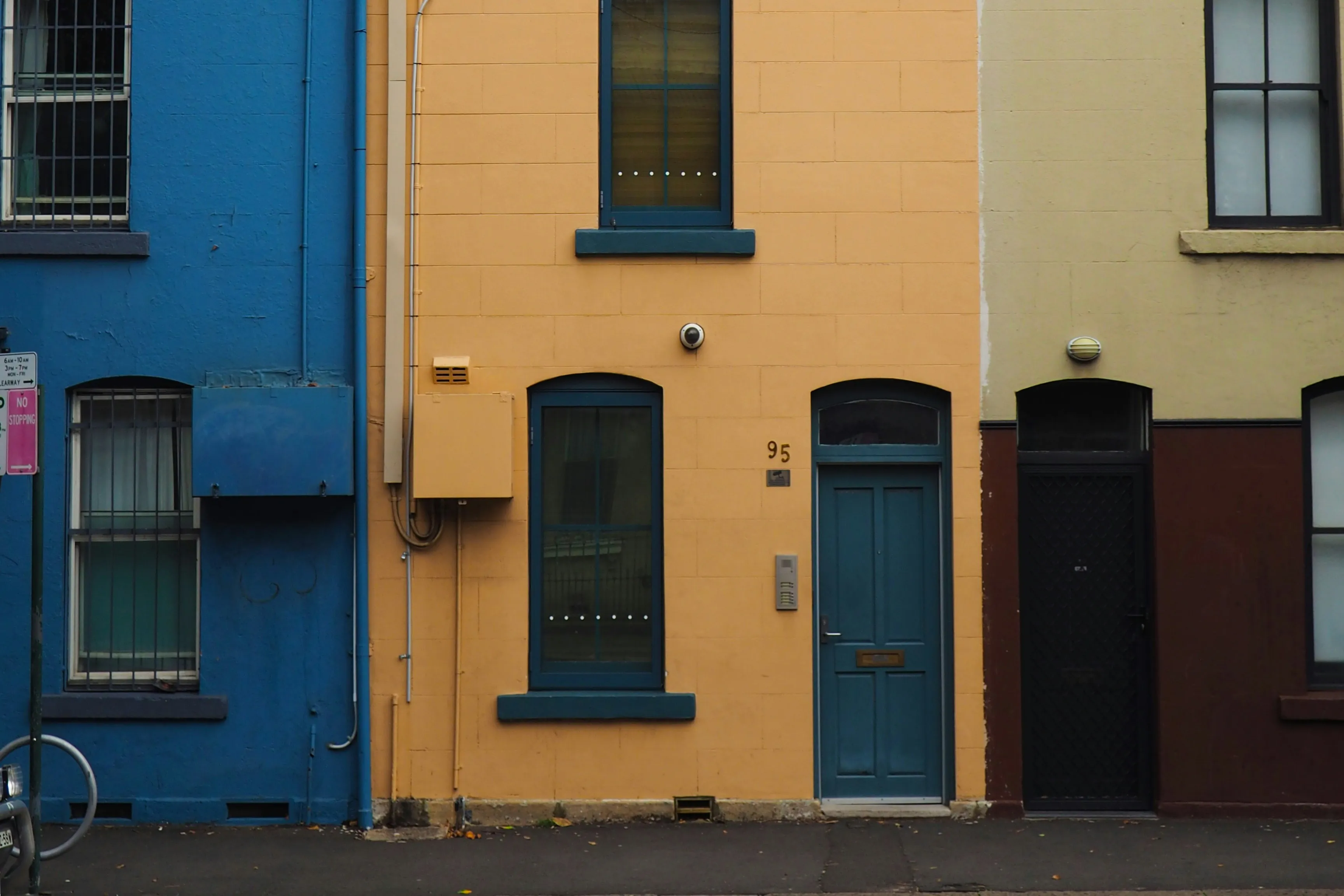

Most of the property headlines this spring have been about falling prices. If you own a home and have been thinking about your next one, that headline misses the number that matters to you. You are not buying the market. You are swapping one home for another, and what counts is the gap between the two.
What the numbers say
Cotality's Home Value Index for September showed Sydney values down 1.4% over the month and 4.9% over the quarter, and 8.6% below their February peak. Nationally, values were 5.2% below their March peak.
The fall has not been even. Cotality figures reported in September showed upper-quartile values in Sydney and Melbourne down more than 10% from their peak, while lower-quartile homes were down roughly 4% to 5.5%. The premium end has fallen at around twice the rate of the cheaper end.
For an upgrader, that is the point. If the home you own sits lower down the price range and the home you want sits higher up, the dollar gap between them may well be smaller than it was a year ago, even though both have dropped.
Why the gap matters more than the headline
When you upgrade, you sell and buy in the same market. A falling market lowers what you get, but it also lowers what you pay. What changes your position is the difference between the two moves.
That is why I look at upgrading as a question of the gap, not of timing the market. Nobody picks the bottom. But you can measure the gap today, compare it with what it was 12 months ago, and work out what it would cost you to close it.
A couple of honest caveats. These are city-wide averages, and your street, your suburb and your type of home will tell their own story. And lower-priced homes are falling too. Cotality's Tim Lawless put it plainly: lower-priced housing is no longer insulated. So the gap is something to check with real numbers for your own two homes, not something to assume.
The costs that don't show up in the gap
The gap is only part of the cost of moving. Stamp duty, legal fees, agent's commission, marketing, removalists, the cost of holding two loans for a while if timing doesn't line up. Put together, the costs of selling one home and buying another can run to 8% to 12% of the value of the move.
That is why the next home should be one you plan to stay in. As buyer's advocate Fiona Landreth put it on Street Secrets, property is a long-term hold, and you want this to be a five or even ten year home. If the move only suits you for two or three years, the transaction costs can eat whatever the smaller gap gave you.
Buy first or sell first?
This is the question I get most from upgraders. Selling first gives you certainty on your budget but leaves you exposed if the right home takes a while to find. Buying first means you secure the home you want, but you may be carrying two properties until yours sells.
Neither is right for everyone. In a market where good family homes are scarce, many of our clients lean towards securing the next home first, but only once they have stress-tested what happens if the sale takes longer or comes in lower than they hoped. That is a conversation to have with your broker before you start inspecting, not after you've fallen for a house.
Five questions to ask before you upgrade
1. What is the real gap? Not the headline price. The difference between what yours would sell for and what the next one costs.
2. What will the move cost? Stamp duty, legals, agent fees and moving costs, added up before you compare homes.
3. Is this a ten-year home? Will it still fit as the family changes?
4. Buy first or sell first? Each carries a different risk. Which one can your budget hold?
5. Is your loan ready to move? Can your current loan go with you, or will you need a new one?
Where to start

If you are weighing up a move, start with your own numbers: an up-to-date estimate of what your home would sell for, a realistic price range for the next one, and a clear picture of how much you can borrow today. An Alcove broker can work through those with you and show you what the gap looks like for your family.
Hear it in full
I talked this through in more depth with Pete Wargent on the Australian Property Podcast, in the episode "Another RBA hike, falling property prices and the upgrader opportunity" (20 September 2026). The upgrader section starts at 9:03.
This article is general information only and does not take into account your objectives, financial situation or needs. Figures are from Cotality's Home Value Index (September 2026 results, released 1 October 2026) and Cotality data reported by SBS News on 14 September 2026. Speak to an Alcove broker before making any decision about buying, selling or borrowing.
Related Blog posts



Selected Awards
2025 NSW/ACT Champion
AFG Broker Awards NSW
2025 AFG Champion Broker
Finalist: AFG National Broker Awards
2024 The Adviser
#1 Elite Broker Ranking
2024 MPA
#3 Top 100 Broker Ranking
2024 MFAA Excellence
Finance Broker Business Award