
Curious about upgrading?

Wondering where to start?

Complex questions that need answers?
Is there a better structure for you?










"They managed to navigate my complex expat income and even got my Google RSU income approved as well."
"I highly recommend Alcove to anyone looking for a mortgage broker who is responsive, trustworthy, and truly cares about their clients. Thanks again to the whole team for making the process such a positive experience!"
"As founders, we're constantly jumping between things so having a partner that handled the details & made the process super clear made the buying process breezy for us. Very happy with the experience!"

“It almost felt like it was his responsibility to make it clear to me, not my responsibility to understand it.”
“I've been pretty much fully leveraged the whole time. So the sounding board on that, in terms of what was achievable, what wasn't — I think trust is just built along that.”












"Alcove has been a great partner. They look after my audience properly, keep things simple, and deliver real value. I’ve got full confidence referring clients knowing they’ll get honest, straightforward advice."

"Property is one of the biggest financial decisions people make. Alcove stood out because they take a strategic approach to lending - helping clients structure property and debt decisions in a way that genuinely supports their broader financial plans."


Adapted from audio. This article is a written adaptation of the original podcast episode. Sources and dates are shown with each figure.

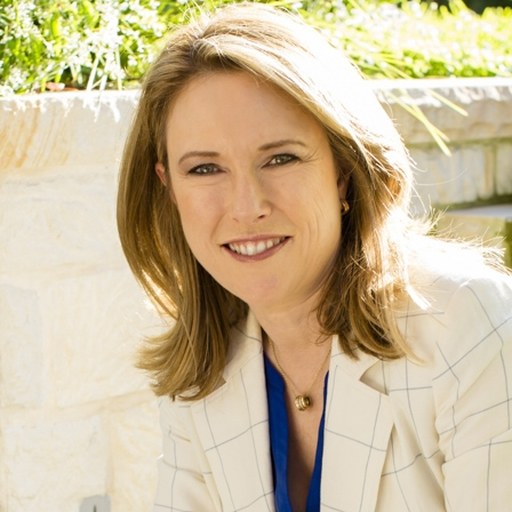
Co-host of The Elephant in the Room. Real estate agent, buyer's agent and buyer's agent mentor, co-host of Foxtel's Location, Location, Location Australia, author of Auction Ready and co-host of Your First Home Buyer Guide.

Ludwina Dautovic on Whether Spare Rooms Can Ease the Rental Crisis
Australia is said to have 13.5 million unused spare bedrooms. Ludwina Dautovic of The Room Xchange sets out how house sharing works in practice, and where it stops.
In this episode, we're talking with Ludwina Dordovic from The Room Exchange, which is a house sharing platform. And we're going to explore whether tapping into a reported 13 and a half million unused spare bedrooms across the country will have any material impact on the housing crisis.
COVID lockdowns resulted in a marked decrease in house sharing and now with mortgage repayments and rents rising so steeply, will we see not only a rise in shared housing, but a completely new demographic now making the choice to share? And what are the risks of bringing a stranger into your home?
From security to future tax liability, what should you be thinking about if you want to go down this path?
Welcome to the elephant in the room. This is the podcast where we love to talk about the big things in property that never usually get talked about.
I'm Veronica Morgan, real estate agent, buyer's agent and buyer's agent mentor, co-host of Foxtel's Location, Location, Location Australia, author of Auction Ready and co-host of Your First Home Buyer Guide.
And I'm Chris Bates, mortgage broker, recently ranked number five in Australia out of over 18,000 brokers in the annual MPA Top 100 Mortgage Broker Award. Before we get started, I need to let you know that nothing we say here can be taken as personal advice.
We always recommend you engage the services of an appropriate and experienced professional.
Our guest today is Ludwina Dordovic. She is the CEO and founder of The Room Exchange, which is a house sharing platform that provides digital ID verification, profile matching and rental options so homeowners can feel confident in the house sharing process.
It's her belief that with continual interest rate hikes and inflation on the rise, a spare room can yield $10,000 a year or more. It can help relieve mortgage stress and provide rental accommodation for those priced out of the rental market. So thanks so much for coming along today, Ludwina.
We all agree that this is a big problem and we need some immediate solutions. So let's find out more about this option. Thank you.
Where would you like me to start? Just to talk about the remix, Shane?
Yeah, I mean, I think it's quite fortuitous that you've started this, right? I mean, can you give us a little bit, we don't usually go into the full story, started this, I was doing this, etc.
But it'd be interesting to know, like, what got you to start this because it's a very different world. to 2023 and the COVID world and how our living standards and the rental crisis that we've got now and the housing affordability crisis, you didn't start this business yesterday.
So maybe it'd be interesting to hear the story and how the market shifted during that period since you started.
Yeah, so we're not an overnight success. We're actually heading into our seventh year. And look, thankfully so, because I think with any startup, you go through a process of, you know, testing, measuring, failing, retesting, measuring, failing.
And we've actually got the platform to a point where it's really solid now at a time when the country really needs us most. When I first founded the company, it was just, I've been an entrepreneur for 31 years and I've spent most of the time creating businesses and
services that have actually solved a problem for myself, and at this particular point, my elder son had left home, you know, I cried like most mothers do for about the first year, and then I started, every time I was walking past his room, I started seeing it as a cost centre.
And this beautiful, ordained bedroom that was suffering from pillification, and you know, it was sort of ordained with these beautiful quilts and pillows, and had not been slept in at all in that year, and I was sort of like, I started to think, this is costing me about $200 a week, so I'm going to start doing something with it.
And so after doing that for a couple of years and I had a few people live with me in that time, my friends started asking me, you know, where can they find someone?
And when I hear something is a good idea three or more times, I start growing antennas out of my head and paid attention to it and did some market research and realized that there was definitely a model in this.
So the reason it originally started was really just to, you know, I guess utilize the room. We have a rent and rent offset option, which means that you can ask for help and or rent or a mix of both.
So I was getting a mix of both, which was really helpful because my husband and I both run businesses from home. We were really busy. So we had people who were doing, you know, some of them paid rent because that's what they wanted. Some of them were paying part rent, part help.
Some live with us and were just helping us out eight to 10 hours a week and we'd feed and house them.
You know, the model has been refined over time and it's been refined in a way that actually really suits the market, suits the need. I'm both a homeowner, self-managed landlord and a tenant myself. So I have a really good understanding of the housing market across the board.
And I think that's given me some powerful insights into how we've developed this business model.
I mean, it's pretty amazing to think that we need this so much now more than ever. I mean, could you see the writing on the wall like in the years past where, you know, rental prices were going up and there's becoming a real, I mean, everyone went into their own accommodation during COVID.
Like how has it shifted over the last few years for you?
Look, I've always considered myself a futurist. I was, you know, podcasting in 2010. I was writing and publishing books on digital marketing before I had a media program that was running schools back in the analog days.
You know, I've kind of always sort of seen things just looking at trends and seeing where things are heading.
I knew that, um, with the, the huge increase that's happened in a very short amount of time, the cost of buying a house would definitely have an impact on rent and rental supply, it kind of makes sense.
My children, or my adults, are 31 and 29, and I hear a lot firsthand from them as well in terms of the market, what's happening, and they're making decisions, very personal decisions about how they're going to live their life based on the cost of housing.
You know, I also hear firsthand the challenges they have with renting and, you know, there's a lot of conversations that I'm privy to in regards to what's going on.
So, and because of my personal interest, Chris, you know, like I'm, you know, that thing, it's like when you're really passionate about something, you sort of dig and delve into the topic more so than the average person.
And I could see that, you know, renting once upon a time was for a select group of people. Generally, the young adult who was leaving home for the first time or going to uni or the backpacker, that's generally the share, it was the share house demographic. But now renters are changing.
People like myself and my husband who choose to rent for lifestyle purposes change. There are people who rent, majority of them now for necessity, and there are people who resign themselves to the fact that they will rent all of their life. Now, we don't have the rental supply to cater for that, though.
And we can't build our way out of this, but we can share our way through it. And that's where I see, you know, this model of house sharing. And there's so many added benefits to it. It's not just...
solving a housing problem there's a heck of a lot of benefits to the homeowner we're helping homeowners hang on to their homes as you mentioned in the intro the interest rate heights are really and i'm affected by that as well massively um having a such a huge financial impact are weighing very heavily on australians at the moment if we can help as many australians hang on to their homes as possible that's less people going into the rental market as well and we don't want people losing their homes there's a
So, and it's really interesting, Chris, this is the first time since we started that we've had as many homeowners signing up as we have people looking for something rent. It used to be 25, 75 and now it's 50, 50.
And depending on the news announcements, it can actually go up more on the homeowner side of things.
It's interesting too, you've got that sort of rental offset option as well, which, you know, on the face of it, when I looked at the platform, I thought, oh, it's not really that materially different to say flatmates, you know, the flatmates.com, whatever it's called, you know, like it's just people looking to either, they've got a room or they're looking for a room, right?
Yeah. That sort of offset and the ability to, I guess what that does is it helps people who particularly would be priced out of living in a certain area.
So say people that are lower income earners, and this is a topic of conversation that we've had with many people on the podcast around as property prices go up, as rentals go up, then you can't house emergency services workers. You can't house your teachers. You can't house your baristas.
You can't house the people that are the cleaners, the people that are responsible for our cities to function. They can't be housed close to where everybody's living. And so that is a problem. It creates a longer-term problem. Whereas I guess in a way, this is a solution to that too, isn't it?
Because people can, you know, it's a bit like sweat equity, you know, like you can earn a bit of your rent, right?
Yeah. Look, there's a few benefits to this. I think the point that you just brought up, if we can talk about that a little bit in terms of regional and what's happening with regional and And workers.
But even in the cities, like I've heard of some people travelling a couple of hours to get to and from work in the city. And it's all well and good to have the nice restaurants and cafes and, you know, high-priced housing.
But if there's nobody there to service those people, well then, you know, that's really no good to them. But the rent offset model is really... And you brought up our point of difference. So first and foremost, we're a mandatory verified house sharing platform. There's no option.
And we're the only one in the country that does that. And we do that because we're going into people's homes. It's homeowners. This is not a share house arrangement. What we do is very unique to anything that's out there.
Our supplier homeowners, that's first and foremost the key difference, the mandatory verification, the profile matching. So that you feel like you're coming home to a friend that's super important to our homeowners. And then you've got the rent or rent offset option.
Now with that third one, it's like your spare bedroom, I see that as an asset in your home. And every home has a different value on that asset. So it could be that they need the rent. Perhaps some home doesn't need the rent, but...
having their children picked up from school Monday to Friday, looked after for an hour, might be a heck of a lot more valuable considering it's very difficult to get short-term care and short-term care can be very high priced as well.
Or it might be that when I'm a housemate, because I do this a few times a year, I go into other people's houses to test the market on that side of the user. And when I go in, you want me to cook for you because that's a really big passion of mine.
So it might be that Somebody just doesn't have time to cook every night. So if you cook five meals a week, I'll just charge a half the rent or, you know, there's a number of different ways to negotiate it.
If you're a older couple who's maybe it's not viable to downsize, not always is, but they might go away a lot that, you know, you can negotiate house sitting while they're away. There's a number of different ways that you can do that.
And you find initially what you thought the demand would be on both sides and then what's happened over the last seven years, it's just not what you would initially think.
You might be, I don't know, a lot of older people than you expected or maybe it's not just that typical younger people and young families, the help around the house is massive help, right? So yeah, are you getting lots of different people using the platform that you wouldn't usually expect?
Look, I think when you're looking at
what you would assume a demographic to be it's a different story so when you're looking at a financial need or a home help need every household of any demographic requires that you can get professional um individual professional couples or someone who's just you know couple that's just had a child or you know we have elderly people that um a lot of them actually prefer women over 50 interestingly because there's an assumption that they prefer younger people
And women over 50, a lot of them are looking for rentals now. So there's demographics across a number of different types of people that you just wouldn't expect. But it's more about the need.
Not about culture or age or where they're at in the stage of life, it's just really purely based on what they need at the time.
So Scott came out a few weeks ago, I'm not sure if you read about that, where he was basically, I guess, encouraging your solution, right? Basically saying the government, one of the solutions we should be looking at right now is changing tax laws around people renting out rooms. Right.
Did you read that article? Did you have thoughts about that? Have you seen it?
I've been recovering from COVID the last couple of weeks. Yeah, okay. But it's interesting because I've been advocating for that for a very long time and I recently put in a submission for the government's worst...
worsening housing crisis in Australia we're number 72 I believe and we put that fourth in that submission as well so you know hopefully they read that there's a scheme in the UK rental scheme which has been going on for a while which I think is something that we should adopt in Australia and that gives in the UK you can earn up to seven and a half
And they do that to incentivise homeowners to actually share their rooms because they know it's existing housing stock and it helps solve the problem. It's housing that doesn't have to be built.
And I think that we should definitely be doing the same thing in Australia. Look, you know, you've got to claim any income that you earn. If you own a home and you're earning income from renting a room, you do have to claim that on tax.
The tax on it would be marginal in comparison to the benefit that you would get from it. So I certainly don't see that as a deterrent.
But, you know, you would definitely get a whole lot more people doing it if they didn't feel that there would be any, you know, additional cost to them for doing so, particularly because we're helping the government solve a problem.
But is there an implication on capital gains tax as well?
Look, Veronica, that's something that I have been trying to figure this out for a while and I literally in the last week have had a lot of conversations around it. So I'm not going to comment specifically because it depends on a few things and I'm not a tax expert.
So are you seeking to get a ruling on that or...? Yeah, look, I'm working through that at the moment to just from my own knowledge to be able to answer that question. But at this point, what I would say is just have a conversation with your accountant if you're concerned about that.
But again, you know, when you look at the immediate benefits that you get from it, you just need to weigh up, you know, the cost benefit ratio there isn't worth it for you to do it. Well, then, um, absolutely.
You know, like I, I'm looking at this time and, you know, when we were in lockdown as well, it's like, well, what are the expectations for the year? If we don't lose anything, it's a good year. And what assets do we have access to that can help us get through this time?
And I think that we're in one of those times at the moment that it's just like, what do we have access to that we can utilize to help us through?
Have you got any idea of how many, like, you know, is the government even spoken to around this? I mean, every single time you rent out a room, you're easing the pressure, right? Like, because that person would have to sleep somewhere that night. And that room wasn't on the market before.
You're basically creating housing stock, right, or housing dwellings or places or beds for people. You know, it's like a real immediate thing. Is the government speaking to you or are they any interest in this at the moment? Because Surely it's a real obvious solution when we've got this issue.
Yeah. Well, I'm yelling, Chris. We're standing on the rooftops and yelling as loud as we can. Who's we, though?
Is it an association you're part of?
No. When I say we, it's just our team. Right. We are a for-profit company. We're not a not-for-profit or an association or an org in that sense. Yeah.
You know, like it's, we have a very sophisticated technology that we've built and we've refined and it's there and, you know, it's right there for the taking. There's a number of different ways that we can actually support technology. the government in supporting the people in Australia.
Um, you know, we're doing that anyway in a number of different organisations that we, um, help directly. We've got, um, B2B, um, products that we, um, offer out as well as, um, directly going to our, uh, consumer base. Um, but, you know, it's like... Like every other business, we're affected in COVID.
We had to go back to startup phase 15 months ago and build our way up as well. And it's just like, what's immediate right now? We're trying to get out as much information as we can to the right people.
And at the same token, running a platform that's servicing thousands of people at the same time.
Sort of interesting because, I mean, seven years ago when you birthed this idea, you know, there was definitely no obvious pressing need for this. It would have been, I think, you know, sort of rippling potentially and undercurrent. I mean, interest rates were low. They were low.
I mean, not as low as during the COVID years, but, you know, certainly they were still pretty low.
You know, people don't typically think that as you get older in your home, you're going to want to rent out a spare room. Some people might take on a few students, but beyond that, you know, you just want your house to yourself, right? And then, of course, COVID hits and everybody...
you know, the end of the share house. Nobody wants to be in a share house anymore. They will hate their flatmates. And it's just, they don't want to be locked down in that scenario. And so that changed that makeup.
And in fact, that very phenomenon was one of the contributors to the rental crisis we've got at the moment, whereas all of a sudden everybody need more space and there's smaller housing, you know, smaller dwelling sizes, smaller, what do you say that? It's... a lower amount of people per dwelling.
But let's be real. I mean, we have a problem that I was listening to Chris Richardson on Q&A the other night, and he was basically saying this will take a decade for us to get out of this problem that we've got ourselves into.
So there's obviously a decade's worth of potentially this being a viable thing for people to do. And obviously with higher interest rates, et cetera, et cetera, there's an impetus for people to want to open up their homes. But I guess let's be real.
How easy is it going to be for somebody in their 40s or their 50s who's been living on their own to return to house sharing and want to keep it up? So I guess what are the odds of it working?
I know you've got matching and all that sort of stuff, but is that enough?
Yeah. Look, I, I often get asked the question, you know, what, can you tell us a story when it didn't work? And unfortunately I can't because we've not had one complaint in the six years we've been in operation. Um, the, the way that we've got this set up, um, you can imagine that.
hundreds of conversations that our team has had with people, you know, and we've really drilled down into what are your concerns? Um, the main concern is safety security. Then it's like compatibility. Um, and then it's the systems behind it to, um, to give them the confidence to be able to do it.
So we've developed a whole bunch of resources and systems and we have, you know, with, um, people can be assigned with a house sharing coach, you know, if they want that additional human support, which is, um, something that we've just recently started to implement. Wow. Um, yeah, yeah.
Um, and I think that the idea, and I'll speak for myself. So I, um, when our second, well, when our first child left home, um, it was the dynamic of the house had shifted because his personality obviously added something to it.
And I kind of really miss that energy between our kids, that sort of bouncing off they used to do with each other. And that was one of the things that I liked about when we got somebody, the first person that we got in was kind of similar personality to Jordan.
I've only just realized that that's a, that was a coincidence. Maybe I don't know. Um, and then over time there was a sort of a personality type that we kind of gelled with and they're the kinds of people that we would get in.
Um, and then when my daughter left home, then it was, we started to get some older people in and just kind of shake it up a little bit. What we've found over time, um, is there's a lot of value that these people actually add to your life.
And I think it's just more of a shift of thinking. People think about what it is they're going to lose, but they don't really think about what it is they're going to gain. So I've been married 31 years, love my husband dearly, but the dinner table conversation gets a bit stale.
And it's just really nice to have one or two other people there to hear different stories and to hear their insights and to have debates and conversations with. The house sharing, sorry, the housework load is divided up. The food we eat is varied. We're not cooking every night.
When we go away on holidays, the plants are going to get watered. You know, if you have a pet, they'll get looked after. There's just so many, the neighbours know who you're living with. So there's this comfort of familiarity that occurs.
There's a high level of respect that actually comes from the people that move into your home. And if you think about it, they're coming into – It's mostly a fully furnished bedroom, three quarters of the time, at least an en suite and or a bathroom that they get to use on their own.
The most it's with one, they'll share it with one other person, but that's rare. Everything in the house they get access to, they get access to the entire network of people in the home. And the people in the home get to, you know, to feed that back to that person.
And there's a sense of contribution that comes from that that just feels really good. And, you know, these people are just people that have got jobs. They're looking for somewhere to rent. They're not people that are in dire straits. We are not a solution to homelessness.
We, you know, we are what we are is what we are. And for people to go through the process to actually register and get verified and to do all that on our platform, it actually says something about them at the end of it.
So they've gone through that level of friction that we've set up. Then they're not hiding who they are. Right. And it tells you something about their character. And that's why I believe that it works. And then we've got the private inbuilt messaging system so they can chat there before they meet.
And it's funny. It was on Canberra radio recently and they called us Tinder for our sharing. Um, but, But it is really about that.
And, you know, we engage with people that we don't know all the time that can very quickly become friends because of our intellect, our intelligence, our instinct, our interest, the commonality that we share with them. It's no different to this.
And if you assume the best in people, it's really interesting what comes back out of that. I don't know if that answered your question exactly, Veronica. It's just, you know, the stories that we hear are just beautiful.
I mean, I lived in 30, I lived in like over 30 house shares in my 20s. It was like a ridiculous amount. Like in London, I lived in, so I would stay there for six months and I would, like in Sydney, I lived all over Sydney. I lived all over Melbourne.
I would just naturally go, I can't.
make you guys use a gray but i want to live in this part of sydney now and i want to try somewhere new and you know it was all different people and a lot of them i'm still friends with actually so i've gone through that i think it really is in the family situation it works as well like
You know, we've got two young kids. We've got spare bedrooms. There's lots going on. Cleaning, cooking, you know, kindy drop-offs, you know, and, you know, someone just around just to help. And also help with the rent, the mortgages and things like that. But I think it really helps there.
I think it helps people with, you know, the... The couples without kids or, you know, like you say, they go on holidays. It helps people who are single at all ages, even elderly. You know, I think just having company and someone at the home, I think you could really help.
Particularly if you can get past that, you know, the security and concerns and then being able to get someone out if they don't suit. Have you had agency, like real estate agents and property managers come to you as a solution? Because it makes a lot of sense, right? Like I'm leasing a property.
I thought I needed that spare bedroom. I can't afford to rent this property anymore because the rent's gone up. So I need a flatmate now, but I'm a really good tenant. Your technology could really suit them to basically, and it saves the agent having to release it.
How are property managers looking at your tech and saying, this could be a solution for us to keep our tenants. I mean, I know there's a rental crisis, so they probably have no problems releasing it, but are they interested in your tech at all?
Yeah, I like your thinking, Chris. And one of the taglines that I'm beginning to use lately is the real estate is real estate's third option. So house sharing is real estate's third option. So we have home ownership, renting, and then house sharing.
And I think where the market's heading, we need to give it that level of the same equal value as renting, right? Yeah.
I'd like to see it have the same level of respect because then you think about it, if somebody's going into someone's home and they live there for 12 months and they've had a really great relationship and that homeowner can give them a great reference, I think there's a lot more to being able to do that than just going into a home where nobody else is, right?
Like you're just renting a home, right? So I think high value there. But when you think about the
the amount of people that are turned away from rentals, like I'm hearing, you know, 50, 60, 70, up to 100 people applying for the one rental property, it must be devastating for the property managers to continually have to be turning away the same people, whereas they could say to the single individuals, because we're just a platform for single people, the single individuals will go over to the room exchange because they'd be able to help you out.
That would definitely give them, you know, a lot more opportunity you know, comfort and knowing that they're able to do something.
And then thinking about that long term, the level of respect that an individual would have to have as somebody else's home, living there for 12 months, when they then go and rent, if that real estate agent referred them to us in the first place, then obviously there's going to be an affiliation there.
So I think there's some goodwill that can definitely be generated there. And there's a lot of conversation. I'm very active in the prop tech space. We actually won a major prop tech award this year for most innovative scale up for environmental, social and sustainability.
Um, so, you know, we're very much moving in that, in and around that space, um, to, you know, partner with a number of different, um, organizations as well to get this sort of cross pollination happening. And the real estate industry is definitely on our radar.
I'm on a personal mission to help more people make better property decisions. And you can find out all about what I'm working on at veronicamorgan.com.au.
And there you'll find resources for first home buyers, details about my buyer's agent mentoring program, access to suburb help for investors, or if you're looking to buy your dream home or an investment property in Sydney's inner west, eastern suburbs, or lower North Shore, you can connect with my team at Good Deeds Property Buyers.
If you're thinking about buying your first home, upgrading to a new one or purchasing an investment property anywhere in Australia, we would love to carefully guide you through this journey and importantly, get the finance right. Please reach out via our website, wealthful.com.au.
Don't forget that you can download our free full or forecaster report. Which experts can you trust to get it right? Theelephantintheroom.com.au.
Well, I mean, yeah, your rent's going to go up from $600 to $750. That's just the market rent. So my mortgage has gone up. You're a great tenant. I want it.
get rid of you. And I'd bet you probably can't afford it, but you've got a spare bedroom. So why don't you use something like the room exchange to help you afford that rent? Like, I don't know.
It sort of goes hand in hand as a solution to, you know, as a goodwill to keeping the tenants in the properties. I don't know. I just sort of had that idea.
Yeah, absolutely. It's a great idea. Thanks, Chris. Yeah. It's also though, it sort of hits head to head with, you know, work from home or hybrid.
Uh, working arrangements, you know, so this is getting to the point where it's a massive luxury to be able to work from home now in terms of having that space dedicated to an office rather than a bedroom.
Um, particularly if, particularly with the shortage, I mean, in terms of that 13 and a half million vacant bedrooms across the country, how many of those have been turned into home offices? Because we really have changed the way we work.
I'm recording this from a home office that could be a bedroom, but you know, I work from home half the week, so. Now, I didn't do that before COVID hit. You know, we used to record in a studio, didn't we, Chris? We never went back.
So there's certain things that have changed, possibly permanently.
Although, are you seeing that that may well then actually start reverting back to full-time in the office because people can't afford, there's the luxury of that spare room or the, you know, the office space, that's very much a luxury now that cannot be afforded by many people?
I think yes and yes is the answer to both of those. I know that a lot of workplaces are looking at, you know, sort of getting more people back into the office.
I've actually been working from home my entire life, so I prefer it at home myself. But look, we're only, if we just get 10% of those $13.5 million,
bedrooms that's 1.35 million homes that you know are more stable and 1.35 million people that are renting right that if you just think of that number just 10 so that ticks off the ones that maybe don't have this bit uh you know the we're talking about unused spare bedrooms actually veronica so that was according to the 2021 abs so i think when they um uh it was specifically unused spare bedrooms so i don't know if that's you know if they factored in the home office as well
Yeah, and potentially it's more now because 2021, we were actually in lockdown when we did that, did the last census. All right. So what sort of leads and arrangements? You talked about having a sort of a sharing coach.
You talked about having, you know, agreements in place or, you know, the resources that you provide basically to streamline that whole process of sharing with somebody and What needs to be in place?
I mean, in the tenancy, there's tenancy acts in every single state, you know, and so therefore there are requirements, legal requirements in terms of signing leases and protections for tenants, etc., etc., and for landlords for that matter as well. How does it work in this space?
I mean, how are the actual, do we call them tenants? You know, the person renting the room? I mean, how is that person protected? How is the homeowner or the head lessee protected?
How does that all work? Well, we use a, um, we don't call them tenants. So there's no tenancies that, or tenancy agreements that, um, I mean, I, I don't know for sure. Some homeowners might go down that path. I don't know.
But, um, we have, uh, a house share agreement template and we strongly recommend that anybody who is bringing somebody into their home to house share that they have some, a civil agreement, we call it. So it's a, an agreement of understanding of the terms of the, um, relationship, um, and
And we actually have a service where we help facilitate that because we're so strong on making sure that that actually happens. It's just a thing. It's like, you know, what are the rules around food? When are you going to pay the rent? Is it an offset?
Well, what are we agreeing that the rent offset is? You know, we even talk about the exit plan because every single one of these arrangements will come to an end at some point. You know, what are the expectations around that?
They're generally a month-to-month understanding, so you can decide at any time, you know, usually with a month's notice that you want to move on.
You know, we encourage people to, you know, put in that agreement that for the first month, every Friday or Monday, whatever, you know, after dinner, they'll have a house meeting. to talk about how things are going.
We strongly recommend that communication flow is something that is instilled in the relationship, particularly in the early days, because it establishes a routine and a pattern of communication that then, you know, when there are issues that arise, and I don't say if, because there will always be issues that arise, you know, you've got a level of respect and understanding knowing that
You can go to each other, talk about it. One of the things that we explain to our homeowners is that there is a power dynamic in the homeowners. Yeah, I was about to say that.
Yeah, yeah.
Yeah. And for myself, when we get somebody new into our home, I'm very mindful about that. And I say to them, look, I know that you know that this is our house and everything in it is our stuff.
um but I want you to feel like you're at home so what can we do to make you feel like this is your home and we succeed in it every time because if you give the person that gift of saying you know we want you to feel at home do you know it's no different Veronica when you have your parents or your sibling or friend come and stay with you you want them to feel at home right so it's the same thing do you need a fan in your room is it warm enough is it cool enough do you need additional bedding you know um
What would you like to do in regards to food? Do you want to, you know, we like to eat together at least two or three times a week. Otherwise, I feel like I'm living with strangers in our home. Does that suit you? What would you like to cook?
You know, it's just having that level of understanding. I say to people, you know, if you think of any relationship that you've had in your life that hasn't worked out, what was the reason why you think it didn't work out? And every single time they say because they stopped talking.
Yeah. What would be the number one thing, though, that becomes the bane of contention? I'm guessing I think I know what I think it would be, but I'm curious to know if there is an area of dispute. You said you've had no complaints in six years, so that's great.
But if there is an area of dispute, an area of trouble, the most likely one, what is it likely to be?
Oh, I don't know. Maybe if they're, if they, a habit change or something, like if they became a smoker or if they became. All right.
So you don't, you don't track it. I mean, cause then you're matching cleanliness. I'm thinking cleanliness. Oh, okay. I've got you. People have different standards of cleanliness or tidiness, right?
Great question. So, you know, profiling, there are very specific questions that are asked about how you like to live. And we don't ask them in a way that will encourage you to answer in a way that you think the person wants you to answer.
So I've got a background, you know, back in the day when life coaching started to become a thing in Australia, I was one of the first life coaches and NLP practitioners. I've got a pretty good, I've had hundreds of hours of coaching people, right?
So I use a lot of that skill that I developed in that time to actually create the profiling questions. They're non-invasive and they're multiple choice. So it's like, you know, are you wanting-
No judgment, exactly. You could be a hoarder, but we're not going to judge you. Just tell us. We'll match you with another one.
But there are people who, you know, sort of reasonably tidy. means that they're not anal. And then you get people that are really, you know, anal. Like, I love having people live with us who are openly OCD. And they'll say it on their profile.
And it's like, yes, please, come and organise a recovery in my house. And they love it, you know. But we don't live that way. We're tidy, but I don't like things laying around.
So you have an opportunity to kind of describe how you like to live, you know, the kinds of activities you like to do. Like, if you're a night owl, you wouldn't suit our home, right? Yeah.
You know, so there's certain things that if, you know, one of the questions that we ask is like, do you like to, to have a good debate about politics around the dinner table? If you answer yes, I, you're not going to fit in my household, you know?
So the things that, but other people love that kind of thing, you know? So it's, there's, you can pretty much 75 to 80% say, yes, I would get along with that person. And then the next step, so the verified, the profile gives you an instinct that you'd get along with them.
Then you can send a connect request. They can look at your profile. If they think they like you, they'll accept it. Then you can start messaging and then you can go and meet up with each other or have a phone call and then meet up.
And then we encourage people to have a, you know, two or three night long weekend trial. And then if you're happy with that, then you can move it. You think at that point, if you haven't got it right.
You know, there's just so many things that have been put in place there for you to figure that out. So you're not just handing it over. No.
Like they match on the side, off they go and work it out for themselves. Because when you first said we've had no complaints for six years, I was like, yeah, sure.
But I can see that the process is a bit more robust than sort of your normal. It's not quite like Tinder for housemates.
a little bit more robust than that uh probably bumble i don't know but but yeah but then um the point is is that the technology i've been in tech for years and that we've developed the technology so that it can take care of most of it and so that people can come on come there and they can use it for free right there's no we even pay for the verification come and use it right but so but if they want some hand-holding then we have ways that you know we can support them with that as well um
So you mentioned that you get a spike in inquiry from potential homeowners or hosts.
Homeowners, yeah.
Households. Households. So you get a spike in inquiries from potential households when, you know, maybe an interest rate changes or when there's headlines around various things around inflation or things that spur, you know, fear, I guess. Yeah.
How are you measuring that, I guess, and how is that manifesting? So have you seen this as a constant uplift in inquiry that sort of spikes with these media outputs, or is it just there's a flurry of it and then it backs off?
Are you seeing people committed to it? How is, I guess, the interest changing with the economic circumstances that we're experiencing at the moment? Yeah.
Well, as I said before, this is the first time that we've seen equal numbers signing up. And we have to pay constant attention to it because we need generally five to ten housemates in the region for one household.
Because it's a dual-sided marketplace, right? Yeah. As a founder and CEO running this, it's a challenge with that. So we've got two customers, two messages. We've got one that's geographically bound and then we have people that need to circle around that, right? So we constantly have to be on top of that.
So if we get an influx of, say, homeowners in Sydney, we have to be on top of that because then we need to do some more advertising for housemates around that region. Got it.
So I can't give you the numbers exactly off the top of my head other than that it's something that we have to be constantly on top of because we've got to be balancing out, well, do we need to promote for homeowners now because we've got an influx of housemates in one particular area.
We've got a partnership with an organisation up in the Gold Coast called Study Gold Coast and we're helping them enlist local homeowners to open up their homes for international students that come in because it's a massive market up in that region.
Yeah.
Um, and we, um, you know, so we have to do the same thing with that. Like if we get a flurry of homeowners and we need to be more promotion around, you know, the international students. And so it's this constant push and pull with that.
But generally with the news, I can go, yeah, I can, I can see that there's a spike in listings in because people will jump online and go, oh damn, we've got, you know, we've got to start finding some more money. How can we do that?
And have you got some real, when you said those, you know, the two-side marketplace where you just got way too many people wanting to rent a room and not enough for rent and, you know, locations potentially where people are willing to rent rooms, but people don't want to rent rooms in those areas.
Is there certain pockets across the country that stand out?
Yeah, look, it's an interesting one, Chris, because we primarily for, you know, just financial reasons, just focus on particular areas so that we get enough of both sides in that area, right? Because we have to be really mindful of... Well, it was one of the great failures when we started.
It's like, yeah, we're nationwide, which we are. I just want to clarify we are. But then, you know, you've got people signing up in Northwestern, WA, and it's like, gosh, you know, how do we solve that problem?
And thankfully, technology's changed a lot since then so that we are able to solve that now. But we have registrations right across Australia and also in over 60 countries. You know, we have huge interests, um, internationally, which is gonna be, you know, a market that we're heading to.
Um, but it's just, it's fascinating. Like, we are that unique, I think, that people are sort of realizing that, okay, this is, this is a pocket of the market that hasn't actually been focused on.
So, you know, you were talking about one of our competitors before, we're actually not that at all, it's not who we are. You know, we are a premium house sharing service. Our homes are like, you know, million dollar plus. They're beautiful homes.
There's a number of different reasons why people, you know, want that support. And so we just need to make sure that we're providing something that's robust and stable to give them that confidence to do that.
Do you think the confidence around just people who are going and experiencing Airbnb, like I've got over 50, I think, reviews on Airbnb. I've used it so much over the years, all different countries. We constantly use it. But, you know, some people have probably never used an Airbnb, right?
And then maybe 2023 is the first year they've gone on holidays and used an Airbnb. Do you think because of the penetration they're making, people are more and more comfortable just...
you know, not going the traditional routes like getting a lease and, you know, they're willing to explore these sharing options more and more.
Look, yeah, one of the reasons when we were doing our market research was like, you know, is this a completely foreign idea? No, because we've had the big brother of all, you know, um, the sharing economy paved the way for us.
Um, but then, you know, depending on who you talk to, it's like, well, you know, what's one of the reasons, you know, there are many reasons why we have a shortage in long-term rentals as well, so... Yeah. You know, you gotta kind of look at, I'm trying to be delicate here, but.
Yeah, I think we all know, I'll say it if you like. I mean, and if we need to interview somebody about this, because, you know, I've heard people claiming that it doesn't really make a huge difference.
Their short-term, short-term rentals haven't made a huge difference, but I fail to understand how that can possibly be true. So it would be good to put a shout out right now.
Anybody who knows anybody would be a good guest so that we can have a really robust discussion around the impact of short-term rentals and its contribution to our current rental shortage or housing shortage.
But, you know, Airbnb, and I've stayed in Airbnb, so I'm just as guilty as anybody else if you're going to say it's a bad thing. But they do offer rooms in people's houses. Now, I've never stayed in one of those. I always like my own accommodation. Thank you very much.
But I'm very much like the only child, you know, and not that I was an only child or am an only child, but I bathe like one. I like my own space. Thank you very much. And I don't like sharing.
But Chris, you sound like you came from a big household with lots of kids and you're quite happy to share. Have you actually done the Airbnb, take a room in someone's home or have you always taken your own sort of self-contained space? Chris, that's a question for you.
Oh, have I shared my home?
Yeah, because you're a big advocate for Airbnb. You're a big user, right? So have you, no, have you ever actually stayed, taken a room, an Airbnb room in someone's house versus taking, you know, you have?
Yeah, yeah, absolutely. So you're a true devotee. Yeah, yeah, yeah. So, yeah, I remember even like the first time I used it, it was in New York back in 2008.
Oh, God, it was, you know, 2010, 11 or something, very early days. We, you know, renting or getting a hotel in New York was like really expensive, right? And, you know, I think I was taking my girlfriend for her 30th birthday party there in New York.
And it was like, you know, how do we afford, you know, a really expensive hotel? So we hired an amazing room in a place in Manhattan. So. Yeah. I mean, I've done it.
I think as you get older and, you know, couples or kids and stuff like that, that, or, you know, particularly if you're a single or something like that, that's not a bad idea to explore a town.
So, uh, yeah, I think it's, yeah, I mean, I guess it's just, you build confidence with those things. I think that's probably the biggest thing with this situation here is that your hardest thing, Lorena, would probably be getting that person just to get that first
you know, tenant in, because they're probably filled with trepidation around what happens around if somebody go wrong and I need to get rid of them. And do you find that that's your roadblock, building that confidence around, not only is it good for me financially, but I'm actually going to really enjoy the experience.
I'm actually going to look forward to coming home because I've got a new, you know, or in the building and I've got someone I can talk to and someone who's helping me and I'm actually bringing life to my home rather than detracting from it. Is that your biggest challenge do you find?
Look, we're, every one of our users is able to book a phone call with our customer care team anytime they want to. I think that's a really unique feature. We never get it abused, but I think the fact that people know that it's there gives them confidence.
I think if you provide people, I think particularly in this day and age, okay, I'm going to answer it this way. Technology and AI and bots and things have replaced a lot of that human connection. But what we do is all about human connection.
And if you don't have an element of being able to connect with a human, then I would answer that question if there would be a problem. But because they know literally all of our email communications on our website, you can just click a link and book a call on a calendar.
You don't even have to just send a contact request and then hope you're going to hear from someone.
Hmm.
You know, that can happen at any time and it never gets abused.
So are you saying that the friction is at the front end? You know, there's friction, so to try to weed out people who are not right for the system. And then once they're in, you're trying to take away all the friction so that, you know, they can have a good experience.
Yeah, and that's a good point. And something that I would normally have brought up on the top end is that our process actually removes potential problematic people. I call them yeah, but people. Yeah, but what about this? And what about that?
And it's just like, it's all me, me, me, me, me, me, right? They don't like our process because we actually require things of them. And I know that it doesn't work because I get phone calls booked. Why do I have to do a digital ID?
Why do I have to fill out this whole profile? And it's like, well, I just say, look, sorry, it's not for everyone. And I don't have any problem. It's just like, thank you very much. You've just saved me a headache, you know, like, so I know that it annoys people.
certain people um you know somebody's if you've got nothing to hide you hide nothing right so there's and the way that our profiles are set up the only thing there's a photo of you your first name and just the answers to the question and a couple of sentences are your answer there's nothing identifiable about you there's more information people can get from your facebook account than they can get from our profiles
You know, but you cannot connect with anyone unless you're 100% completed, which includes your verification. So if you know someone's connected with you, they've gone through every single thing that you've gone through. So there's a quiet confidence that, and certainty that comes along with that.
Everyone's had to jump through the same hoops, you know, so.
It's an interesting idea, and I can, we can certainly see that the time might be right for it. You know, time might not have been right for it really seven years ago, but sort of circumstances seem to have worked in your favour.
So have you got an example of a property Dumbo for us, Ludwina? What we're trying to do here is preferably a story that illustrates a mistake somebody's made that we can all learn from.
Yeah, look, when I was thinking about this, and we've sort of already touched on it, is that, you know, the kind of, there's a type of person that sort of goes, yeah, everything will be fine.
We'll work it out as we go along, you know, and it's just like, no, no, no, no, no. Please do me a favor. Do us a favor. Don't do that. Because it's very, it's very tricky to have a tricky conversation. Okay, I'll bring this one up.
What if a special friend wants to come over? All right. Ideal question. You have to expect it of anyone who's going to live with you, right? And if you haven't had that conversation before you've moved in and you've met someone, how awkward is it going to be to bring that up?
You know, if the homeowner says, oh, no, I'm not comfortable, then it's like, geez, that's a problem then, right? But if you knew that before you moved in, then you can make a decision based on that.
So in our household, for example, we say, well, you know, when you find someone special in your life, they go, oh, no, no, we don't. And we've got two guys that share with us at the moment. I say, come on, look, you strapping young lads.
When you do find someone, invite them over for dinner and then give us a chance to get to know them. And then if everyone's happy, then once a fortnight they can come and stay. So that's our ground rules.
Now, when you think about that, if it's a random, they're not going to invite them over for dinner, are they? No. No.
So it sorts that one out. It sorts that one out, right? But I guess it's a little bit like an agreement between new business partners or a prenup in a way.
It's like that's the time to sort out these what ifs, what are we going to do when this happens, if that happens, et cetera, et cetera. Yeah. Goodwill is at its peak and things have not eroded, so therefore you've got the framework, I guess, for operating with. Exactly, yeah.
Yeah, look, that's been a really interesting chat, Ludwina. We really appreciate your time. We are interested in these solutions. And look, none of these sorts of things are solutions on their own. They're all part of the whole suite of initiatives that are needed to solve this problem.
As I mentioned earlier, it's been said that this is going to take a decade to iron out. We need some short-term solutions that are going to ease issues ease the pain in many cases straight up. And this is certainly one of those.
So yeah, we're good on you for, I guess, setting it up.
And here I was thinking when we first sort of connected, I was thinking, well, this is a new thing, but seven years down the track is quite interesting, really, that you'd thought about this before, you know, the horrors of the COVID lockdowns.
Yeah, and I'm persistent. I don't like to quit.
And if anything changes on a government point of view, if government start talking to you, because I genuinely think if you had issues of how to solve our crisis in some ways, like what's some short-term wins, medium, longer-term wins, you should absolutely be up there in short-term wins.
If it starts to get a bit more airtime, you should check out that Scott Keck article. He's very well-known in the property industry.
um yeah industry in terms of the development he's got a lot of power in that space and um you know he would absolutely love your platform and so i think you know because if you find that you're getting some more interest in the governments and things like that and anything changing around tax settings or something like that and you know um absolutely reach out because we would definitely want to promote it because we do think it's a viable solution to the overall problem so thanks for reaching out thank you
If you have a question that you'd like us to answer in an upcoming Q&A episode, you can send us a voicemail or written question via the website, theelephantintheroom.com.au or you can email us directly at questions at theelephantintheroom.com.au. If you like what you're hearing, please share this episode with others you feel would benefit.
And while you're at it, why not leave us an iTunes review? Five stars would be great. I know that sounds a bit cringy but we have it on good authority that every review helps make it easier for other people to find out about us and hear what our amazing guests have to say.
Key takeaways
- Dautovic cites a 2021 ABS figure of 13.5 million unused spare bedrooms nationally, and argues that opening up 10 per cent of them would mean 1.35 million steadier households and 1.35 million renters housed.
- The platform offers rent, help around the house, or a mix, with contributions ranging from eight to ten hours of help a week to five cooked meals or weekday school pick-ups.
- Sign-ups used to split 25 to 75 between homeowners and room seekers; Dautovic says it now runs closer to 50 50 and tilts further after rate and inflation headlines.
- Verification is mandatory, profiles must be 100 per cent complete before anyone can connect, and a two or three night trial weekend is encouraged before a move.
- Income from renting out a room must be declared; Dautovic would not comment on capital gains tax, saying she is not a tax expert and pointing listeners to their accountant.
- She calls house sharing real estate's third option, but says it is not a solution to homelessness and that the service concentrates on selected regions.
How Many Spare Bedrooms Does Australia Have?
The episode turns on one figure: a reported 13 and a half million unused spare bedrooms across Australia, which Ludwina Dautovic traces to the 2021 ABS census. The founder of house sharing platform The Room Xchange keeps her arithmetic modest: open up 10 per cent of those rooms and that is 1.35 million steadier households and as many people housed.
The idea began as domestic accounting, not housing policy. When her elder son left home, Dautovic said she walked past a made-up bedroom nobody had slept in for a year and started seeing it as a cost centre of about $200 a week. Housemates followed, then friends asking how, then the platform.
Veronica Morgan pushed on the count. The census was taken during lockdown, and many spare rooms have since become home offices. Dautovic could not say whether the figure allowed for that. That is still unresolved: as at 10 September 2026 the ABS has released no census newer than 2021, the 2026 count having only just been collected, so the figure rests on the same lockdown-era data.
What Can a Housemate Pay Instead of Rent?
What Dautovic returns to is not the listing but the payment structure. A homeowner can ask for rent, for help around the house, or a mix. In her own home it has run from full rent, to part rent and part help, to eight or ten hours of help a week for food and a room.
The spare bedroom, on her framing, is an asset every household values differently. One that cannot easily buy short term care might rate weekday school pick-ups above the cash, another with no time to cook might trade five meals a week for half the rent.
We can't build our way out of this, but we can share our way through it.
Ludwina Dautovic, 6:48
Who signs up has shifted with the rate cycle.
| Household situation | What the housemate contributes | What the homeowner gives up |
|---|---|---|
| Homeowner needs the cash | Full rent | Use of the spare room |
| Two businesses run from home | Eight to ten hours of help a week | Room plus food, no rent charged |
| No time to cook | Five meals a week | Half the rent |
| Young children, short term care hard to get | School pick-up and an hour of care Monday to Friday | Part of the rent |
| Older couple, downsizing not viable, away often | House sitting while they travel | Part of the rent |
As described at 4:01 to 11:01. Arrangements as stated on air.
This is the first time since we started that we've had as many homeowners signing up as we have people looking for something rent. It used to be 25, 75 and now it's 50, 50.
Ludwina Dautovic, 7:29
How Are Housemates Verified and Matched?
Dautovic describes the platform as mandatory verified, with no opt out, and says it is the only one in the country doing that. Her reason: this is not a share house, someone is moving into an owner-occupied home.
The profiling questions draw on her earlier work as a life coach and NLP practitioner: multiple choice, and written so nobody is led toward the answer they think is wanted. Cleanliness, night owl habits and whether you enjoy an argument about politics at dinner all come up. The test is fit, not virtue. She puts the profile at 75 to 80 per cent confidence, after which messaging, a call and a meeting follow.
Asked to name the most common source of dispute, Dautovic could not: she says there has been no complaint in six years. Morgan was sceptical until the process was laid out. The friction is front-loaded on purpose: people who object to a digital ID and a full profile remove themselves.
| Element | Position described on air |
|---|---|
| Digital ID verification | Mandatory, no opt out, paid for by the platform |
| Profile matching and private messaging | Included; no connections until a profile is 100 per cent complete |
| Trial before moving in | A two or three night long weekend trial is encouraged |
| Written agreement | A house share agreement template, described as a civil agreement rather than a tenancy agreement |
| Term and exit | Generally month to month, usually a month's notice, exit plan discussed up front |
| Scope | Owner-occupied homes and single housemates only; not a share house model and not a solution to homelessness |
As described at 9:20 to 47:24. Platform features as stated on air.
Do You Pay Tax on Renting Out a Room?
Chris Bates raised a Scott Keck article arguing that governments should change the tax treatment of rented rooms. Dautovic said she had long advocated for it and had put it in a submission to a government inquiry into the rental crisis. She pointed to a United Kingdom rent a room scheme that lets homeowners earn a set amount as an incentive, housing nobody has to build.
She was clear that income from renting a room has to be declared, and expects the tax to be marginal against the benefit. On capital gains tax she declined to answer: she is not a tax expert, and anyone concerned should speak to their accountant.
Is government talking to her? Not formally: there is no association behind the push, just her own team at a for-profit company. What she could point to was industry traction: a prop tech award for innovation and registrations in more than 60 countries.
Is House Sharing an Alternative to Renting?
House sharing is real estate's third option. So we have home ownership, renting, and then house sharing.
Ludwina Dautovic, 24:38
That third option, she argues, should carry standing comparable to renting. Living well in someone else's home for 12 months and earning their reference tells you as much as a clean tenancy record.
It is also where Bates saw a role for property managers. With 50, 60, 70 and up to 100 people applying for one rental, agents turn away applicants they have no other answer for. His other scenario: a good tenant facing a rent rise from $600 to $750 who could keep the lease by filling a spare room. That crush is a capital city condition. Two hours north of Sydney, in the second largest city in New South Wales, Reece Marini traced how Newcastle price points and pockets have shifted suburb by suburb.
Dautovic was careful about the limits. The business needs five to ten housemates in a region for each household, so it works selected areas. It calls itself a premium service, with homes at the million dollar plus end, and it is not a solution to homelessness; its users have jobs and want somewhere to rent.
Weighing Up an Investment Purchase?
This conversation turns on cash flow, tax treatment and who actually occupies a dwelling, and those threads run straight through an investment decision. If you are working through the numbers, Alcove can talk through how an investment property loan handles rent and room income.
Investment Property Mortgage BrokerSources referenced: The Elephant in the Room Property Podcast, episode 311, "Is Your Empty Room a Solution to Australia's Rental Crisis?", released 2023-12-17. Host: Chris Bates (Alcove). Co-host: Veronica Morgan. Guest: Ludwina Dautovic, CEO and founder of The Room Xchange. Figures are quoted as stated on air. Figures marked as updated were re-checked on 2026-09-10, against the ABS census release position at abs.gov.au/census.
Press play on these